Symptoms of Social Anxiety: Emotional, Physical, and Behavioral Signs
Author:
Blossom Editorial

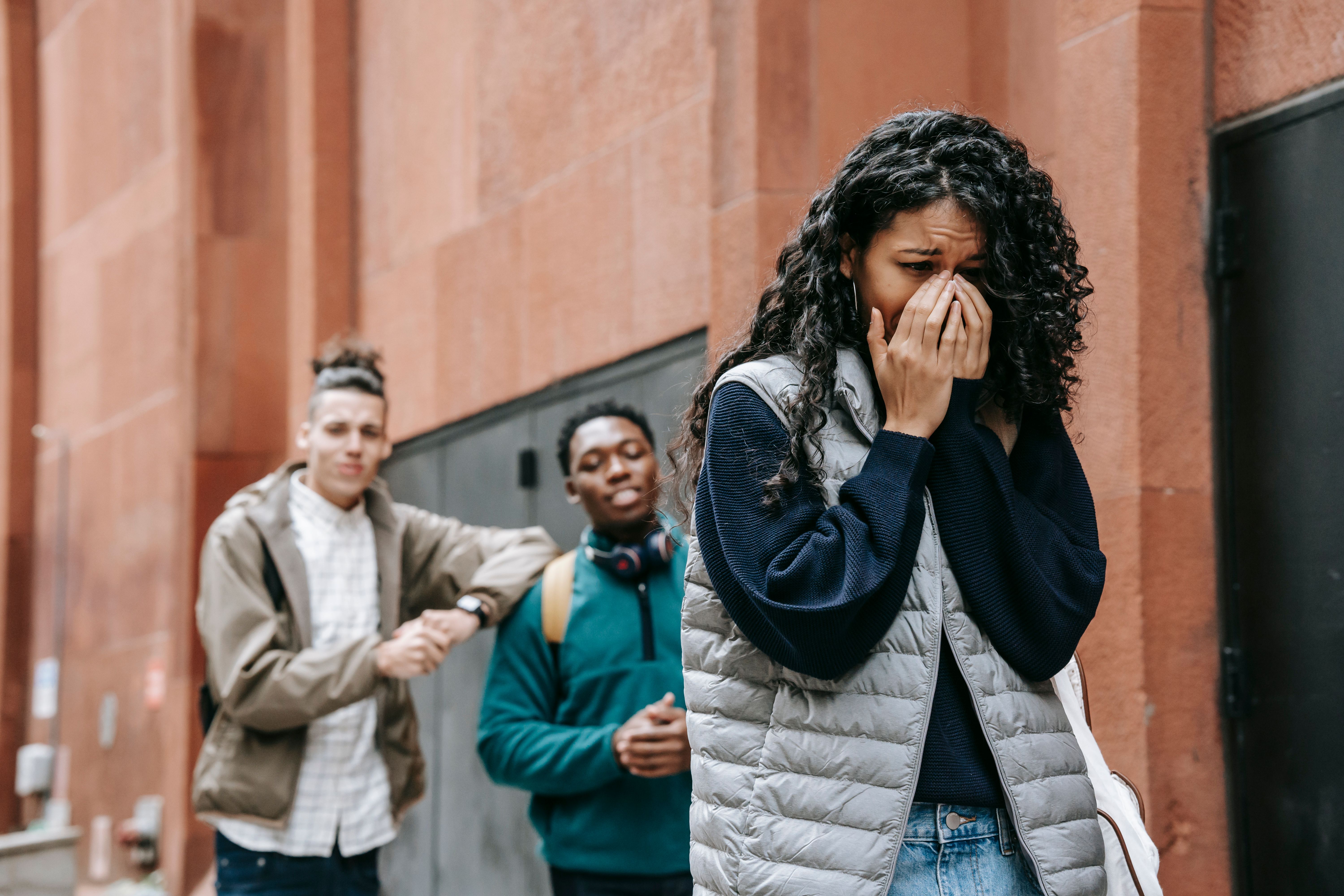

Social anxiety is more than shyness or occasional nervousness before speaking in front of others. When the fear of being judged becomes intense and persistent enough to interfere with daily life, it may be social anxiety disorder.
Social anxiety disorder is one of the most common anxiety conditions. Its symptoms can affect emotions, physical sensations, and behavior.
Recognizing these patterns is often the first step toward understanding what you are experiencing and finding effective help.
Key Takeaways
Social anxiety is common and treatable. An estimated 7.1% of U.S. adults experience social anxiety disorder in a given year.
Symptoms often show up in three ways. They include emotional symptoms, physical symptoms, and avoidance behaviors.
It is not the same as shyness. Social anxiety disorder is a diagnosable condition where fear is more intense, long-lasting, and disruptive to daily life.
What Is Social Anxiety Disorder?
Social Anxiety Disorder, formerly called social phobia, is a mental health condition marked by an intense, persistent fear of social or performance situations. It includes worrying about being scrutinized, judged, embarrassed, or rejected.
The core fear is not the social situation itself, but the possibility of humiliation or criticism from others. This fear is often out of proportion to the actual situation and can lead people to avoid social settings entirely or endure them with significant distress.
A key point is that social anxiety disorder is not the same as introversion or ordinary shyness. Many people feel nervous before presentations, meetings, or unfamiliar social situations. It involves fear that is typically more severe, persistent, and impairing.
How Common Is Social Anxiety?
Social anxiety is one of the most common anxiety disorders. According to the National Institute of Mental Health (NIMH), about 7.1% of U.S. adults experience social anxiety disorder in a given year. The rate tends to be somewhat higher in females (8.0%) than in males (6.1%).
It often begins early in life, especially during the early-to-mid teen years. Many people live with symptoms for years before seeking help because the condition is frequently mistaken for personality or shyness.
Recognizing the Symptoms of Social Anxiety
Social anxiety symptoms usually appear in three overlapping ways:
How you feel emotionally
What happens in your body
How you behave
Looking at all three together often gives a clearer picture of how social anxiety affects daily life.
Emotional and Mental Symptoms of Social Anxiety
At its core, social anxiety is driven by fear of being judged by others.
Common emotional and mental symptoms may include:
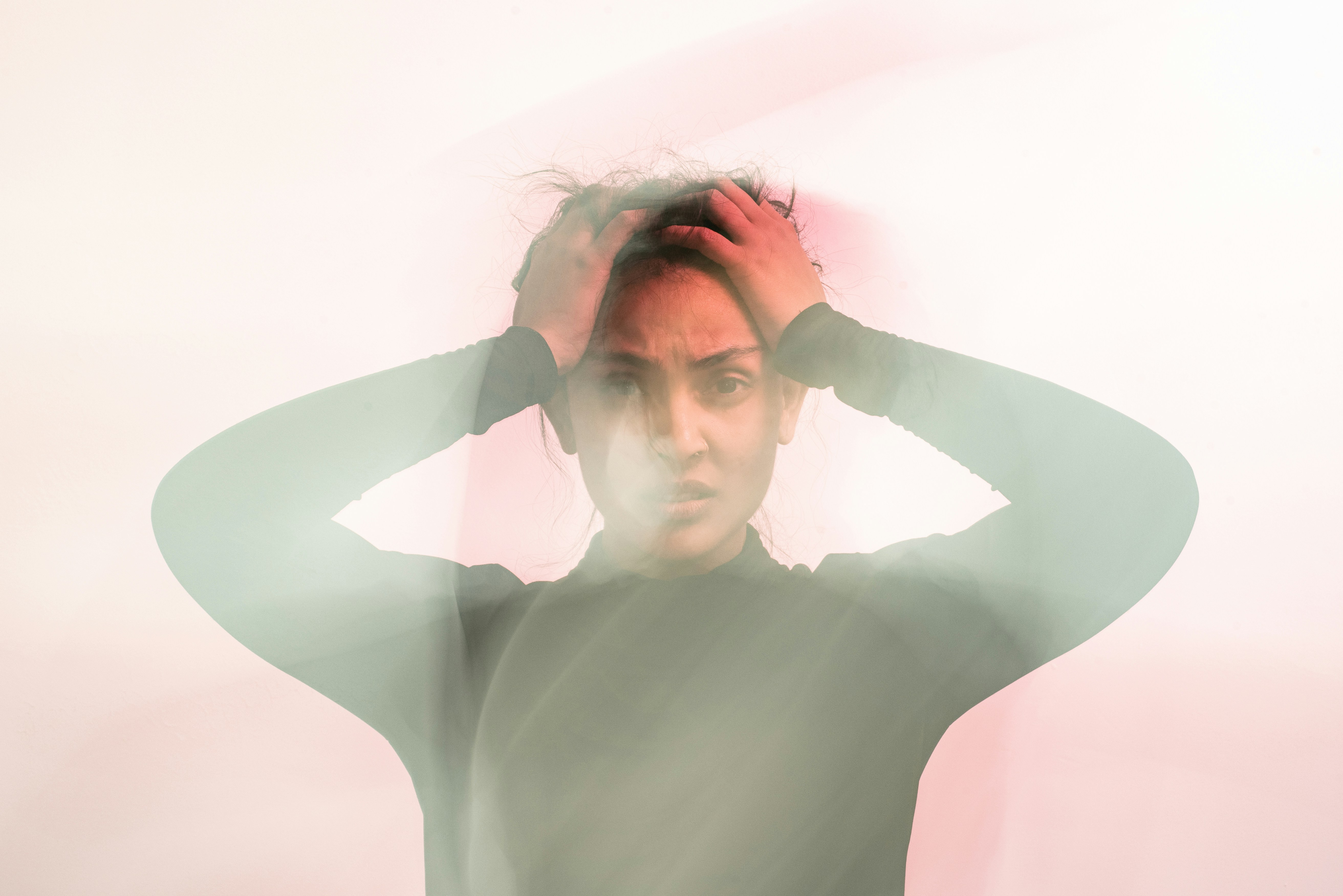
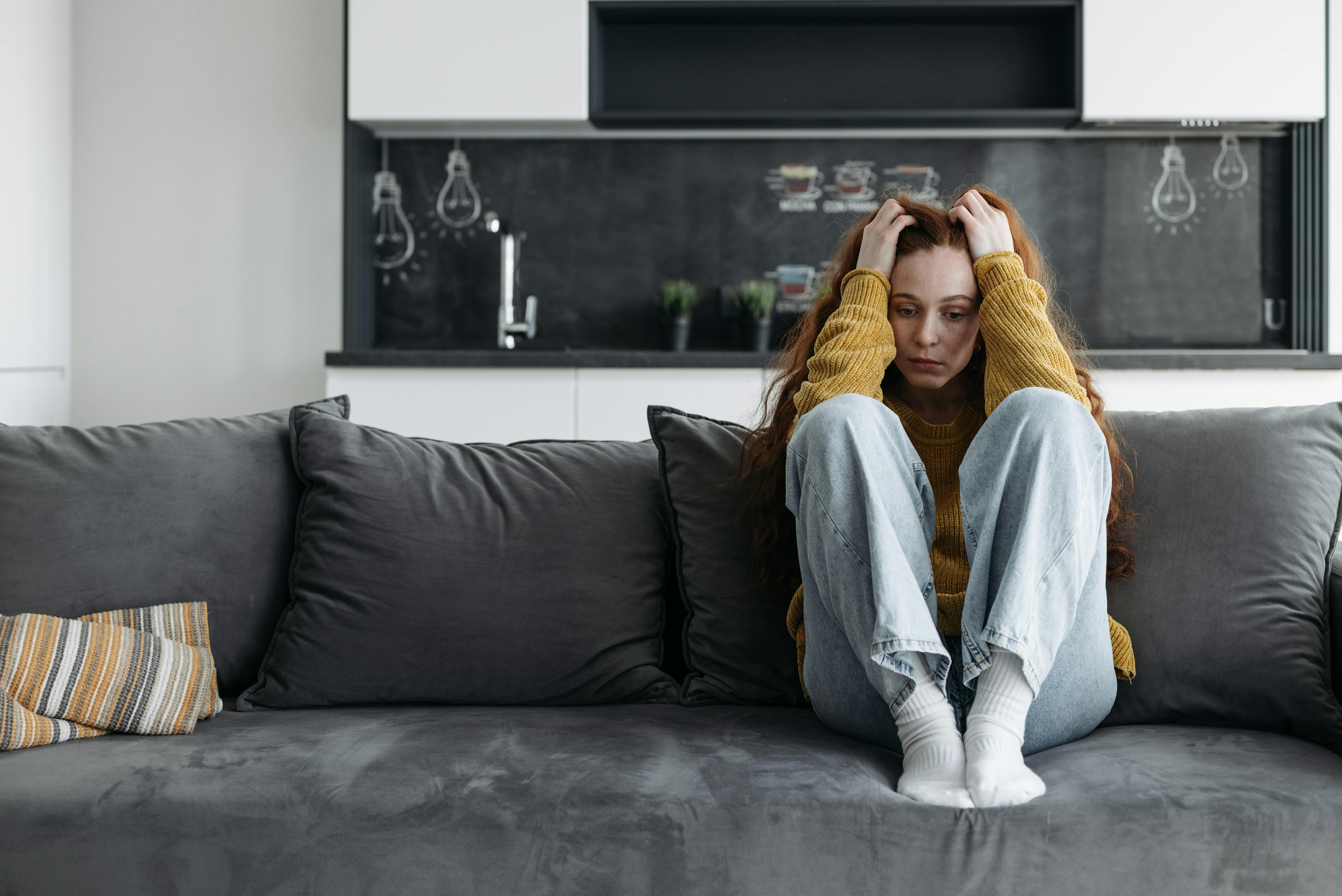
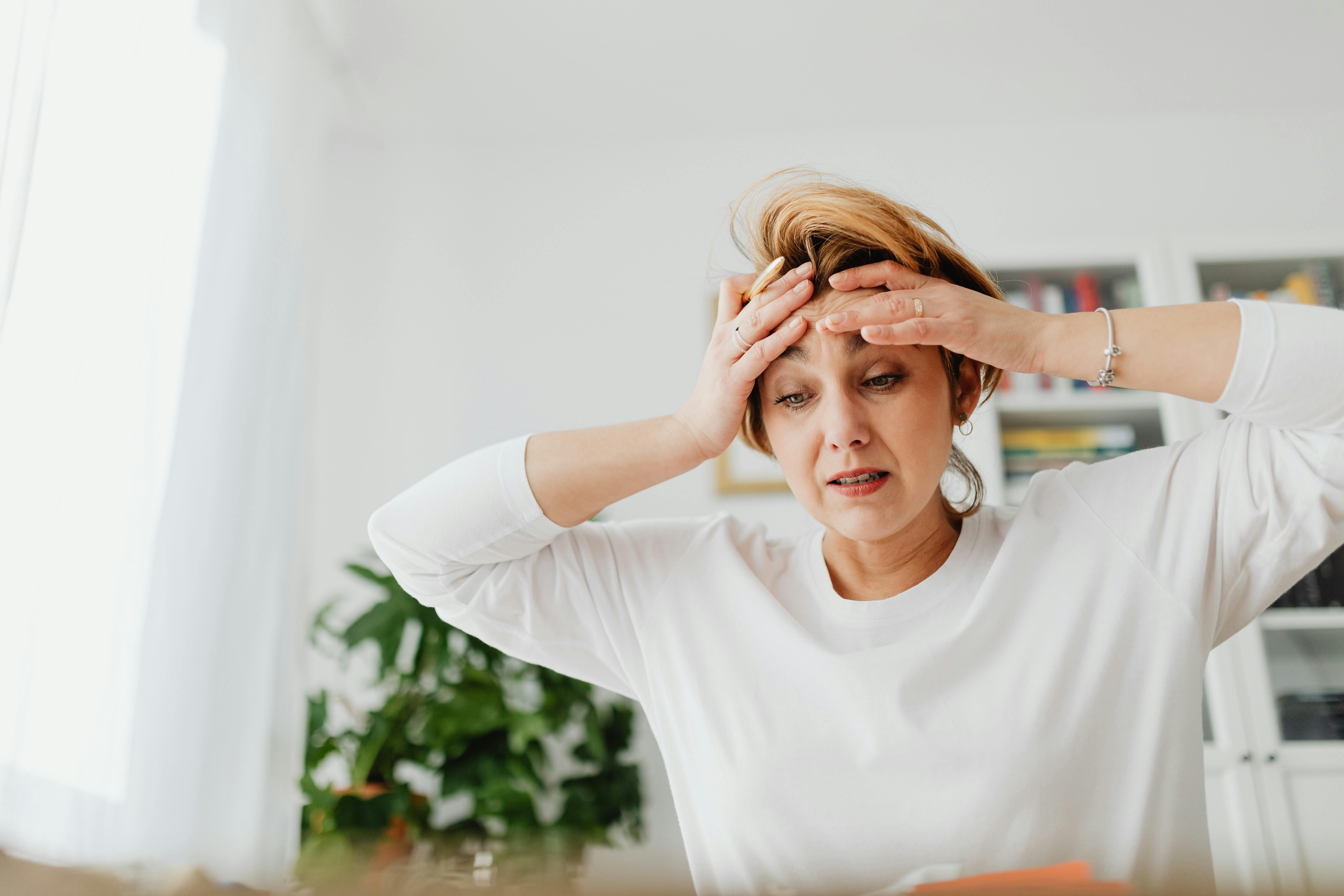
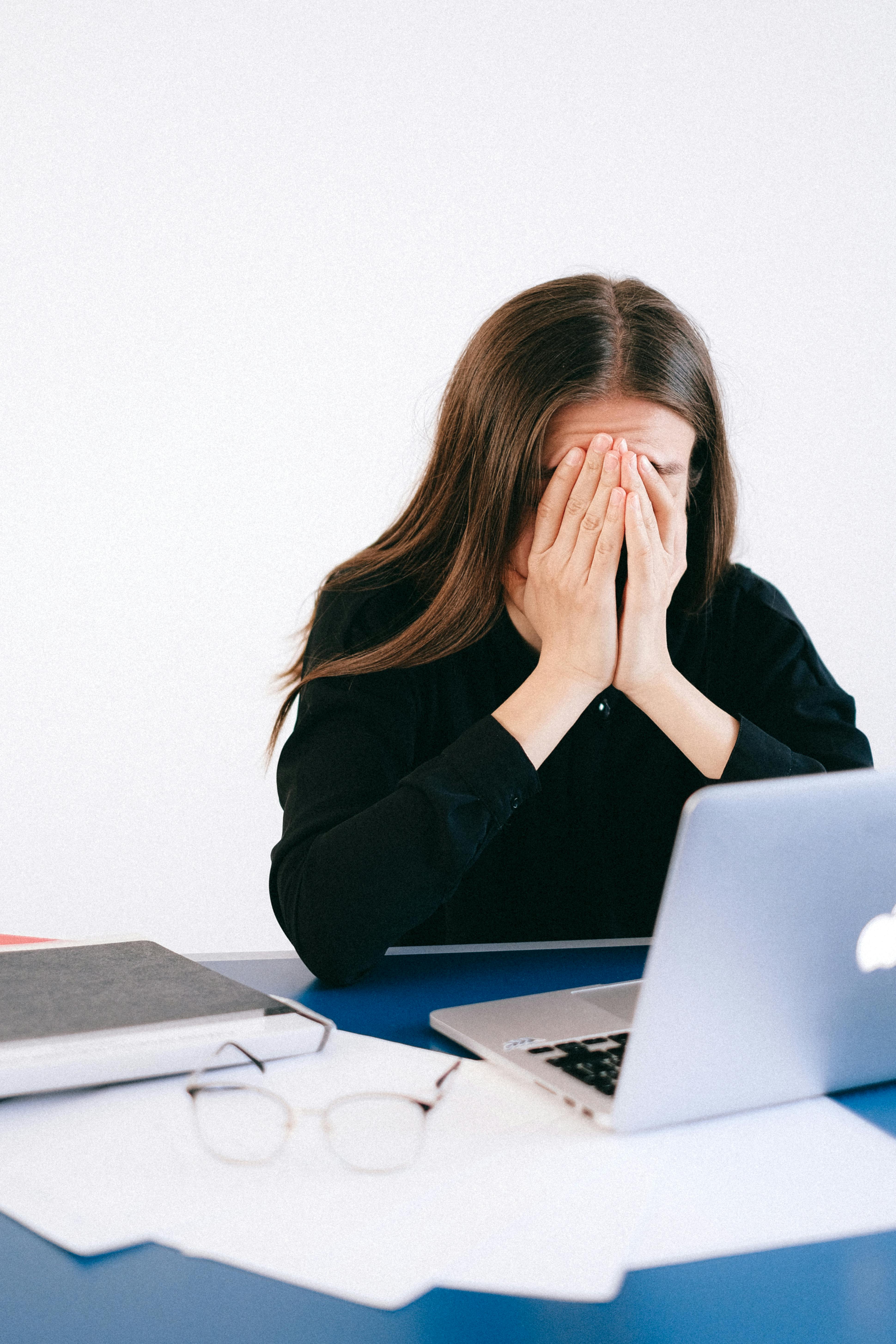
Intense fear of embarrassment or humiliation
Constant worry about saying the wrong thing
Anticipatory anxiety before social events
Feeling overly self-conscious around other people
Replaying conversations afterward and criticizing yourself
Fear that others will notice visible anxiety, such as blushing, sweating or shaking
Physical Symptoms of Social Anxiety
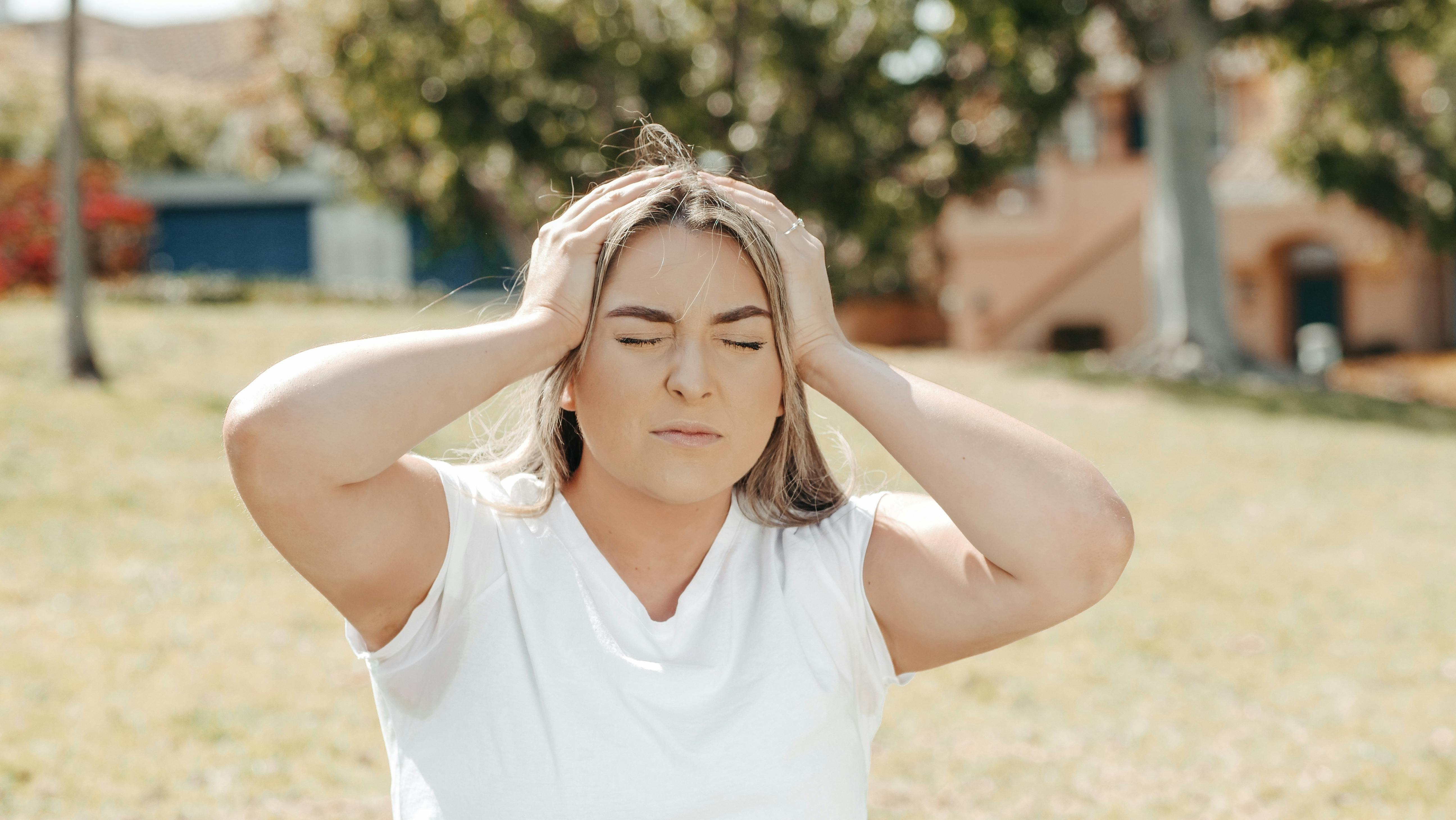
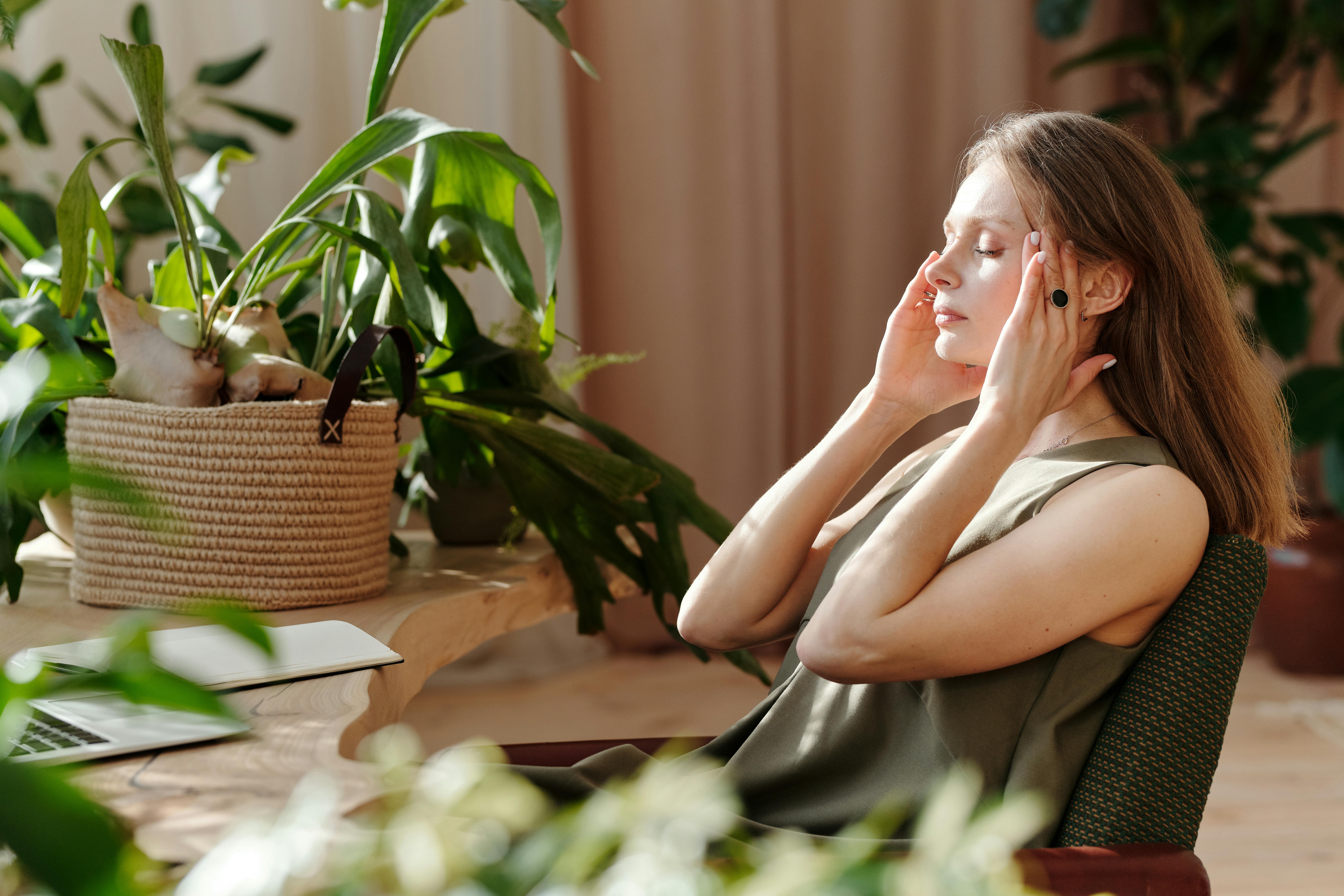
Because anxiety activates the body’s stress response, social anxiety often causes physical symptoms as well.
According to the MSD Manual, common physical symptoms include:
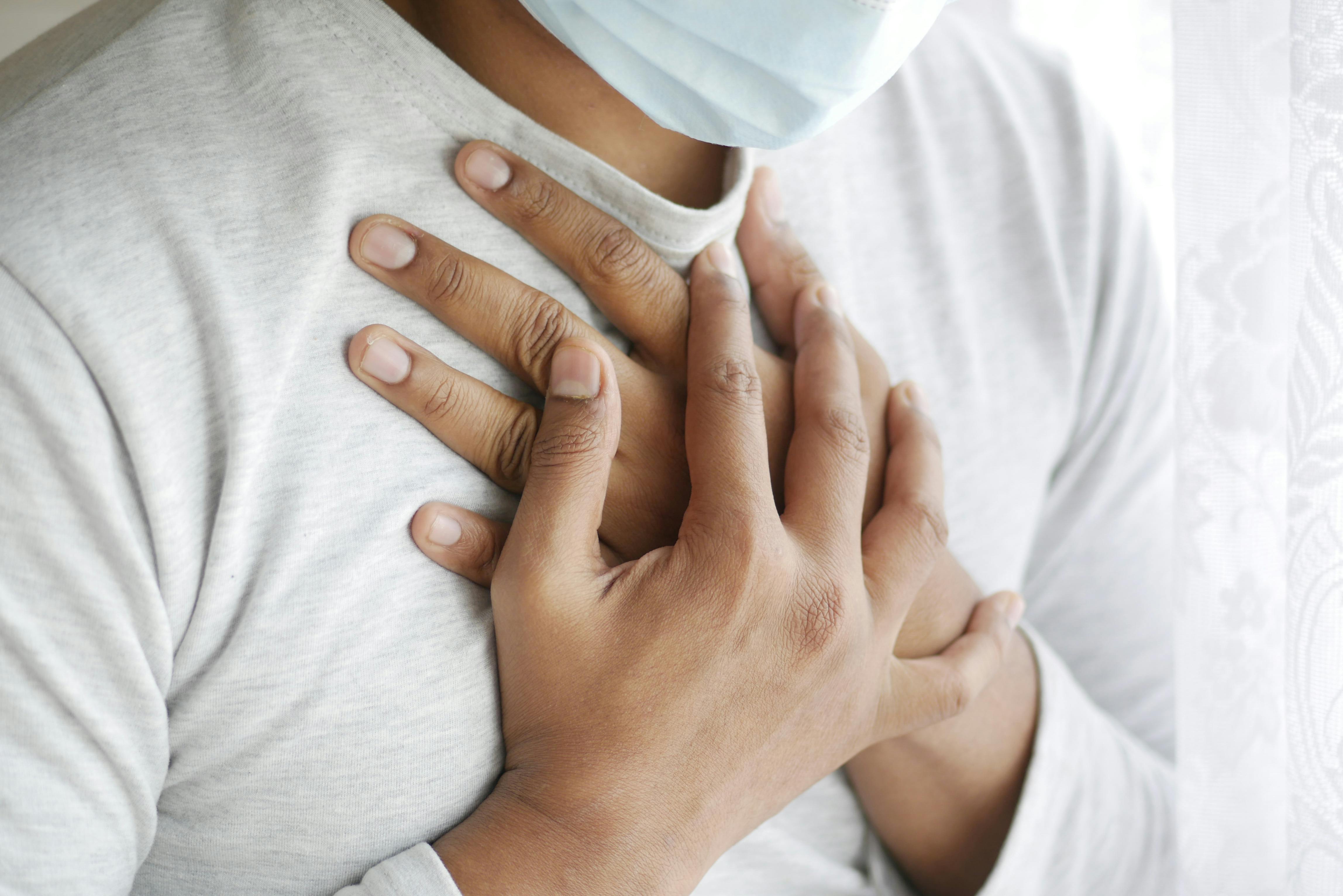
Racing heart or heart palpitations
Blushing
Sweating
Trembling or shaking
Nausea or stomach discomfort -
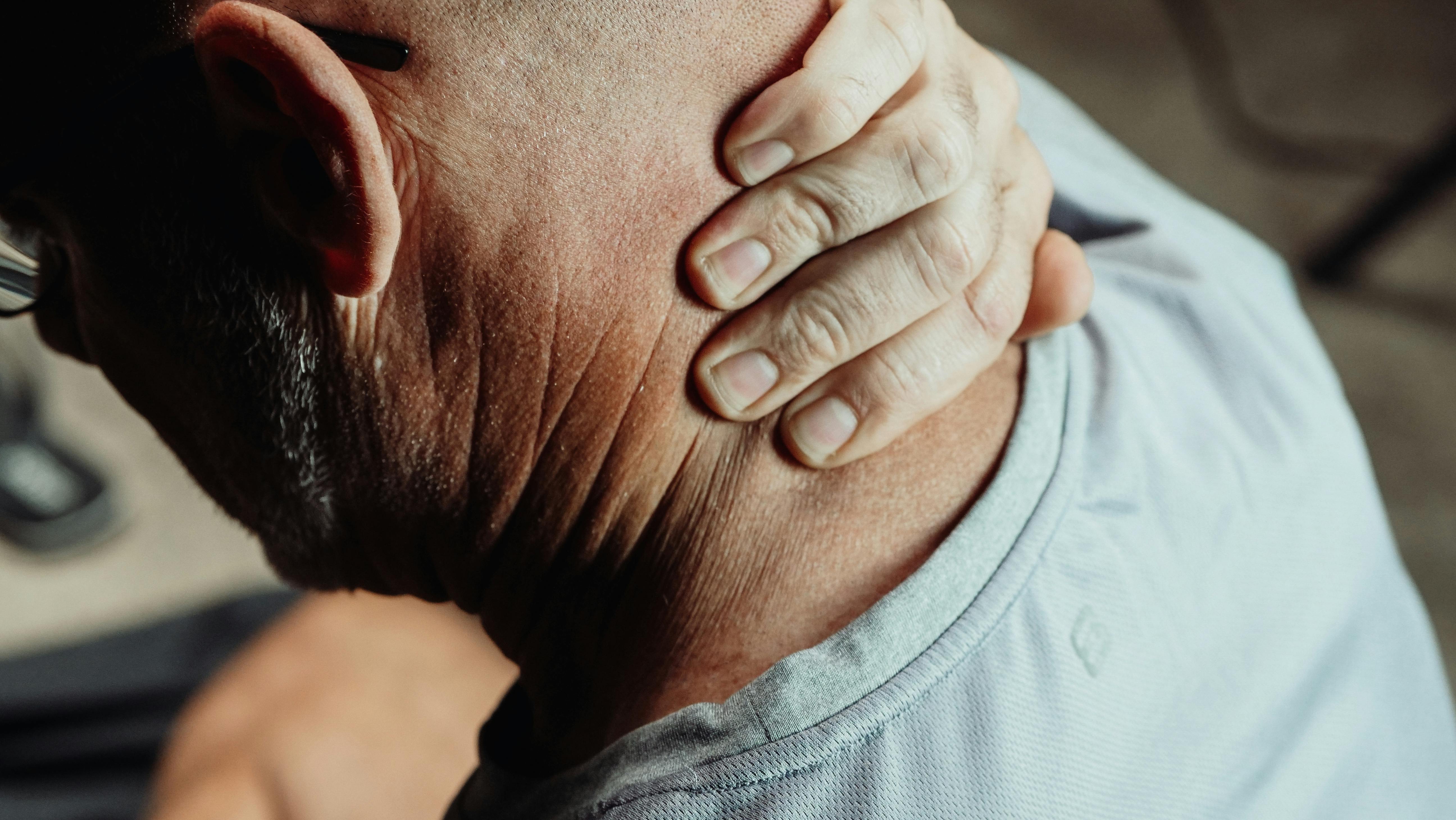
Muscle tension
Shortness of breath
Dry mouth
Dizziness or feeling lightheaded
These symptoms can feel distressing, but they’re not dangerous. In many cases, they tend to improve after the social situation ends.
For some people, social anxiety may also trigger panic attacks, especially in situations where they fear being watched or judged.
Behavioral Symptoms
Behavioral symptoms are often what affect daily life the most. Common behavioral signs include:
Avoiding parties, meetings, classes, phone calls, or places where you might be the center of attention.
Declining invitations because of fear or dread
Enduring social situations with significant distress
Speaking very quietly or avoiding eye contact
Staying near exits or avoiding attention
Relying on alcohol or substances to cope socially
Avoidance may bring short-term relief but tends to strengthen the fear over time. This is one reason treatment frequently focuses on gradually facing feared situations in manageable ways.
It might be helpful to note that social anxiety is one of several types of anxiety disorders. Recognizing it and ruling out the other types with the help of your healthcare provider can be the first step toward effective care.
Social Anxiety in Children and Teens
Social anxiety disorder often begins during childhood or adolescence, especially during school years.
In younger people, symptoms may sometimes be mistaken for shyness, behavioral issues, or lack of confidence. Signs that may point to social anxiety in children and teens include:
Avoiding or refusing to go to school
Fear of presentations or being called on in class
Avoiding sports, parties, or group activities
Frequent stomachaches or headaches before social events
Excessive fear of embarrassment or making mistakes
Difficulty speaking in unfamiliar situations
Children may not recognize that their fear feels excessive, so parents, teachers, or caregivers often notice the pattern first.
Early support can make a meaningful difference because avoidance tends to become stronger over time when left untreated.
How Social Anxiety Differs From Similar Experiences
Social anxiety is sometimes confused with other experiences or mental health conditions.
Social anxiety vs. shyness
Shyness is a personality trait that usually does not severely disrupt daily life. Social anxiety disorder involves intense fear, persistent distress, and significant impairment.
Social Anxiety vs. Panic Disorder
People with social anxiety can experience panic attacks, but the fear is usually tied to being judged. In panic disorder, the primary fear centers on the panic attacks themselves.
Social Anxiety vs. Generalized Anxiety
Generalized anxiety disorder involves broad worry across many areas of life, while social anxiety focuses specifically on social and performance situations.
Understanding these differences can help point toward appropriate treatment and support.
When Does Social Anxiety Become a Disorder?
Many people feel socially anxious sometimes. Clinicians look at several factors to determine when symptoms meet the criteria for anxiety disorder.
Signs that anxiety may have crossed into a disorder include:
Fear that feels much stronger than the situation calls for
Symptoms lasting six months or longer
Significant distress during interactions
Avoiding social situations regularly
Anxiety interfering with work, school, relationships, or daily life
Social anxiety disorder is often highly treatable. Many people improve with cognitive behavioral therapy (CBT), exposure-based therapy, medications (such as SSRIs and SNRIs), or a combination of approaches.
Your provider can help determine whether what you are experiencing meets the threshold for a disorder and what treatment might fit best.
If social anxiety symptoms are affecting your life, or if you’re looking for treatment options that best fit your health needs and goals, you can connect with a psychiatric provider covered by in-network insurance through Blossom Health.
Medical Disclaimer
This article is for educational purposes only and does not constitute medical advice. The information provided should not replace consultation with a qualified healthcare provider. Individual responses to medications can vary significantly, and what applies to one person may not be the same for another.
Always consult with your doctor or pharmacist before making any decisions about medication changes, discontinuation, or interactions with other substances. If you’re experiencing concerning symptoms or side effects, please seek professional help from a healthcare provider.
In case of a medical emergency, contact your local emergency services immediately or call 911. For mental health emergencies, contact the National Suicide Prevention Lifeline at 988.
Sources
National Institute of Mental Health (NIMH). Social Anxiety Disorder (Statistics). https://www.nimh.nih.gov/health/statistics/social-anxiety-disorder
StatPearls (NCBI Bookshelf). (October 25, 2022). Social Anxiety Disorder. https://www.ncbi.nlm.nih.gov/books/NBK555890/
StatPearls (NCBI Bookshelf). (April 24, 2023). Anxiety. https://www.ncbi.nlm.nih.gov/books/NBK470361/
MSD Manual (Professional Version). (April, 2026). Social Anxiety Disorder. https://www.msdmanuals.com/professional/psychiatric-disorders/anxiety-and-trauma-and-stressor-related-disorders/social-anxiety-disorder
MayoClinic. (June 19, 2021). Social Anxiety Disorder (Social Phobia). https://www.mayoclinic.org/diseases-conditions/social-anxiety-disorder/symptoms-causes/syc-20353561
World Health Organization (WHO). (September 8, 2025). Anxiety Disorders. https://www.who.int/news-room/fact-sheets/detail/anxiety-disorders