Is 300 mg of Lithium a Low Dose? Understanding Lithium Dosing
Author:
Blossom Editorial


A 300 mg dose of lithium is generally considered a low dose, and it is also the smallest standard tablet strength available. Lithium is a mood stabilizer that has been FDA-approved since 1970 and remains a first-line treatment for bipolar I disorder.
What makes lithium different from most psychiatric medications is that the dose itself is only half the story: what actually guides treatment is the concentration of lithium in your blood that the dose results in, also called the serum level.
That distinction explains why two people can take very different doses and land in the same therapeutic range or why a dose that works for one person may not be suitable for another.
Key Takeaways
300 mg is a low dose and usually a starting point: Typical adult maintenance dosing for bipolar 1 isusually between 300 mg and 600 mg two or three times daily, which puts total daily doses commonly between 600 mg and 1,800 mg. However, the exact dose is individualized based on several factors.
Blood levels matter more than the dose: Lithium has a narrow therapeutic index, meaning the gap between an effective level and a toxic one is small. Providers target a serum level, then adjust the dose to reach it, which is why regular blood tests are essential.
Low-dose lithium is a real strategy, not a compromise: Lower doses are used for older adults, for people with reduced kidney function, and sometimes as an add-on for depression. Never adjust your lithium dose on your own, and tell your provider about any illness, dehydration, or new medication.
Is 300 mg of Lithium a Low Dose? The Short Answer
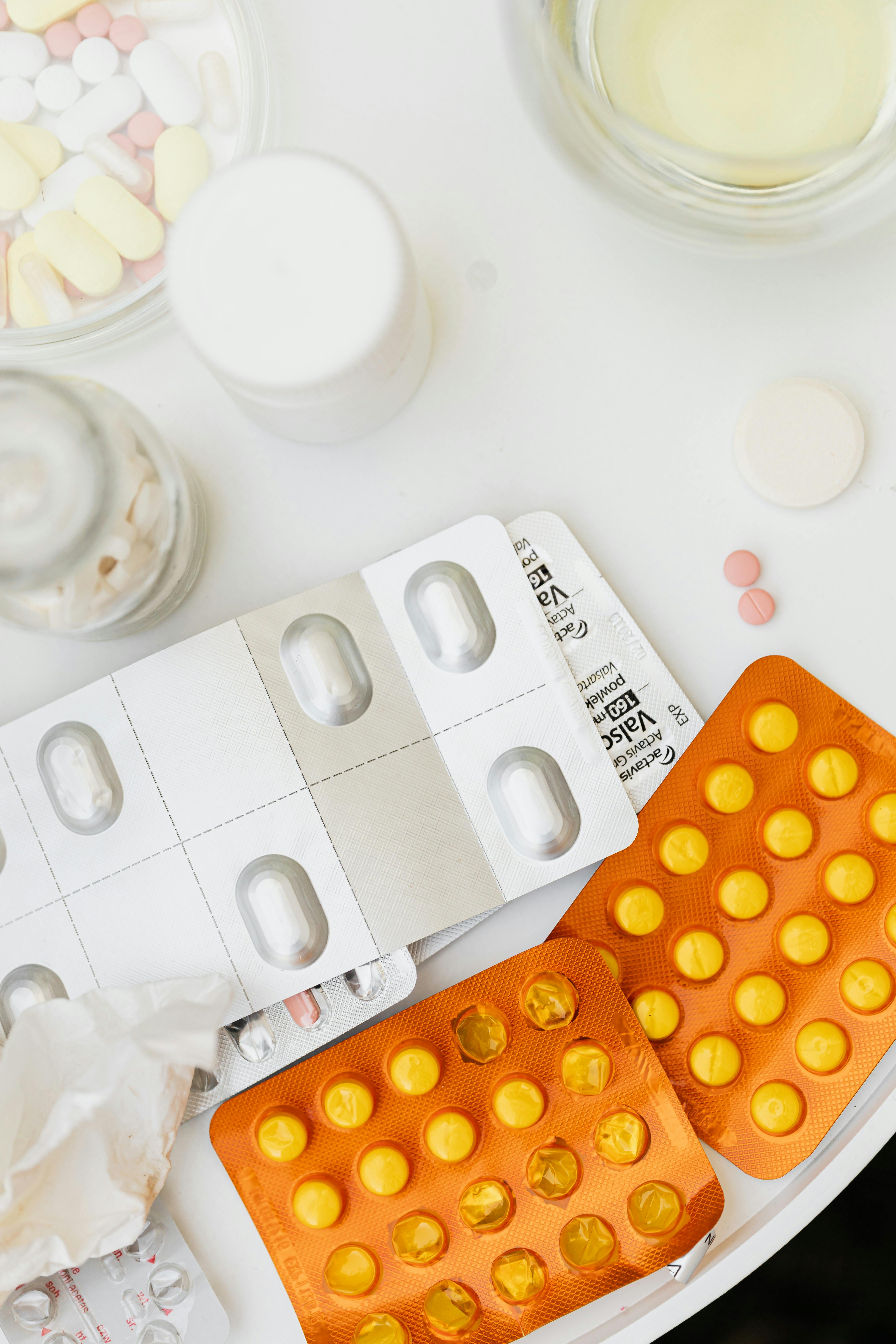
Yes. Lithium carbonate is most commonly dispensed as 300 mg tablets or capsules and 300 mg extended-release tablets, and most adults take multiple tablets per day. It is also available in 150 mg and 600 mg capsules and as an oral solution for more precise dosing.
The usual starting dosage of lithium for people over 30 kg for bipolar 1 disorder is 300 mg three times a day. The recommended maintenance dosing of lithium for patients weighing over 30 kg is 300 mg to 600 mg given two to three times daily. A single 300 mg tablet, therefore, sits below the usual maintenance range for most adults, though it is a common starting dose and could be a legitimate long-term dose for some people.
One important caveat: with lithium, "low" refers only to the dose in milligrams; it does not necessarily mean the medication will be less effective. What matters in terms of therapeutic response is the blood level a dose produces, or serum lithium concentration, which is why providers adjust the dose based on blood test results rather than the milligram dose alone.
Why Blood Levels Matter More Than Milligrams
This is what makes a specific lithium dosing work for you. Lithium is a simple ion, similar to sodium, and it is cleared almost entirely by the kidneys. How much lithium ends up in your bloodstream from a 300 mg tablet depends on your kidney function, body size, hydration, sodium intake, and any other medications you take.
The FDA label for lithium carries a boxed warning stating that lithium toxicity is closely related to serum lithium concentrations and can occur at doses close to therapeutic concentrations. This is why facilities for prompt and accurate serum lithium testing must be available before treatment starts, and also explains why blood levels matter more than dosage with lithium.
Typical Target Ranges
For acute mania in bipolar 1, target levels of lithium are generally higher, often in the range of 0.8 to 1.2 mEq/L. For long-term maintenance, target levels are usually lower. A review in the International Journal of Bipolar Disorders notes that roughly 0.6 mmol/L is commonly considered the best trade-off between effectiveness and safety for maintenance treatment. Many guidelines now recommend that long-term maintenance target 0.6–0.8 mEq/L, depending on the individual. Older adults are typically kept lower still.
When Levels Are Checked
Levels are drawn about 12 hours after the last dose, and generally around five days after a dose change, once the medication has reached steady state. Longer intervals are used in older adults. Beyond lithium levels, providers monitor kidney function and thyroid function, since long-term lithium can affect both.
Standard Lithium Dosing for Adults
With the blood-level concept in place, the dosing numbers make more sense.
Starting Doses
A starting dose of lithium for bipolar disorder often begins at 300 mg two or three times daily, or sometimes 300 mg once daily in people who are older, smaller, or more sensitive. The dose is then adjusted based on the initial serum level and your tolerance.
Acute Dosing
For acute manic episodes typical of bipolar 1, higher doses of lithium may be used. According to the FDA, doses of 600 mg of lithium two to three times per day can be taken for acute episodes. Once the mood stabilizes, the dosage can be adjusted to a maintenance level under the provider's supervision.
Maintenance Dosing
Most adults on maintenance lithium take somewhere between 300 mg and 600 mg two to three times per day (600 mg to 1,800 mg per day). Extended-release formulations such as lithium carbonate ER are designed to produce lower peak concentrations than immediate-release forms, which can reduce some side effects.
Once Daily vs Divided Dosing
Both are used. Once-daily dosing at bedtime is common and may reduce long-term kidney exposure to lithium compared with divided dosing, although research is still evolving, and it produces higher 12-hour levels than divided dosing does. Consensus guidance suggests interpreting serum levels without adjusting for the dosing schedule.
If you have questions about your lithium dose or monitoring schedule, a psychiatric provider can walk through it with you. You can get started with Blossom Health and see a licensed psychiatric provider covered by in-network insurance.
Who Takes Low-Dose Lithium?
Several groups do well at or near 300 mg per day:
Older adults: Kidney function declines with age, so lower doses produce the same blood levels. Older adults are also more sensitive to side effects like tremor and confusion.
People with reduced kidney function: The FDA label advises avoiding lithium in severe renal impairment and reducing the dose in cases of milder impairment.
People starting treatment: Most people start at a low dose and titrate up based on blood levels and response.
People taking other medications that affect lithium: Certain medications, including but not limited to diuretics, ACE inhibitors that lower blood pressure, non-steroidal anti-inflammatory drugs (NSAIDs) like aspirin, and the prescription antibiotic metronidazole, can increase blood lithium levels. People taking such medications may be prescribed a lower dose of lithium.
Lithium as an add-on for depression: When lithium is used to augment an antidepressant rather than to treat bipolar disorder, lower doses and lower target levels are common.
People sensitive to side effects: Some people get meaningful benefit at levels lower than the standard target and struggle above it.
When 300 mg of Lithium May Not Be Enough
For most adults with bipolar I disorder, a single 300 mg tablet may not produce a serum level in the therapeutic range. If your level comes back below target and your symptoms are not controlled, your provider will typically increase the dose in 300 mg increments and recheck.
Acute mania, in particular, requires higher levels than maintenance does. Trying to manage an acute episode at a subtherapeutic level is one of the more common reasons lithium gets labeled ineffective when the real issue is underdosing.
Lithium is not the only mood stabilizer, and if it is not the right fit, other options exist. These include anti-seizure medications like valproic acid (Depakote), lamotrigine (Lamictal), and carbamazepine (Tegretol).
Side Effects of Lithium at Low Doses
Side effects are common with lithium, and many are dose- and level-related, which means lower doses generally mean fewer problems.
Common Side Effects
A review of the side effects of lithium reports that most people on lithium experience at least one side effect, with the most frequent being nausea, increased thirst and urination, hand tremor, weight gain, and a sense of cognitive dulling. Some of these side effects can be managed with practical adjustments such as taking lithium with food, adjusting dose timing, switching to an extended-release form, or lowering the dose slightly.
Longer-Term Considerations
Thyroid changes are common and tend to appear in the first few years of treatment. Kidney effects are more associated with long-term use, particularly after many years of therapy, although the timing varies between individuals. Both are monitored with routine blood work, and both are reasons to keep appointments even when you feel fine.
What Can Push Lithium Levels Up Unexpectedly
Because lithium behaves like sodium in the body, anything that changes your sodium or fluid balance changes your lithium level. Common culprits include:
Dehydration: From heat, exercise, vomiting, or diarrhea.
Low sodium intake: Sudden salt restriction makes the kidneys hold on to lithium.
NSAIDs: Ibuprofen and similar pain relievers can raise lithium levels.
Certain blood pressure medications: ACE inhibitors and thiazide diuretics in particular.
Illness: Any acute illness that affects hydration or kidney function.
This is why a 300 mg dose that has been stable for years can suddenly become a problem during a stomach bug or a heat wave.
When to Seek Medical Attention
Lithium toxicity is a medical emergency, and it can develop at doses close to therapeutic ones. Contact your provider or seek urgent care if you notice worsening hand tremor, muscle weakness, unsteady walking, slurred speech, severe nausea, vomiting or persistent diarrhea, confusion, drowsiness, or blurred vision.
Mild toxicity can look like weakness, worsening tremor, poor concentration, and diarrhea. As it worsens, vomiting, gross tremor, slurred speech, confusion, and lethargy emerge. Do not wait to see if it passes. Call your provider, and if symptoms are severe, go to an emergency department.
If you are experiencing thoughts of self-harm, call or text 988 to reach the Suicide and Crisis Lifeline.
Medical Disclaimer
This article is for informational purposes only and is not a substitute for professional medical advice. Always talk with your physician or another qualified healthcare provider about any questions you have regarding a medical condition or medication, and never stop or change a prescription without guidance. If you are experiencing a mental health crisis, contact the 988 Suicide and Crisis Lifeline by calling or texting 988.
Sources
U.S. Food and Drug Administration. (2022). Lithium carbonate capsules and lithium citrate oral solution: Prescribing information. https://www.accessdata.fda.gov/drugsatfda_docs/label/2022/017812s036,018421s035,018558s030lbl.pdf
U.S. Food and Drug Administration. (2020). Lithobid (lithium carbonate USP) extended-release tablets: Prescribing information. https://www.accessdata.fda.gov/drugsatfda_docs/label/2020/018027s067lbl.pdf
Chokhawala KP, Lee S, Saadabadi A. Lithium. [Updated 2024 Jan 14]. In: StatPearls [Internet]. Treasure Island (FL): StatPearls Publishing; 2026 Jan-. Available from: https://www.ncbi.nlm.nih.gov/books/NBK519062/
Hedya SA, Avula A, Swoboda HD. Lithium Toxicity. [Updated 2023 Jun 26]. In: StatPearls [Internet]. Treasure Island (FL): StatPearls Publishing; 2026 Jan-. Available from: https://www.ncbi.nlm.nih.gov/books/NBK499992/
Nath M, Gupta V. Mood Stabilizers. [Updated 2023 Apr 24]. In: StatPearls [Internet]. Treasure Island (FL): StatPearls Publishing; 2026 Jan-. Available from: https://www.ncbi.nlm.nih.gov/books/NBK556141/
Gitlin M. (2016). Lithium side effects and toxicity: prevalence and management strategies. International journal of bipolar disorders, 4(1), 27. https://doi.org/10.1186/s40345-016-0068-y
Strawbridge, R., & Young, A. H. (2024). Lithium: how low can you go?. International journal of bipolar disorders, 12(1), 4. https://doi.org/10.1186/s40345-024-00325-y
Volkmann, C., Bschor, T., & Köhler, S. (2020). Lithium Treatment Over the Lifespan in Bipolar Disorders. Frontiers in psychiatry, 11, 377. https://doi.org/10.3389/fpsyt.2020.00377 https://pmc.ncbi.nlm.nih.gov/articles/PMC7221175/
Sampogna, G., Berardelli, I., Albert, U., Perugi, G., Pompili, M., Tortorella, A., Manchia, M., Sani, G., & Fiorillo, A. (2025). Prescribing lithium for the management of persons suffering from bipolar disorders: expert consensus based on a Delphi study. International journal of bipolar disorders, 13(1), 21. https://doi.org/10.1186/s40345-025-00387-6 National Institute of Mental Health. (2024, December). Bipolar disorder. U.S. Department of Health and Human Services, National Institutes of Health. https://www.nimh.nih.gov/health/topics/bipolar-disorder
National Institute of Mental Health. (2023, December). Mental health medications. U.S. Department of Health and Human Services, National Institutes of Health. https://www.nimh.nih.gov/health/topics/mental-health-medications