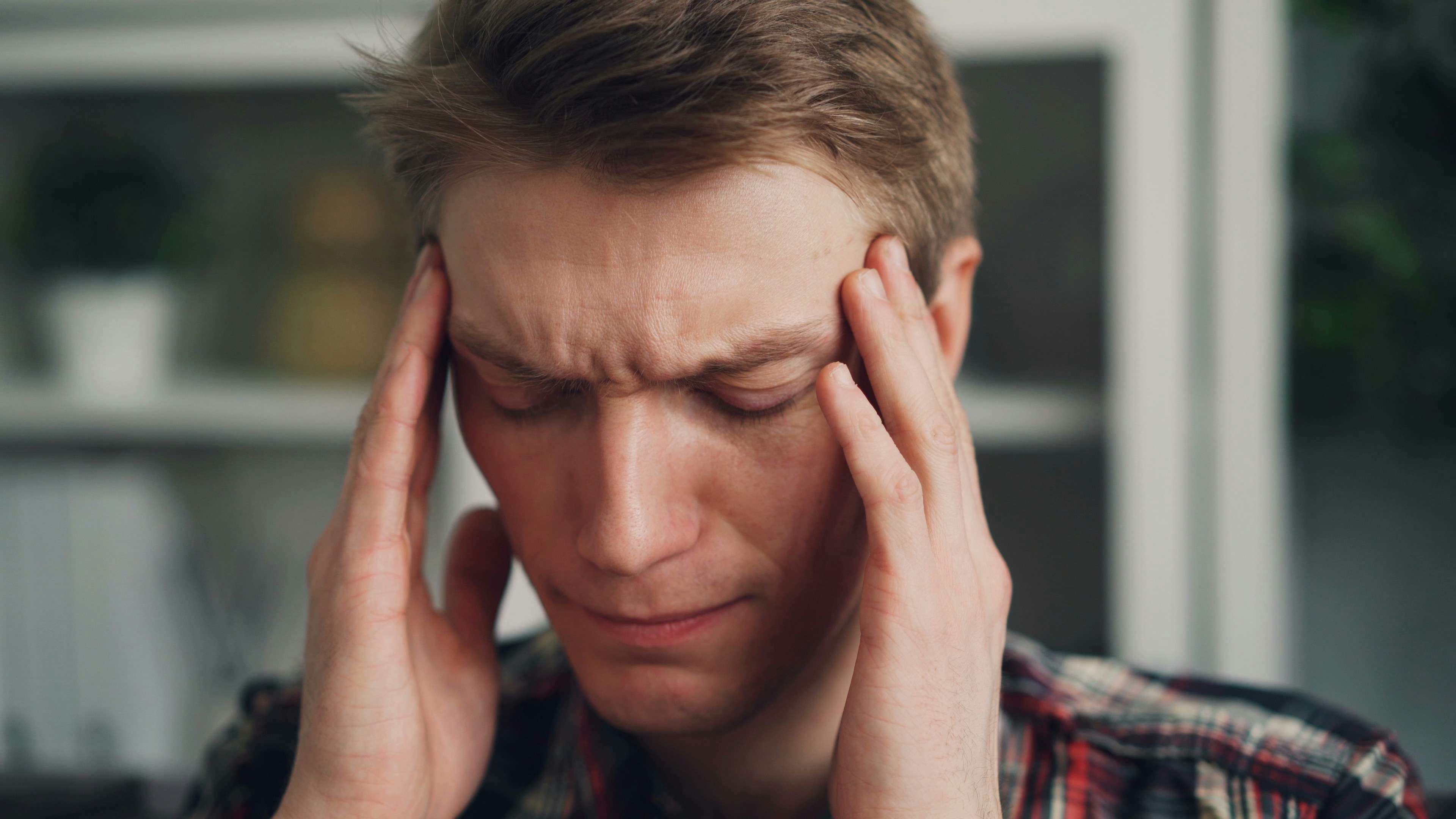
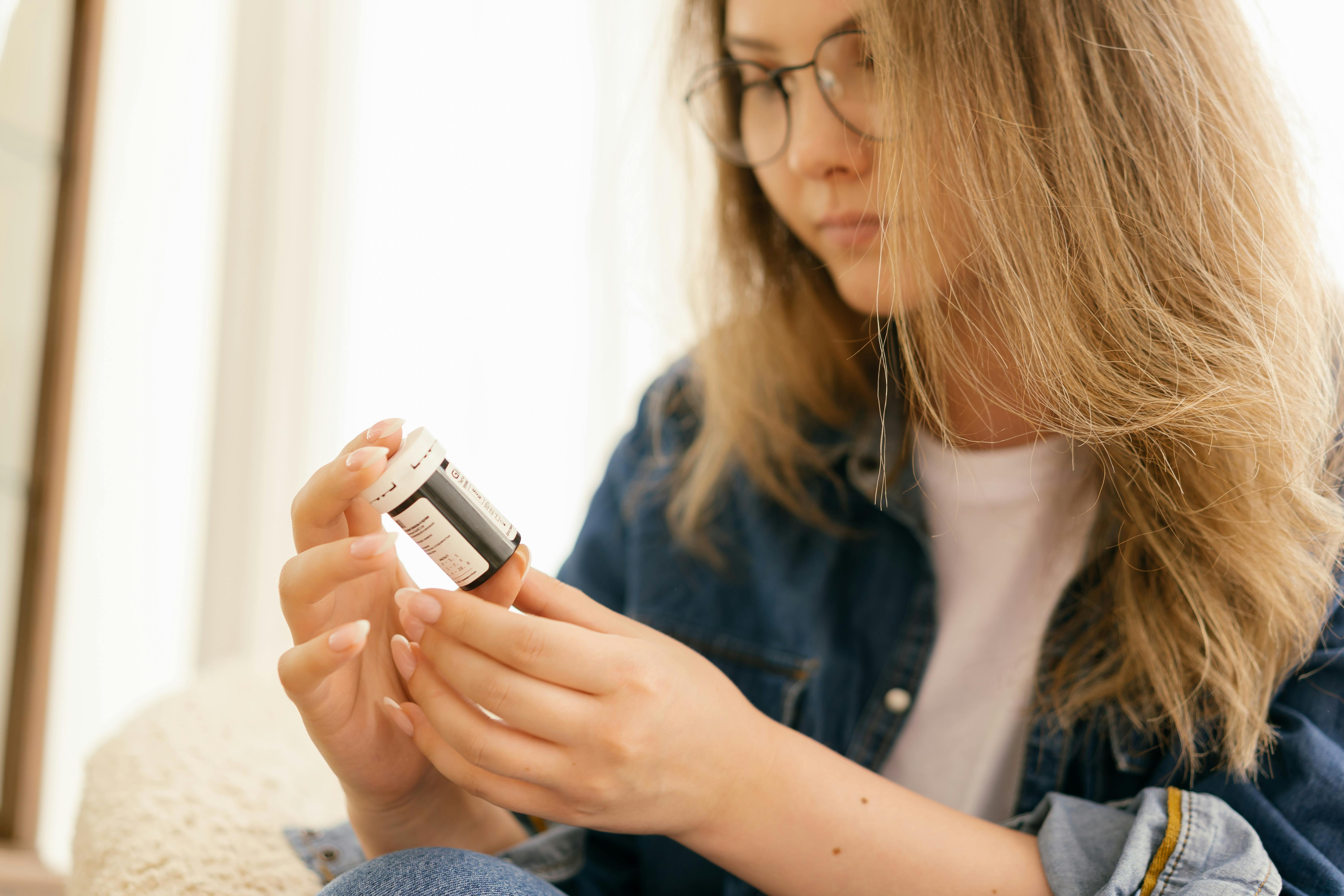
Hydroxyzine is a prescription antihistamine used to ease anxiety, calm itching, and help with sleep. Because it commonly causes drowsiness, combining it with alcohol can increase sedation and impairment in ways that are hard to predict. Knowing what happens when the two mix, and which warning signs matter, can help you avoid a situation that turns serious quickly.
Key Takeaways
Both can cause sedation: Hydroxyzine and alcohol each calm activity in the central nervous system and, as a result, can reduce alertness and coordination. Together, the drowsiness, dizziness, and unsteadiness can be stronger than either one alone.
Drowsiness is the usual result, but not the only one: The National Institute on Alcohol Abuse and Alcoholism (NIAAA) lists hydroxyzine among medications that can interact with alcohol. Its possible side effects include drowsiness, dizziness, and a higher risk of overdose. Hydroxyzine's FDA label also warns that alcohol's effects may be increased. The actual risk also depends on factors such as the amount of alcohol consumed, the hydroxyzine dose, and other medications or health conditions.
Timing is a question for your prescriber: There is no single waiting period that can make drinking “safer” for people taking hydroxyzine. Your dose, your other medications, your age, and your health history all influence the decision, which should be made after consulting your prescriber.
What is Hydroxyzine?
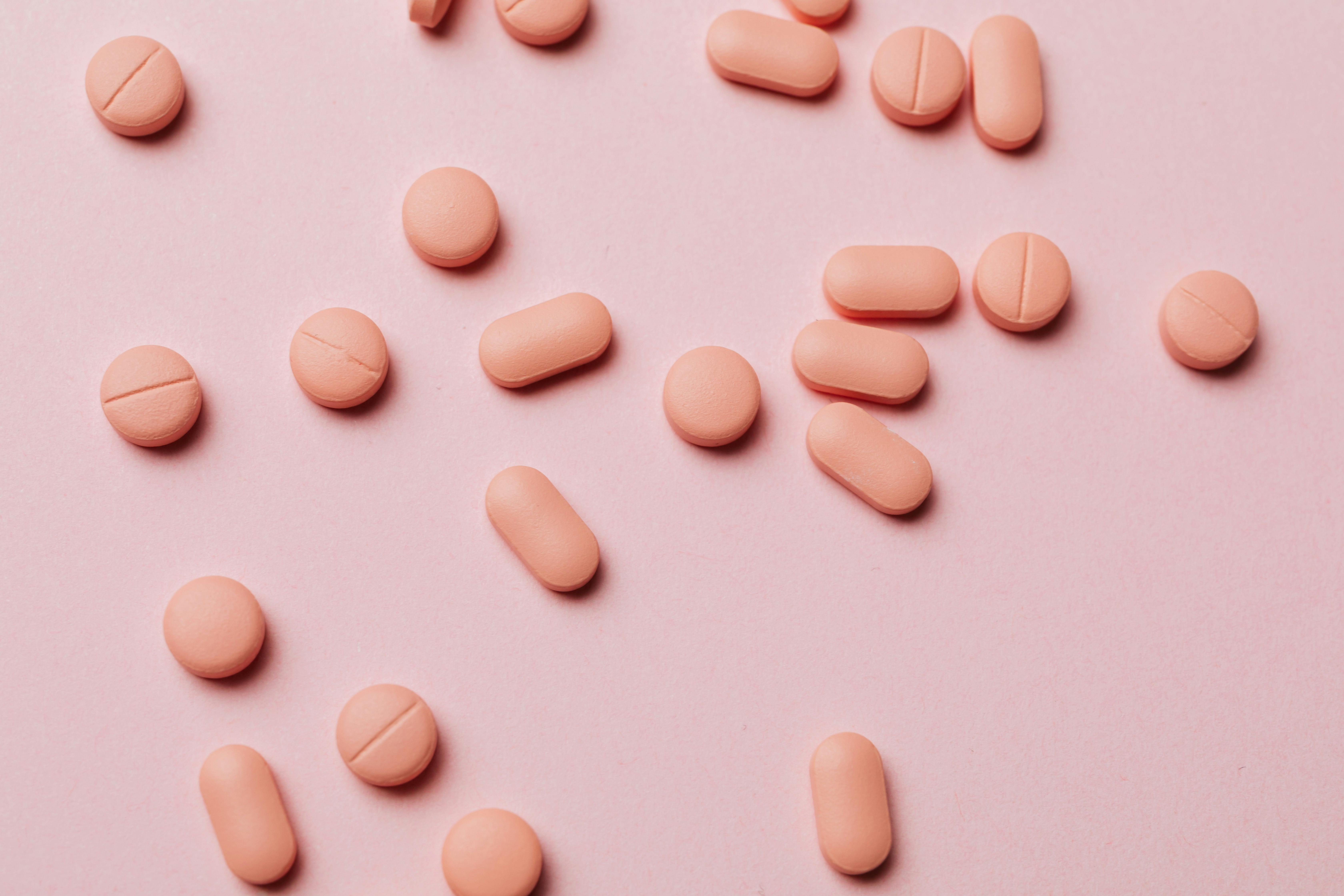
Hydroxyzine is a prescription antihistamine. You may know it by its former brand names Atarax or Vistaril. Branded hydroxyzine is no longer available in the U.S., and it is now sold as a generic. Hydroxyzine is used to relieve itching from allergic skin reactions, to ease anxiety and tension, and as a sedative before and after surgery.
It primarily works by blocking histamine, the substance behind allergy symptoms, which also tends to make you drowsy. Hydroxyzine also weakly affects serotonin, which may contribute to its anti-anxiety effects, although its full mechanism is not completely understood. More broadly, it has central nervous system-depressant effects, which slow brain activity and contribute to sedation.
Hydroxyzine typically works quickly. Its prescribing information notes that clinical effects are usually felt within 15 to 30 minutes of taking a dose by mouth, although how soon it provides anxiety relief may vary between people.
Unlike some other anxiety medications, hydroxyzine is not a controlled substance and does not carry the same dependence and misuse risks as benzodiazepines. That is part of its appeal. Our comparison of hydroxyzine and Xanax covers how the two differ.
Why Mixing Hydroxyzine and Alcohol Could Be Risky
Alcohol is a depressant. It changes mood, behavior, and self-control, and it interferes with memory, clear thinking, and physical coordination.
Hydroxyzine does something similar. Both quiet the central nervous system, which is the network that controls alertness, balance, and breathing. When you take them together, those effects can increase.
The medication's label states this plainly. It states that the potentiating action of hydroxyzine must be considered when the drug is used alongside central nervous system depressants, and that patients should be told the effect of alcohol may be increased. The label also warns against driving or operating machinery while taking it.
Other sources also indicate possible interactions. The National Institute on Alcohol Abuse and Alcoholism (NIAAA), the federal agency that studies alcohol and health, lists hydroxyzine among medications that can interact with alcohol, with possible reactions including drowsiness, dizziness, and increased risk of overdose.
There is also some direct research on this pairing, though it is limited. A 2014 study asked 24 healthy volunteers to come in on six separate occasions. On different visits, they took alcohol on its own, or alcohol together with one of three antihistamines. Hydroxyzine, at a 25 mg dose, was one of them. Researchers then measured things like hand coordination, reaction speed, and the ability to concentrate. Every combination made those measures worse. Of the ones tested, hydroxyzine with alcohol appeared to cause the greatest and most persistent psychomotor impairment, and its effects seemed to last the longest.
In a small controlled driving-related study, hydroxyzine 50 mg impaired several measures of cognitive and psychomotor performance, and the combination with a social dose of alcohol produced significant impairment compared with placebo. Because the study involved only 18 healthy male volunteers and used hydroxyzine as a positive control, it provides supportive but limited evidence about real-world alcohol interactions.
Both studies were small, used healthy volunteers, and tested single doses in a lab rather than everyday use. They support concern about impairment, but they cannot tell you how a particular dose will affect you on a particular evening.
What Can Happen When You Combine Them
Effects vary from person to person and dose to dose. These are the ones health agencies and prescribing labels flag most often:
Heavy drowsiness: Combining hydroxyzine and alcohol may increase drowsiness compared with either substance alone.
Dizziness and poor balance: These effects, too, may increase, which in turn raise the risk of falls, especially among older people.
Slower coordination and reaction time: The combination can impair skills needed for driving and other activities requiring alertness, even if the degree of impairment is not obvious to you.
Trouble thinking clearly: Memory gaps and confusion are both possible, and confusion appears to be more common in older adults. The 2023 AGS Beers Criteria supports avoiding first-generation antihistamines such as hydroxyzine in most older adults over 65 because of their strong anticholinergic properties and the increased risk of confusion and other adverse effects.
Higher overdose risk: The NIAAA includes this as a possible outcome for hydroxyzine combined with alcohol.
Slowed breathing: Large amounts of alcohol, high medication doses, or combinations with other sedating substances can lead to dangerous sedation and, in severe cases, problems with breathing. Seek emergency care if someone is difficult to wake or has slow, shallow, or irregular breathing.
One detail worth holding onto: feeling drowsy and knowing how impaired you are is not the same thing. Volunteers in these studies did report noticing the effects, and their measured coordination and reaction time still came out worse than with alcohol alone.
Who Faces the Most Risk
Some people have more reason to be careful than others:
Older adults: Hydroxyzine is generally not recommended for adults 65 and older, because safer options usually exist. Confusion is also a more common side effect in this group.
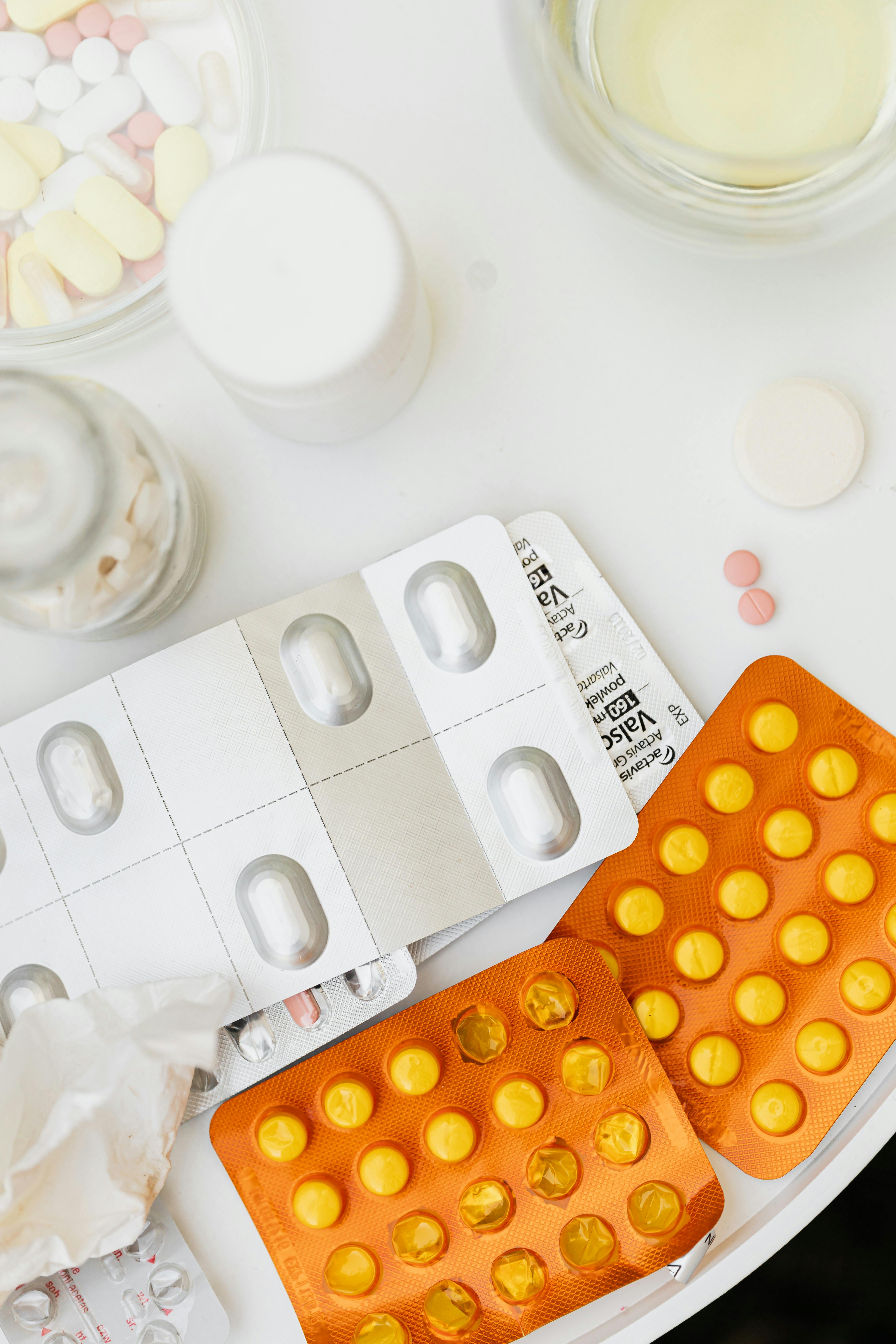
Anyone taking other sedating medications: The label says that when central nervous system depressants are used alongside hydroxyzine, their dose should be reduced. That category includes sleep aids, opioid pain medications, muscle relaxants, and benzodiazepines. Your clinician may need to adjust doses or monitor you more closely when these medicines are combined.
People who are pregnant or breastfeeding: Product labeling advises against hydroxyzine use during pregnancy and breastfeeding because safety data are limited. Newer reviews suggest the risks may depend on timing, dose, and duration of exposure. If you're pregnant, planning pregnancy, or breastfeeding, discuss hydroxyzine and alcohol use with your healthcare professional rather than changing treatment on your own.
People with heart rhythm concerns: Hydroxyzine can affect the heart's electrical timing, so a history of prolonged QT interval is worth telling your prescriber about.
Anyone who drinks heavily or binge drinks: Larger amounts of alcohol increase the risk of severe impairment and alcohol overdose, and hydroxyzine can add to the sedating effects. For context on what counts as one drink, the NIAAA defines a standard drink as 12 ounces of regular beer, 5 ounces of wine, or 1.5 ounces of distilled spirits. Mixed drinks and generous pours often contain more than one.
How Long Should You Wait?
This is the most common question, and there is no singular answer for it.
Hydroxyzine starts working within 15 to 30 minutes, but the sedating effect can linger well past the point where you feel its clinical effects. Some people may even notice grogginess the next morning. This is because its average half-life is about 20 hours in adults, which may go up to 29 hours in older adults. How long the drug stays active in your body depends on your dose, how often you take it, your age, and individual metabolism.
That is why there is no universally established waiting period after taking hydroxyzine that guarantees ‘safe’ alcohol consumption. Because hydroxyzine can remain in the body for many hours and individual responses vary, ask your prescriber or pharmacist about your specific situation.
A few things to raise when you ask:
How much hydroxyzine you take, and whether you take it daily or only as needed
What else you take that causes drowsiness
How much you typically drink, and how often
Whether you drive, work with machinery, or care for young children
If you take hydroxyzine only occasionally for situational anxiety, your prescriber may give you different guidance than if you take it nightly.
One more thing worth saying. Some people quietly skip a dose so they can drink. That can leave your anxiety untreated on exactly the evening you were counting on the medication, and skipping a dose doesn’t necessarily make it “safer” to drink. Bring it up instead, and let your prescriber guide you on what applies to your situation.
When to Seek Medical Attention
Call 911 or get emergency help if someone who has taken hydroxyzine and alcohol shows any of these signs:
Slow, shallow, or irregular breathing
Cannot be woken up, or drifts in and out of consciousness
Seizures
Chest pain or an irregular heartbeat
Repeated vomiting, especially while very drowsy
Skin that looks blue, gray, or unusually pale
Severe drowsiness, nausea, vomiting, and seizures are among the listed signs of hydroxyzine overdose. These effects can also occur with alcohol overdose, other CNS depressants, or combinations.
Do not leave someone alone to sleep it off if you are worried about them. If they are unconscious, turn them on their side so they do not choke if they vomit, and stay with them until help arrives.
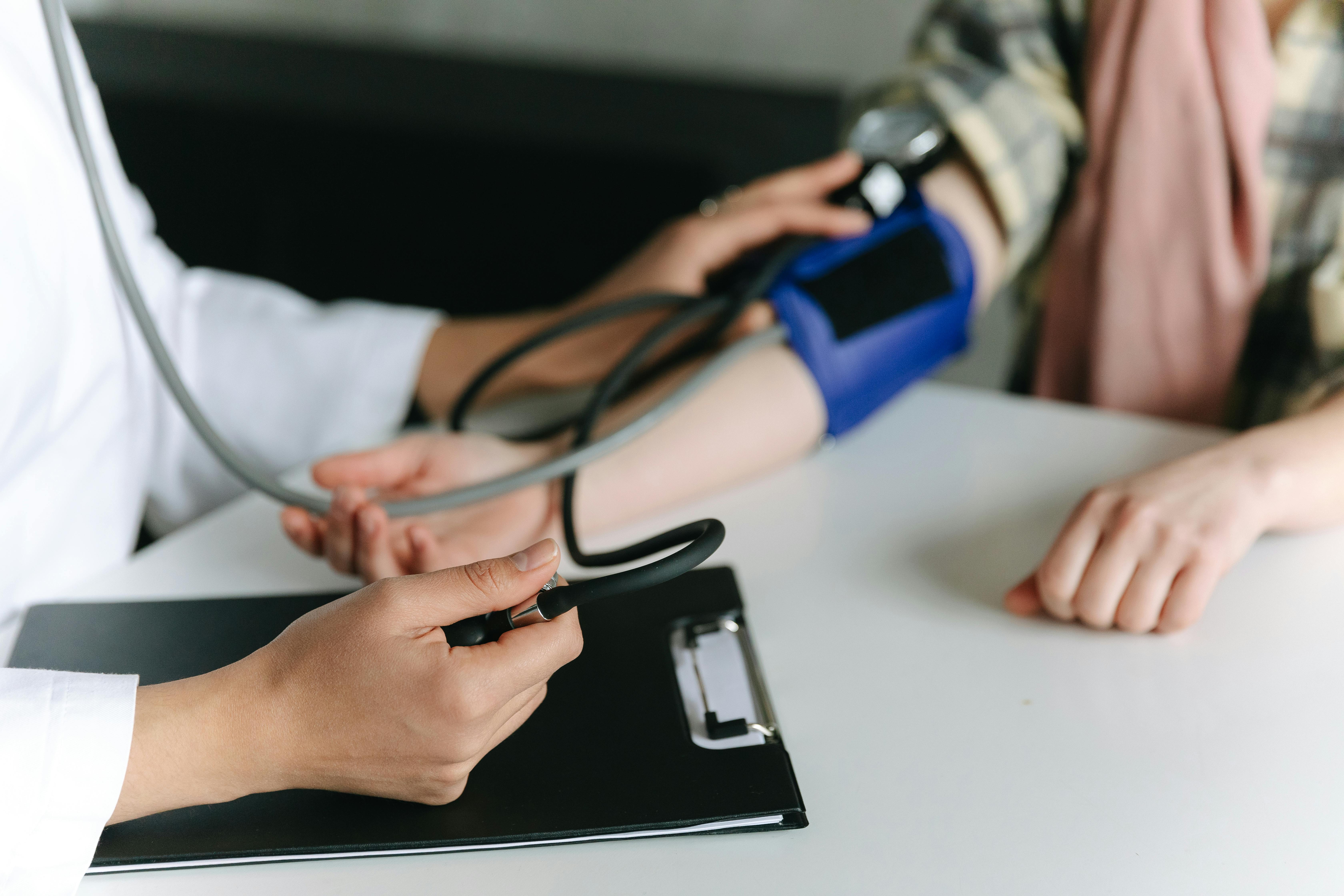
For non-emergencies, call your prescriber or a pharmacist. Unusual grogginess the next day, worsening anxiety, or side effects that feel new are all worth a phone call, not a wait-and-see.
Talking to Your Provider
Drinking is common, so this isn’t an unusual concern to raise with your provider. NIAAA figures from 2024 show that about 66.5% of U.S. adults had a drink in the past year, and 21.7% reported binge drinking in the past month. Because alcohol use is common, it's important to give your prescriber an accurate picture of how much and how often you drink.
Be straightforward about how much you actually drink. A prescriber who knows how much and how often you drink can help you decide whether hydroxyzine is appropriate, whether alcohol should be avoided, or whether another treatment would be a better fit.
If hydroxyzine and your drinking habits do not fit well together, there are other paths. Our overview of non-addictive anxiety medications walks through alternatives worth raising.
How Blossom Health Can Help
Blossom Health is a telehealth platform that connects you with board-certified psychiatric providers for virtual visits that are covered by insurance. Our providers evaluate, make diagnoses, prescribe anxiety medications when appropriate, and monitor progress to help achieve your treatment goals.
An initial psychiatric appointment usually lasts for about an hour, while follow-up appointments are typically shorter. Answer a few questions to verify your coverage and get started with Blossom Health.
Medical Disclaimer
This article is for informational purposes only and is not a substitute for professional medical advice. Always consult a qualified healthcare provider before starting, changing, or stopping any medication. If you are experiencing a mental health crisis, call or text the 988 Suicide and Crisis Lifeline.
Sources
MedlinePlus, U.S. National Library of Medicine. (February 15, 2026). Hydroxyzine. https://medlineplus.gov/druginfo/meds/a682866.html
MedlinePlus, U.S. National Library of Medicine. (July 27, 2026). Alcohol. https://medlineplus.gov/alcohol.html
National Institute on Alcohol Abuse and Alcoholism. (Revised 2014). Harmful Interactions: Mixing Alcohol With Medicines. https://www.niaaa.nih.gov/publications/brochures-and-fact-sheets/harmful-interactions-mixing-alcohol-with-medicines
National Institute on Alcohol Abuse and Alcoholism. (August 2025, 2024 NSDUH data). Alcohol Use in the United States: Age Groups and Demographic Characteristics. https://www.niaaa.nih.gov/alcohols-effects-health/alcohol-topics/alcohol-facts-and-statistics/alcohol-use-united-states-age-groups-and-demographic-characteristics
National Institute on Alcohol Abuse and Alcoholism. (December 2025). What Is a Standard Drink? https://www.niaaa.nih.gov/alcohols-effects-health/overview-alcohol-consumption/what-standard-drink
Mayo Clinic. (September 1, 2026). Hydroxyzine (Oral Route): Description and Brand Names. https://www.mayoclinic.org/drugs-supplements/hydroxyzine-oral-route/description/drg-20311434
DailyMed, U.S. National Library of Medicine. (June 20, 2006). Atarax (hydroxyzine hydrochloride) tablet and syrup prescribing information. https://dailymed.nlm.nih.gov/dailymed/drugInfo.cfm?setid=7eaf5043-5c73-47af-904b-8e1fae02af2e
DailyMed, U.S. National Library of Medicine. (October 25, 2024). Hydroxyzine hydrochloride film coated tablet prescribing information. https://dailymed.nlm.nih.gov/dailymed/drugInfo.cfm?setid=89901966-724b-4773-98b8-ea663ceabd53
García-Gea C, Martínez J, Ballester MR, Gich I, Valiente R, Antonijoan RM. (March 2014). Psychomotor and subjective effects of bilastine, hydroxyzine, and cetirizine, in combination with alcohol: a randomized, double-blind, crossover, and positive-controlled and placebo-controlled Phase I clinical trials. Human Psychopharmacology, 29(2), 120-132. doi:10.1002/hup.2378. https://pubmed.ncbi.nlm.nih.gov/24395298/
Ridout F, Shamsi Z, Meadows R, Johnson S, Hindmarch I. (2003). A single-center, randomized, double-blind, placebo-controlled, crossover investigation of the effects of fexofenadine hydrochloride 180 mg alone and with alcohol, with hydroxyzine hydrochloride 50 mg as a positive internal control, on aspects of cognitive and psychomotor function related to driving a car. Clinical Therapeutics. PMID 12867226, doi:10.1016/s0149-2918(03)80137-6. https://pubmed.ncbi.nlm.nih.gov/12867226/