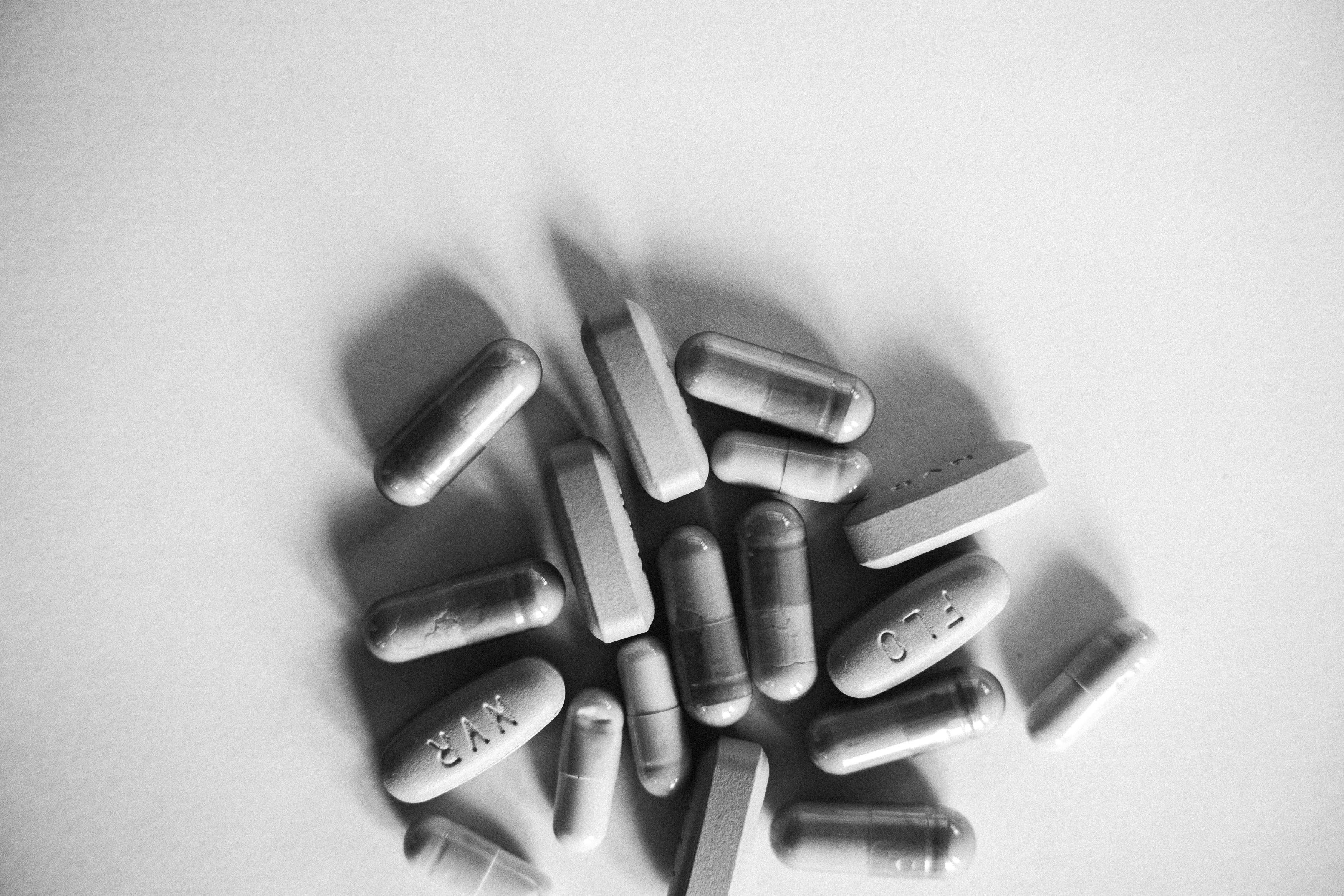
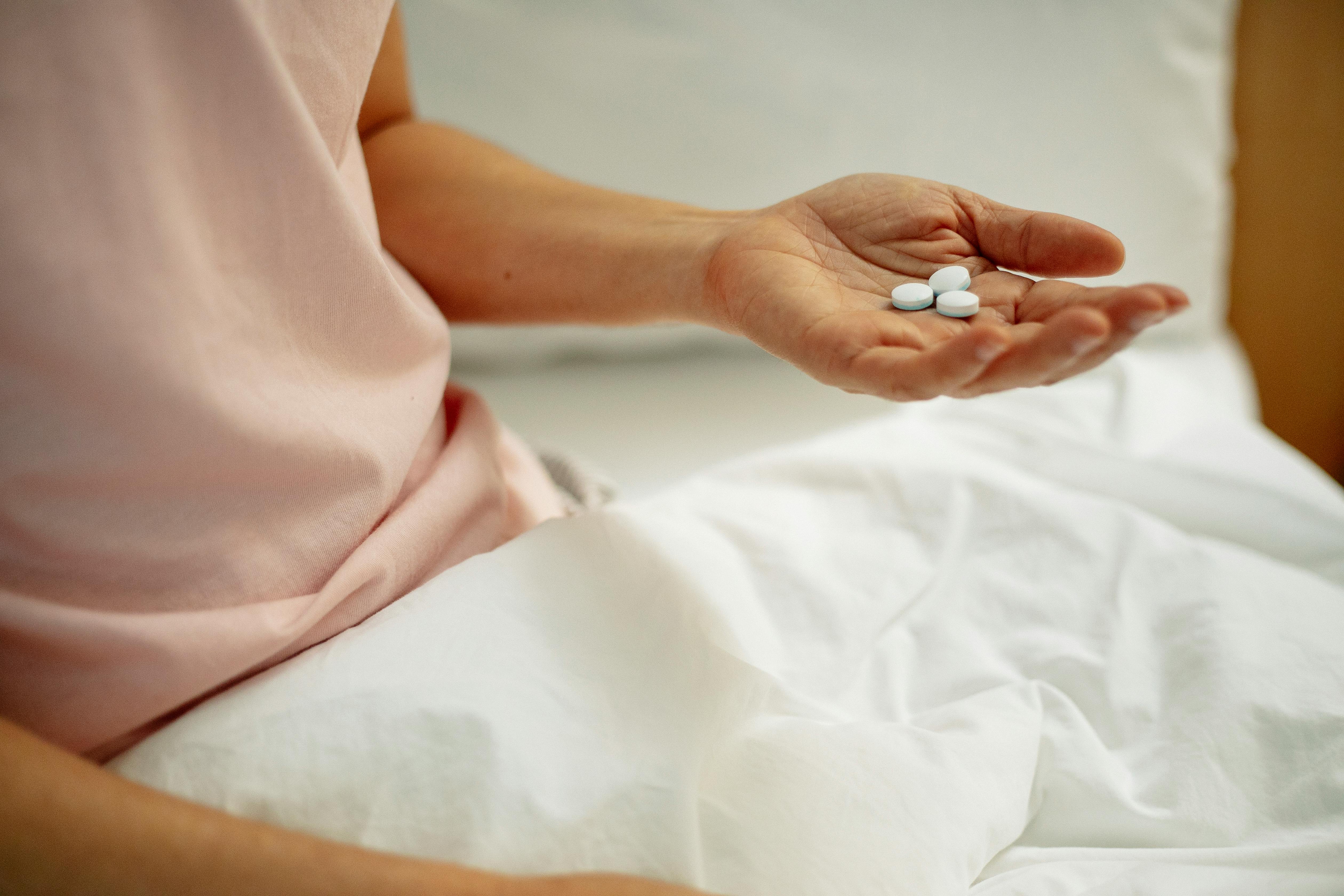
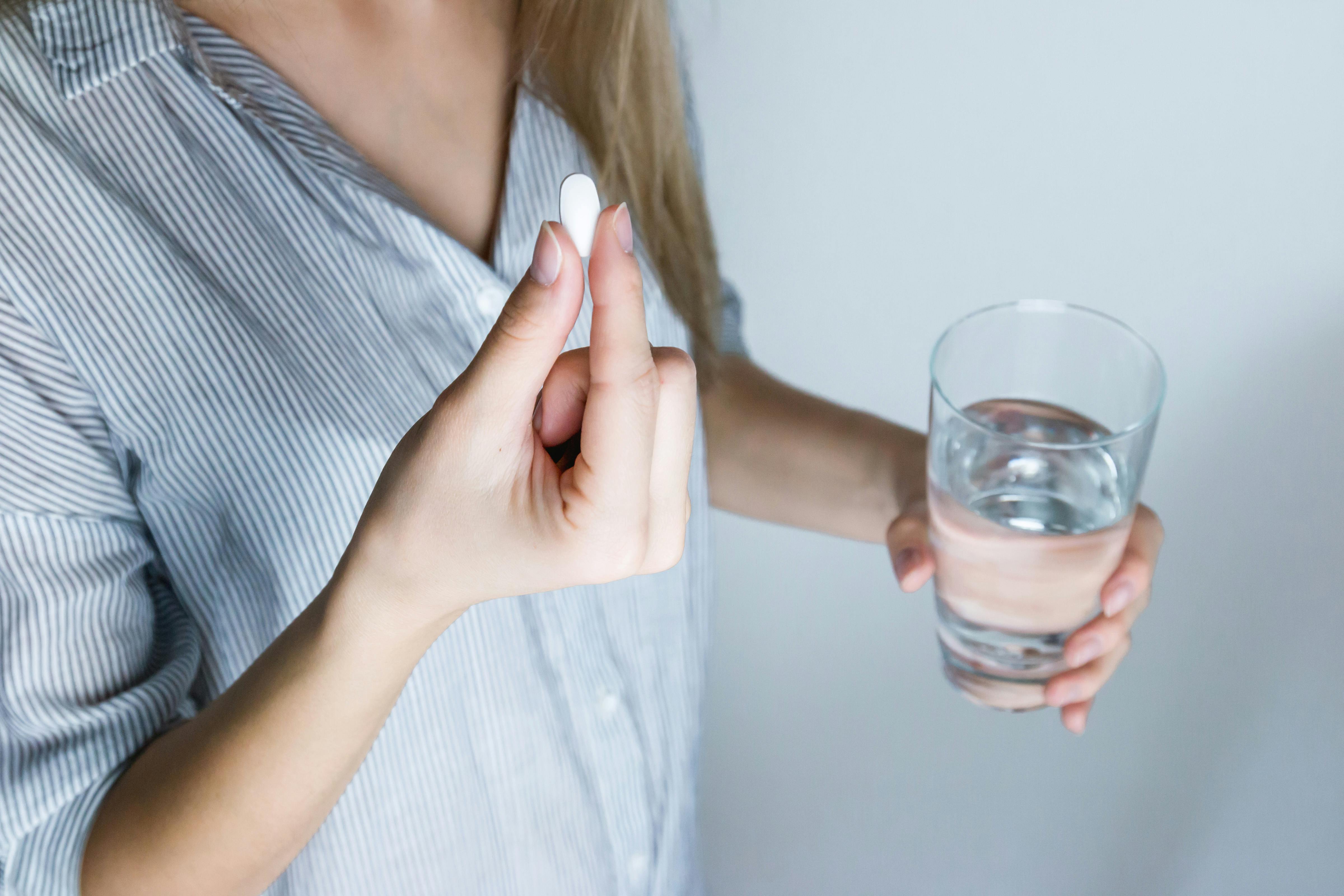
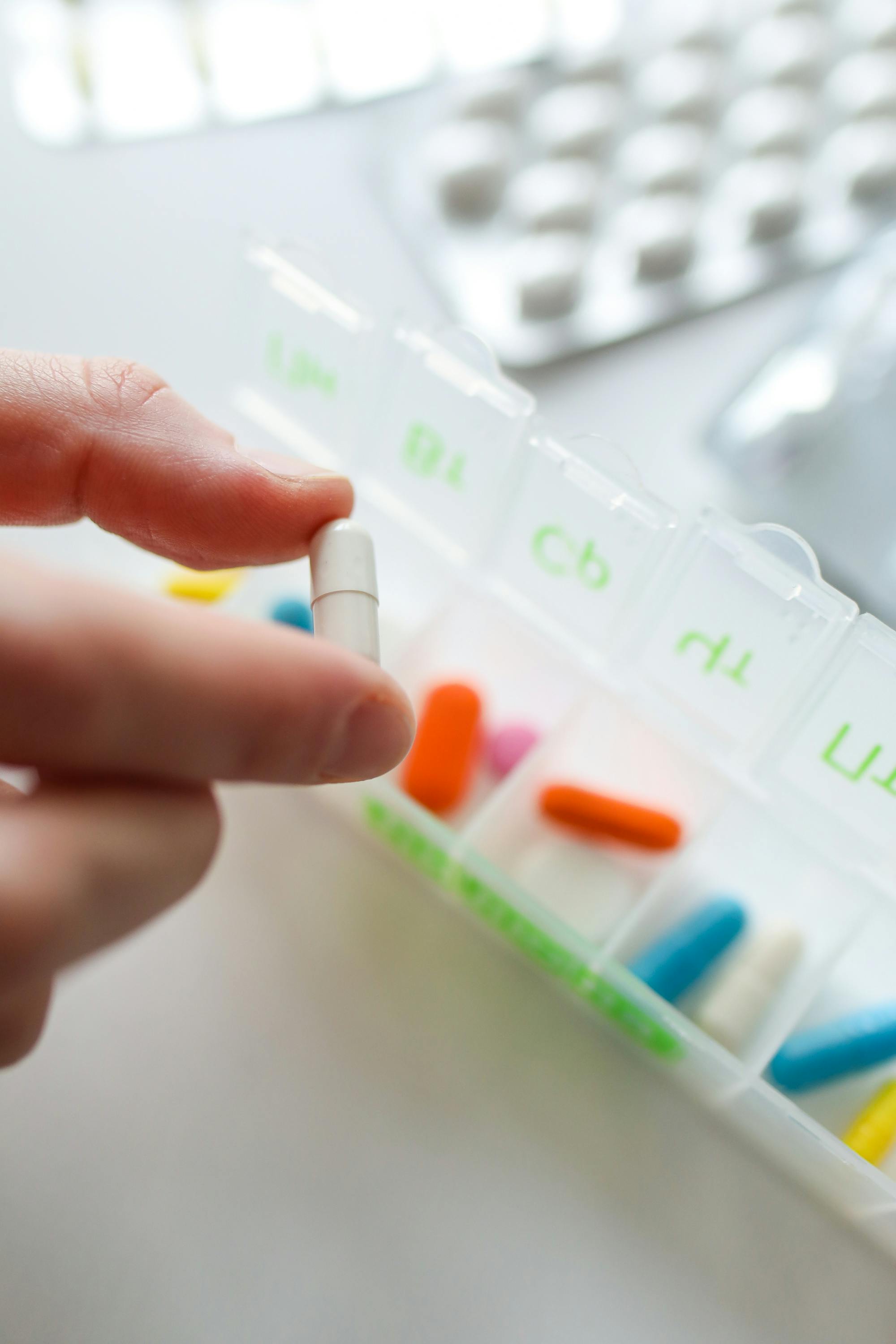
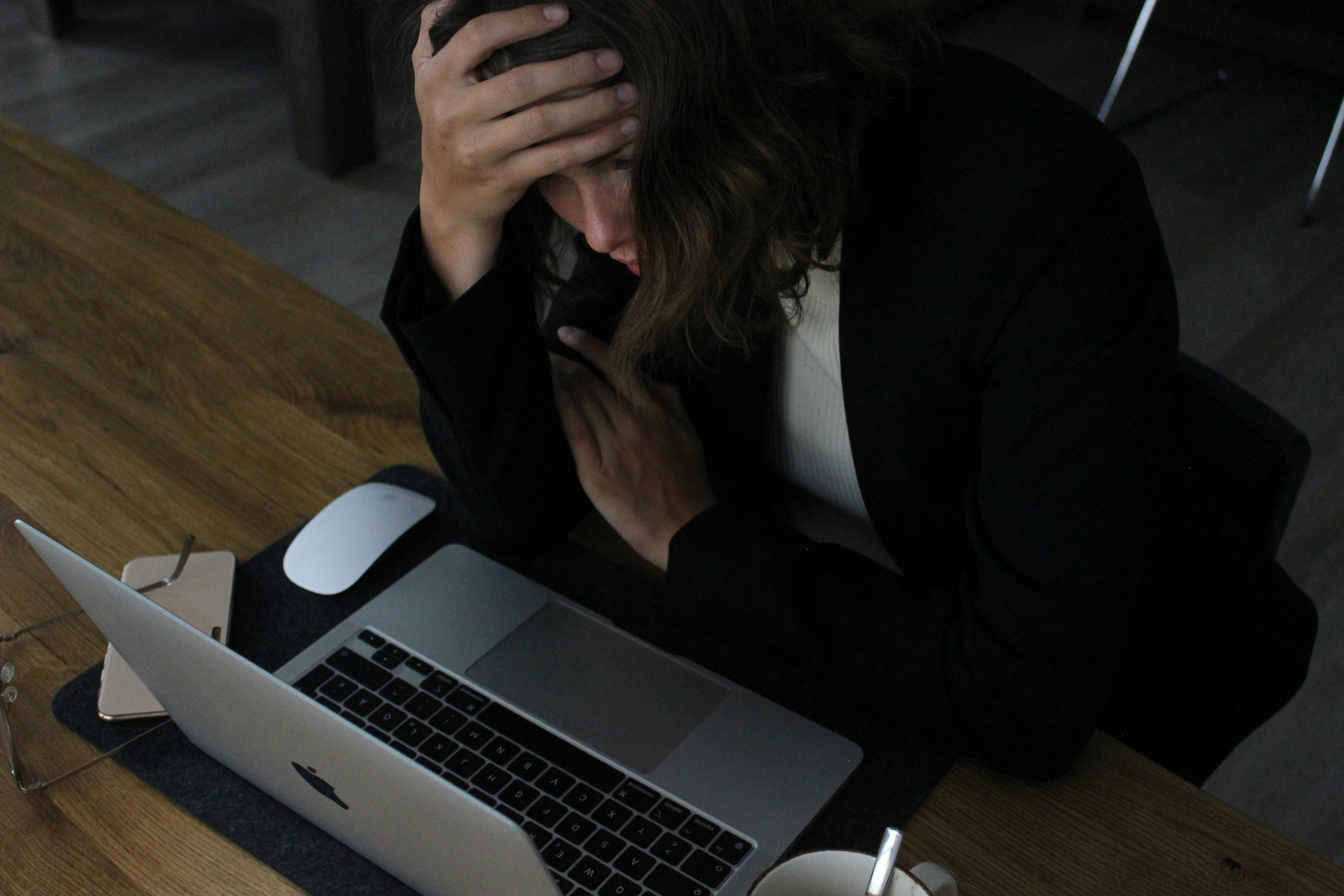
Buspirone (brand name BuSpar) is a prescription medication used to treat anxiety. Many people who take it wonder whether it's safe to have an occasional drink. While research suggests buspirone may interact with alcohol less strongly than some other anxiety medications, official guidance still recommends avoiding the combination.
Understanding why that advice exists, and what mixing the two can do, can help you make informed choices and have a more open conversation with your prescriber.
Key Takeaways
Avoiding alcohol is the standard advice: Official prescribing information recommends avoiding alcohol while taking buspirone, as do major medical resources.
The combination can increase drowsiness and dizziness: Buspirone is generally less sedating than benzodiazepines, but alcohol may still add to its side effects.
Alcohol can work against anxiety treatment: Drinking to cope with anxiety may make symptoms harder to manage over time. Talking openly with your provider about alcohol use can help you find an approach that supports your treatment.
What Is Buspirone?
Buspirone is an anti-anxiety medication approved to treat generalized anxiety disorder (GAD), a condition marked by persistent, hard-to-control worry. It belongs to a different drug class than selective serotonin reuptake inhibitors (SSRIs) and benzodiazepines, and it works differently from both.
Before looking at alcohol specifically, it helps to understand what makes buspirone unique.
How Buspirone Works
Scientists don't fully understand how buspirone relieves anxiety. Research suggests it acts mainly on serotonin 5-HT1A receptors, which are involved in regulating mood and stress, with weaker effects on dopamine receptors.
Unlike benzodiazepines such as Xanax or Ativan, buspirone does not act on GABA receptors, the brain's main "calming" system. This is one reason it is considered less sedating and has a low potential for misuse, which is why it often appears on lists of non-addictive anxiety medication.
How Long Buspirone Takes to Work
Buspirone is not an "as-needed" medication. It's usually taken every day, two or three times daily, and the dose is adjusted gradually.
Many people begin to notice benefits after about two to four weeks of consistent use, and it may take several weeks to reach a dose that works for you.
Can You Drink Alcohol on Buspirone?
The general recommendation is to avoid alcohol while taking buspirone. However, the reasons are a little more nuanced than with many other psychiatric medications.
What the Research Shows
Early controlled studies looked at how buspirone and alcohol affect coordination and mental performance when taken together. In one double-blind study of healthy volunteers, buspirone did not worsen alcohol's effects on objective performance tests, while lorazepam (a benzodiazepine) did. However, buspirone caused drowsiness and fatigue in the study.
The official prescribing information of BuSpar also notes that buspirone did not increase alcohol related impairment in formal studies. Even so, the same label advises that avoiding alcohol while taking buspirone is a prudent approach.
Why Experts Still Recommend Avoiding Alcohol
Small studies in healthy volunteers can't predict how every person will respond to buspirone and alcohol. The prescribing information label notes that buspirone's effects on the brain may not be predictable in any individual patient.
Buspirone can add to the effects of alcohol and other substances that slow the central nervous system. This is why avoiding alcohol remains the recommended approach, even though early studies found limited evidence of increased impairment.
Potential Effects of Mixing Buspirone and Alcohol
Because responses vary, some people may feel little difference while others may notice relatively stronger side effects. Possible effects of combining the two include:
Increased drowsiness: Alcohol may add to the sleepiness some people feel on buspirone.
Dizziness or lightheadedness: Both substances can cause dizziness, which may raise the risk of falls, especially in older adults.
Slowed reaction time: Even mild impairment can make driving or operating machinery unsafe.
Worsened anxiety the next day: Heavy drinking can cause rebound anxiety, sometimes called "hangxiety."
Difficulty tracking treatment progress: Alcohol can mask or mimic changes in mood, making it difficult to tell whether buspirone is helping.
The National Institute on Alcohol Abuse and Alcoholism (NIAAA) lists buspirone among anxiety medications that may interact harmfully with alcohol interactions. The risks reported include drowsiness, dizziness, and impaired motor control for that group of drugs.
How Alcohol Affects Anxiety
Beyond the direct interaction with buspirone, alcohol can affect anxiety symptoms on its own.. Many people drink to relax or take the edge off, which can make cutting back feel difficult.
Short-Term Relief, Long-Term Strain
Alcohol may temporarily ease anxious feelings, but the relief can be short-lived. Research suggests that even a single episode of heavy drinking can trigger anxiety-like symptoms afterward, even in people who don't have an anxiety disorder.
Over time, drinking to cope can make both anxiety and alcohol use harder to manage. Estimates suggest alcohol use disorder affects 20% to 40% of people being treated for anxiety disorders.
How Common Are Anxiety and Alcohol Problems Together?
Anxiety disorders and alcohol use problems often occur together. A 2019 research review found that people with anxiety disorders who drank to cope had a much higher risk of developing alcohol dependence over the following years.
That same review reported that after residential treatment for alcohol problems, 52% of people with anxiety or mood disorders returned to drinking within four months, compared with 21% of people without these conditions. These numbers highlight why treating anxiety and alcohol use together can be important.
Can Buspirone Help People Who Drink?
Buspirone has low misuse potential and may have less effect on alcohol-related impairment than some other anxiety medications. Researchers have explored it for people who have both anxiety and alcohol use problems. However, the results have been mixed.
A systematic review of medications for co-occurring anxiety and alcohol use disorders found the evidence too limited to determine whether specific medications, including buspirone, are effective. In practice, this means decisions are made case by case with a prescriber, often alongside therapy and support for alcohol use.
Tips If You're Taking Buspirone and Thinking About Drinking
If you're on buspirone, these practical steps can help you stay safe and get the most from treatment:
Talk to your prescriber first: Share how much and how often you drink so your provider can give advice that fits your health history.
Wait until you know how buspirone affects you: The label advises against driving or using complex machinery until you're reasonably certain the medication doesn't impair you.
Know what counts as one drink: A standard drink in the U.S. is 12 ounces of regular beer, 5 ounces of wine, or 1.5 ounces of distilled spirits.
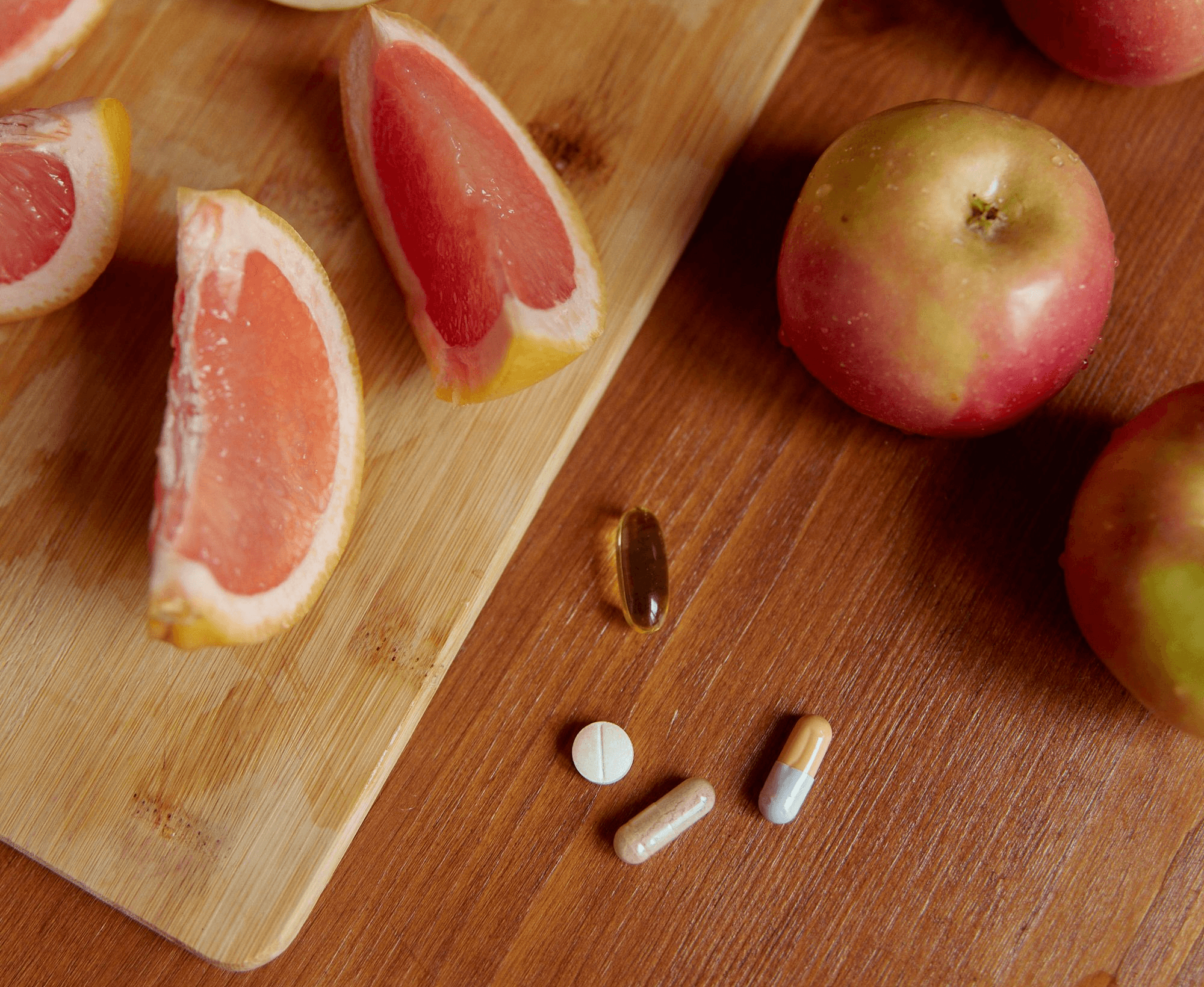
Check for other interactions: Large amounts of grapefruit juice can sharply raise buspirone levels, and some medications can affect how it is broken down.
Don't skip doses to drink: Stopping and restarting buspirone can make it harder to reach a steady, effective level. Changing your dosing schedule without medical guidance may interfere with treatment. Ask your prescriber how to manage your medication safely.
Notice why you want to drink: If alcohol has become a main way of coping with anxiety, discussing this with your provider can help you explore other ways to manage symptoms.
If you take other psychiatric medications, the same caution often applies. Similar questions come up with Lexapro and alcohol and with Prozac and alcohol. Alcohol interactions vary by medication, so it's worth checking with your prescriber about your full treatment plan.
When to Seek Medical Attention
Most people who take buspirone tolerate it well, but certain symptoms after mixing it with alcohol may call for prompt care. Reach out to a healthcare provider or seek emergency help if you notice:
Severe dizziness, fainting, or confusion after drinking while on buspirone
Signs of serotonin syndrome, such as agitation, rapid heartbeat, high fever, muscle stiffness, or tremor, especially if you take other serotonin-affecting drugs
Very high blood pressure symptoms, such as a severe headache or chest pain, particularly if you have recently taken an monoamine oxidase inhibitor (MAOI)
Difficulty controlling your drinking, including drinking more than intended or feeling unable to cut back
Thoughts of harming yourself, which call for immediate support by calling or texting 988
Excessive alcohol use is linked to about 178,000 deaths in the United States each year. If you're worried about your drinking, the National Helpline offers free, confidential support 24 hours a day at 1-800-662-4357.
How Blossom Health Can Help With Buspirone and Alcohol Questions
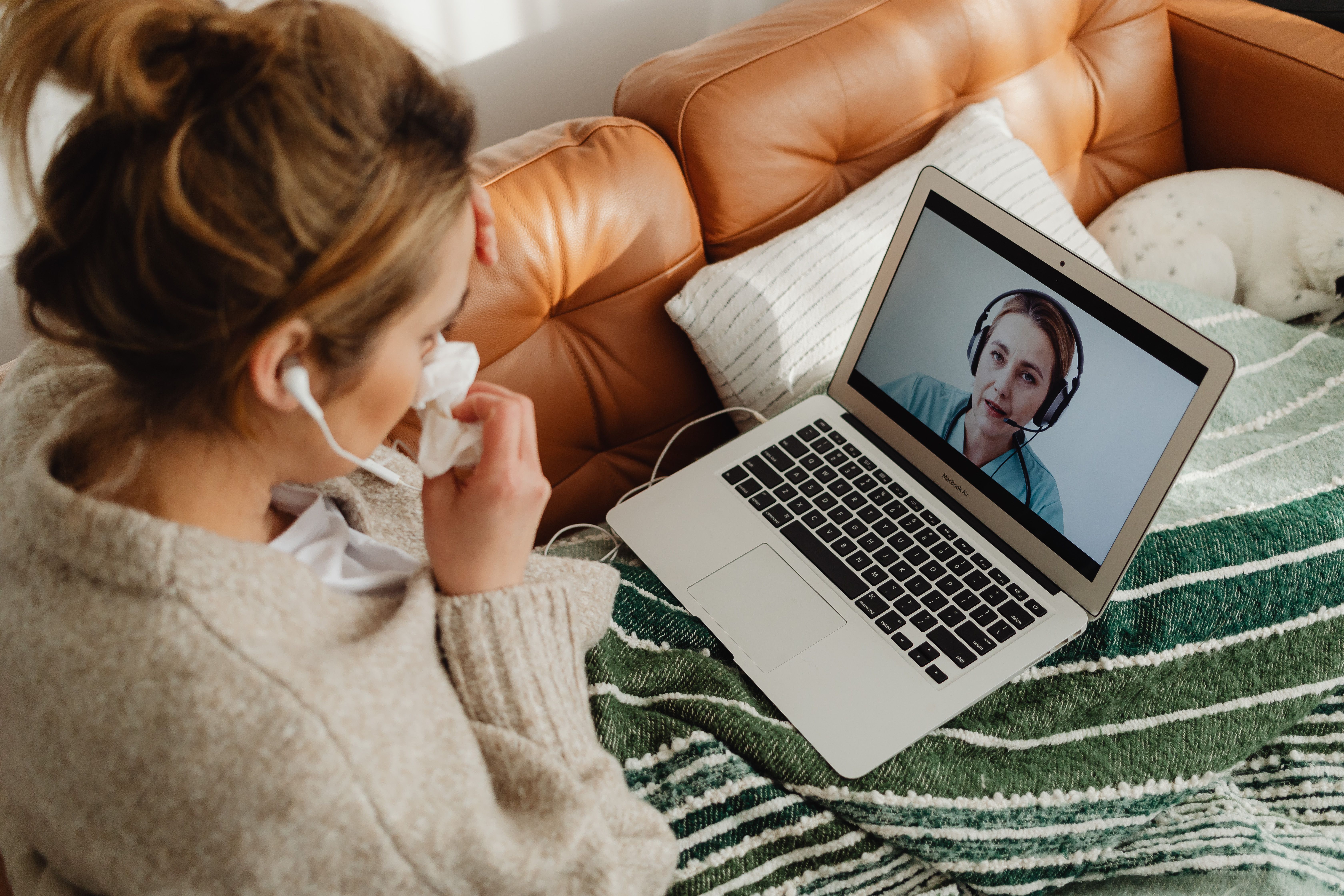
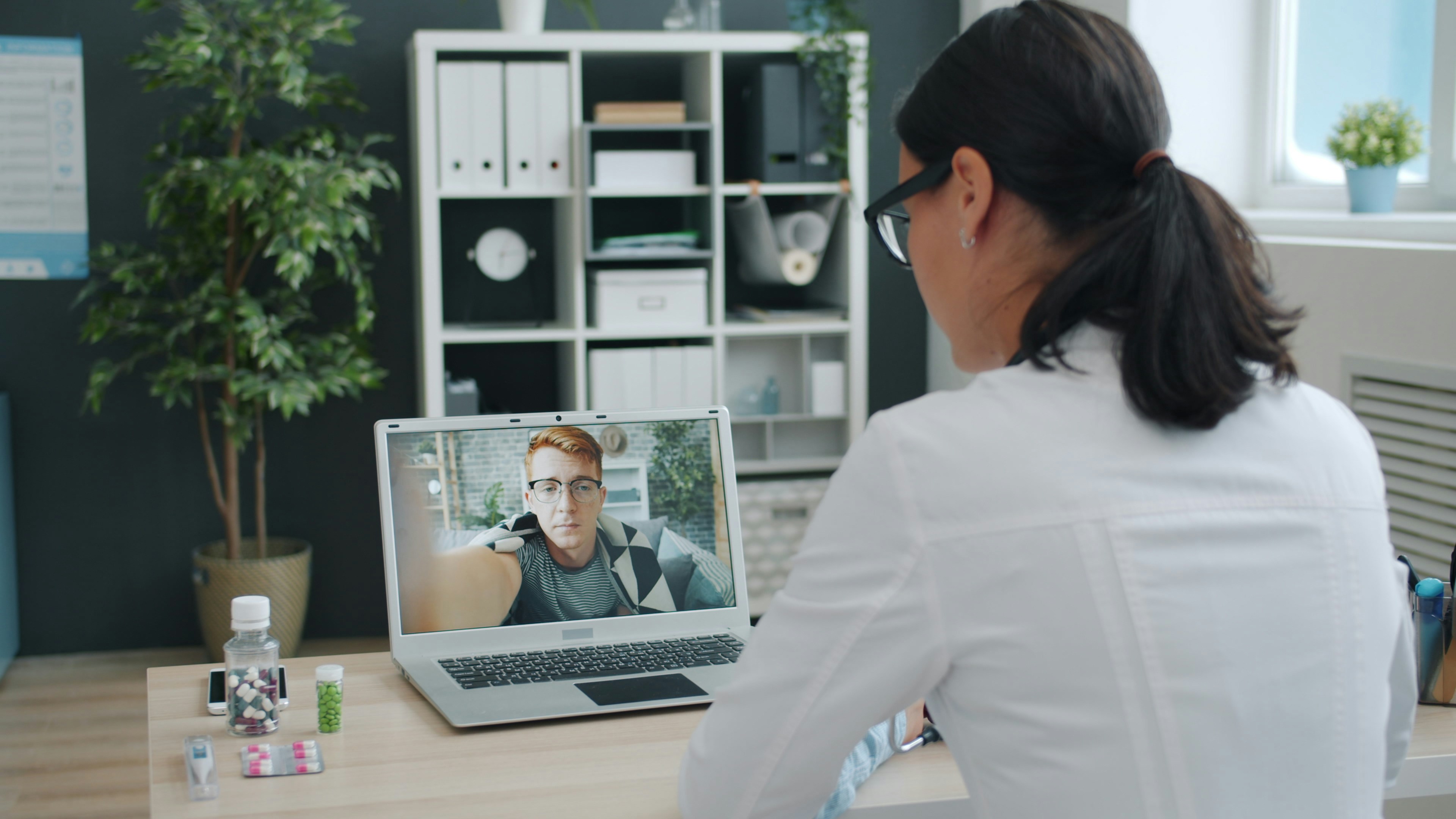
Questions about buspirone and alcohol are easier to answer when you have a provider who understands your health history and treatment goals. Blossom Health connects you with licensed psychiatric providers for virtual care, with in-network insurance coverage available for eligible plans.
During your first hour-long video visit, your provider can help review your symptoms, medications, health history, and goals, including any concerns about alcohol. Together, you can decide whether buspirone is the right fit, adjust your plan as needed, and explore other options if it isn't. Providers can prescribe medication, and your coverage will depend on your insurance plan.
If anxiety is holding you back, you can get started with Blossom Health to explore your care options.
Medical Disclaimer
This article is for informational purposes only and is not a substitute for professional medical advice. Always talk with your healthcare provider before making changes to your medications or alcohol use. If you are in crisis, call or text 988 to reach the 988 Suicide and Crisis Lifeline, or call 911 in an emergency.
Sources
1. U.S. Food and Drug Administration. (November 2010). BuSpar (buspirone HCl, USP) tablets prescribing information. https://www.accessdata.fda.gov/drugsatfda_docs/label/2010/018731s051lbl.pdf
2. DailyMed, National Library of Medicine. (June 2026). Buspirone hydrochloride tablet label. https://dailymed.nlm.nih.gov/dailymed/drugInfo.cfm?setid=7c9eafb9-9ce1-4b28-900c-8fcb4b23424e
3. MedlinePlus, National Library of Medicine. (March 15, 2026). Buspirone. https://medlineplus.gov/druginfo/meds/a688005.html
4. Wilson TK, Tripp J. (January 17, 2023). Buspirone. StatPearls, NCBI Bookshelf. https://www.ncbi.nlm.nih.gov/books/NBK531477/
5. Mayo Clinic. (October 01, 2026). Buspirone (oral route): Precautions. https://www.mayoclinic.org/drugs-supplements/buspirone-oral-route/precautions/drg-20062457
6. National Institute on Alcohol Abuse and Alcoholism. (2014). Harmful interactions: Mixing alcohol with medicines. https://www.niaaa.nih.gov/publications/brochures-and-fact-sheets/harmful-interactions-mixing-alcohol-with-medicines
7. National Institute on Alcohol Abuse and Alcoholism. (May 08, 2025). Mental health issues: Alcohol use disorder and common co-occurring conditions. https://www.niaaa.nih.gov/health-professionals-communities/core-resource-on-alcohol/mental-health-issues-alcohol-use-disorder-and-common-co-occurring-conditions
8. Anker JJ, Kushner MG. (2019). Co-occurring alcohol use disorder and anxiety: Bridging psychiatric, psychological, and neurobiological perspectives. Alcohol Research: Current Reviews, 40(1). https://arcr.niaaa.nih.gov/media/106/download
9. Mattila MJ, Aranko K, Seppälä T. (1982). Acute effects of buspirone and alcohol on psychomotor skills. Journal of Clinical Psychiatry, 43(12), 56 to 60. https://trid.trb.org/View/352219
10. Ipser JC, Wilson D, Akindipe TO, Sager C, Stein DJ. (2015). Pharmacotherapy for anxiety and comorbid alcohol use disorders. Cochrane Database of Systematic Reviews (summary via Healthy People 2030, ODPHP). https://odphp.health.gov/healthypeople/tools-action/browse-evidence-based-resources/pharmacotherapy-anxiety-and-comorbid-alcohol-use-disorders
11. National Institute on Alcohol Abuse and Alcoholism. (December 2025). What is a standard drink? https://www.niaaa.nih.gov/alcohols-effects-health/what-standard-drink
12. Centers for Disease Control and Prevention. (January 14, 2025). Alcohol use and your health. https://www.cdc.gov/alcohol/about-alcohol-use/
13. Substance Abuse and Mental Health Services Administration. (March 25, 2026). National Helpline for mental health, drug, alcohol issues. https://www.samhsa.gov/find-help/helplines/national-helpline