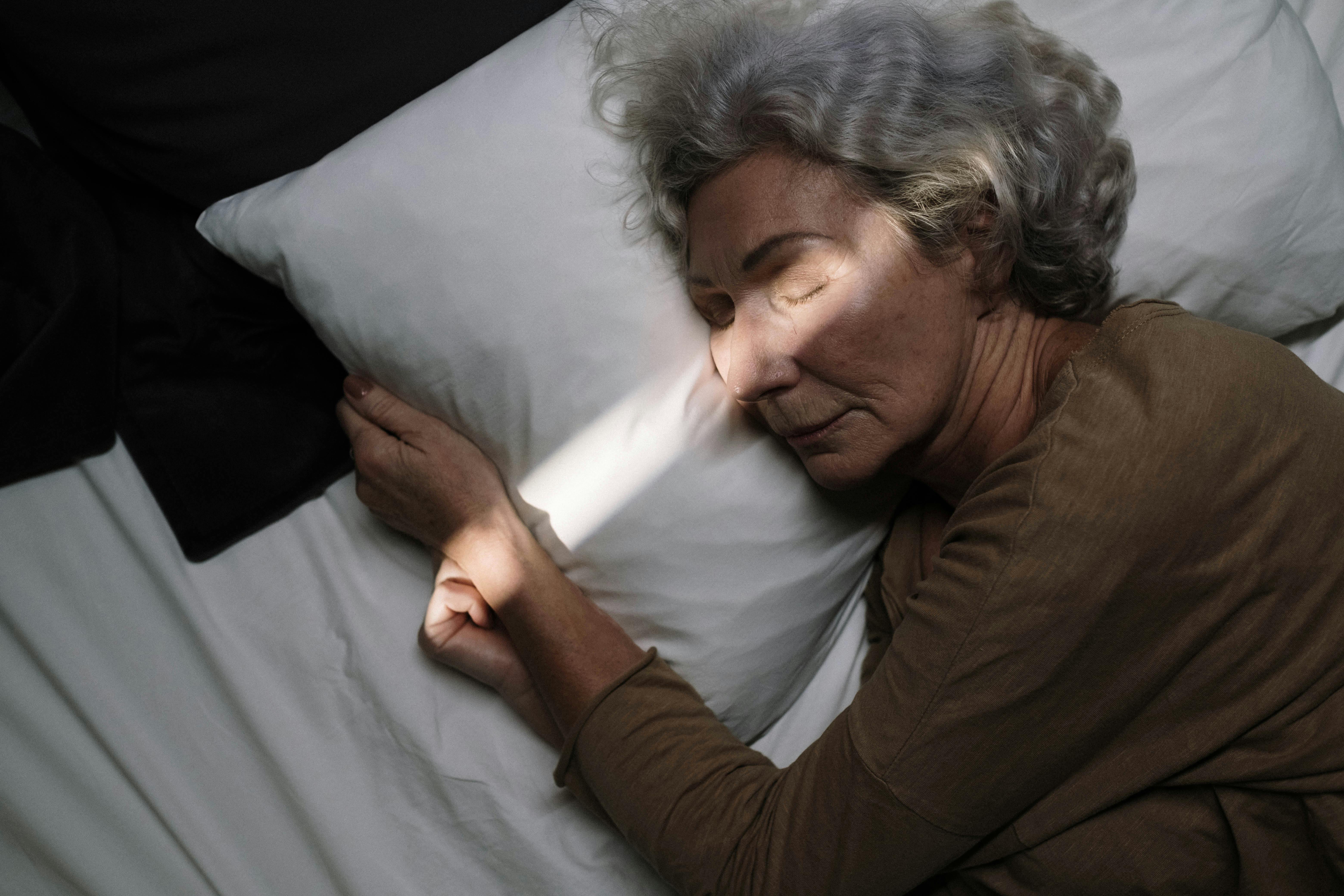

Real event OCD is a common way of describing obsessive-compulsive disorder (OCD) that centers on something you actually did, said, or witnessed in the past. Instead of letting a memory fade, your mind keeps returning to it, asking whether it makes you a bad person and pushing you to replay it for answers. Understanding how this pattern works can make it easier to recognize and to find treatment that helps.
Key Takeaways
OCD affects millions, and diagnosis is often delayed: About 2.3% of American adults experience OCD at some point in their lives, and some people may wait years before receiving an accurate diagnosis.
Real event OCD focuses on a past event that really happened: It often involves mentally reviewing the memory, seeking reassurance, or confessing, which tends to bring short-term relief but keeps the cycle going.
Effective treatment is available: Exposure and response prevention (ERP) and certain medications are well studied for OCD, so speaking with a psychiatric provider can be a helpful next step if guilt about the past is taking over your days.
What Is Real Event OCD?
Everyone looks back on past mistakes sometimes. Real event OCD is different because the memory becomes "sticky," returning again and again with intense guilt, doubt, and fear about what it means.
Real event OCD isn't a separate diagnosis in the DSM-5-TR, the manual clinicians use to diagnose mental health conditions. It's an informal name for a theme of OCD. Clinicians who specialize in OCD describe it as focusing on a past event that actually took place, while many other OCD themes revolve around feared future events.
To understand where real event OCD fits, it helps to look at how it compares with ordinary regret and with trauma-related conditions.
How Real Event OCD Differs From Normal Guilt
Healthy guilt usually follows a clear action that went against your values, and it tends to ease once you've apologized, made amends, or learned from it. In real event OCD, guilt often persists even when there's little or no evidence you did anything wrong, or when the event was minor.
The questions also feel impossible to settle. You might ask yourself whether you were really as kind as you remember, whether you caused harm without realizing it, or what the memory says about who you are. Each answer seems to raise a new doubt.
Real Event OCD vs. PTSD
Post-traumatic stress disorder (PTSD) can also involve painful memories. With PTSD, people often experience flashbacks, vivid intrusive images, and nightmares after a frightening or dangerous event.
Real event OCD usually looks different. The event doesn't have to be traumatic, and the distress centers on moral doubt and responsibility rather than reliving fear. A mental health professional can help sort out which pattern fits your experience, since the two conditions are treated differently.
How Common Is Real Event OCD?
There's no reliable data on how many people have real event OCD specifically, because it isn't tracked as its own diagnosis. However, research on OCD as a whole offers a helpful picture.
Past-year prevalence: An estimated 1.2% of U.S. adults had OCD in the past year, with higher rates among females (1.8%) than males (0.5%).
Lifetime prevalence: About 2.3% of U.S. adults experience OCD at some point in their lives.
Impact on daily life: Among adults with OCD in the past year, about half (50.6%) had serious impairment.
Age of onset: Symptoms usually begin between late childhood and young adulthood.
Time to diagnosis: It takes more than 7 years on average for a person to receive an accurate OCD diagnosis.
Co-occurring conditions: Research suggests that about 90% of people with OCD meet criteria for at least one other mental health condition, such as depression or anxiety.
Signs and Symptoms of Real Event OCD
Like all forms of OCD, real event OCD involves obsessions (unwanted, distressing thoughts) and compulsions (repetitive behaviors or mental acts done to relieve that distress). The compulsions in real event OCD are often invisible to other people, which can make the condition hard to spot.
Common Obsessive Thoughts
Obsessions in real events OCD tend to circle a specific memory. Common examples include:
Fearing that a past action makes you a bad, dangerous, or immoral person.
Worrying that you hurt someone or broke a rule without realizing it.
Doubting your memory of what actually happened.
Feeling that you must figure out the "truth" before you can move on.
Believing you deserve to feel guilty or be punished.
Mental and Behavioral Compulsions
Compulsions are attempts to reduce anxiety and guilt. They may bring brief relief, but they often strengthen the doubt over time. Clinicians describe compulsions in real event OCD that include:
Mental review: Replaying the event in detail, searching for proof that you did or didn't do something wrong.
Reassurance seeking: Asking friends, family, or online forums whether what you did was okay.
Confessing: Telling others about the event to ease guilt, sometimes repeatedly.
Rumination: Spending long periods analyzing the memory and what it means about you.
Self-punishment: Withholding enjoyable activities or criticizing yourself harshly.
If these patterns feel familiar, an OCD self-assessment quiz can help you reflect on your symptoms before speaking with a professional. Some people also notice overlap with intrusive thoughts that feel out of character.
What Causes Real Event OCD?
Researchers don't know exactly what causes OCD, and real event OCD likely develops from a mix of factors. A few patterns stand out.
Inflated Responsibility and Moral Concerns
People with OCD who struggle with moral or religious worries, sometimes called scrupulosity, often show an inflated sense of responsibility and moral thought-action fusion. Thought-action fusion is the belief that having a bad thought is as morally wrong as acting on it. These beliefs can make an ordinary memory feel like evidence of serious wrongdoing.
Why Replaying Memories Can Backfire
Although one may feel that reviewing a memory carefully would settle their doubts, it might do the opposite. In one study, repeated checking made memories feel less vivid and detailed, even though memory accuracy itself didn't change.
In other words, the more you replay a memory, the less you may trust it. This helps explain why mental review may often leave people feeling more uncertain than when they started.
Treatment Options for Real Event OCD
Real event OCD responds to the same evidence-based approaches used for other OCD themes. Treatment often combines therapy, medication, or both, depending on your symptoms and preferences.
Exposure and Response Prevention (ERP)
ERP is a type of cognitive behavioral therapy (CBT) and is considered the most empirically supported behavioral treatment for OCD. In ERP, you gradually face the memory and the uncertainty it brings while practicing not responding with compulsions like reviewing or seeking reassurance.
For real event OCD, this might mean writing about the event without analyzing it, or allowing the possibility that you'll never know for sure. An analysis of 36 studies with 2020 participants found CBT with ERP to be effective for OCD, though results varied depending on what it was compared with.
Acceptance and Commitment Therapy (ACT)
ACT helps people relate differently to difficult thoughts and feelings rather than trying to eliminate them. The focus is on acting in line with your values, even when guilt or doubt shows up.
In a study on 79 adults with OCD, ACT led to greater improvements in OCD severity than progressive relaxation training. ACT may be used alongside ERP or as an alternative for some people.
SSRIs and Other Medications
Selective serotonin reuptake inhibitors (SSRIs) are recommended as first-line medications for OCD. Medications approved by the U.S. Food and Drug Administration (FDA) for OCD include fluoxetine, fluvoxamine, paroxetine, sertraline, and clomipramine. Sertraline, for example, is labeled for OCD in adults and in children aged 6 to 17.
OCD often requires higher doses than those typically used for depression, and it can take 8 to 12 weeks before symptoms begin to improve. Fluoxetine (Prozac) is one commonly prescribed SSRI, and dosing for Prozac for OCD reflects this need for higher amounts.
Combining Therapy and Medication
Some people benefit most from using therapy and medication together. A review of 21 studies found that ERP combined with medication worked better than medication alone for OCD. A psychiatric provider can help you weigh the options based on your symptoms and history.
Coping Strategies for Real Event OCD
Self-help strategies aren't a replacement for treatment, but they may make day-to-day life feel more manageable. Many of them build on the same principles used in ERP and ACT.
Notice the compulsion: Try labeling mental review as "a compulsion" when it starts, which can create a little distance from the urge.
Delay reassurance seeking: Instead of asking someone right away, wait a set period and see if the urge passes on its own.
Practice tolerating uncertainty: Remind yourself that you may never feel 100% certain about the past, and that this can be true for everyone.
Separate thoughts from identity: Having distressing thoughts about a memory doesn't define who you are or reflect your values.
Return to your values: Focus on how you want to act today rather than relitigating what happened before.
Be gentle with yourself: Harsh self-criticism tends to fuel the cycle, and chronic guilt can affect your mental health in other ways too.
When to Seek Medical Attention
Many people with OCD don't seek treatment until symptoms become severe, and a longer period of untreated OCD is linked with worse outcomes. Shame is one of the most common reasons people delay, as studies on treatment barriers consistently show.
Consider reaching out to a mental health professional if:
Thoughts about a past event take up more than an hour a day.
Guilt or doubt interferes with work, school, relationships, or sleep.
You feel unable to stop reviewing, confessing, or seeking reassurance
You're avoiding people, places, or activities connected to the memory.
You're also experiencing symptoms of depression or anxiety.
If you're having thoughts of harming yourself, call or text 988 to reach the 988 Suicide and Crisis Lifeline, or call 911 in an emergency.
How Blossom Health Can Help With Real Event OCD
Living with real events OCD can feel isolating, especially when the guilt makes it hard to talk about. Blossom Health connects you with board-certified, licensed psychiatric providers for virtual care, and many insurance plans are accepted, so it's worth checking your coverage.
During your first hour-long video visit, your provider will review your history, symptoms, and goals, make a diagnosis if appropriate, and build a treatment plan that may include medication. If another type of care would be a better fit, your provider will help point you toward it. You can schedule your first appointment in a few simple steps and often be seen within days.
Medical Disclaimer
This article is for informational purposes only and is not a substitute for professional medical advice. Always consult a qualified healthcare provider before starting, changing, or stopping any medication. If you are in crisis or thinking about harming yourself, call or text 988 or call 911.
Sources
1. Brock, H., Rizvi, A., & Hany, M. (February 24, 2024). Obsessive-Compulsive Disorder. StatPearls. StatPearls Publishing. https://www.ncbi.nlm.nih.gov/books/NBK553162/
2. National Institute of Mental Health. Obsessive-Compulsive Disorder (OCD). https://www.nimh.nih.gov/health/statistics/obsessive-compulsive-disorder-ocd
3. National Institute of Mental Health. (December, 2024). Obsessive-Compulsive Disorder. https://www.nimh.nih.gov/health/topics/obsessive-compulsive-disorder-ocd
4. National Institute of Mental Health. (2023). Obsessive-Compulsive Disorder: When Unwanted Thoughts or Repetitive Behaviors Take Over. https://www.nimh.nih.gov/health/publications/obsessive-compulsive-disorder-when-unwanted-thoughts-take-over
5. International OCD Foundation. (June 03, 2026). About OCD. https://iocdf.org/about-ocd/
6. Foss, K., Yocum, L., & Bishop, A. (2023). Living Beyond Regret, Mistakes, and Poor Choices to Overcome Real-Event OCD. International OCD Foundation Annual Conference. https://iocdf.org/wp-content/uploads/2023/07/Living-Beyond-Regret-Mistakes-and-Poor-Choices-To-Overcome-Real-Event-OCD.pdf
7. Van den Hout, M., & Kindt, M. (2003). Repeated checking causes memory distrust. Behaviour Research and Therapy. https://research-portal.uu.nl/en/publications/repeated-checking-causes-memory-distrust/
8. Nelson, E. A., Abramowitz, J. S., Whiteside, S. P., & Deacon, B. J. (2006). Scrupulosity in patients with obsessive-compulsive disorder: Relationship to clinical and cognitive phenomena. Journal of Anxiety Disorders. https://mayoclinic.elsevierpure.com/en/publications/scrupulosity-in-patients-with-obsessive-compulsive-disorder-relat
9. Reid, J. E., Laws, K. R., Drummond, L., Vismara, M., et al. (2021). Cognitive behavioural therapy with exposure and response prevention in the treatment of obsessive-compulsive disorder: A systematic review and meta-analysis of randomised controlled trials. Comprehensive Psychiatry, 106, 152223. https://doaj.org/article/2056f067895d45df989ef469395dc8d8
10. Twohig, M. P., Hayes, S. C., Plumb, J. C., et al. (2010). A randomized clinical trial of acceptance and commitment therapy versus progressive relaxation training for obsessive-compulsive disorder. Journal of Consulting and Clinical Psychology. https://pmc.ncbi.nlm.nih.gov/articles/PMC2948415/
11. Mao, L., Hu, M., Luo, L., et al. (2022). The effectiveness of exposure and response prevention combined with pharmacotherapy for obsessive-compulsive disorder: A systematic review and meta-analysis. Frontiers in Psychiatry. https://www.frontiersin.org/journals/psychiatry/articles/10.3389/fpsyt.2022.973838/full
12. Mayo Clinic. (December 21, 2023). Obsessive-compulsive disorder (OCD): Diagnosis and treatment. https://www.mayoclinic.org/diseases-conditions/obsessive-compulsive-disorder/diagnosis-treatment/drc-20354438
13. DailyMed. (August 08, 2023). ZOLOFT (sertraline hydrochloride) prescribing information. https://dailymed.nlm.nih.gov/dailymed/drugInfo.cfm?setid=fda754f6-d0f3-4dce-a17a-927d64f912f7
14. Wongbusarakum, K., Schug, E., Visher, T. C., et al. (2025). Factors associated with delays in assessment and treatment of obsessive-compulsive disorder: A scoping review. Journal of Obsessive-Compulsive and Related Disorders. https://pmc.ncbi.nlm.nih.gov/articles/PMC12691969/
15. NHS. PTSD (post-traumatic stress disorder). (April 08, 2026). https://www.nhs.uk/mental-health/conditions/post-traumatic-stress-disorder-ptsd/symptoms/