Situational Anxiety Medication: What Works for Anxiety in Specific Moments
Author:
Blossom Editorial


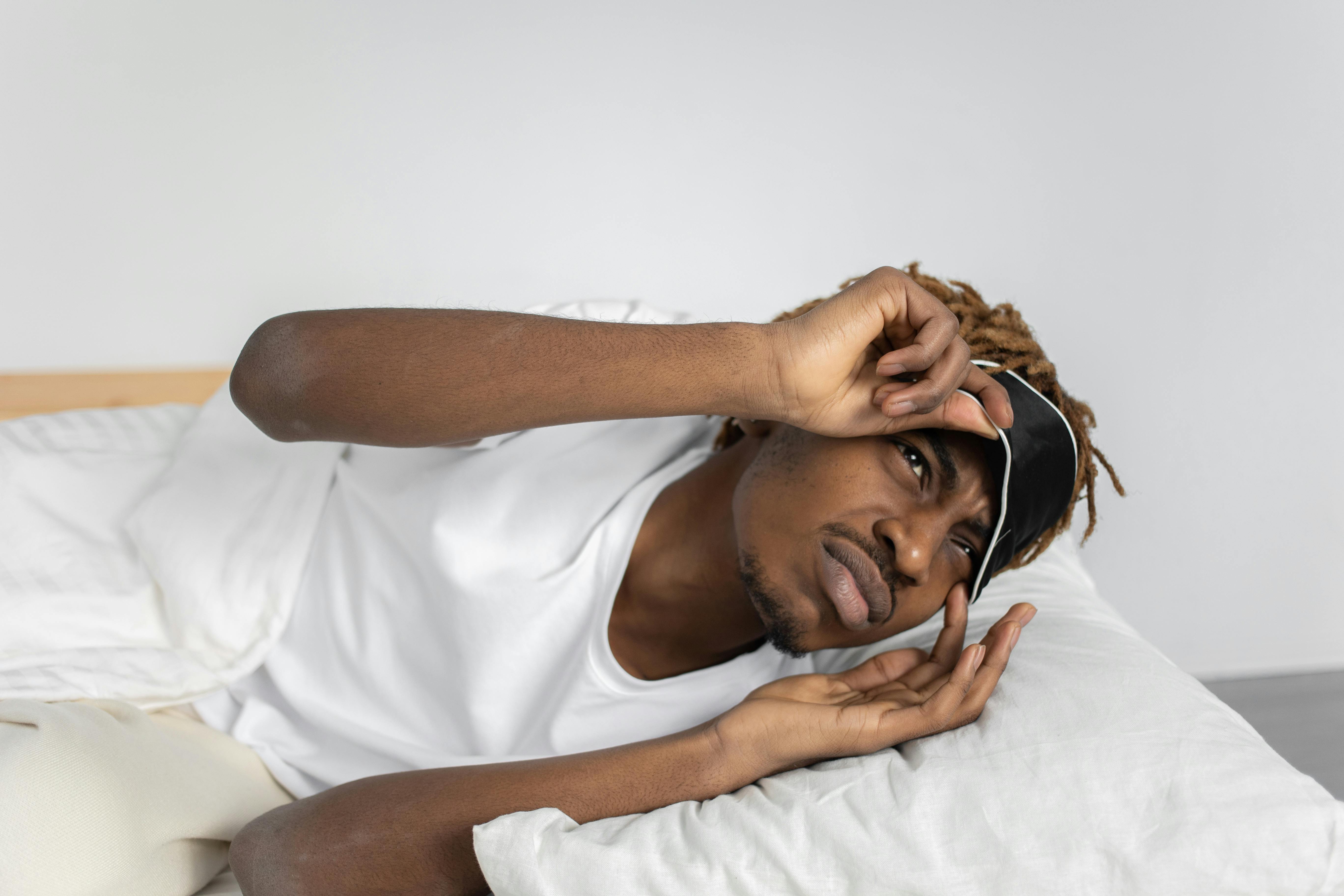
Situational anxiety is the surge of nervousness that can show up around a specific event, such as a job interview, an exam, a flight, a public presentation, or a medical procedure, and then fades once the event is over. Most of us have experienced situational anxiety at some point in our lives, and in many cases, it is mild and manageable. However, some people may find it very distressing, and others may be required to face such situations often. There are several ways to manage situational anxiety, and medication is one of them.
Because the anxiety is tied to identifiable moments rather than present most days, the medications used to manage it work differently from the ones taken daily for a chronic anxiety disorder.
Knowing which options act quickly, which require weeks to build up, and which carry meaningful trade-offs can help you and a prescriber choose an approach that fits you best.
Key Takeaways
Situational anxiety is common and often normal: Nervousness before a high-stakes event is a typical stress response, and treatment is generally considered only when it is severe enough to impair performance or push you to avoid the situation altogether.
Fast-acting options exist, but the evidence is uneven: Some medications used as needed can have effects within an hour. Propranolol may reduce certain physical effects associated with situational anxiety, while hydroxyzine and benzodiazepines can produce relatively rapid calming or sedating effects. However, the evidence supporting these options differs substantially, particularly for beta-blockers.
Frequent situational anxiety may need a different plan: If the same triggers come up quite often or you are reorganizing your life to avoid them, therapy or daily treatment may be a better option than taking as-needed pills. Your provider may also assess you for anxiety disorders if they suspect an underlying condition.
What is Situational Anxiety?
Situational anxiety describes anxiety that is triggered by a specific circumstance rather than being generalized across most areas of life. A situation whose outcome may seem uncertain, like going through a medical procedure or attending an interview, or one that requires you to step outside your comfort zone, like flying to a new destination, creates a stress response in the body, which can lead to anxiety.
Other common triggers include public speaking, performing, exams, dental or surgical procedures, first dates, and driving.
Situational anxiety usually resolves after the trigger has passed, unlike that associated with an anxiety disorder, which can persist across many areas of life. It is important to note that situational anxiety is not a mental health condition specified by the Diagnostic and Statistical Manual of Mental Disorders (DSM-5-TR). Thus, having situational anxiety does not necessarily mean you have an anxiety disorder.
For some people, the physical symptoms can be disruptive and can include:
Pounding heart (rapid heartbeat)
Shortness of breath
Shaking hands
Shaky voice
Sweating
Nausea
Diarrhea
Dizziness or lightheadedness
Muscle aches or tightness
Other symptoms may include:
Nervousness or restlessness
Feelings of dread or impending doom
Inability to concentrate
Irritability
Avoidance
In situational anxiety, these symptoms typically disappear after the event has taken place.
Situational Anxiety vs Other Anxiety Disorders
The above symptoms of anxiety are also seen in conditions like social anxiety disorder, panic disorder, or a specific phobia. A mental health care provider like a licensed psychiatrist or psychiatric mental health nurse practitioner can determine whether what you are experiencing is occasional situational anxiety or an underlying disorder. So, if your anxiety occurs often enough to disrupt day-to-day activities or causes you to withdraw from them, get in touch with a provider. Treatment approach varies significantly depending on the diagnosis.
How Situational Anxiety Medication Differs From Daily Treatment
Medications for anxiety fall into two broad groups. Daily medications such as SSRIs and SNRIs are commonly used for several anxiety disorders, while buspirone may be used as a second-line agent particularly for generalized anxiety disorder. These medications usually take time to have their full effect and are considered when symptoms are persistent. As-needed medications act within minutes to an hour and are taken before or during a specific trigger.
For situational anxiety, an as-needed option is often appealing because the exposure is predictable and time-limited. However, medications that provide quick anxiety relief generally treat symptoms in the moment without changing how you respond to the same situation next time.
When avoidance is a significant element of situational anxiety, cognitive behavioral therapy (CBT) or graduated exposure can help people practice responding differently to triggers, while medication helps settle immediate symptoms.
Common Situational Anxiety Medication Options
Before deciding on a treatment, a prescriber will weigh how often the situation occurs, how severe your symptoms get, what other medications you take, and your medical history. The main options for situational anxiety address different aspects of anxiety.
Propranolol for Performance and Situational Anxiety
Propranolol is a nonselective beta-blocker that can reduce certain physical effects associated with adrenaline and noradrenaline, such as a faster heart rate and tremor. It is generally less sedating than hydroxyzine or benzodiazepines, which is why it is the option most associated with performance situations.
Propranolol is FDA-approved to treat cardiac illnesses, essential tremor, and infantile hemangiomas, as well as for migraine prevention.
A review on beta-blockers explains that while these medications are not FDA-approved for anxiety disorders, they are commonly used off-label by musicians and other performers to help reduce some of the physical symptoms of anxiety, such as tachycardia, sweating, and tremor.
A low dose is usually taken about an hour before the event. Timing matters more with this medication than with others, because the effect window is fairly narrow.
Common side effects of propranolol include fatigue, dizziness, cold hands and feet, nausea, and low blood pressure. It is generally avoided in people with asthma, certain heart rhythm conditions, or very low resting blood pressure.
Hydroxyzine (Vistaril)
Originally used to treat allergic reactions, hydroxyzine is a first-generation antihistamine, which is also approved for the relief of anxiety and tension. It works roughly within an hour, is not associated with physical dependence, and is often chosen when someone needs as-needed relief, but a benzodiazepine is not appropriate.
Sedation is the defining effect of hydroxyzine, along with dry mouth, dizziness, blurred vision, and impaired motor function. Although its sedative effect makes it unsuitable for situational anxiety before driving or a presentation, hydroxyzine may be a suitable option for anxiety before a procedure or a flight. That said, only a prescriber who knows your symptoms and medical history can advise you on what’s suitable for you.
While hydroxyzine is approved for anxiety, it is meant for short-term use, and clinical studies on its safety and effectiveness are limited to under four months.
A word of caution here: hydroxyzine can affect heart rhythm in susceptible people. Tell your prescriber about heart conditions, fainting, electrolyte problems, or other medications that may affect the QT interval.
Benzodiazepines for Occasional Use
Some benzodiazepines, such as lorazepam (Ativan) and alprazolam (Xanax), can produce relatively rapid calming or sedating effects and may be prescribed for short-term, carefully selected situations. They are indicated for anxiety among other uses, but they carry the largest trade-offs of any option here. Benzodiazepines are classified as Schedule-4 controlled substances by the U.S. Drug Enforcement Administration (DEA).
They work by boosting the effect of gamma-aminobutyric acid (GABA), a neurotransmitter in the brain that’s linked to calming effects. Benzodiazepines typically work to alleviate anxiety symptoms within 15-45 minutes, in most cases. Unlike propranolol, which mainly helps with physical symptoms, benzodiazepines help with both physical and psychological symptoms.
Sedation, slowed reaction time, memory gaps, and impaired coordination are common side effects of benzodiazepines. Moreover, they should not be combined with alcohol or opioids. With repeated use, tolerance and physical dependence can develop, which is why many prescribers reserve them for genuinely occasional situations. Older adults may be more vulnerable to excessive sedation, cognitive impairment, impaired coordination, and falls.
Although this may not apply to occasional use for situational anxiety, it’s helpful to know that benzodiazepines carry a real risk of serious discontinuation effects, and more so after regular use beyond 2-4 weeks. That’s why they must not be abruptly stopped or have a sudden dose change. Rebound anxiety, insomnia, and, in severe cases, seizures can occur.
For people weighing their options, here’s more on how a commonly prescribed benzodiazepine, alprazolam (Xanax), compares with hydroxyzine.
Daily Medication When Situational Anxiety is Frequent
If anxiety occurs frequently, extends beyond one narrow situation, or leads to persistent avoidance, a clinician may consider whether psychotherapy, a daily medication, or a combination is more appropriate. They may also evaluate you for an underlying anxiety disorder in case of persistent anxiety that’s more than situation-driven.
Depending on the diagnosis, they may prescribe SSRIs or SNRIs, which are first-line medications for many anxiety disorders, or recommend CBT or exposure-based approaches for social anxiety disorder or phobias.
SSRI and SNRI medications typically take four to six weeks to reach full effect for anxiety; thus, they aren’t prescribed for as-needed use. However, they can help lower the baseline reactivity that makes each individual situation feel overwhelming.
Non-Medication Approaches That Work Alongside Situational Anxiety Medication
Most prescribers will suggest pairing medication with skills that carry over between events:
Cognitive behavioral therapy: Therapy can help build coping skills for anxiety in future situations rather than only the next one.
Graduated exposure: Deliberately facing the situation in manageable steps is a proven strategy under exposure therapy that can help reduce fear.
Slow-paced breathing: Slow, controlled breathing can help some people reduce physiological arousal and feel more in control during an anxiety-provoking situation.
Rehearsal and preparation: Practicing the specific task may increase familiarity and confidence and can help reduce anticipatory anxiety in performance and interview situations.
Limiting caffeine and alcohol: Caffeine may amplify physical symptoms like jitteriness or a racing heart in some people, and alcohol worsens anxiety as it wears off.
Specific patterns often have their own approaches. Structured practice and gradual route expansion, for example, are central to managing driving anxiety.
When to Seek Medical Attention for Situational Anxiety
Occasional nerves before a big event rarely need treatment. Consider talking with a healthcare provider if you notice any of the following:
You avoid work, school, travel, or medical care because of the anxiety
Symptoms occur in more and more situations over time
You experience sudden episodes of intense fear or panic, especially if they are new, recurrent, or causing you to avoid situations
You use alcohol or another substance to get through triggering situations
The anxiety persists between events or is accompanied by low mood or hopelessness
New or unexplained chest pain, fainting, severe shortness of breath, or persistent rapid heartbeat should be medically evaluated because these symptoms can have causes other than anxiety.
If you are having thoughts of suicide, call or text 988 to reach the Suicide and Crisis Lifeline. If you are in immediate danger or cannot keep yourself safe, call 911 or go to the nearest emergency department.
How Blossom Health Can Help
Deciding whether situational anxiety calls for an as-needed medication, daily treatment, or a different approach entirely takes a real clinical evaluation. Blossom Health is a telehealth psychiatry practice where every provider is a licensed prescriber.
During the initial visit, a provider will take time to understand what you’re going through, look at your medical history and current medications, and develop a treatment plan, which can include medication, therapy, or both.
Visits are virtual, covered by in-network insurance, and typically available within days. If you are unsure where to begin, our guide on how to find an online psychiatrist walks through what to look for, or you can get started here.
Medical Disclaimer
This article is for informational purposes only and is not a substitute for professional medical advice. Always seek the advice of your physician or other qualified healthcare provider with any questions you may have regarding a medical condition or medication. If you are experiencing a mental health crisis, contact the 988 Suicide and Crisis Lifeline by calling or texting 988.
Sources
National Institute of Mental Health. (2024, December). Anxiety disorders. U.S. Department of Health and Human Services, National Institutes of Health. https://www.nimh.nih.gov/health/topics/anxiety-disorders
National Institute of Mental Health. (2025). Social anxiety disorder: What you need to know. U.S. Department of Health and Human Services, National Institutes of Health. https://www.nimh.nih.gov/health/publications/social-anxiety-disorder-more-than-just-shyness
Awosika AO, Patel P. Propranolol. [Updated 2026 Jun 25]. In: StatPearls [Internet]. Treasure Island (FL): StatPearls Publishing; 2026 Jan-. Available from: https://www.ncbi.nlm.nih.gov/books/NBK557801/
Farzam K, Jan A. Beta Blockers. [Updated 2023 Aug 22]. In: StatPearls [Internet]. Treasure Island (FL): StatPearls Publishing; 2026 Jan-. Available from: https://www.ncbi.nlm.nih.gov/books/NBK532906/
Szeleszczuk, Ł., & Frączkowski, D. (2022). Propranolol versus Other Selected Drugs in the Treatment of Various Types of Anxiety or Stress, with Particular Reference to Stage Fright and Post-Traumatic Stress Disorder. International journal of molecular sciences, 23(17), 10099. https://pmc.ncbi.nlm.nih.gov/articles/PMC9456064/
Archer, C., Wiles, N., Kessler, D., Turner, K., & Caldwell, D. M. (2025). Beta-blockers for the treatment of anxiety disorders: A systematic review and meta-analysis. Journal of affective disorders, 368, 90–99. https://pubmed.ncbi.nlm.nih.gov/39271062/
Farzam K, Sabir S, O'Rourke MC. Antihistamines. [Updated 2025 Dec 13]. In: StatPearls [Internet]. Treasure Island (FL): StatPearls Publishing; 2026 Jan-. Available from: https://www.ncbi.nlm.nih.gov/books/NBK538188/
LiverTox: Clinical and Research Information on Drug-Induced Liver Injury [Internet]. Bethesda (MD): National Institute of Diabetes and Digestive and Kidney Diseases; 2012-. Hydroxyzine. [Updated 2017 Jan 16]. Available from: https://www.ncbi.nlm.nih.gov/books/NBK548128/
Bounds CG, Patel P. Benzodiazepines. [Updated 2024 Jan 30]. In: StatPearls [Internet]. Treasure Island (FL): StatPearls Publishing; 2026 Jan-. Available from: https://www.ncbi.nlm.nih.gov/books/NBK470159/
Wilson TK, Tripp J. Buspirone. [Updated 2023 Jan 17]. In: StatPearls [Internet]. Treasure Island (FL): StatPearls Publishing; 2026 Jan-. Available from: https://www.ncbi.nlm.nih.gov/books/NBK531477/
Strawn, J. R., Geracioti, L., Rajdev, N., Clemenza, K., & Levine, A. (2018). Pharmacotherapy for generalized anxiety disorder in adult and pediatric patients: an evidence-based treatment review. Expert opinion on pharmacotherapy, 19(10), 1057–1070. https://pmc.ncbi.nlm.nih.gov/articles/PMC6340395/
Murnan, A. (2022, August 16). Situational anxiety: What it is and how to cope. Medical News Today. https://www.medicalnewstoday.com/articles/situational-anxiety
Gillette, H. (2024, May 23). Situational anxiety: When you fear specific situations. Healthline. https://www.healthline.com/health/situational-anxiety