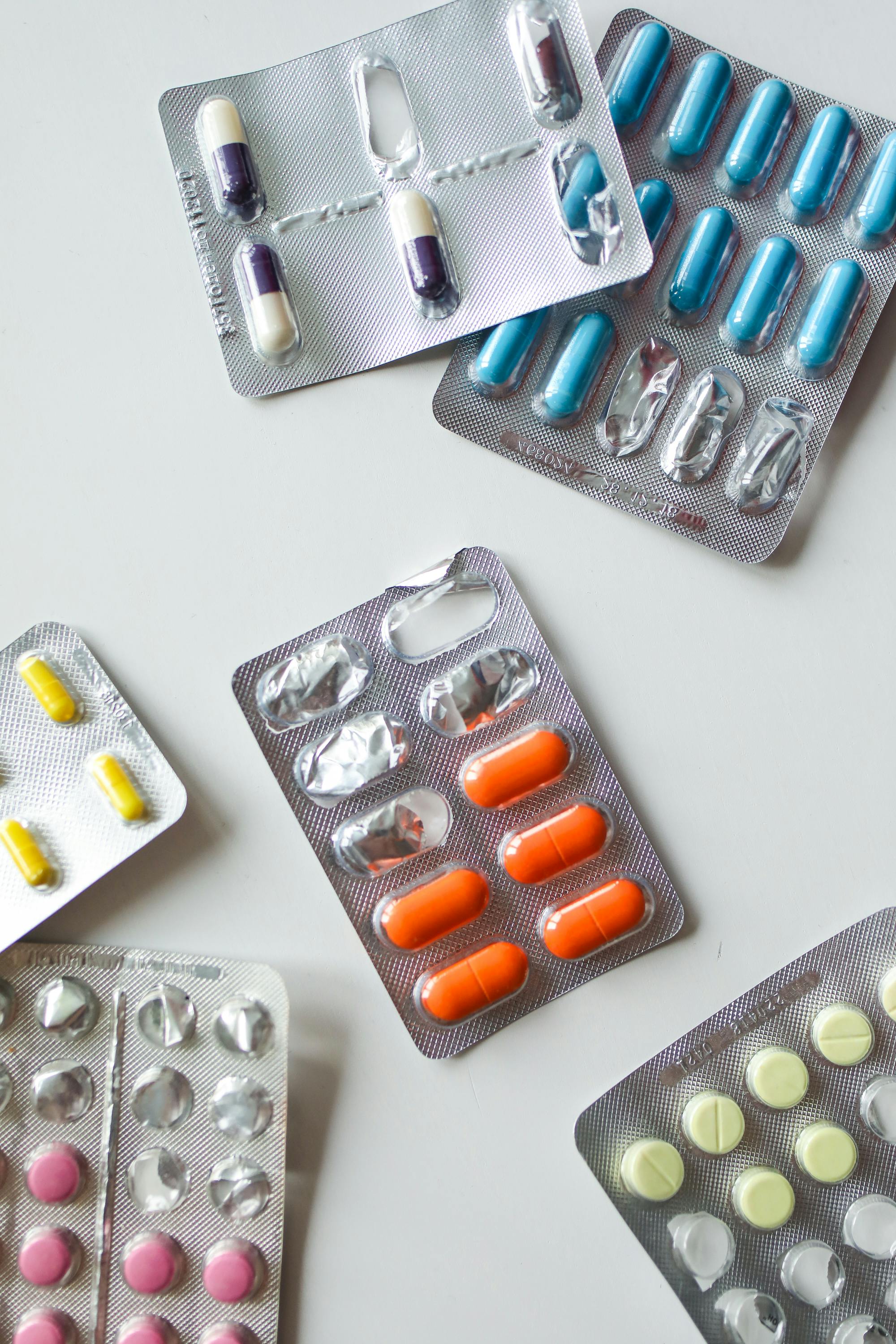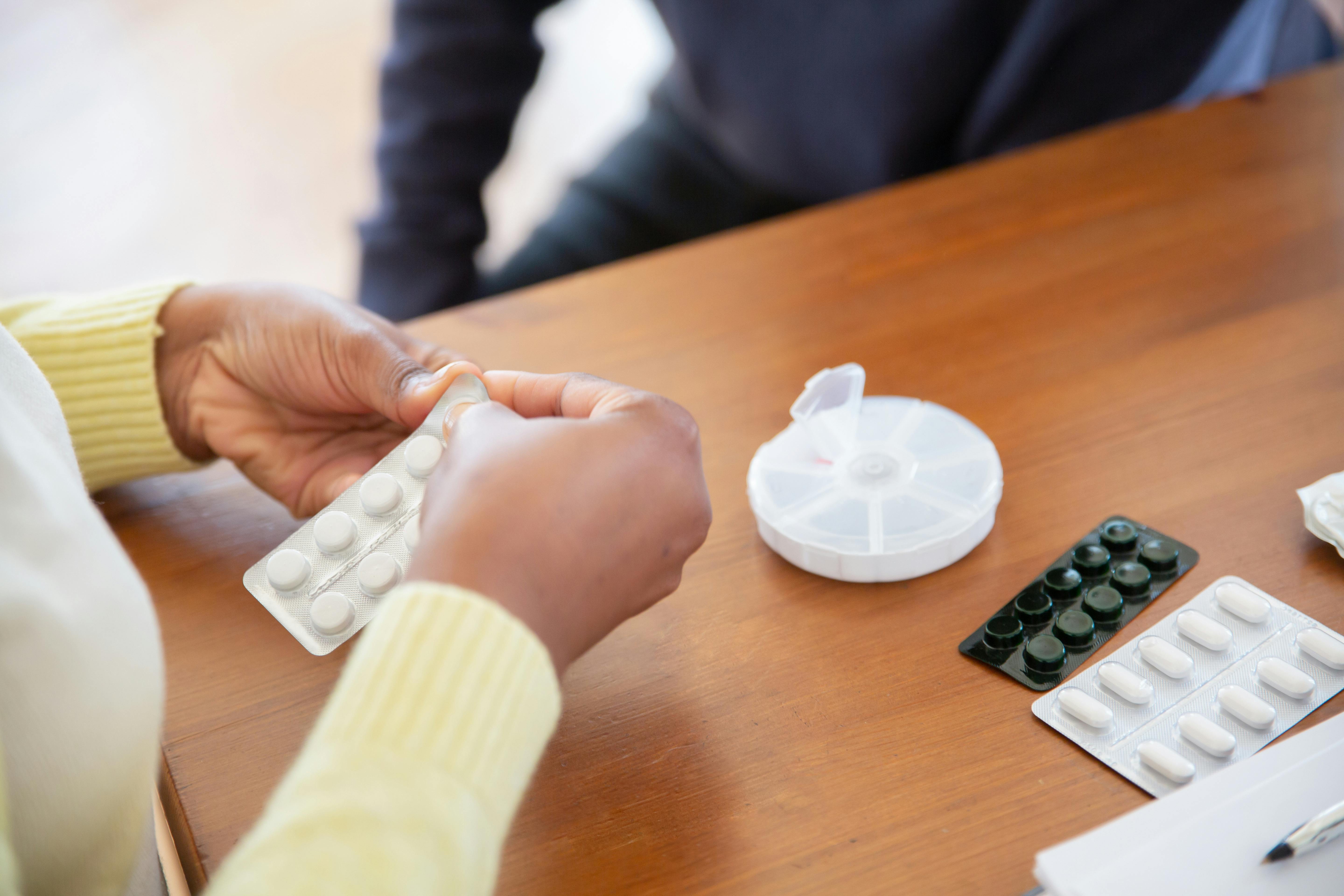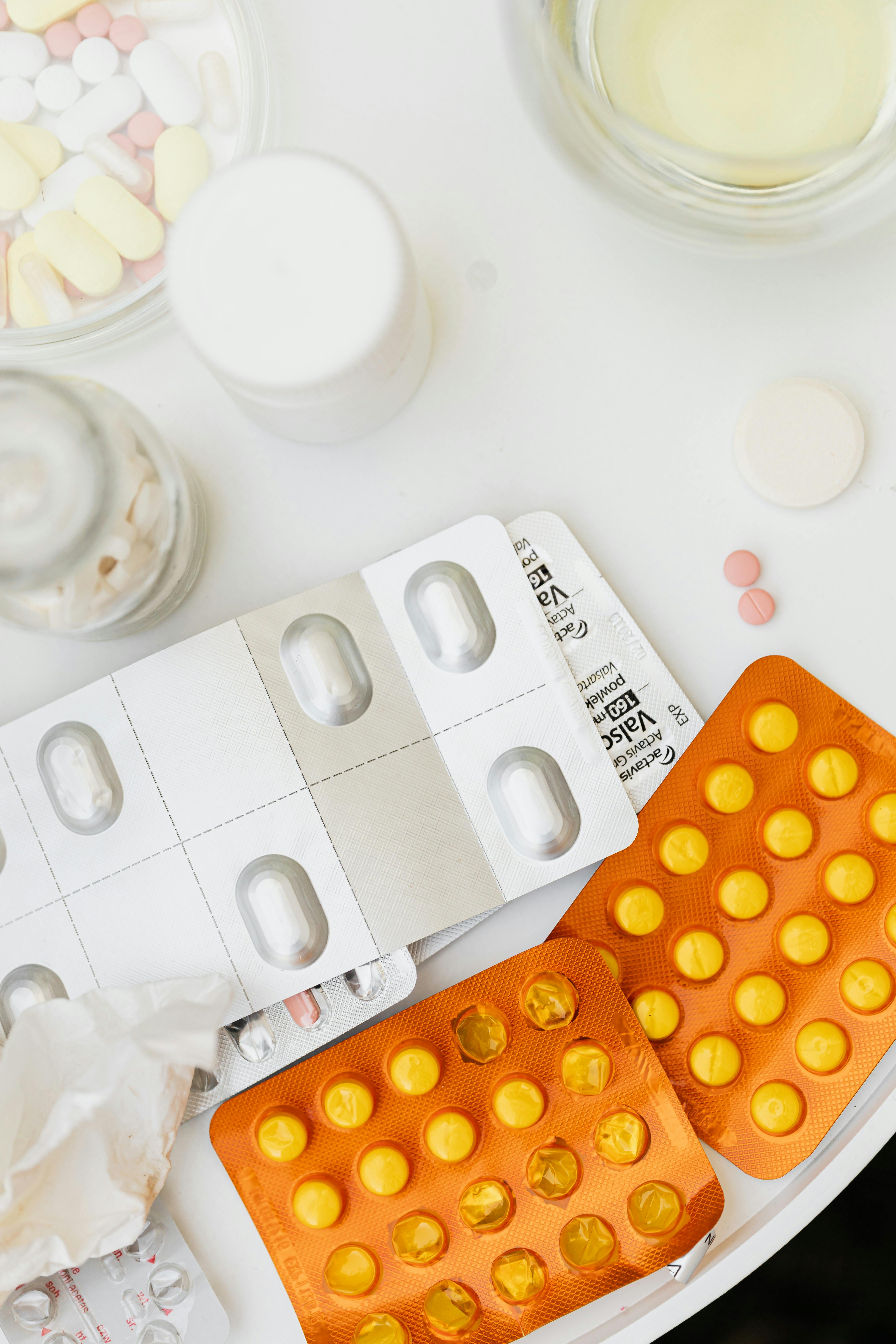

Zoloft (sertraline) is a commonly prescribed antidepressant for mood and anxiety disorders, so many people wonder whether it's safe to drink while taking it. FDA prescribing information advises against drinking alcohol during treatment. Alcohol can worsen drowsiness or impair judgment on its own, and drinking may complicate the treatment of depression or anxiety.
Knowing the reasons behind that guidance can help you make informed choices with your provider.
Key Takeaways
Zoloft stays in your system for days: Sertraline has an average half-life of about 26 hours and reaches steady levels after about a week of daily use, while its active metabolite remains in the body for even longer. Skipping a dose before drinking does not quickly eliminate the medication or make drinking risk-free.
The label advises against drinking: The FDA label tells people not to drink alcohol while taking Zoloft. Regular or heavy drinking can worsen mood or anxiety after the initial effect of alcohol wears off. This may reduce antidepressant response or make it harder to tell how well treatment is working.
An honest conversation is the safest next step: Talk with your prescriber about how much you drink, never stop Zoloft on your own to drink, and reach out for support if alcohol feels hard to control.
What is Zoloft?
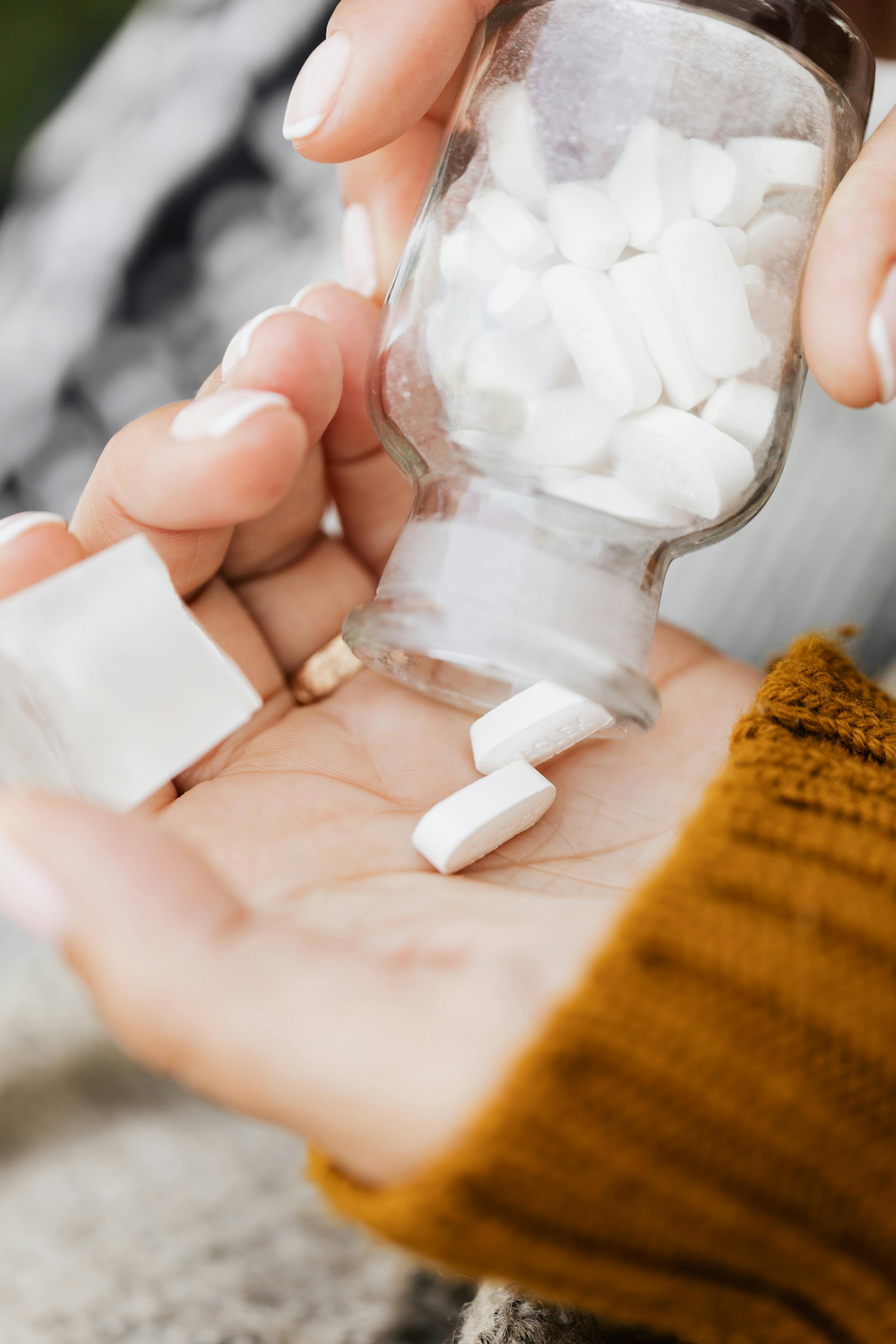
Zoloft is the brand name for sertraline, a type of antidepressant called a selective serotonin reuptake inhibitor (SSRI). SSRIs increase the availability of serotonin between nerve cells. Serotonin is a brain chemical involved in mood, sleep, anxiety, and several other functions. Increased availability of serotonin regulates serotonin pathways and receptors, which is thought to improve mood and anxiety over time.
The FDA has approved Zoloft to treat major depressive disorder, obsessive-compulsive disorder (OCD), panic disorder, post-traumatic stress disorder (PTSD), social anxiety disorder, and premenstrual dysphoric disorder (PMDD). It is usually taken once a day. Many people notice early side effects in the first week or two, which often ease as the body adjusts.
What Happens When You Mix Zoloft and Alcohol?
Alcohol and sertraline both have effects on the brain, so combining them can affect you in a few overlapping ways. Here is what research and clinical guidance suggest.
Drowsiness and Other Side Effects
In pooled clinical trials, about 12% of people taking Zoloft reported dizziness and 11% reported sleepiness, compared with 8% and 6% of people taking a placebo. Alcohol is a central nervous system depressant, meaning it slows brain activity, which can impair judgment, coordination, and reaction time on its own. Alcohol can also make you feel sleepy.
Although controlled studies in healthy people did not show that Zoloft increased alcohol's acute effects on thinking or movement, the combination is still discouraged because individual responses vary and alcohol can worsen other medication side effects or mental health symptoms. Moreover, these effects of Zoloft and alcohol can add up, without necessarily compounding each other. This can make driving or other tasks that require focus riskier.
Worsening Depression or Anxiety
Alcohol may feel relaxing in the moment, but its overall effect can deepen symptoms of depression and anxiety, particularly with regular or heavy drinking. Thus, regular alcohol consumption is associated with poorer outcomes in people with co-occurring alcohol-use and depressive disorders. Due to its negative effect on mood and anxiety, alcohol may even counteract the benefits of an antidepressant, which may make it harder to tell whether the treatment is working.
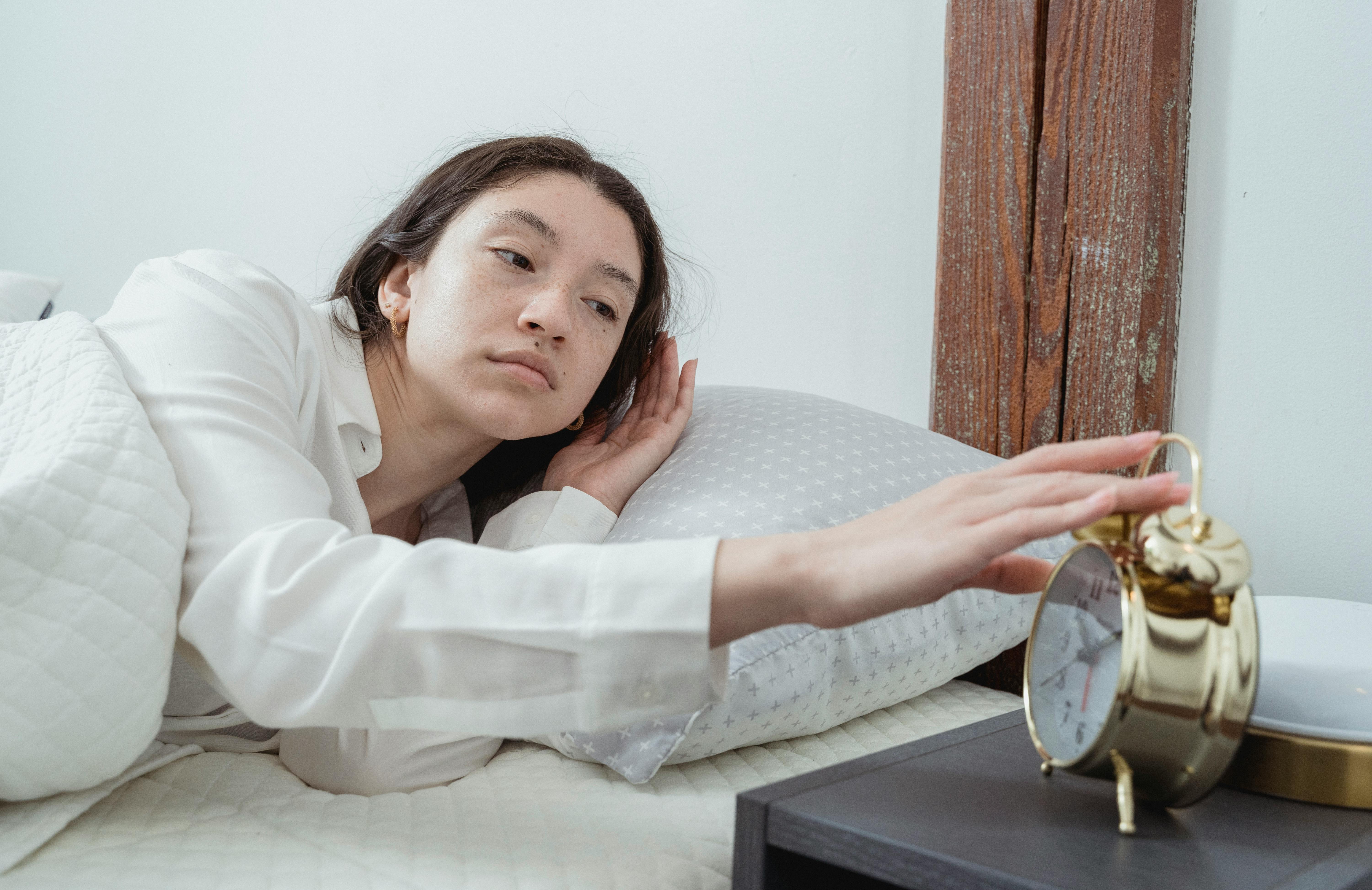
Sleep is another factor. Alcohol may help you fall asleep faster, but sleep tends to become more disrupted later in the night, and poor sleep can affect mood the next day. However, this is an effect of alcohol itself and not specifically a Zoloft interaction.
Stomach Upset and Bleeding Risk
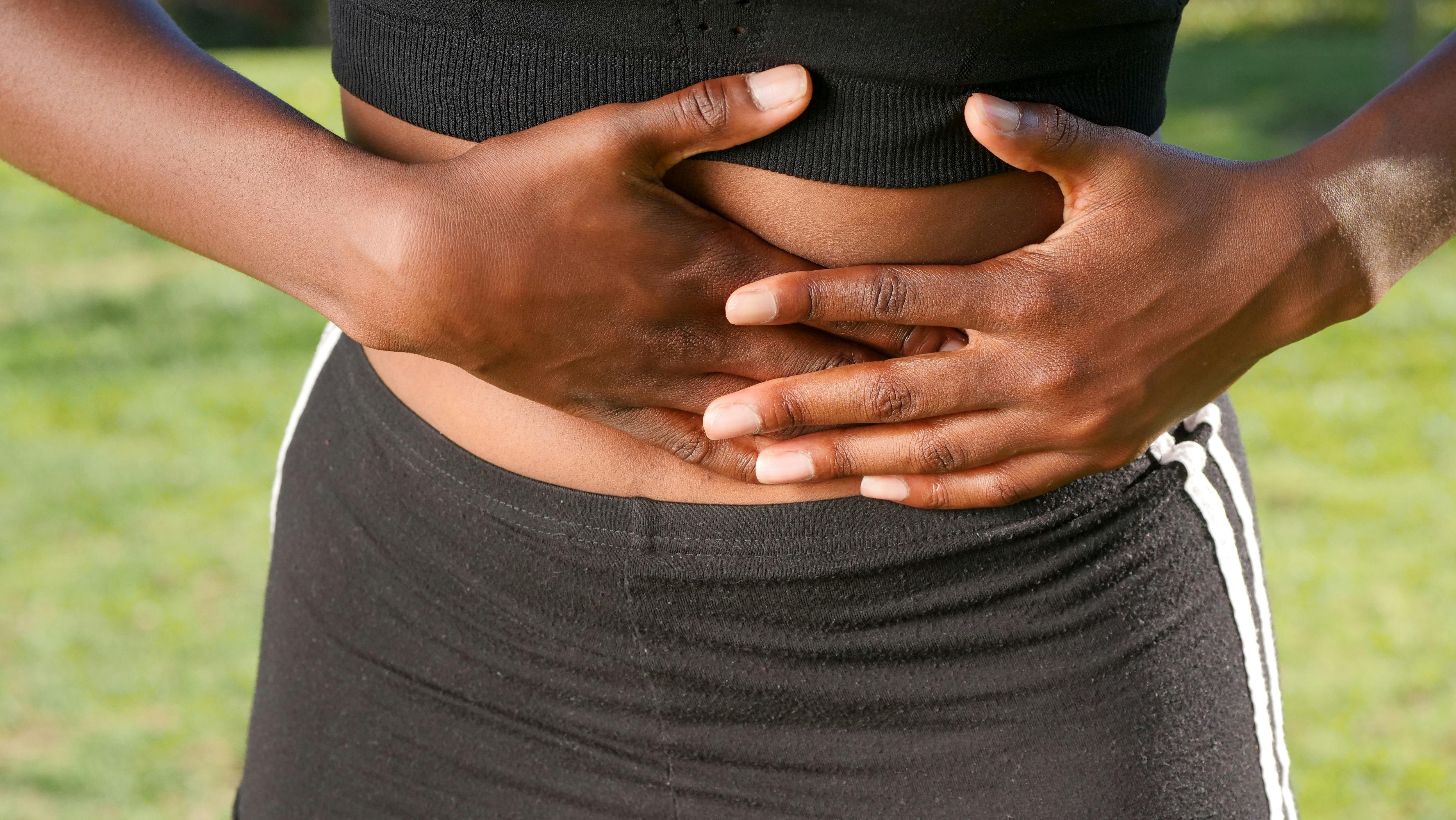
Nausea and diarrhea are among Zoloft's most common side effects, reported by 26% and 20% of trial participants, respectively. Mixing alcohol with certain medications can cause nausea, vomiting, and headaches and may raise the risk of internal bleeding. Although Zoloft is not on that list, if you also take other medications that interact with alcohol, you may experience overlapping side effects like nausea, or additional risks.
SSRIs, including sertraline, can increase bleeding risk on their own, especially when combined with aspirin, NSAIDs like ibuprofen, or blood thinners. Heavy alcohol use can also increase gastrointestinal bleeding risk, so people with additional bleeding risk factors should discuss their alcohol use and medications with a healthcare provider..
What Does the FDA Label Say About Zoloft and Alcohol?
FDA prescribing information for Zoloft states plainly: "Do not drink alcohol while you take ZOLOFT." It also advises against driving or operating machinery until you know how the medication affects you.
The technical section of the same label reports that in healthy volunteers, Zoloft did not increase alcohol's short-term effects on thinking and movement. However, small controlled studies in healthy people may not reflect real-world situations, such as drinking larger amounts, living with depression, or taking other medications. This is one reason experts generally recommend not mixing the two.
The liquid form of Zoloft contains 12% alcohol and should not be used with disulfiram (Antabuse), a medication for alcohol use disorder, because the alcohol in the formulation can trigger an unpleasant disulfiram-alcohol reaction.
How Common is Alcohol Use Among People With Depression?
Alcohol use and depression often go hand in hand. Research suggests that depressive disorders are the most common mental health conditions among people with alcohol use disorder (AUD), and older U.S. epidemiologic data showed that people with alcohol dependence were about 3.7 times more likely to also have major depressive disorder during the previous year. The same data also revealed a 2.3-times higher odds for people with AUD to have depression in the previous year. However, this isn’t a current general estimate for all people who drink alcohol, nor does it mean alcohol causes depression.
When the two occur together, each condition tends to make the other more severe and harder to treat. Some people drink to cope with low mood or anxiety, which can create a cycle that is hard to break without support.
Is it Ever Okay to Drink on Zoloft?
The FDA advises avoiding alcohol while taking Zoloft. There is no established amount of alcohol that can be considered universally safe with Zoloft. If you drink occasionally, discuss your specific situation with your prescriber, especially if you have depression, anxiety, liver disease, a history of problematic drinking, or take other medications.
Several factors can influence how alcohol affects you while taking Zoloft:
How much you drink: A U.S. standard drink contains 14 grams of pure alcohol, equal to 12 ounces of regular beer (5% alcohol), 5 ounces of wine (12% alcohol), or 1.5 ounces of liquor (80-proof liquor). Many servings contain more than one standard drink.
How long you've taken Zoloft: Side effects like drowsiness and nausea tend to be strongest in the first few weeks of starting Zoloft or after a dose change. Alcohol can make some of these symptoms harder to manage.
Other medications: Sleep aids, anti-anxiety medications, opioids, and pain relievers like ibuprofen can add to sedation or bleeding risk.
Age and sex: Older adults process alcohol more slowly, and women generally reach higher blood alcohol levels than men after drinking the same amount.
Liver health: In people with mild liver impairment, the recommended starting dose and therapeutic range for Zoloft are generally half the usual amounts, and in rare cases sertraline has been linked to liver injury. Zoloft is not recommended in moderate or severe hepatic impairment. Heavy alcohol use can also contribute to liver disease.
Why You Shouldn't Skip Zoloft to Drink
Some people consider skipping a dose so they can drink. This approach is unlikely to help and may cause new problems.
Zoloft’s average half-life is about 26 hours, and its main breakdown product lingers even longer, with a half-life of 62 to 104 hours. Thus, skipping a single dose wouldn’t necessarily make it “safer” to drink. Regularly skipping doses or stopping Zoloft can also trigger discontinuation symptoms such as dizziness, nausea, irritability, insomnia, and brief electric shock sensations in some people.
Do not change or stop your dose simply to allow drinking; if you want to stop Zoloft, ask your prescriber about a gradual taper.
Tips for Reducing Risk While Taking Zoloft
If you choose to drink despite the FDA recommendation to avoid alcohol while taking Zoloft, ask your prescriber about your individual risks. Here are some things to keep in mind:
Wait until you know how Zoloft affects you before drinking at all.
Count standard drinks rather than glasses or cans.Avoid driving after drinking, even after one drink.
Skip alcohol entirely if you notice your mood dips afterward.
Tell your provider about every medication and supplement you take.
When to Seek Medical Attention
Seek emergency medical care for severe symptoms such as extreme drowsiness, confusion, fainting, or difficulty staying awake. Serotonin syndrome is rare but can occur with sertraline, particularly when combined with other serotonergic medicines; symptoms can include agitation, fever, sweating, fast heartbeat, muscle rigidity, or twitching.
Also seek emergency care if you experience new or worsening depression, or thoughts of self-harm.If you're having thoughts of suicide, call or text the 988 Suicide & Crisis Lifeline anytime. If drinking feels hard to control, SAMHSA's National Helpline offers free, confidential treatment referrals 24/7 at 1-800-662-4357.
How Blossom Health Can Help
If you have questions about Zoloft, alcohol, or whether your current treatment is the right fit, a psychiatric provider can help. Blossom Health connects you with board-certified, licensed psychiatric providers who can evaluate your symptoms, make a diagnosis, and prescribe medication when appropriate. Our providers help treat several conditions, including mood and anxiety disorders, substance use disorders, neurodevelopmental disorders like ADHD and autism, dissociative disorders, and more.
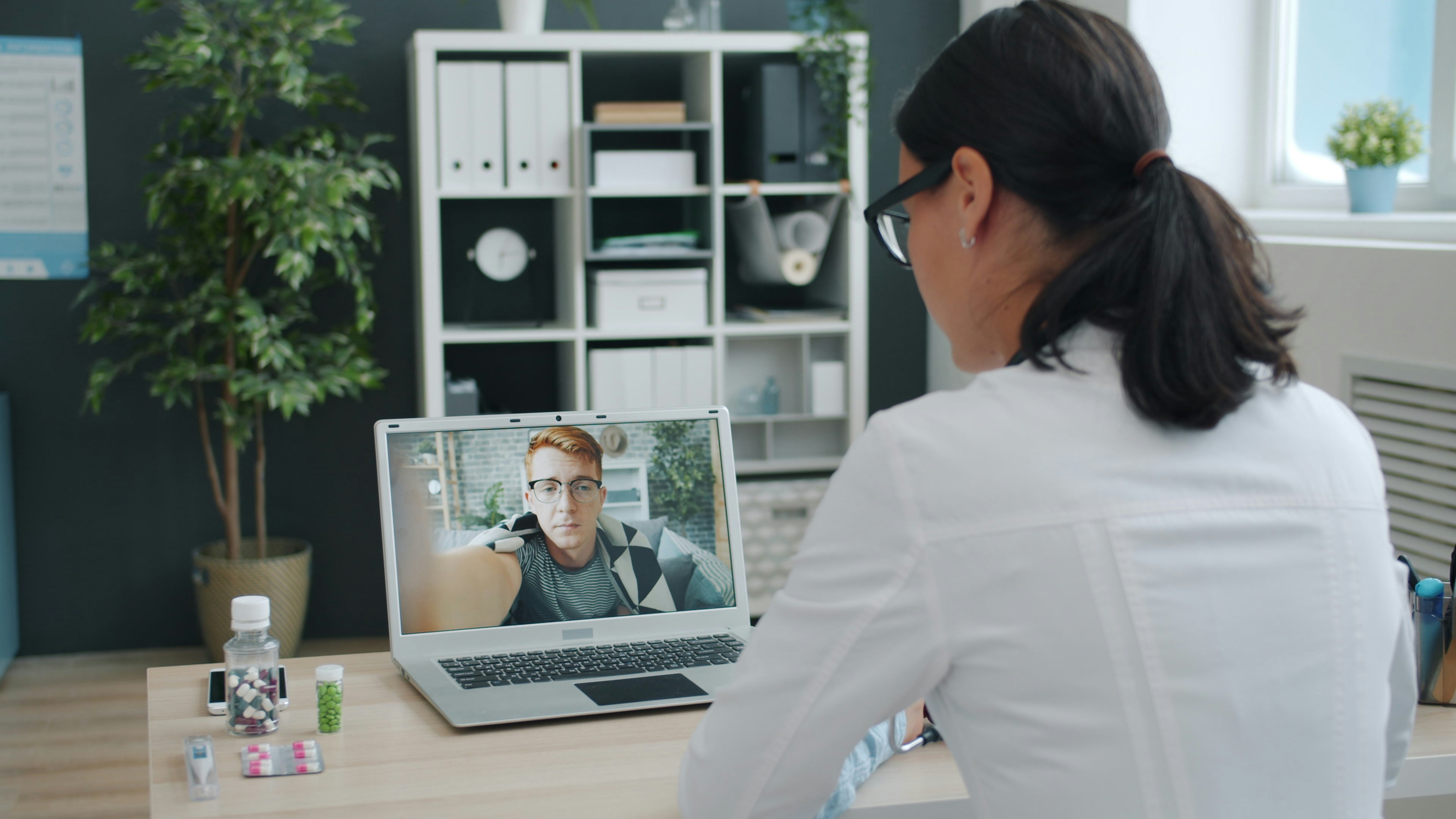
Your first visit is usually an hour-long video appointment where your provider reviews your history, medications, and goals, including any concerns about alcohol. Follow-up appointments allow your provider to assess how well the treatment is working and adjust medication, if necessary. You can reach the care team 24/7 by email or text for any quick questions in between appointments.
Blossom works with many insurance plans, so check your coverage when you book. Get started with Blossom Health, and you could be seen within days.
Medical Disclaimer
This article is for informational purposes only and is not a substitute for professional medical advice. If you are experiencing a mental health crisis, call or text the 988 Suicide and Crisis Lifeline.
Sources
U.S. Food and Drug Administration. (August, 2023). Zoloft (sertraline hydrochloride) prescribing information and Medication Guide. https://www.accessdata.fda.gov/drugsatfda_docs/label/2023/019839s108,20990s062lbl.pdf
StatPearls. (February 13, 2023). Sertraline. https://www.ncbi.nlm.nih.gov/books/NBK547689/
LiverTox, National Institute of Diabetes and Digestive and Kidney Diseases. (April 08, 2020). Sertraline. https://www.ncbi.nlm.nih.gov/books/NBK548513/
National Institute on Alcohol Abuse and Alcoholism. (Revised 2014). Harmful interactions: Mixing alcohol with medicines. https://www.niaaa.nih.gov/publications/brochures-and-fact-sheets/harmful-interactions-mixing-alcohol-with-medicines
Mayo Clinic. (September 11, 2025). Antidepressants and alcohol: What's the concern? https://www.mayoclinic.org/diseases-conditions/depression/expert-answers/antidepressants-and-alcohol/faq-20058231
McHugh, R. K., & Weiss, R. D. (2019). Alcohol use disorder and depressive disorders. Alcohol Research: Current Reviews, 40(1). https://pmc.ncbi.nlm.nih.gov/articles/PMC6799954/
Grant, B. F., Stinson, F. S., Dawson, D. A., et al. (2004). Prevalence and co-occurrence of substance use disorders and independent mood and anxiety disorders: Results from the National Epidemiologic Survey on Alcohol and Related Conditions. Archives of General Psychiatry, 61(8), 807–816. https://doi.org/10.1001/archpsyc.61.8.807
Pettinati, H. M., et al. (2010). A double-blind, placebo-controlled trial combining sertraline and naltrexone for treating co-occurring depression and alcohol dependence. American Journal of Psychiatry, 167(6), 668-675. https://pubmed.ncbi.nlm.nih.gov/20231324/
Centers for Disease Control and Prevention. (December 12, 2024). About standard drink sizes. https://www.cdc.gov/alcohol/standard-drink-sizes/index.html
Substance Abuse and Mental Health Services Administration. SAMHSA's National Helpline. https://www.samhsa.gov/find-help/helplines/national-helpline
988 Suicide & Crisis Lifeline. https://988lifeline.org/