Prazosin is a blood pressure medication that some clinicians prescribe off-label to reduce nightmares, most often for people living with post-traumatic stress disorder (PTSD). Early studies suggested that prazosin might help calm the nighttime adrenaline surges linked to PTSD nightmares, which sparked interest in the medication. Later research has painted a more mixed picture. Understanding what the evidence shows and what it doesn’t can help you have a more informed conversation with your prescriber.
Key Takeaways
Nightmares are often a core PTSD symptom: Repeated trauma-related nightmares are one of the ways PTSD resurfaces, and losing sleep to them night after night takes its own toll.
Prazosin is a blood pressure medication used off-label here: It is approved to treat high blood pressure. Prescribing it for nightmares is an off-label use, which is legal and common, but it means the FDA has not reviewed the medication for that purpose.
Studies suggest mixed results about how well it works: Early results looked promising, a large 2018 trial found no benefit over placebo, and a 2025 analysis pooling 10 trials found it did help nightmares and sleep, though not PTSD symptoms overall.
What Is Prazosin?
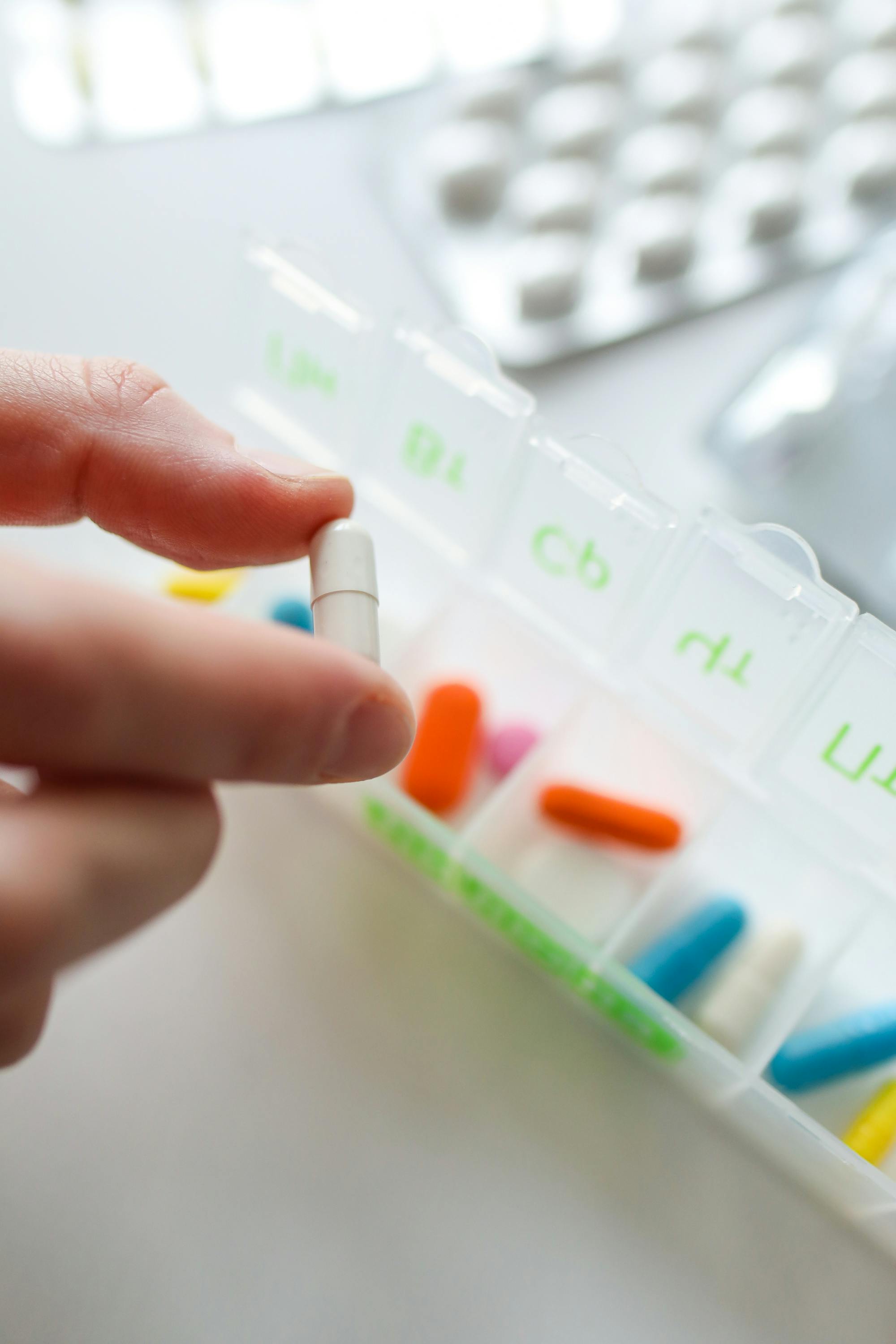
Prazosin is an alpha-blocker. It relaxes the blood vessels so that blood moves through them more easily. You may see it under the brand name Minipress. Its approved use is to treat high blood pressure. Using it for nightmares is off-label. That means a prescriber is using an approved medication for a purpose the FDA has not formally reviewed. This is legal and happens across medicine.
For nightmares, prazosin is generally taken at bedtime rather than spread throughout the day.
How Common Are Trauma-Related Nightmares?
Nightmares are one of the standard ways PTSD shows up. They fall under what clinicians call re-experiencing symptoms, alongside flashbacks and intrusive memories, and they tend to surface when something reminds you of the trauma.
PTSD is more common than you might think. National data estimates that about 3.6% of American adults experience PTSD in a given year, while 6.8% experience it at some point in their lives. Rates are higher among women than men (5.2% vs. 1.8%), and about 36.6% of people with PTSD have symptoms that seriously interfere with daily life. These figures come from a survey conducted in the early 2000s, so they are a rough guide rather than a current count.
Not everyone with PTSD has nightmares, and not everyone with nightmares has PTSD. But when the two go together, sleep often becomes something to dread rather than look forward to, and that can feed back into daytime symptoms.
How Prazosin Is Thought to Work
Understanding why researchers looked at prazosin in the first place helps explain how it may work for PTSD symptoms. Adrenaline, and a close relative called noradrenaline, help drive the body's alarm response. In PTSD, that alarm system is thought to stay more active than it should, including overnight. The theory is that this heightened nighttime activity feeds the vivid, threatening dreams people describe.
Prazosin blocks one of the receptors that adrenaline acts on. In blood vessels, that blocking is what lowers blood pressure. In the brain, the idea is that it may quiet some of that overnight alarm signaling, so dreams become less intense or less frequent.
That is a plausible mechanism, and it is worth being clear that plausible is not the same as proven. A medication can work the way theory predicts and still fail to help people in practice, which is part of what makes the research on prazosin so interesting.
What the Research Shows
Interest in prazosin started with several small studies in the 2000s, many involving military veterans. These studies suggested that prazosin could reduce nightmares or make them less distressing compared with placebo. But a larger study later told a different story.
The 2018 PACT trial included 304 veterans. After 10 weeks, prazosin and placebo performed similarly when researchers looked at distressing dreams, sleep quality, and overall improvement. The results were still similar after 26 weeks.
A 2025 analysis that combined 10 trials involving 648 people found more encouraging results. Prazosin appeared to improve nightmares and insomnia compared with placebo, although it did not improve overall PTSD symptoms. This supports the idea that prazosin may be more useful for sleep-related symptoms than for PTSD as a whole.
So why do the studies disagree? They looked at different groups of people, used different doses, and measured symptoms in different ways. Nightmares are also difficult to measure objectively, which can make results harder to compare.
Among the medications listed for PTSD are sertraline, paroxetine, and venlafaxine. Prazosin is not included among these medications. This does not mean prazosin should not be used, but it does help put its role in context; it may be considered for certain sleep-related PTSD symptoms rather than as a first-line treatment for PTSD.
Who Might Consider Prazosin
Prazosin is not a first-line treatment for PTSD, and it is not aimed at the condition as a whole. It tends to come up in more specific situations:
When nightmares are the main problem: If trauma-related dreams are what keep disrupting your sleep, prazosin may target that symptom directly. The evidence is relatively stronger for sleep than for PTSD symptoms generally.
When sleep is not improving with therapy alone: Trauma-focused therapy is the foundation of PTSD treatment, but nightmares sometimes persist alongside it.
When you would rather avoid a habit-forming option: Prazosin is not a controlled substance, which matters to people wary of taking a sedative long term.
Other situations call for more caution:
You already have low blood pressure or take medication for it. The effects can stack, and dizziness is often the most common complaint.
You are prone to falls or fainting.
Taking a first dose safely at home is difficult. Guidance is to take it at bedtime and avoid driving for 24 hours afterward, which may take some planning.
What to Expect If You Are Prescribed Prazosin
Prazosin is usually started at a low dose, typically with 1 mg taken at bedtime when it’s being used for nightmares. If needed, your provider can gradually increase the dose over the following weeks.
The first dose should be taken before bed, and the same caution can apply after any increase. It’s best to avoid driving or operating machinery for 24 hours afterward, since a sudden drop in blood pressure can leave you feeling dizzy or caught off guard.
A few things worth knowing going in:
Effects are not immediate: This is not a medication where one dose settles the question. Prescribers typically want several weeks at a given dose before judging it.
The dose that helps may vary widely: Some people may respond at low doses, while others may need more, and some might not respond at all.
It treats a symptom, not the condition: Prazosin is aimed at nightmares. It is not a treatment for PTSD itself, and it is usually considered alongside therapy rather than instead of it. Our overview of medications used for PTSD covers the broader picture.
Stopping abruptly is not advised: Talk to your prescriber before changing anything, including if you think it is not working.
Side Effects and Safety
The most discussed risk with prazosin is its effects on blood pressure, particularly early on. Prazosin may cause fainting with sudden loss of consciousness, usually within 30 to 90 minutes of a first dose. This may usually happen when treatment starts at 2 mg or higher, which is why starting at 1 mg matters.
More commonly, people report dizziness or lightheadedness, especially when standing up from lying or sitting. Rising slowly tends to help. Other reported effects include weakness, tiredness, headache, and nausea.
Some effects call for prompt medical attention. These are listed below:
Hives, rash, or difficulty breathing
Chest pain or an irregular heartbeat
Fainting, or repeated near-fainting
A painful erection lasting more than a few hours, which is a medical emergency
Risk is higher if you already take blood pressure medication, since the effects can add up. The same goes for anything else that lowers blood pressure or causes drowsiness, including alcohol.
When to Talk to a Healthcare Provider
Nightmares that keep returning are worth raising with a prescriber, whether or not prazosin ends up being part of the answer. It is worth starting that conversation if:
Nightmares are waking you regularly, or you find yourself avoiding sleep
Daytime functioning is slipping because of how you are sleeping
You are already taking prazosin and see no change after several weeks
You feel dizzy or faint after a dose, particularly after starting or increasing it
You are using alcohol or other substances to get to sleep
It also helps to know what you are treating. Trauma symptoms can look different depending on whether they follow a single event or years of it, and our comparison of CPTSD and PTSD covers that distinction.
How Blossom Health Can Help
Blossom Health offers virtual psychiatric care to help you understand whether prazosin may be appropriate for your symptoms. A licensed psychiatric provider can review your symptoms, other medications, and treatment history, then discuss dosing, side effects, and next steps with you. In-network insurance may be accepted, depending on your plan and location. To learn more, you can visit Blossom Health.
Medical Disclaimer
This article is for informational purposes only and is not a substitute for professional medical advice. Always consult a qualified healthcare provider before starting, changing, or stopping any medication. If you are experiencing a mental health crisis, call or text the 988 Suicide and Crisis Lifeline.
Sources
MedlinePlus. (December 15, 2025). Prazosin. https://medlineplus.gov/druginfo/meds/a682245.html
MedlinePlus. (October 17, 2023). Post-Traumatic Stress Disorder. https://medlineplus.gov/posttraumaticstressdisorder.html
DailyMed. (September 1, 2022). Prazosin hydrochloride capsule prescribing information. https://dailymed.nlm.nih.gov/dailymed/drugInfo.cfm?setid=1ce90aaf-d075-4617-9a47-e8d922096d23
U.S. Department of Veterans Affairs, National Center for PTSD. (May 7, 2026). Medications for PTSD. https://www.ptsd.va.gov/understand_tx/medications.asp
National Institute of Mental Health. Post-Traumatic Stress Disorder (PTSD) Statistics, based on National Comorbidity Survey Replication data. https://www.nimh.nih.gov/health/statistics/post-traumatic-stress-disorder-ptsd
National Institute of Mental Health. (December 2024). Traumatic Events and Post-Traumatic Stress Disorder. https://www.nimh.nih.gov/health/topics/post-traumatic-stress-disorder-ptsd
Raskind MA, Peskind ER, Chow B, et al. (February 8, 2018). Trial of Prazosin for Post-Traumatic Stress Disorder in Military Veterans. New England Journal of Medicine. https://pubmed.ncbi.nlm.nih.gov/29414272/
Mendes TP, Pereira BG, Coutinho ESF, et al. (2025). Factors impacting prazosin efficacy for nightmares and insomnia in PTSD patients: a systematic review and meta-regression analysis. Progress in Neuro-Psychopharmacology and Biological Psychiatry. https://pubmed.ncbi.nlm.nih.gov/39828080/