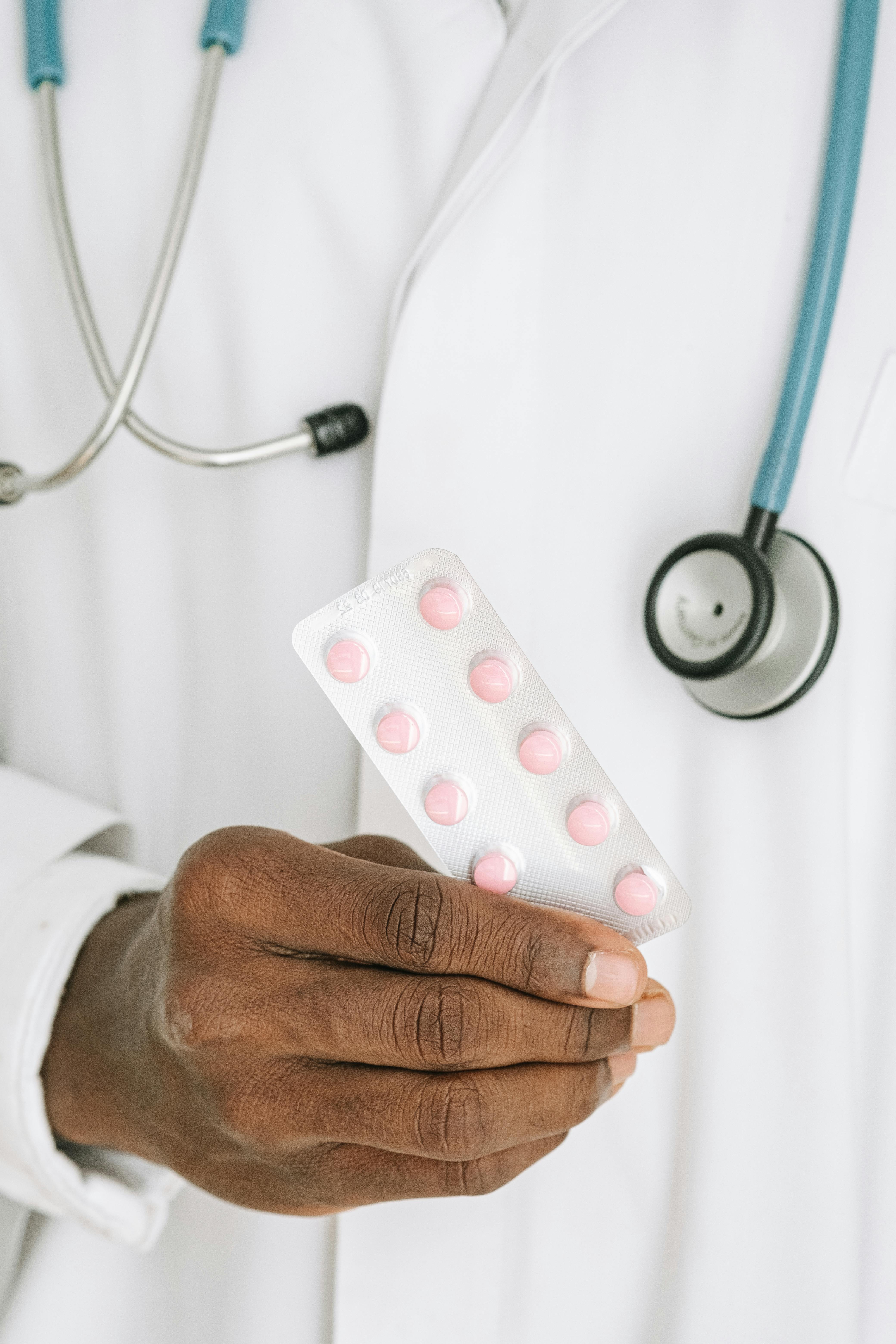
Propranolol is a beta-blocker that slows your heart rate and lowers blood pressure, and many people take it for performance anxiety (off-label), migraine prevention, high blood pressure, or heart conditions. Because alcohol also affects blood pressure and alertness, combining the two can intensify side effects like dizziness and fatigue. Knowing how this interaction works can help you make safer choices and have a more informed conversation with your prescriber.
Key Takeaways
Alcohol use and anxiety can occur together: Some studies suggest that up to 50% of people receiving treatment for problematic alcohol use also meet criteria for at least one anxiety disorder. Although this doesn’t apply to everyone who consumes alcohol, it does cause people to wonder whether it is safe to mix propranolol and alcohol.
The combination can amplify side effects: Alcohol may raise the amount of propranolol in your bloodstream, and both substances can lower blood pressure, which may lead to dizziness, lightheadedness, fainting, or changes in heart rate. The degree of risk varies with the person, dose, formulation, and amount of alcohol consumed.
Ask before you drink: Your prescriber can tell you whether any alcohol is reasonable for you, and you should never skip or stop propranolol on your own to make room for drinking.
What is Propranolol?
Propranolol is a nonselective beta blocker, meaning it blocks the effects of adrenaline on beta receptors throughout the body, including the heart, blood vessels, and lungs. This slows the heart rate and reduces the force of each heartbeat.
The FDA has approved propranolol for high blood pressure, migraine prevention, and several heart conditions. Clinicians also prescribe it off-label for anxiety, particularly the physical symptoms of performance anxiety, such as a pounding heart, shaking hands, or a trembling voice. The specific FDA-approved uses differ by product, so check the prescribing information for the formulation you take.
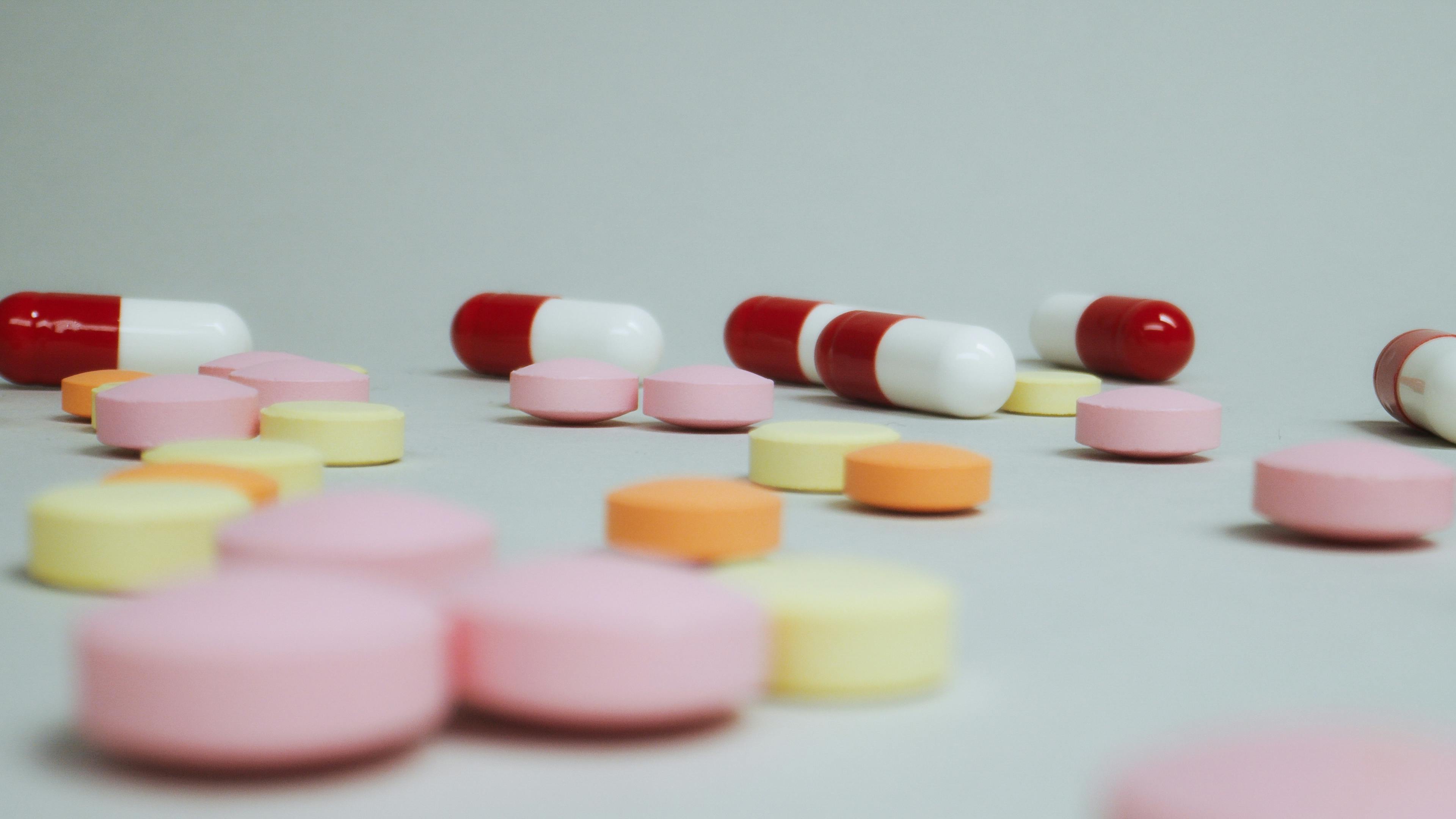
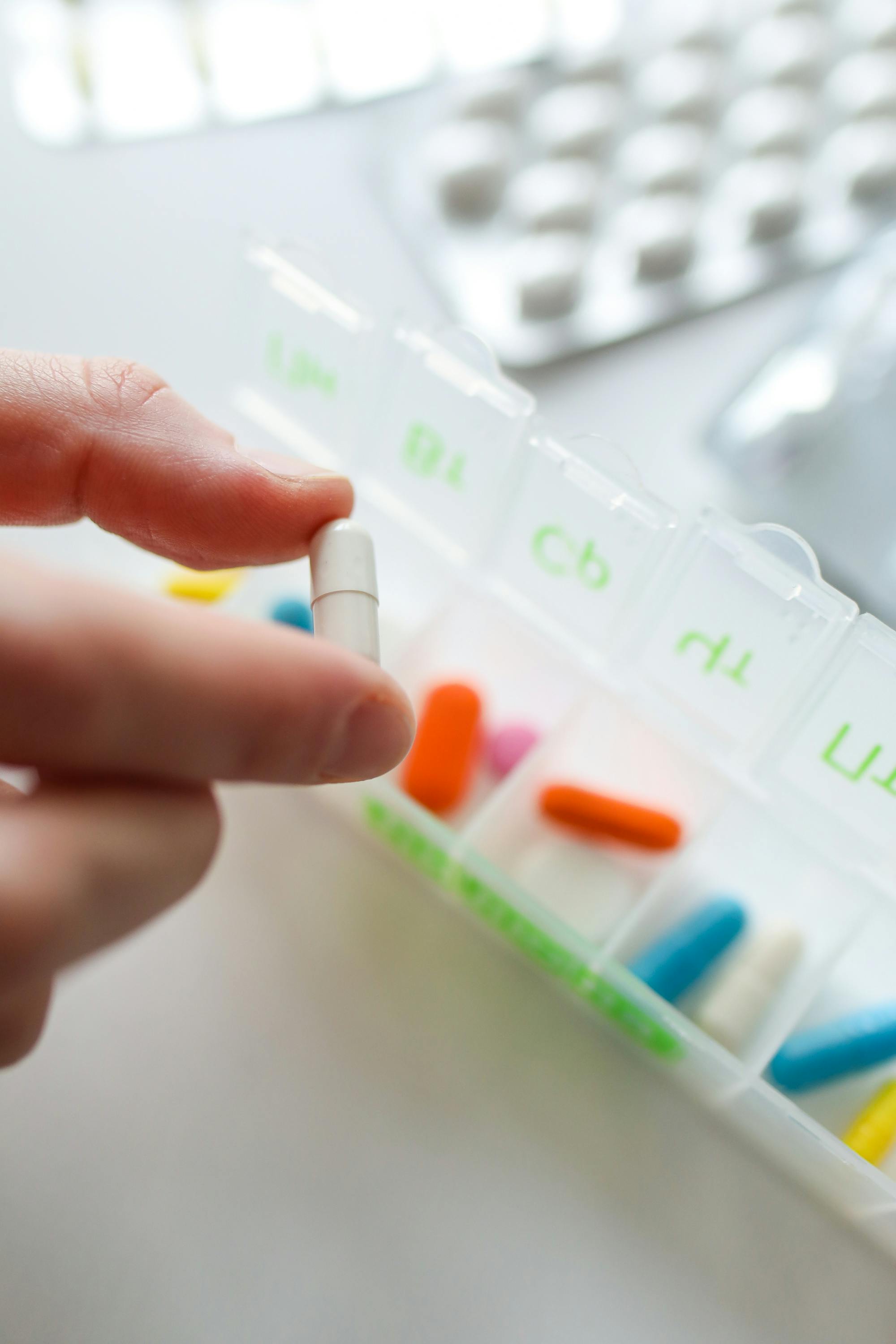
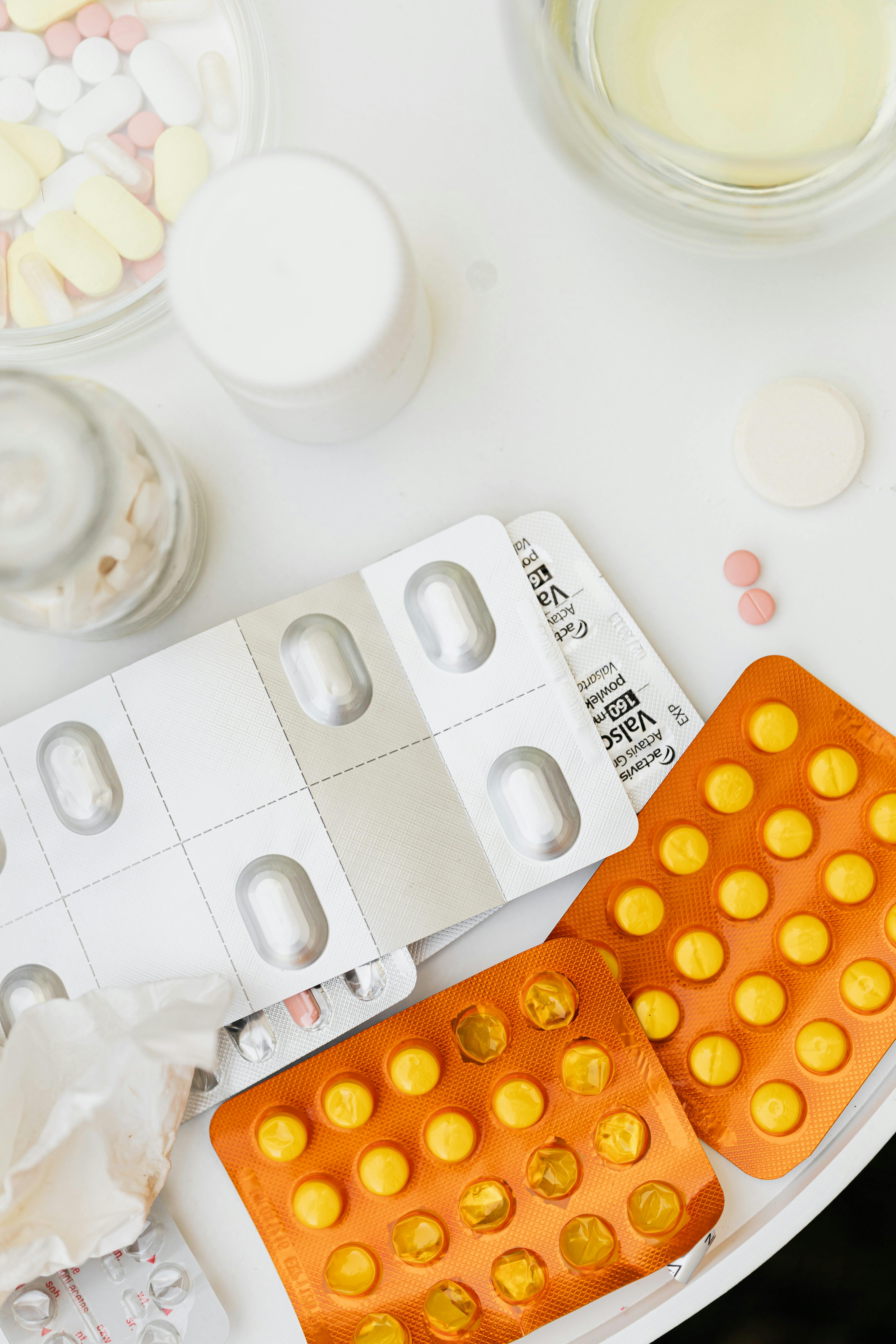
Propranolol is currently available in several forms, including immediate-release tablets, extended-release capsules, an oral solution, and an injectable formulation. For anxiety, the immediate-release tablet is often taken before a specific event or several times a day, while extended-release capsules are taken once daily. Because these versions are absorbed and cleared at different speeds, the way alcohol interacts with your dose may depend on which one you take.
The exact dosage of propranolol depends on the condition being treated and the specific formulation. It is important to follow your prescriber’s individualized instructions.
How Propranolol Helps With Anxiety
Propranolol doesn't target anxious thoughts directly or treat an anxiety disorder more broadly. Instead, it temporarily dampens the body's "fight or flight" response and thus reduces the physical symptoms of anxiety. This, in turn, can make situations like public speaking feel more manageable. Many people take it shortly before a stressful event, so that its effects are felt when they are most needed. Since propranolol does not directly treat anxious thoughts or avoidance, its usefulness depends on the symptoms and situation being addressed.
Evidence supporting propranolol for anxiety disorders is limited. A 2016 systematic review found that the available trials were insufficient to support routine use. A later systematic review and meta-analysis also found no clear evidence that beta blockers were more effective than placebo or benzodiazepines for social anxiety or panic disorder. Propranolol may still be prescribed off-label for certain situational physical symptoms, but it is not an established treatment for anxiety disorders generally.
For panic disorder and social anxiety disorder, providers typically start with SSRIs or other antidepressants instead.
How Does Alcohol Interact With Propranolol?
Alcohol and propranolol interact in a few different ways. Some effects involve how your body processes the medication, while others come from the two substances producing similar effects at the same time.
Alcohol May Raise Propranolol Levels
Official prescribing information notes that alcohol may increase plasma levels of propranolol when the two are used together. Consumer drug guidance echoes this, noting that alcohol may increase the amount of propranolol in your body. Higher levels of propranolol could make side effects more noticeable in some people. However, alcohol itself can have physical effects independent of propranolol, as discussed below.
Both Can Lower Blood Pressure
As a beta-blocker, propranolol lowers blood pressure, and drinking can also cause blood vessels to widen in the short term, which may, in some cases, cause an initial drop in blood pressure. When taken together, they may increase the risk of light-headedness or fainting, particularly in people who are susceptible to low blood pressure or who take other medicines that affect blood pressure. This can happen especially when people stand up too quickly. Federal guidance lists blood pressure medications among the drugs that can cause dizziness, fainting, and drowsiness when mixed with alcohol.
Both Can Cause Fatigue and Dizziness
Fatigue and dizziness are among the common side effects of propranolol, while alcohol is a CNS depressant that can impair alertness, reaction time, and coordination. Combining them may make these effects more pronounced. Avoid driving or operating machinery after drinking, particularly if you feel dizzy or sleepy.
Heavy Drinking Works Against Blood Pressure Control
Over time, regular heavy drinking can contribute to high blood pressure. A meta-analysis of 36 trials found that reducing alcohol lowered blood pressure in people who drank more than two drinks per day. The largest effect was reported among people who took six or more drinks per day and reduced intake by around 50%. If you take propranolol for high blood pressure, discuss your alcohol use with your clinician as part of your overall blood pressure management plan.
Possible Side Effects of Mixing Propranolol and Alcohol
How strongly you feel the combination depends on your dose, how much you drink, your body size, and other medications you take. Possible effects include:
Dizziness or lightheadedness: Associated with low blood pressure, this is often most noticeable when standing up from sitting or lying down.
Fainting: A larger drop in blood pressure can cause a brief loss of consciousness and a risk of falls.
Unusual tiredness: Feeling drained, heavy, or slow to respond. Propranolol can cause tiredness as a side effect. Alcohol consumption can also cause tiredness and slow down response, which may cause these effects to intensify.
Changes in heart rate: Propranolol can slow your heart rate, and alcohol may increase propranolol-related side effects.
Poor coordination: Increased risk of accidents and injuries; a higher risk for older adults.
Low blood sugar: Propranolol can mask some warning signs of low blood sugar, such as a rapid heartbeat. Alcohol can also complicate blood sugar management, particularly for people with diabetes who use insulin or certain glucose-lowering medicines..
Who Should Be Especially Careful With Alcohol on Propranolol?
Some people are more likely to feel strong effects from mixing alcohol with propranolol. You may want to be particularly cautious, and to check with your prescriber before drinking at all, if any of the following apply to you:
Older adults: Aging slows the body's ability to process alcohol, and older people are at particularly high risk for harmful alcohol and medication interactions, including falls.
People with diabetes: Because propranolol can mask some effects of low blood sugar and alcohol can also affect blood sugar, people with diabetes may have a higher risk of complications.
People taking other blood pressure or sedating medications: Additional medications that lower blood pressure or cause drowsiness can intensify the effects of propranolol and alcohol.
People with heart rhythm problems or heart failure: Propranolol can be unsuitable for some people with a slow heart rate or certain conduction disorders. Heart failure also requires individualized assessment..
People using alcohol to cope with low mood or anxiety: Alcohol can worsen mood or anxiety for some people and may make it harder to manage symptoms over time. If you find yourself drinking to cope, consider discussing this with a healthcare professional so you can get support tailored to your needs.
How Common Are Alcohol and Anxiety Together?
If you take propranolol for anxiety, it's worth looking at the bigger picture of how drinking and anxiety affect each other. Alcohol-related problems and anxiety frequently co-occur, with some research showing that more than half of people under treatment for problematic alcohol-use meet the criteria for anxiety disorders.
Moreover, the relationship can work in both directions. Some people drink to cope with anxiety, while alcohol use can also contribute to worsening anxiety symptoms. Studies have shown that alcohol use can increase anxiety, which can create a cycle where drinking and anxiety feed each other.
Tips for Staying Safe
Only your prescriber can tell you whether drinking is reasonable with your specific dose and health history. If you've been told an occasional drink is acceptable, these general habits may help lower your risk:
Ask first: Talk with your prescriber or pharmacist before drinking, especially if you have heart disease, diabetes, asthma, or liver problems.
Do not assume a small amount is safe: The risk depends on your dose, formulation, health conditions, other medicines, and individual response. Ask your prescriber or pharmacist whether you should avoid alcohol altogether.
Stand up slowly: Pause before getting up from a seated or lying position.
Don't drive after drinking: The combination may affect your alertness and reaction time more than you expect.
Never skip doses to drink: Take propranolol only as prescribed, and do not stop regular treatment or change your dose without medical advice..
When to Seek Medical Attention
Some reactions need prompt care. Call 911 or go to the nearest emergency room if you have fainting, chest pain, a very slow or irregular heartbeat, trouble breathing, or confusion after taking propranolol and alcohol.
It's also important to reach out for support if you notice that drinking has become a way to cope with anxiety or low mood. You can contact SAMHSA's National Helpline at 1-800-662-4357 for free, confidential treatment referrals any time. If you're having thoughts of harming yourself, call or text 988.
How Blossom Health Can Help
If you're relying on alcohol to manage anxiety, or you're unsure whether propranolol is the right fit, a psychiatric provider can help you sort through your options. Blossom Health connects you with board-certified psychiatric providers for virtual care, and every provider can evaluate your symptoms, review how alcohol fits into the picture, and prescribe medication when appropriate.
For some people, that might mean adjusting how propranolol is used. For others, it might mean exploring non-addictive anxiety medication options that treat anxiety more broadly. Blossom works with many insurance plans, so check your coverage and book your first appointment with Blossom Health.
Medical Disclaimer
This article is for informational purposes only and is not a substitute for professional medical advice. If you are in crisis or thinking about harming yourself, call or text 988 or call 911.
Sources
U.S. Food and Drug Administration. (2023). Inderal LA (propranolol hydrochloride) long-acting capsules prescribing information. https://www.accessdata.fda.gov/drugsatfda_docs/label/2023/018553s048s052lbl.pdf
StatPearls. (Accessed October 6, 2026). Propranolol. NCBI Bookshelf. https://www.ncbi.nlm.nih.gov/books/NBK557801/
MedlinePlus, National Library of Medicine. (Accessed October 6, 2026). Propranolol. https://medlineplus.gov/druginfo/meds/a682607.html
National Institute on Alcohol Abuse and Alcoholism. (Accessed October 6, 2026). Harmful interactions: Mixing alcohol with medicines. https://www.niaaa.nih.gov/publications/brochures-and-fact-sheets/harmful-interactions-mixing-alcohol-with-medicines
Steenen SA, et al. (2016). Propranolol for the treatment of anxiety disorders: Systematic review and meta-analysis. Journal of Psychopharmacology, 30(2), 128-139. https://pmc.ncbi.nlm.nih.gov/articles/PMC4724794/
Roerecke M, et al. (2017). The effect of a reduction in alcohol consumption on blood pressure: A systematic review and meta-analysis. Lancet Public Health, 2(2), e108-e120. https://pmc.ncbi.nlm.nih.gov/articles/PMC6118407/
Anker JJ, Kushner MG. (2019). Co-occurring alcohol use disorder and anxiety: Bridging psychiatric, psychological, and neurobiological perspectives. Alcohol Research: Current Reviews, 40(1). https://pmc.ncbi.nlm.nih.gov/articles/PMC6927748/
Smith JP, Randall CL. (2012). Anxiety and alcohol use disorders: Comorbidity and treatment considerations. Alcohol Research: Current Reviews, 34(4), 414. https://pmc.ncbi.nlm.nih.gov/articles/PMC3860396/
Substance Abuse and Mental Health Services Administration. (Accessed October 6, 2026). SAMHSA's National Helpline. https://www.samhsa.gov/find-help/helplines/national-helpline
National Institute of Mental Health. (Accessed October 6, 2026). Mental health medications. https://www.nimh.nih.gov/health/topics/mental-health-medications