
There is no single best time of day to take Zoloft (sertraline) for anxiety. Prescribing guidance allows once-daily dosing either in the morning or evening. However, the better choice for you often depends on how the medication affects your sleep, energy, and other side effects.
What matters more is taking it consistently at roughly the same time every day. This is because steady blood levels help the medication to do its work as intended.
Key Takeaways
Morning and evening are both acceptable. Standard dosing guidance for sertraline allows once-daily dosing at either time. The best time depends on how you respond to the medication and which schedule you can follow consistently.
Let side effects guide the timing. If Zoloft makes you drowsy, taking it in the evening might work better. If it disrupts your sleep or makes you feel restless at night, taking it in the morning is generally the smarter choice. Nausea often improves when the dose is taken with food.
Consistency matters more than the timing. Sertraline has a half-life of roughly 26 hours, so taking it at about the same time daily can help keep the levels steady. If you want to change your dosing time, talk with your prescriber first rather than shifting it on your own.
Is There a Best Time of Day to Take Zoloft for Anxiety?
For most people, there is no universally best time to take Zoloft for anxiety. Clinical dosing guidance for sertraline states that it is taken orally once daily in either the morning or the evening. If someone experiences drowsiness on sertraline, taking it in the evening may be more appropriate.
In practice, prescribers consider how medications affect you when determining a treatment plan. The starting point is whichever time you are most likely to remember. From there, timing usually gets adjusted based on the side effects you experience, not on a general rule about anxiety.
This is different from how some other medications work. Certain medications are timed to match the body's natural rhythms or taken right before a specific event. This is what sets Zoloft apart from other anxiety medications. Its effects build up gradually rather than immediately after a dose.
For this reason, choosing a time you can follow consistently is generally more important than choosing a particular hour.
How Zoloft Works and Why Timing Is Flexible
Zoloft belongs to a class of medications called selective serotonin reuptake inhibitors (SSRIs). These medications mainly work by slowing the reabsorption of serotonin between nerve cells. This in turn leaves more of serotonin available in the spaces where cells communicate. The changes associated with its therapeutic effects develop gradually, which is why it can take several weeks to notice meaningful improvement in anxiety.
Sertraline has an average half-life of roughly 26 hours, meaning it takes about that long for your body to clear half of a given dose. Because a new dose arrives before the previous one is eliminated, the medication reaches relatively stable levels in the body over a few weeks. Staying consistent and taking Zoloft exactly as prescribed is important, as a single dose typically does not produce a same-day calming effect the way other as-needed anxiety medication might.
Once you reach that steady state, your blood level fluctuates only modestly across the day regardless of when you take it. That is why prescribing guidance can leave the choice open, and why FDA prescribing information specifies a once-daily schedule without naming a required time.
When Morning Is the Better Time to Take Zoloft
Morning dosing may be a better fit if Zoloft makes you feel more alert or affects your sleep. Signs that morning dosing may be worth discussing include:
You have trouble falling asleep or staying asleep after starting Zoloft
You feel restless, jittery, or wired in the evening
You have vivid dreams or unusually broken sleep
Your anxiety tends to be worst in the morning and you want the routine anchored there
You already take other medications in the morning and want a single reliable habit
Insomnia is one of the common early side effects of SSRIs, and it can make people want to move their dose to the morning. A meta-analysis of 21 antidepressants found that insomnia was a reported side effect of sertraline along with several other SSRIs, with the risk appearing to increase at higher doses.
Some people try taking Zoloft at night and may experience disrupted sleep. If sleep problems begin or become noticeably worse after starting Zoloft, let your healthcare provider know. Moving the dose to the morning may help some people, but persistent insomnia may require a detailed overview of medications and other factors.
If you already struggled with nighttime anxiety before starting medication, it can be hard to tell whether Zoloft is contributing. This explanation of why anxiety spikes at night can help you sort out what is medication and what was already there.
When Nighttime Is the Better Time to Take Zoloft
Evening dosing may be a better fit when the medication makes you sleepy or when daytime side effects get in the way. Consider taking Zoloft at night if:
You feel drowsy, foggy, or unusually tired within a few hours of your dose
Nausea is worst shortly after taking it and you would rather sleep through that window
You get headaches or lightheadedness in the first hours after a dose
Your evening routine is more consistent than your morning one
Your prescriber has suggested it based on how you responded to a previous SSRI
Somnolence, meaning daytime sleepiness, can occur with SSRIs and clinical guidelines describe it as one of the reasons to switch to evening dosing.
If you experience drowsiness during the day, or struggle to concentrate at work after you take Zoloft, it might help to discuss these effects with your healthcare provider. They can help determine whether timing or medication is the problem.
If nighttime anxiety is affecting your sleep, medication may not be the only factor. This look at waking up with anxiety covers other factors that can contribute to disrupted sleep and difficult mornings.
Let Side Effects Guide Your Zoloft Timing
The most useful way to approach Zoloft timing is to treat it as a response to what you actually experience rather than a decision made in advance. Common side effects that may warrant adjustments include:
Trouble Falling or Staying Asleep
If Zoloft is keeping you up, taking it after breakfast gives your body most of the day to move past the peak concentration before bedtime. Many people notice a difference within a week of switching to morning dose.
If insomnia persists after the timing change, it’s worth discussing with your healthcare provider. They can consider whether the dose, the medication itself, or other factors may be contributing.
Daytime Drowsiness and Fatigue
Like insomnia, drowsiness is the mirror image problem and usually has the mirror image fix. Moving the dose to the evening can help shift the sleepiest hours into the time you would be asleep anyway. If drowsiness still lingers even with evening dosing, it is worth checking whether another medication, poor sleep quality, or the anxiety itself is contributing.
Nausea and Stomach Upset
Nausea is one of the most common early side effects of sertraline and usually fades within the first few weeks. Clinical guidelines suggest that sertraline can be taken with or without food, so taking your dose with a meal or snack may be worth trying if you experience stomach upset.
If nausea is severe, persistent, or makes it difficult to eat or drink, contact your prescriber. They can help determine whether a timing change, dose adjustment, or another approach might help. In some cases, pairing it with your largest meal of the day can be a reasonable first adjustment.
Early Restlessness or Increased Anxiety
Some people may feel more anxious, agitated, or physically restless in the first week or two when starting an SSRI or after a dose increase. These effects may improve as the body adjusts to the medication or when the timing is adjusted. Your provider can also choose to start at a lower dose and move up slowly.
If the restlessness is severe or comes with agitation or thoughts of self-harm, contact your prescriber promptly or seek urgent help.
Should You Take Zoloft With Food?
Zoloft can be taken with or without a meal and clinical guidelines suggest that absorption may improve when it is taken with food.
In practical terms, many people who experience nausea or stomach upset find it more manageable when the dose is paired with something to eat.
What matters is picking one approach and sticking with it. Taking your dose with a full breakfast some days and on an empty stomach on others introduces variability that can make side effects feel unpredictable. If you decide to take it with food, aim for something similar each day.
Why Consistency Matters More Than the Clock
The best dosing time is often the one you can follow consistently. Missed and irregular doses can be more disruptive to anxiety treatment than choosing morning over evening.
A few habits that can help include:
Attach the dose to something you already do daily, like brushing your teeth or making coffee
Keep your medication where that routine happens rather than in a cabinet you rarely open
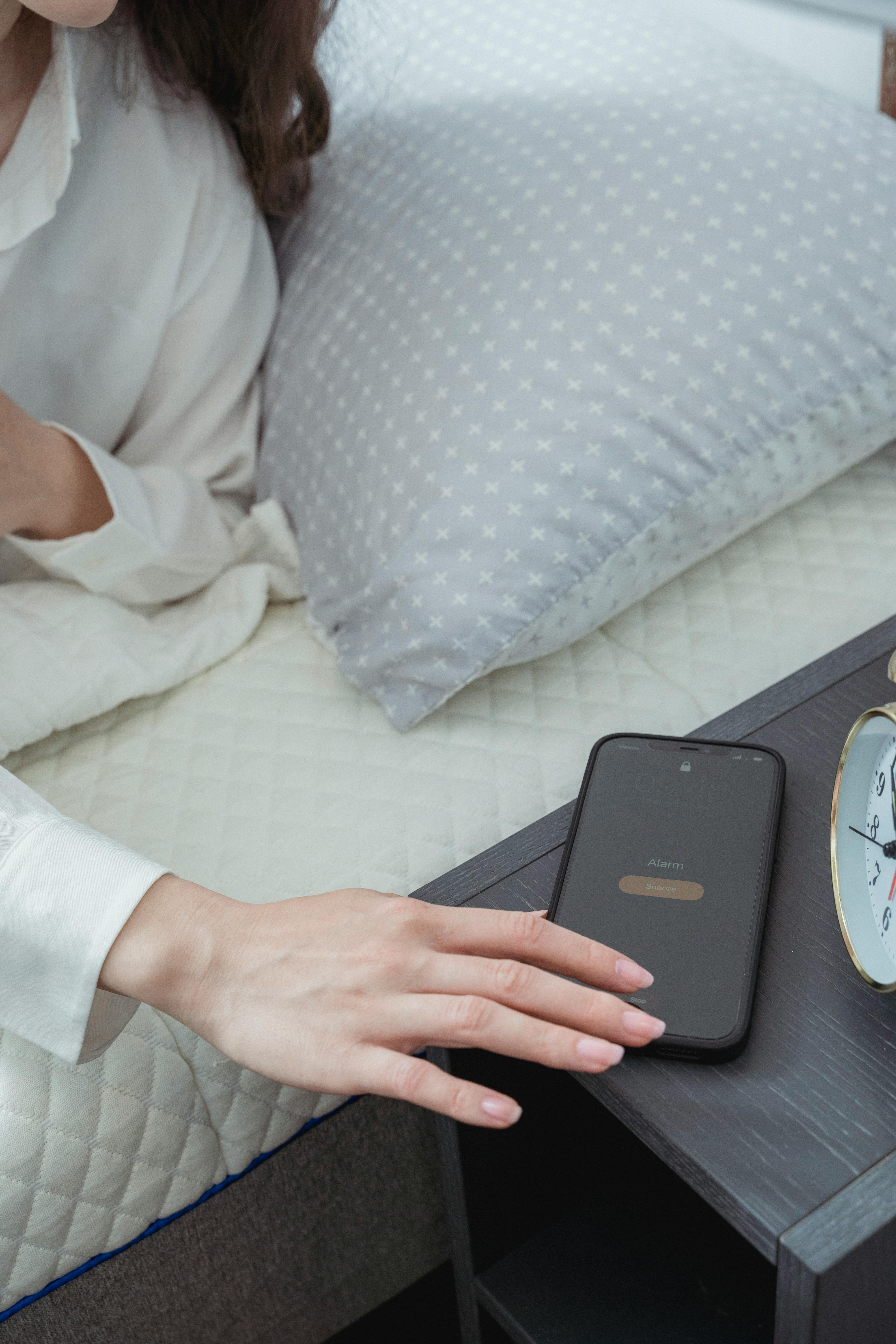
Use a phone alarm for the first month, when the habit is still forming
Set up automatic refills so you are never rationing tablets at the end of a month
Keep a short daily note on sleep, nausea, and anxiety level for the first few weeks to give your prescriber real data
Running out of medication is its own form of interruption, and unplanned gaps can lead to discontinuation symptoms. This walkthrough on refilling psychiatric medication online covers how to avoid that gap.
How to Change Your Zoloft Timing Safely
Switching from morning to evening or the other way around is usually straightforward. However, the transition might need a little planning so you do not accidentally double up or skip a dose. Talk with your prescriber before making the change, then follow the plan:
Confirm the switch with your prescriber. They may suggest a specific approach based on your dose and how long you have been taking it.
Choose the transition day. A day off or a lighter day is usually easier than one with early commitments.
Shift gradually if the gap is large. Moving the dose by a few hours a day over several days can be gentler than a sudden 12-hour jump.
Do not take two doses in one 24-hour period unless your prescriber specifically tells you to.
Watch the first week. Sleep, nausea, and energy are the things to track, and report anything that may get worse rather than better.
What to Do If You Miss a Dose of Zoloft
A missed dose is common and rarely a crisis. General guidance for once-daily medications is to take the missed dose when you remember, unless it is nearly time for the next one. In which case you skip it and resume your normal schedule. Doubling up to catch up can increase the chance of nausea and other side effects without providing extra benefit.
Missing several doses in a row is different. Stopping suddenly can cause discontinuation symptoms including dizziness, flu-like feelings, irritability, and brief electrical sensations. If you have missed more than a couple of days, check in with your prescriber before simply restarting at your previous dose.
How Long Zoloft Takes to Work for Anxiety
Timing questions often come up because people are hoping to feel a difference sooner. Understanding the typical timeline can help set realistic expectations.
Zoloft is not an as-needed medication and does not produce same-day calming effects. Some people may notice early changes in sleep, appetite, and physical tension within the first few weeks. The more meaningful improvement in anxiety symptoms, including less worry, less avoidance, and better day-to-day functioning, typically takes 4 to 8 weeks at a therapeutic dose.
Guidelines from the National Institute of Mental Health (NIMH) suggest that this is considered a normal timeline for antidepressants used in anxiety and depression. If you reach the 6 to 8 week mark with little improvement, a dose adjustment is often the next step rather than stopping the medication.
Research on antidepressant dosing suggests the lower end of the approved range may work well for many adults. Sertraline has a relatively wide range that runs from 50 to 200 mg daily, which leaves considerable room to increase the dose before switching to another medication. This overview of signs an antidepressant dose is too low can help explain what prescribers may look for.
People comparing options sometimes find it useful to see how sertraline compares with other common first-line SSRIs.
When to Talk With Your Prescriber
Timing adjustments may help reduce Zoloft side effects, but it might not be an appropriate solution for everyone. Reach out to your prescriber if:
Sleep problems persist for more than a week or two after switching your dosing time
Daytime drowsiness is affecting your ability to work or drive safely
Nausea has not improved after two to three weeks or is preventing you from eating normally
Anxiety has clearly worsened rather than improved since starting
You notice agitation, unusual irritability, or a sudden change in mood
You have new or worsening thoughts of harming yourself, which warrants contacting your prescriber the same day
Anxiety treatment can also work better when paired with other approaches, including therapy. Clinical guidelines suggest psychotherapy, particularly cognitive behavioral therapy (CBT), as effective on its own and in combination with medication. Lifestyle changes such as sleep, exercise, and caffeine intake can all influence how anxiety symptoms may feel day to day.
How Blossom Health Can Help
Questions about timing, side effects, and dose adjustments are easier to manage when you have a psychiatric provider who knows your treatment history. Blossom Health is a telehealth psychiatry practice where every provider can prescribe, so the person managing your medication is the same one who knows your history.
Getting started takes three steps:
Share your state and insurance. You enter where you live and which plan you have, and we check what your coverage looks like.
Pick a time that works. You choose an appointment slot, and we match you with a provider on our team who fits your needs, schedule, and insurance.
Confirm your details. You add a few more details about yourself, and your appointment is set. Most people are seen within days.
Your first appointment is usually an hour-long video visit covering your symptoms, medical history, current medications, and treatment goals. After that, you can reach the care team by email and text 24 hours a day. This is important in the first few weeks when timing and side effects are still being sorted out. You can check your coverage and book a first appointment to see what is available in your state.
If you are unsure who handles this kind of medication, this overview of who can prescribe antidepressants can help explain how the provider types differ.
Medical Disclaimer
This article is for educational purposes only and does not constitute medical advice. The information provided should not replace consultation with a qualified healthcare provider. Individual responses to medications can vary significantly, and what applies to one person may not be the same for another.
Always consult with your doctor or pharmacist before making any decisions about medication changes, discontinuation, or interactions with other substances. If you’re experiencing concerning symptoms or side effects, please seek professional help from a healthcare provider.
In case of a medical emergency, contact your local emergency services immediately or call 911. For mental health emergencies, contact the National Suicide Prevention Lifeline at 988.
Sources
U.S. Food and Drug Administration. (August, 2023). Zoloft (sertraline) tablets and oral solution prescribing information. accessdata.fda.gov
Singh HK, Saadabadi A. Sertraline. [Updated 2023 Feb 13]. In: StatPearls [Internet]. Treasure Island (FL): StatPearls Publishing; 2026 Jan-. Available from: https://www.ncbi.nlm.nih.gov/books/NBK547689/
Zhou, S., Li, P., Lv, X., Lai, X., Liu, Z., Zhou, J., Liu, F., Tao, Y., Zhang, M., Yu, X., Tian, J., & Sun, F. (2023). Adverse effects of 21 antidepressants on sleep during acute-phase treatment in major depressive disorder: a systemic review and dose-effect network meta-analysis. Sleep, 46(10), zsad177. https://doi.org/10.1093/sleep/zsad177
National Institute of Mental Health. (December, 2023). Mental Health Medications. https://www.nimh.nih.gov/health/topics/mental-health-medications
National Institute of Mental Health. (December, 2024). Anxiety Disorders. https://www.nimh.nih.gov/health/topics/anxiety-disorders
National Institute of Mental Health. Any Anxiety Disorder. https://www.nimh.nih.gov/health/statistics/any-anxiety-disorder
Furukawa, T. A., Cipriani, A., Cowen, P. J., Leucht, S., Egger, M., & Salanti, G. (2019). Optimal dose of selective serotonin reuptake inhibitors, venlafaxine, and mirtazapine in major depression: a systematic review and dose-response meta-analysis. The lancet. Psychiatry, 6(7), 601–609. https://doi.org/10.1016/S2215-0366(19)30217-2
Sheffler ZM, Patel P, Abdijadid S. Antidepressants. [Updated 2026 Jul 15]. In: StatPearls [Internet]. Treasure Island (FL): StatPearls Publishing; 2026 Jan-. Available from: https://www.ncbi.nlm.nih.gov/books/NBK538182/
Sohel AJ, Shutter MC, Patel P, et al. Fluoxetine. [Updated 2024 Feb 28]. In: StatPearls [Internet]. Treasure Island (FL): StatPearls Publishing; 2026 Jan-. Available from: https://www.ncbi.nlm.nih.gov/books/NBK459223/
Landy K, Rosani A, Estevez R. Escitalopram. [Updated 2023 Nov 10]. In: StatPearls [Internet]. Treasure Island (FL): StatPearls Publishing; 2026 Jan-. Available from: https://www.ncbi.nlm.nih.gov/books/NBK557734/
Cleveland Clinic. (July 03, 2024). Anxiety Disorders. https://my.clevelandclinic.org/health/diseases/9536-anxiety-disorders