Mood Stabilizers for Depression and Anxiety: What They Treat and How They Work
Author:
Blossom Editorial


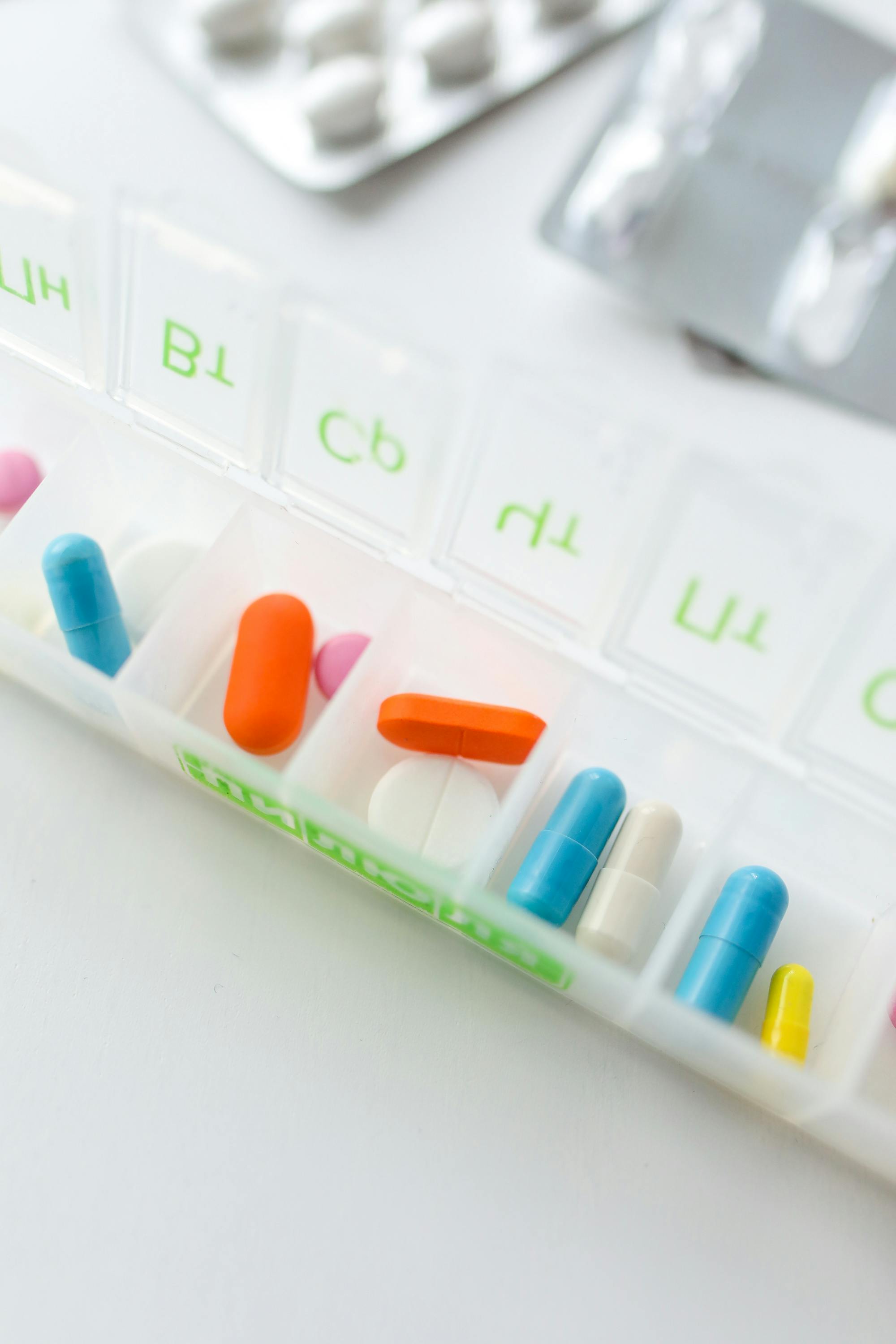
Mood stabilizers are medications used to control extreme mood episodes and maintain long-term mood stability, most often in bipolar disorder. The category includes lithium, certain anti-seizure medications such as lamotrigine and valproate, and several atypical antipsychotics with mood-stabilizing properties.
This guide explains what each commonly used mood stabilizer actually treats, where the evidence for depression is strongest, what the research does and does not support for anxiety, and what monitoring these medications require.
Key Takeaways
Mood stabilizers are primarily bipolar medications: Their FDA approvals center on manic, mixed, and depressive episodes in bipolar disorder rather than on standalone major depression or anxiety disorders.
Two have specific depression evidence: Lamotrigine is approved for maintenance treatment of bipolar I disorder and is particularly associated with preventing depressive episodes, while quetiapine is approved as monotherapy for acute bipolar depression.
Anxiety relief is usually indirect: Anxiety commonly occurs alongside bipolar disorder, and stabilizing mood often reduces anxiety symptoms, but no mood stabilizer is FDA-approved to treat an anxiety disorder itself.
What Are Mood Stabilizers?
The medications most commonly grouped under mood stabilizers are lithium, valproic acid, carbamazepine, lamotrigine, and selected atypical antipsychotics. What links them is a shared purpose: controlling acute mood episodes and reducing the frequency and severity of future ones.
Some mood stabilizers are much better at preventing mania than depression.
Are Mood Stabilizers Used for Depression and Anxiety?
Mood stabilizers are used for depression in three fairly distinct situations. The first is bipolar depression, where standard antidepressants used alone carry a risk of triggering mania and are generally not recommended for first-line use. The second is treatment-resistant unipolar depression, where lithium has a long history as an augmentation strategy added to an existing antidepressant. The third is bipolar maintenance, where the goal is preventing future depressive episodes rather than treating a current one.
For anxiety, the picture is different. Anxiety disorders are extremely common in people with bipolar disorder, and treating the mood disorder often reduces anxiety symptoms as a downstream effect. But that is not the same as a medication having anxiolytic properties. Prescribing a mood stabilizer for anxiety alone, in someone with no mood disorder, is not a standard approach.
If you are being offered a mood stabilizer and your primary complaint is anxiety, it is entirely reasonable to ask your prescriber to explain the reasoning. Sometimes the answer is a suspected underlying mood disorder that has not yet been named, which is useful information to have.
How Often Do Anxiety and Bipolar Disorder Occur Together?
The overlap is substantial, which is part of why this question comes up so often. A study found that 40.5% of people with bipolar disorder experience an anxiety disorder at some point in their lives. Rates included 18.1% for panic disorder, 13.3% for generalized anxiety disorder, 13.5% for social anxiety disorder, and 9.7% for OCD.
A separate study found that about 60% of individuals with bipolar disorder had at least one lifetime comorbid anxiety disorder, and that those individuals went on to experience more depressive and manic episodes and sought treatment more often than those without anxiety. The practical implication is that anxiety in someone with bipolar disorder is not a side issue. It is associated with a harder course of illness and usually needs its own attention in the treatment plan.
Mood Stabilizers Used for Depression: How Each One Compares
Each medication works differently and is used for different purposes, so they usually aren’t interchangeable. The right choice depends on your symptoms, treatment needs, and how you respond to the medication.
Lamotrigine (Lamictal)
Lamotrigine is FDA-approved for maintenance treatment of bipolar I disorder. It is the mood stabilizer most closely associated with the depressive pole, and it is also used off-label in acute bipolar depression and unipolar depression.
Its major limitation is the titration schedule. Lamotrigine carries a boxed warning for serious and potentially life-threatening rash, including Stevens-Johnson syndrome, and the risk rises if the starting dose or the rate of escalation is exceeded. That means dosing typically begins around 25 mg daily and increases in small increments over several weeks, so reaching a therapeutic dose takes time. Doses must also be adjusted when combined with valproate, which slows lamotrigine clearance, or with enzyme-inducing medications, which speed it up.
In exchange, lamotrigine tends to be weight-neutral and does not require routine blood level monitoring, which many people find considerably easier to live with than the alternatives.
Lithium
Lithium is approved as monotherapy or combination therapy for acute manic and mixed episodes and as maintenance therapy for bipolar disorder in patients aged 7 and older. It is also used off-label as an augmentation agent added to an antidepressant in treatment-resistant depression.
The tradeoff is monitoring. Lithium has a narrow therapeutic index, meaning the gap between an effective level and a toxic one is small, so periodic blood levels are required along with kidney and thyroid function testing. Clinical guidance also indicates that lower doses and lower target levels are generally preferred in older adults, and that lithium should be tapered gradually over about three months when stopping, since rapid discontinuation raises relapse risk. Dehydration, certain blood pressure medications, and non-steroidal anti-inflammatory drugs (NSAIDs) can all push lithium levels upward.
Quetiapine (Seroquel)
Quetiapine is an atypical antipsychotic with mood-stabilizing properties, and it holds an unusual approval: according to its FDA label, it is indicated as monotherapy for the acute treatment of depressive episodes associated with bipolar disorder. It is also approved for acute manic episodes and as an adjunct for bipolar I maintenance.
Sedation is the defining practical issue with quetiapine. In the bipolar depression trials described in the label, somnolence was reported in 57% of patients taking quetiapine compared with 15% of those taking placebo. Weight gain and metabolic changes affecting blood sugar and lipids are also common and require periodic monitoring. For some people, the sedation is genuinely useful, particularly when sleep is disrupted, but it can be the reason many people stop taking it.
Valproic Acid
Valproic acid (VPA) and its derivatives are approved as monotherapy or combination therapy for acute manic and mixed episodes, and are also used in seizure disorders and migraine prevention. It is a long-standing option in bipolar treatment, often combined with lithium or lamotrigine when a single agent is not enough.
Its strength is on the manic side rather than the depressive side. VPA also carries significant safety considerations, including risks to liver function, effects on blood counts, and serious risks in pregnancy, which is why it is generally avoided in people who may become pregnant. Blood level monitoring and periodic lab work are standard with VPA use.
Carbamazepine (Tegretol, Equetro)
Carbamazepine is used in acute manic and mixed episodes and is more often reached for when other options have not worked. Its main practical complication is that it induces liver enzymes, meaning it speeds the metabolism of many other medications, including hormonal contraceptives and, notably, lamotrigine. It also requires monitoring of blood counts and sodium levels. Because of these interactions, it tends to be reserved for specific situations rather than used as a starting point.
Here’s a summary of each of the above-mentioned drugs and their use in depression:
Medication | Primary approved role | Depression use | Key monitoring |
|---|---|---|---|
Lamotrigine | Bipolar I maintenance | Strongest on the depressive pole | Watch for rash during titration |
Lithium | Acute mania and bipolar maintenance | Used off-label to augment antidepressants | Blood levels, kidney, thyroid |
Quetiapine | Acute bipolar depression and mania | Approved for acute bipolar depression | Weight, blood sugar, lipids |
Valproic Acid | Acute manic and mixed episodes | Limited for depression | Liver, blood counts, drug levels |
Carbamazepine | Acute manic and mixed episodes | Limited for depression | Blood counts, sodium, interactions |
Do Mood Stabilizers Help With Anxiety? What the Evidence Shows
This is where clarity matters most, because the gap between common practice and strong evidence is wider than it is for depression.
No mood stabilizer currently holds FDA approval for the treatment of an anxiety disorder. Quetiapine has been studied for generalized anxiety disorder (GAD), but it is not approved for this use because of its risk of sedation and metabolic side effects compared with safer options.
What clinicians do observe is that when someone has both bipolar disorder and an anxiety disorder, stabilizing mood frequently reduces anxiety as well. Mood episodes themselves generate a great deal of anxiety, and preventing them removes a major driver. That is a real and meaningful benefit, but it is a different claim than saying the medication treats anxiety directly.
For anxiety without a mood disorder, first-line pharmacologic options are typically selective serotonin reuptake inhibitors (SSRIs) and serotonin and norepinephrine reuptake inhibitors (SNRIs), often combined with cognitive behavioral therapy. Blossom covers alternatives with lower dependence risk in a guide to non-addictive anxiety medication.
Monitoring and Lab Work for Mood Stabilizers
Mood stabilizers generally require more ongoing monitoring than antidepressants, and knowing what to expect makes the commitment easier to plan around.
Baseline labs: Kidney and thyroid function before starting lithium, liver function and blood counts before valproate or carbamazepine.
Drug levels: Lithium, VPA, and carbamazepine all have measurable therapeutic ranges checked periodically, especially after dose changes.
Metabolic screening: Weight, blood pressure, blood glucose, and lipids for quetiapine and other atypical antipsychotics.
Rash checks: Any new rash during lamotrigine titration should be reported the same day rather than at the next visit.
Pregnancy planning: Several of these medications carry significant risks in pregnancy, so plans should be discussed well in advance.
Interaction review: New medications, including over-the-counter pain relievers and hormonal contraceptives, can shift levels meaningfully.
Common Side Effects of Mood Stabilizers
Side effect profiles differ enough between these medications, so they are worth reviewing individually rather than as a class.
Lithium: Increased thirst and urination, hand tremor, nausea, weight gain, and effects on thyroid and kidney function over time.
Lamotrigine: Headache, dizziness, nausea, and the risk of rash that drives the slow titration schedule.
Quetiapine: Pronounced sedation, dry mouth, dizziness, increased appetite, weight gain, and metabolic changes.
Valproate: Nausea, tremor, hair thinning, weight gain, and elevated liver enzymes.
Carbamazepine: Dizziness, drowsiness, low sodium, and reduced effectiveness of other medications through enzyme induction.
When to Seek Medical Attention on a Mood Stabilizer
Certain symptoms require prompt medical evaluation rather than waiting for a scheduled visit. Any new rash while taking lamotrigine should be reported immediately, particularly if it involves blistering, mouth sores, or fever. Signs of possible lithium toxicity, including coarse tremor, persistent vomiting or diarrhea, severe drowsiness, confusion, slurred speech, or unsteady walking, warrant urgent care.
Call your provider if you develop yellowing of the skin or eyes, unusual bruising or bleeding, a fever with sore throat, or severe abdominal pain while taking valproate or carbamazepine. A sudden increase in energy paired with reduced need for sleep, racing thoughts, or impulsive behavior can signal a mood episode and should be evaluated quickly.
If you are having thoughts of harming yourself, reach out for help right away. You can call or text 988 to reach the Suicide and Crisis Lifeline at any hour. Do not stop a mood stabilizer abruptly on your own, since sudden discontinuation is associated with a meaningfully higher relapse risk.
How Blossom Health Can Help
Blossom Health is a telehealth psychiatry platform that connects you with board-certified psychiatric providers for virtual care covered by in-network insurance. Because mood stabilizer treatment depends heavily on accurate diagnosis and consistent follow-up, being seen by a provider who can both evaluate and prescribe makes a practical difference.
Enter your state and insurance plan: Coverage is confirmed upfront so you know your costs before booking.
Choose a time that works for you: You are matched with a provider who fits your needs, schedule, and insurance, and most patients are seen within days.
Confirm your details and meet your provider: Your first visit is an hour-long video session covering your history, symptoms, medications, and goals, ending with a diagnosis and treatment plan where appropriate.
Follow-up matters especially here, since medications used for treatment require monitoring and dose adjustment over time. Blossom offers 24/7 email and text support between visits for questions about side effects, lab work, or refills. You can start with Blossom Health to see available providers in your state.
Medical Disclaimer
This article is for informational purposes only and is not a substitute for professional medical advice, diagnosis, or treatment. Always seek the advice of your physician or other qualified healthcare provider with any questions you may have regarding a medical condition or medication. Never start, stop, or change a prescription without consulting your provider. If you are experiencing a mental health crisis, contact the 988 Suicide and Crisis Lifeline by calling or texting 988.
Sources
Nath M, Patel P. 2026. Mood Stabilizers. StatPearls Publishing. ncbi.nlm.nih.gov
Chokhawala KP, Lee S, Saadabadi A. 2024. Lithium. StatPearls Publishing. ncbi.nlm.nih.gov
Betchel NT, Fariba KA, Saadabadi A. 2023. Lamotrigine. StatPearls Publishing. ncbi.nlm.nih.gov
Rahman M, Awosika AO, Nguyen H. 2024. Valproic Acid. StatPearls Publishing. ncbi.nlm.nih.gov
U.S. Food and Drug Administration. Lamictal (lamotrigine) prescribing information. accessdata.fda.gov
U.S. Food and Drug Administration. Seroquel (quetiapine fumarate) prescribing information. accessdata.fda.gov
Yapici Eser H et al. 2018. Prevalence and Associated Features of Anxiety Disorder Comorbidity in Bipolar Disorder: A Meta-Analysis and Meta-Regression Study. Front Psychiatry. pmc.ncbi.nlm.nih.gov
Sala R et al. 2012. Course of comorbid anxiety disorders among adults with bipolar disorder in the U.S. population. J Psychiatr Res. pmc.ncbi.nlm.nih.gov
National Institute of Mental Health. Bipolar Disorder Statistics. nimh.nih.gov
National Institute of Mental Health. Mental Health Medications. nimh.nih.gov
Cleveland Clinic. Mood Stabilizers. clevelandclinic.org