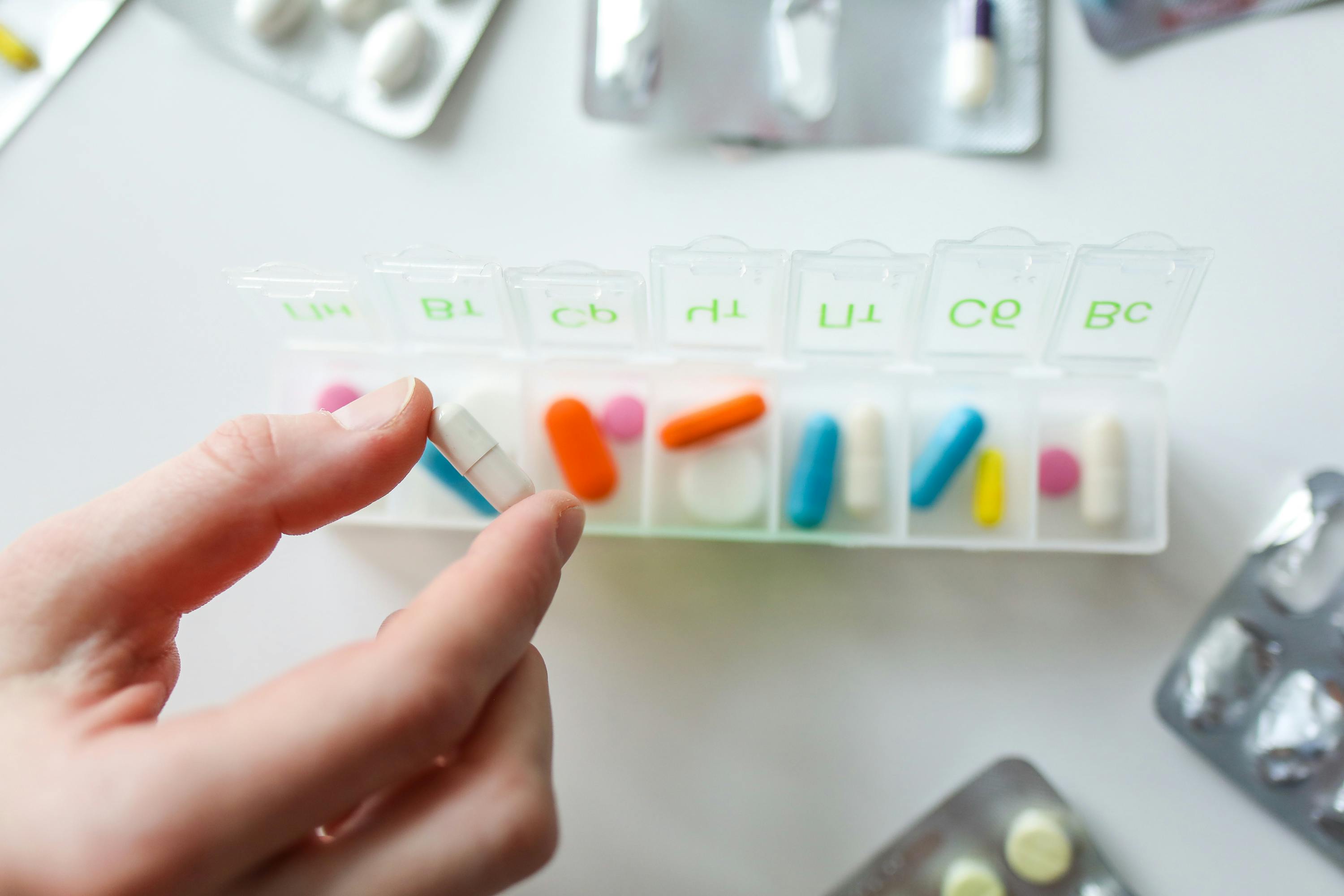
Prozac (fluoxetine) is a prescription medicine for depression, belonging to the class of antidepressants called selective serotonin reuptake inhibitors (SSRIs), but it is not classified as a controlled substance by the U.S. Drug Enforcement Administration.
Key Takeaways
Prozac is not a controlled substance: Fluoxetine, sold under the brand name Prozac, is a prescription-only medication, but it is not on any controlled substance schedule.
It is an SSRI, not a habit-forming drug: Prozac, which belongs to a class of antidepressants called selective serotonin reuptake inhibitors (SSRIs), has a very low potential for misuse, addiction, or drug-seeking behavior, unlike controlled substances.
A prescription is still required: Even though it is not scheduled, Prozac must be prescribed and monitored by a licensed provider, and stopping it suddenly can cause uncomfortable symptoms.
What is Prozac (Fluoxetine)?
Prozac is the brand name for fluoxetine, one of the first SSRIs approved in the United States. Fluoxetine is FDA-approved to treat several conditions, including major depressive disorder, obsessive-compulsive disorder, panic disorder, bulimia, and premenstrual dysphoric disorder.
Prozac works by blocking the reuptake of serotonin in the brain. Serotonin is a chemical messenger that helps regulate mood, sleep, appetite, and emotion. By keeping more serotonin available between nerve cells, Prozac can gradually ease symptoms of depression and anxiety. It is available as a generic and remains one of the most prescribed antidepressants.
Prozac was one of the first SSRIs to become widely used, and it helped change how depression is treated. It has a long history of use and a well-studied safety record. One feature that sets it apart from other SSRIs is its long half-life, which means that it stays in the body for a longer time and can affect how it is started and stopped.
Common Uses of Prozac
Prozac is prescribed for a range of mental health conditions, including:
Major depressive disorder
Panic disorder
Bulimia nervosa
Premenstrual dysphoric disorder (PMDD)
Bipolar depression, including treatment-resistant depression (combined with olanzapine)
What is a Controlled Substance?
A controlled substance is a drug whose manufacture, possession, and use are regulated because of its potential for misuse or dependence. The Controlled Substances Act of 1970 sorts these drugs into five schedules. Schedule I drugs have the highest potential for misuse and no accepted medical use, while Schedule V drugs have the lowest potential for misuse.
The Drug Enforcement Administration (DEA) maintains the official list of controlled substances. Examples include opioids, stimulants used for ADHD, and benzodiazepines used for anxiety. These medicines carry extra prescribing rules because they can lead to dependence or be misused.
Why Prozac is Not a Controlled Substance
Here’s why Prozac does not meet the criteria that would place it on a controlled substance schedule:
It does not cause dependence: Controlled substances are scheduled largely because they can lead to physical or psychological dependence. SSRIs like Prozac do not produce the cravings or compulsive use seen with controlled drugs. People do not get a high from Prozac.
It has a very low misuse potential: Because Prozac does not create euphoria or reinforce repeated use, it has little to no potential for misuse. This is a key reason the DEA has never placed it on a schedule.
It still requires a prescription: Not being controlled does not mean Prozac is available over the counter. It is a prescription-only medicine that should be taken under the guidance of a licensed provider who can adjust the dose and watch for side effects.
Is Prozac Addictive?
People sometimes confuse addiction with discontinuation symptoms. Addiction involves craving a substance and using it in ways that harm your life, even when you want to stop. Discontinuation symptoms are simply the body's response to a sudden change in a medicine it has gotten used to.
While Prozac is not addictive, stopping it suddenly can cause uncomfortable effects, sometimes called antidepressant discontinuation syndrome. These can include dizziness, flu-like feelings, irritability, and brief electrical sensations some people describe as brain zaps. This isn’t unique to Prozac; other antidepressants, such as Lexapro (escitalopram), can also cause discontinuation symptoms if stopped abruptly.
As Prozac stays in the body longer than most other SSRIs, discontinuation symptoms tend to be milder with this antidepressant than with other ones. Still, you should never stop taking it on your own, and a provider can help you taper the dose safely.
Controlled Medicines vs. Antidepressants Like Prozac
While some mental health medicines are controlled, others are not. The difference comes down to how the body responds to each medicine.
Some anxiety medicines, such as benzodiazepines, are controlled substances because they act quickly and can lead to dependence. Stimulants used for ADHD are also controlled for similar reasons. These medicines have rules about how often they can be refilled and how they are prescribed.
Antidepressants like Prozac work differently. They build their effect slowly over weeks and do not create a high or cravings. Because of this, they are not controlled and can usually be refilled like other regular prescriptions. This is true for SSRIs as a group, not just Prozac.
Important Safety Information
Remember the following when starting Prozac:
It can take 4 to 8 weeks to feel the full therapeutic effect. It is important to stick to the prescribed dose during this time.
Mixing it with alcohol is not recommended
Combining it with other serotonin-raising drugs can cause a rare but serious reaction called serotonin syndrome. Discuss all medications and herbal supplements with your prescriber.
Like all antidepressants, Prozac carries a boxed warning about increased suicidal thoughts in people under 25, especially early in treatment
What to Expect When Starting Prozac
Knowing what to expect can make starting a new antidepressant feel less stressful. Like most antidepressants, Prozac takes time to work, and the first few weeks are about giving your body time to adjust.
Many people notice small changes in sleep or energy within the first week or two, but the full effect on mood usually takes several weeks. Some people may have mild side effects early on, such as nausea, headache, or changes in sleep, which often ease as the body adjusts. Your provider may start you at a lower dose and adjust it based on how you respond.
It is helpful to keep regular check-ins with your provider during this period. They can track your progress, manage any side effects, and decide whether the dose needs to change. Staying in touch is especially important in the first few weeks of treatment.
Starting Prozac is just the first step; finding the right dose and knowing what to expect are just as important. At Blossom Health, our mental health professionals provide personalized support throughout your treatment, helping you manage side effects, monitor your progress, and adjust your medication if needed. With regular follow-ups and expert guidance, we help you use Prozac safely and effectively as part of a treatment plan tailored to your needs.
Medical Disclaimer
This article is for informational purposes only and is not a substitute for professional medical advice, diagnosis, or treatment. Always seek the advice of your physician or other qualified healthcare provider with any questions you may have regarding a medical condition or medication. If you are experiencing a mental health crisis, contact the 988 Suicide and Crisis Lifeline by calling or texting 988.
Sources
StatPearls. Fluoxetine. ncbi.nlm.nih.gov
StatPearls. Controlled Substance Schedules. ncbi.nlm.nih.gov
StatPearls. Drug Enforcement Administration Drug Scheduling. ncbi.nlm.nih.gov
StatPearls. Controlled Substance Act. ncbi.nlm.nih.gov
StatPearls. Selective Serotonin Reuptake Inhibitors. ncbi.nlm.nih.gov
National Institute of Mental Health. Mental Health Medications. nimh.nih.gov
StatPearls. Antidepressants. ncbi.nlm.nih.gov
Cleveland Clinic. Selective Serotonin Reuptake Inhibitors (SSRIs). clevelandclinic.org