Signs of Overstimulation in Adults: What It Feels Like and Why It Happens
Author:
Blossom Editorial


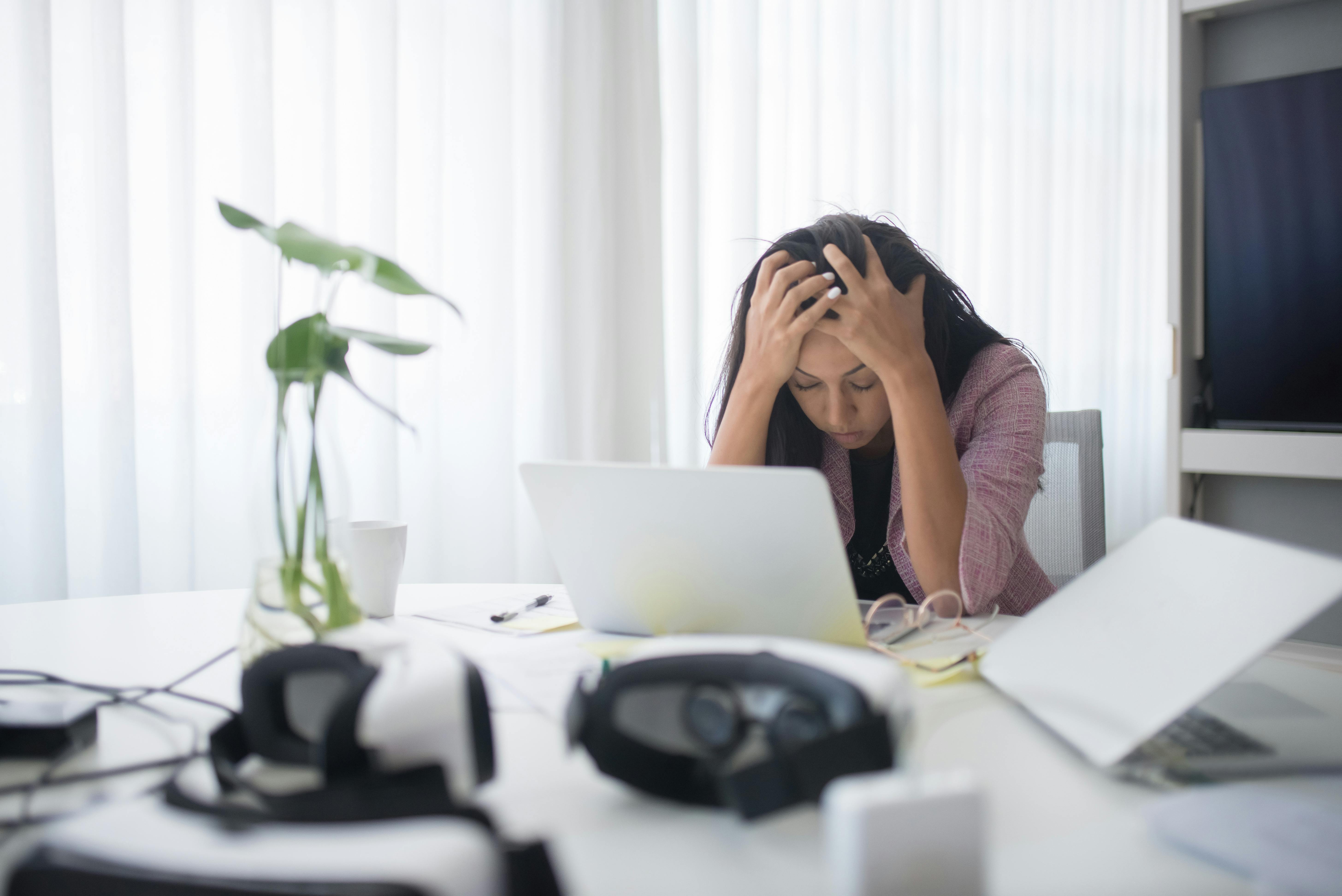
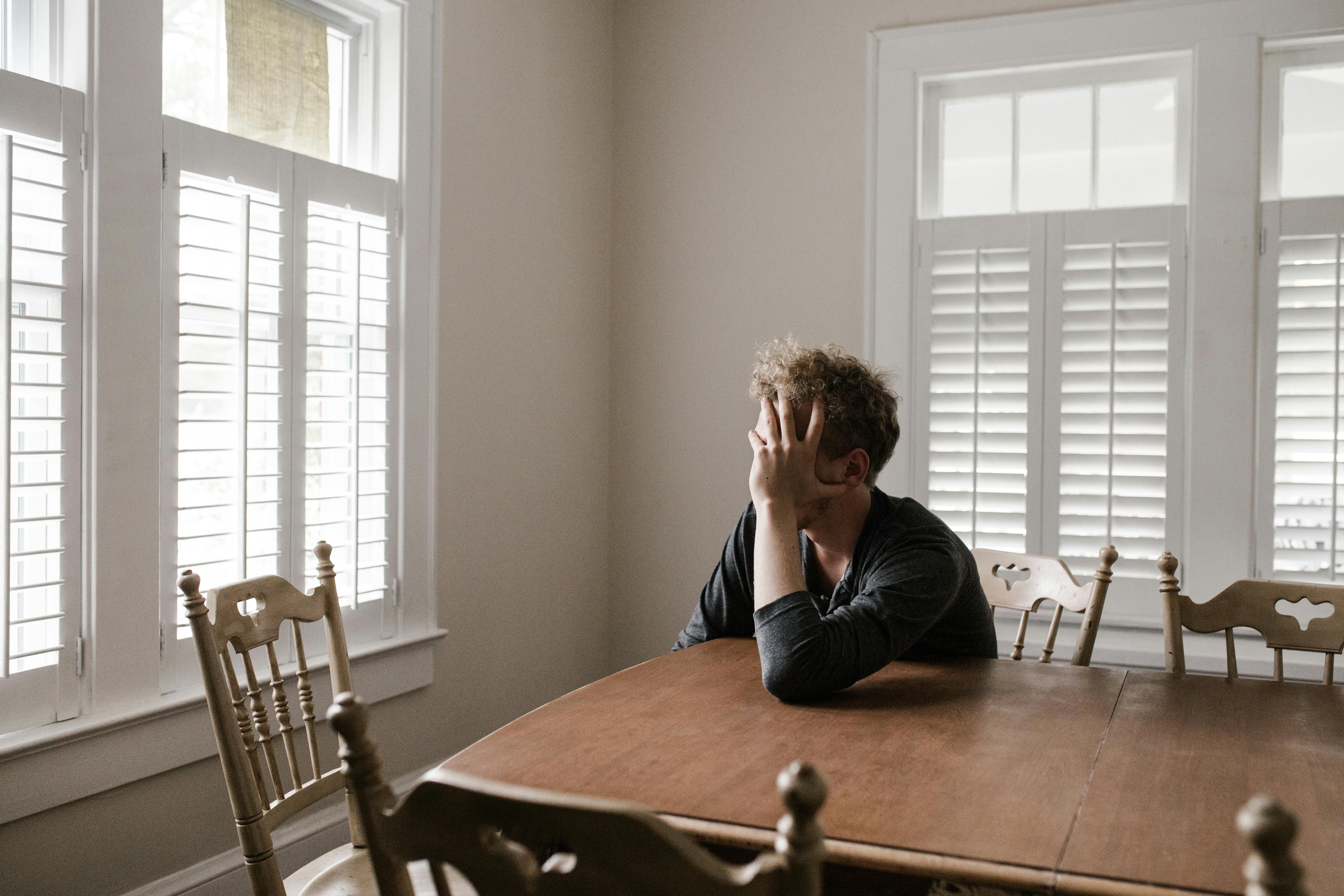
Overstimulation happens when your brain takes in more sensory or emotional input than it can comfortably sort through at once. Adults often describe it as feeling flooded, anxious, or suddenly desperate to escape from a situation. Spotting the early signs helps you step in before the feeling turns into a shutdown or an outburst.
Key Takeaways
Overstimulation is common and is not a diagnosis on its own: Anyone can feel overwhelmed by noise, light, crowds, or a heavy day, while sensory processing differences are also more commonly reported in conditions like ADHD and autism. Overstimulation may also occur alongside anxiety or trauma-related symptoms.
The signs cluster in four areas: Physical reactions like a racing heart, emotional reactions like irritability or feeling anxious or drained, thinking changes like brain fog, and behavior changes like snapping or going quiet.
Relief usually starts with reducing input: Stepping away, dimming the lights, softening sounds, and slowing your breathing help settle your nervous system, and repeated episodes are worth discussing with a psychiatric provider.
What is Overstimulation in Adults?
Overstimulation happens when incoming information exceeds what your nervous system can process in that moment. The input can be sensory, such as noise, bright lights, strong smells, or a crowded store. It can also be mental, such as back-to-back meetings or a long day of small decisions. It is also possible to be overstimulated by too many emotional or social demands that become difficult to manage.
Overstimulation is not a standalone diagnosis in the Diagnostic and Statistical Manual of Mental Disorders (DSM-5-TR), the manual clinicians use to diagnose mental health conditions. It is a nonclinical term that describes an experience, which is one reason many adults go for years without being able to name or identify it.
Two comparisons make the experience easier to understand.
Overstimulation vs. Everyday Stress
Stress is often linked to perceived demands or pressures, while overstimulation is more closely associated with feeling overwhelmed by sensory or other forms of input. However, stress and overstimulation can overlap. Reducing stimulating inputs may help with overstimulation, but it may not immediately resolve the effects of stress or anxiety.
Overstimulation vs. a Panic Attack
The two can feel similar physically and sometimes overlap. Overstimulation is usually described as feeling overwhelmed by too much sensory, mental, or emotional input, while a panic attack is a sudden episode of intense fear or discomfort that can cause severe physical and psychological symptoms. The two can overlap, and overstimulation or a stressful environment may sometimes contribute to feelings of panic.
How Common is Overstimulation in Adults?
No national survey tracks overstimulation in adults directly. What researchers measure instead includes related patterns, such as sensory sensitivity or sensory over-responsivity, meaning a strong reaction to ordinary sights, sounds, textures, or smells. This pattern appears to be more common in some clinical and neurodevelopmental populations.
A 2025 systematic review and meta-analysis of 30 studies and more than 5,000 participants found that people with ADHD reported significantly more sensory difficulties, including greater sensory sensitivity and sensory avoiding, than people without ADHD. However, it is important to note that not all people with ADHD experience sensory over-responsivity and not all people with sensory sensitivity have ADHD.
Certain groups report overstimulation more often:
Adults with ADHD: ADHD is associated with higher rates of atypical sensory processing, which may contribute to overstimulation, although sensory sensitivity alone does not indicate that someone has ADHD.
Autistic adults: Differences in sensory reactivity can affect multiple senses and are part of the diagnostic framework for autism.
Adults with a trauma history: Some research has found associations between sensory over-responsiveness and post-traumatic stress symptoms, although the relationship is still being studied.
Anyone carrying a heavy load: Poor sleep, hunger, pain, illness, and other physical stressors may make some people more sensitive to stimulation or less able to cope with demands.
Although overstimulation can result from greater sensitivity to sensory (physical) inputs, it is a broader term that includes being unable to process too many mental, emotional, or social inputs at once. Moreover, it is possible to be overstimulated in the absence of a mental health condition, which may heighten sensitivity.
Common Signs of Overstimulation in Adults
People may experience overstimulation in different ways. The following reactions can occur when someone feels overwhelmed by sensory or other demands, but they can also have other causes.
Physical Signs of Overstimulation
The body often reacts before you have words for it. Studies show that people with sensory over-responsivity may find everyday stimuli, such as certain sounds or types of touch, unusually intense, uncomfortable, or difficult to tolerate. Common physical signs include:
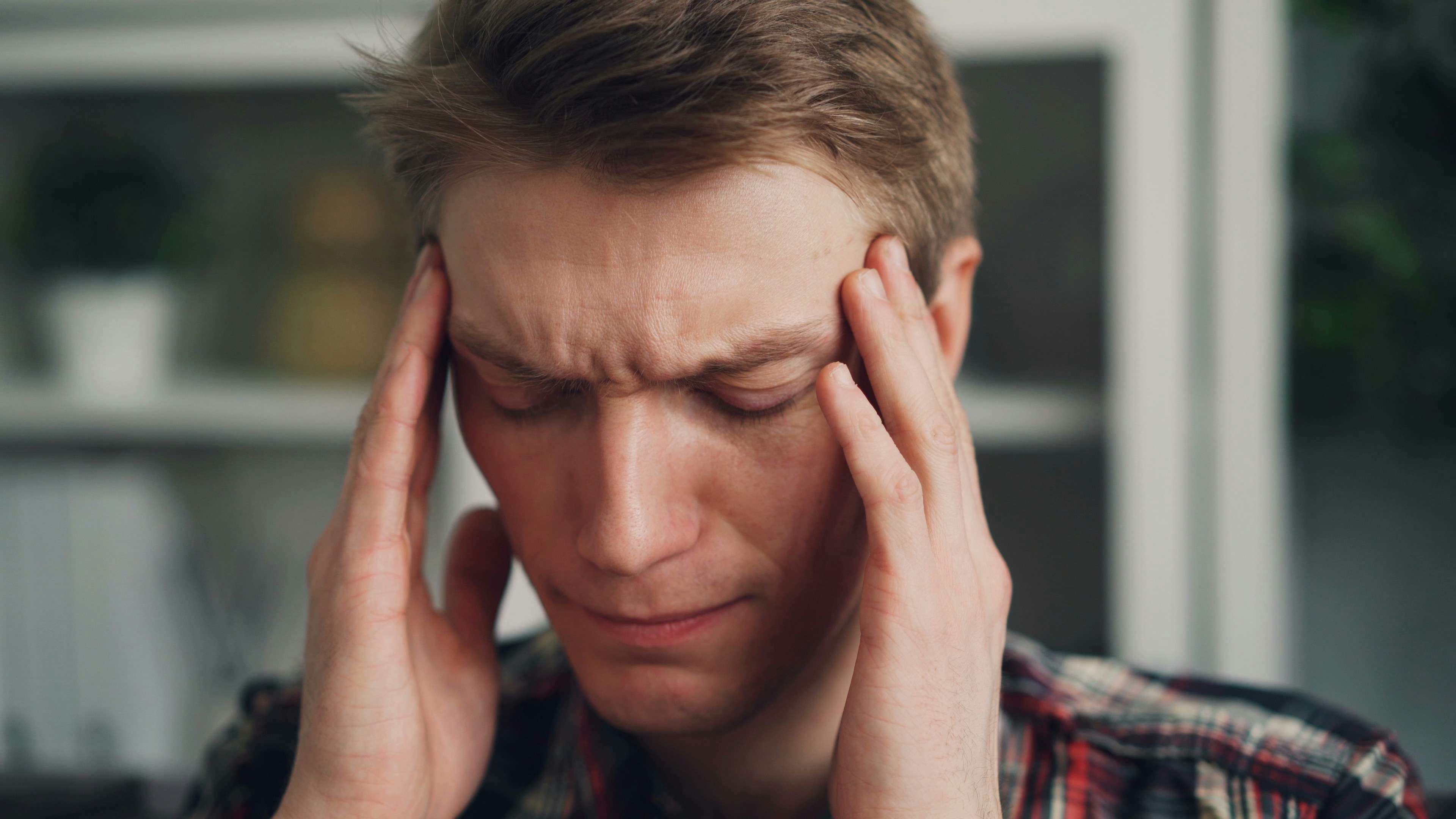
A racing heart, chest tightness, or shallow breathing
Headache or pressure behind the eyes, dizziness
Clenched jaw, tight shoulders, or a knot in the stomach
Nausea or a sudden loss of appetite
Shaking, sweating, or feeling overheated
Feeling suddenly exhausted or drained
Emotional Signs of Overstimulation
Emotionally, overstimulation strips away your buffer. Small requests can feel enormous, and reactions appear to be out of proportion. Emotional signs include:
Irritability that arrives from nowhere
A sense of dread or an urgent need to leave
Tearfulness or feeling vulnerable
Anger at ordinary interruptions or questions
Feeling emotionally numb or flat
Cognitive Signs of Overstimulation
When you are overstimulated, the ability to think and reason is often affected. This is because filtering numerous inputs competes with concentrating. Cognitive signs include:
Losing the thread of a conversation mid-sentence
Struggling to find words you normally use easily
Brain fog or a mind that goes blank
Rereading a line without absorbing it
Freezing on simple decisions such as what to order
Behavioral Signs of Overstimulation
Withdrawal or reduced communication can sometimes be a way of reducing demands or stimulation, although these behaviors can also have other causes. Behavioral signs include:
Leaving an event abruptly or canceling plans last minute
Snapping at people you are not actually angry with
Covering your ears, wearing sunglasses indoors, or turning off lights
Going completely silent, sometimes called a shutdown
Fidgeting, pacing, or other repetitive movement that helps you settle
While overstimulation can manifest in different ways in people, the above signs are not exclusive to this experience. For instance, people with depression may feel irritable, cry often, show forgetfulness, or feel emotionally numb. People with ADHD experience executive dysfunction, where they lose track of what they were doing or find it hard to follow multiple instructions. In anxiety disorders, people may experience physical symptoms like a racing heart and head pressure.
If your experience is one that severely disrupts everyday life, school, or work, it is important to get in touch with a psychiatrist or mental health provider, who can help make sense of what you’re going through and guide you on the next steps.
What Causes Overstimulation in Adults?
Overstimulation is rarely caused by one factor. It may result from a combination of sensory, cognitive, emotional, social, and physical demands. For some people, these demands can feel harder to manage when they accumulate over the course of a day. Common contributors include:
Sensory load: Open-plan offices, fluorescent lighting, traffic, crowds, or a television left on.
Digital input: Constant notifications, multiple screens, and long stretches of video calls.
Social demand: Extended conversations, customer-facing work, caregiving, and masking discomfort in public.
Body state: Poor sleep, skipped meals, pain, illness, and high caffeine intake.
Emotional load: Grief, conflict at home, financial pressure, or a looming deadline.
Cumulative fatigue: Your threshold drops through the day, so evening is rarely a fair test of your tolerance.
Conditions Linked to Overstimulation in Adults
Overstimulation can happen to anyone, but in some people, it may be linked to a mental health condition. Understanding what sits underneath the pattern usually changes what actually helps.
ADHD and Overstimulation
People with ADHD may experience differences in how they notice, filter, or respond to sensory information. Some research has found greater sensory sensitivity, sensory seeking, sensory avoidance, and low sensory registration compared with people without ADHD.
Autism and Sensory Overload
Hyper-reactivity or hypo-reactivity to sensory input is part of the formal diagnostic criteria for autism, and research shows it commonly persists into adulthood. Because attention and sensory traits overlap, some people benefit from understanding the differences and overlap between ADHD and autism.
Anxiety Disorders and Overstimulation
Sensory sensitivity and anxiety symptoms can co-occur and may influence one another, although the relationship is complex and can vary between individuals.
PTSD and Hypervigilance
PTSD can involve hyperarousal and heightened reactivity to reminders or perceived threats. Some research also links trauma-related symptoms with sensory modulation difficulties, although not everyone with a trauma history experiences sensory overload.
How to Calm Overstimulation in the Moment
There is no single evidence-based approach for every episode of overstimulation. Many people find it helpful to reduce the demands or sensory input contributing to the feeling and use coping strategies that work for them. Here’s what you can try:
Reduce input first: Step outside, into a stairwell, or into your car for a few minutes.
Lower one sense at a time: Sunglasses, earplugs, or switching off overhead lights can be enough.
Try slow, comfortable breathing if breathing exercises are helpful for you.
Give your body something predictable: cold water, a short walk, or firm pressure from a blanket.
Postpone decisions: If possible, consider postponing important decisions or difficult conversations until you feel more settled.
Refuel and rest: Addressing basic needs such as rest, food, and hydration may help, particularly if these factors are contributing.
If your mind drifts or disconnects when you are overwhelmed, grounding techniques that bring you back to the present moment can help.
When to Seek Medical Attention for Overstimulation
Occasional overwhelm after a loud, long day is normal. It is worth talking with a healthcare provider when the pattern starts shaping your life. Consider reaching out if:
Overstimulation happens most days, or after triggers that used to be manageable
You are avoiding work, driving, stores, or people you care about
The episodes are damaging your relationships or your job
You are drinking or using substances to get through ordinary environments
Seek urgent medical care for new or unexplained chest pain, fainting, or severe difficulty breathing, as these symptoms can have causes other than overstimulation.
If you are thinking about harming yourself or are in emotional crisis, call or text 988 in the U.S.
Depending on your symptoms, a healthcare professional may assess possible contributors such as attention difficulties, anxiety, mood symptoms, sleep problems, trauma-related symptoms, medical conditions, and medication effects.
How Blossom Health Can Help
Blossom Health is a telehealth psychiatry practice that connects you with board-certified psychiatric providers using your in-network insurance benefits. Every provider can prescribe, so evaluation and treatment happen in one relationship rather than across several referrals. Patients also have 24/7 email and text support between visits.
Getting started takes three steps:
Enter your state and insurance plan so coverage can be checked before you book.
Choose an appointment time that works for you and get matched with a provider.
Share a few details about your history and symptoms to confirm your visit.
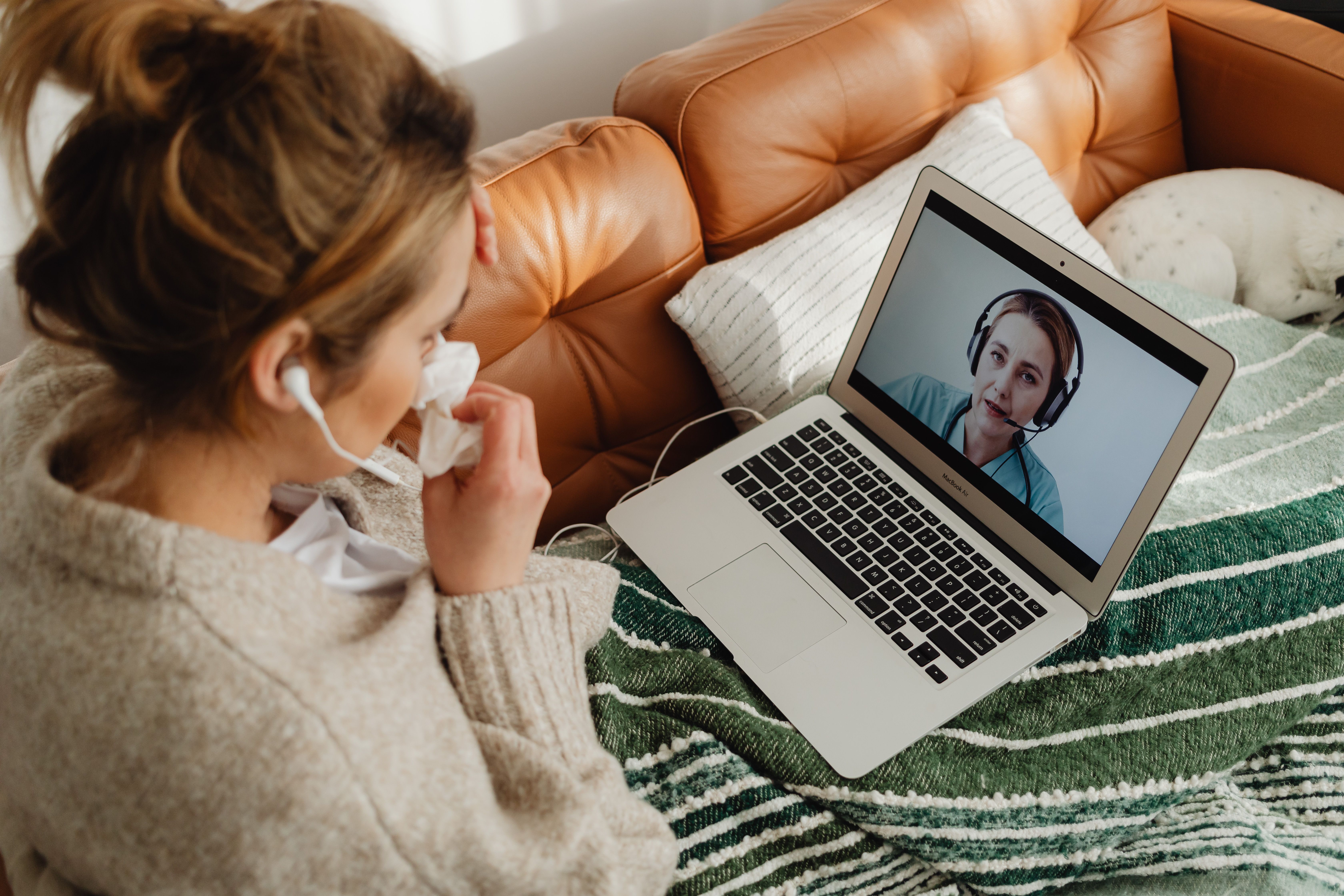
Your first appointment is a video visit covering your background, symptoms, medical history, and goals, ending with a plan you agree on. If Blossom is not the right fit, your provider will say so and point you toward better options. You can check your coverage and book a first appointment to get started.
Medical Disclaimer
This article is for informational purposes only and is not a substitute for professional medical advice, diagnosis, or treatment. Always seek the advice of your physician or other qualified healthcare provider with any questions you may have regarding a medical condition. If you are experiencing a mental health crisis, contact the 988 Suicide and Crisis Lifeline by calling or texting 988.
Sources
Cleveland Clinic. (2024, October 18). Sensory overload: What it is, symptoms & treatment. https://health.clevelandclinic.org/sensory-overload
Cleveland Clinic. (2022, August 15). Sensory processing disorder (SPD): Symptoms and treatment. https://my.clevelandclinic.org/health/diseases/sensory-processing-disorder-spd
Ferguson, S. (2025, April 2). What are common signs of overstimulation in adults? Healthline. https://www.healthline.com/health/signs-of-overstimulation-in-adults
Zablotsky, B., Black, L. I., & Terlizzi, E. P. (2024). Attention-deficit/hyperactivity disorder diagnosis, treatment, and telehealth use in adults: United States, 2023. Morbidity and Mortality Weekly Report, 73(40), 897–903. https://www.ncbi.nlm.nih.gov/pmc/articles/PMC11466376/
Jurek, L., Duchier, A., Gauld, C., et al. (2025). Sensory Processing in Individuals With Attention-Deficit/Hyperactivity Disorder Compared With Control Populations: A Systematic Review and Meta-Analysis. Journal of the American Academy of Child and Adolescent Psychiatry, 64(10), 1132–1147. https://pubmed.ncbi.nlm.nih.gov/40250555/
Panagiotidi, M., Overton, P. G., & Stafford, T. (2018). The relationship between ADHD traits and sensory sensitivity in the general population. Comprehensive psychiatry, 80, 179–185. https://pubmed.ncbi.nlm.nih.gov/29121555/
Bar-Shalita, T., Granovsky, Y., Parush, S., & Weissman-Fogel, I. (2019). Sensory Modulation Disorder (SMD) and Pain: A New Perspective. Frontiers in integrative neuroscience, 13, 27.https://pmc.ncbi.nlm.nih.gov/articles/PMC6659392/
Syu, Y. C., & Lin, L. Y. (2018). Sensory Overresponsivity, Loneliness, and Anxiety in Taiwanese Adults with Autism Spectrum Disorder. Occupational therapy international, 2018, 9165978. https://www.ncbi.nlm.nih.gov/pmc/articles/PMC6139193/
Kidra, N. A., Gafter, L., Bar-Shalita, T., & Lahav, Y. (2025). Sensory modulation difficulties and complex PTSD among child abuse survivors. European journal of psychotraumatology, 16(1), 2512672. https://pmc.ncbi.nlm.nih.gov/articles/PMC12160329/
Grossman, A., & Avital, A. (2023). Emotional and sensory dysregulation as a possible missing link in attention deficit hyperactivity disorder: A review. Frontiers in behavioral neuroscience, 17, 1118937. https://pmc.ncbi.nlm.nih.gov/articles/PMC10017514/