Mirtazapine, sold under the brand name Remeron, is an antidepressant known for helping with sleep and appetite. Like with most medications, it is essential to get the dosage that’s right for you, keeping in mind that mirtazapine’s effects can vary somewhat depending on the dose. This guide covers standard dosing, why lower doses can be more sedating, and how doses may change for different situations.
Key Takeaways
Start low, adjust slowly: The usual starting dose is 15 mg once a day at bedtime. The effective range is 15 to 45 mg per day, and 45 mg is the usual maximum.
Lower doses can be more sedating: Unlike many medications, mirtazapine can cause more drowsiness at lower doses, particularly around 7.5–15 mg/day. At higher doses, increased norepinephrine activity may reduce sedation for some people, although this does not happen for everyone.
Never change the dose on your own: Dose changes and stopping should always be guided by your provider to avoid a return of symptoms or discontinuation effects.
What is Mirtazapine (Remeron)?
Mirtazapine, sold under the brand name Remeron, is an atypical antidepressant, meaning it works differently from selective serotonin reuptake inhibitors (SSRIs).
Mirtazapine blocks certain receptors in the brain, which increases the release of two neurotransmitters tied to mood, energy, and focus: serotonin and norepinephrine. Its receptor effects also explain its calming, sleep-promoting, and appetite-boosting qualities.
Because of these effects, providers often choose mirtazapine for people who have depression along with poor sleep, low appetite, or weight loss. It is approved to treat major depressive disorder, one of the many types of depression, and is sometimes used off-label for sleep and anxiety issues.
Standard Mirtazapine Dosage
Your provider sets your dose based on your needs, and the details below are general information, not a personal plan. For depression, the FDA label describes a common approach.
Starting dose: 15 mg once a day, taken at bedtime.
Effective range: 15 to 45 mg per day.
Maximum dose: 45 mg per day.
The dose is usually increased every 1 to 2 weeks based on how well it works. Like other antidepressants, mirtazapine can take a few weeks to reach its full effect for mood, even though the sleep and appetite effects may begin sooner.
Mirtazapine Forms and Strengths
Mirtazapine comes in two forms. This lets providers match the medicine to how you prefer to take it.
Regular tablets: Available in 7.5 mg, 15 mg, 30 mg, and 45 mg.
Orally disintegrating tablets (ODT): Available in 15 mg, 30 mg, and 45 mg. These dissolve on the tongue without water.
The orally disintegrating tablets contain a small amount of phenylalanine. This is only important for people with a rare genetic condition called phenylketonuria (PKU), who need to limit phenylalanine intake. Tell your provider if this applies to you.
Why Lower Doses Can Be More Sedating
This is the part that surprises many people. With most medicines, a higher dose means a stronger effect. Mirtazapine works a little differently when it comes to its sedating effects.
At lower doses, such as 7.5 mg or 15 mg, mirtazapine tends to be more sedating due to its antihistamine effects.
As the dose rises, the increase in norepinephrine activity can make it less sedating for some people. This is why people who take it mainly for sleep do best at a low dose. It is also why a provider may not simply lower your dose to reduce daytime grogginess.
A study found that a 30 mg dose could affect driving performance the morning after. If you feel groggy during the day, talk with your provider about timing and dose.
Mirtazapine Dosage for Special Situations
The right dose can depend on your age, your other health conditions, and why you are taking mirtazapine. Here are a few common situations.
Older Adults
Older adults may process mirtazapine more slowly, so providers often start low and raise the dose carefully. This helps limit side effects like dizziness and drowsiness, which can raise the risk of falls.
Liver or Kidney Problems
Because the liver and kidneys help clear the drug from the body, people with reduced liver or kidney function may need lower doses and closer monitoring. Always share these conditions with your provider.
Using Mirtazapine for Sleep or Appetite
Some providers use mirtazapine off-label for sleep or to help with appetite, often at a low dose. Because it is calming and not habit-forming, it is sometimes considered when other options are not a good fit.
How to Take Mirtazapine
A few simple habits help mirtazapine work well and reduce side effects.
Take it at bedtime: Its calming effect makes it well suited for nighttime dosing.
Be consistent: Take it at the same time each day for steady levels.
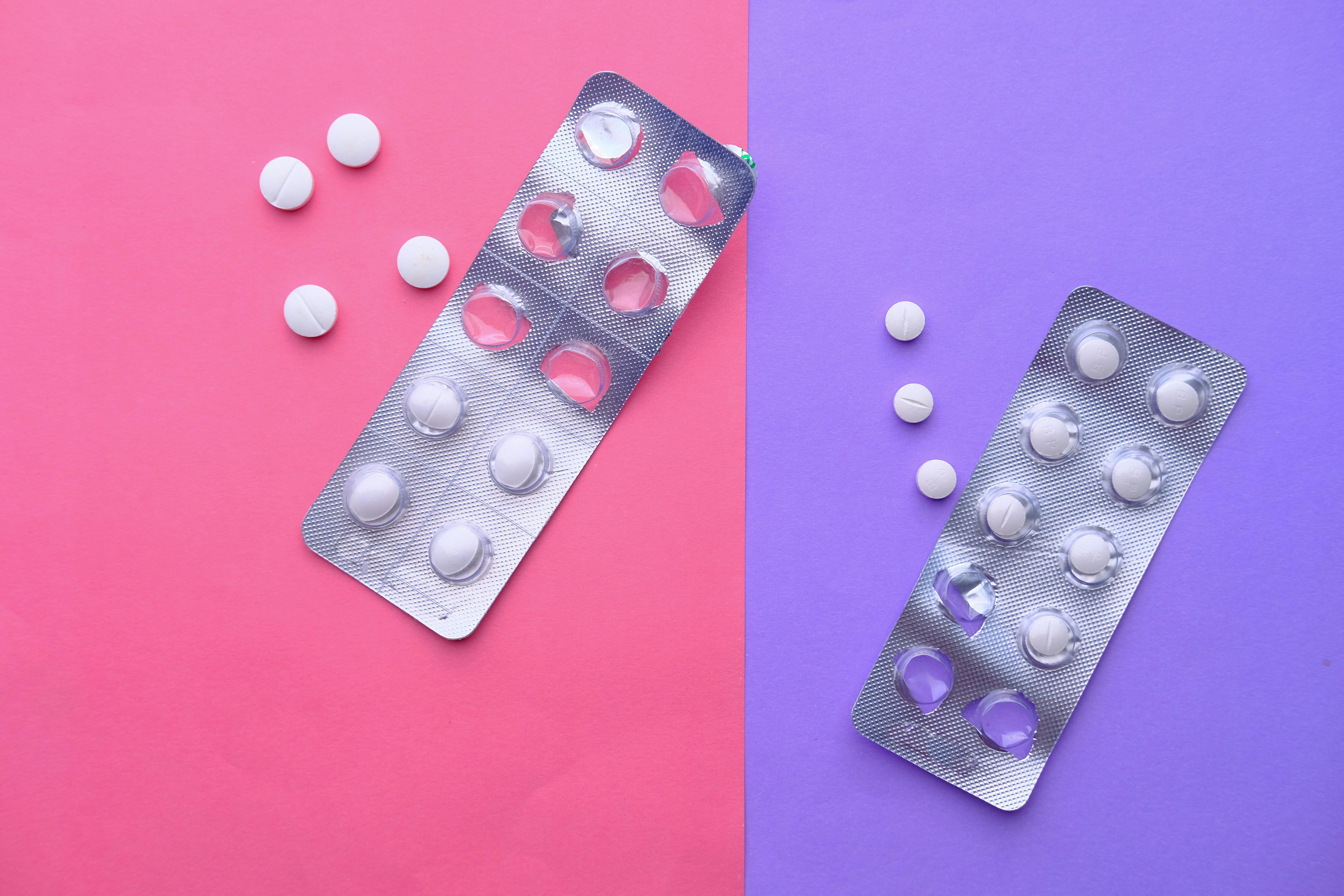
Handle ODT tablets gently: Keep them in the blister pack until use, and place them on the tongue to dissolve. Do not split or crush them.
Do not double up: If you miss a dose, take it when you remember unless it is almost time for the next one. Do not take two doses at once.
Side Effects to Know
Most side effects are mild and often improve with time. Common ones include:
Drowsiness or feeling sleepy
Increased appetite and weight gain
Dry mouth
Dizziness
Constipation
Vivid dreams
One reason some people choose mirtazapine is that it is less likely to cause sexual side effects or stomach upset than many SSRIs. Still, call your provider about any side effect that bothers you or does not go away.
Adjusting or Stopping Your Mirtazapine Dose
If your dose is not helping enough, do not raise it on your own. Your provider may adjust it slowly or consider another option. When it is time to stop, mirtazapine should be tapered slowly under your provider's guidance. Stopping suddenly can cause discontinuation symptoms. Changes to antidepressant treatment should be made with a provider, not on your own.
Mirtazapine and Weight Gain
Mirtazapine can increase appetite and can therefore result in weight gain for some people. Clinical trials on mirtazapine found that around 17% of users experienced increased appetite, and 12% reported weight gain, compared with 2% of placebo users who experienced these effects.
However, this effect is not always unwanted. For people who have lost their appetite or lost weight due to depression, a boost in appetite can be helpful. If weight gain is a concern, talk with your provider, since the dose and the overall plan can sometimes be adjusted.
How Mirtazapine Compares to Other Antidepressants
Mirtazapine stands out from SSRIs in a few ways, which is why providers reach for it in specific situations. Understanding these differences can help set expectations.
Sleep: Mirtazapine is calming and often helps with sleep, while some antidepressants can disrupt it.
Appetite: It tends to increase appetite, unlike some antidepressants that reduce it.
Sexual side effects: It is less likely to cause sexual side effects than many SSRIs.
Stomach upset: It is generally gentler on the stomach and less likely to cause nausea.
Drug Interactions and Safety
Mirtazapine is generally safe, but it can interact with other medicines and substances. Sharing your full medicine and supplement list helps your provider prescribe safely.
MAOIs: A class of antidepressants called MAOIs should not be taken with mirtazapine, and a waiting period is needed when switching between them.
Alcohol and sedatives: Combining mirtazapine with alcohol or other calming medicines can add to drowsiness. Use caution.
Other serotonin-raising drugs: Taking mirtazapine with other medicines that raise serotonin can lead to a rare but serious reaction called serotonin syndrome. Report agitation, a racing heart, sweating, or confusion right away.
Like other antidepressants, mirtazapine carries a boxed warning about increased suicidal thoughts in people under 25, especially early in treatment. Watch for new or worsening mood changes and contact your provider if they occur.
Managing Your Mirtazapine Medication
If you're taking mirtazapine or thinking about starting it, Blossom Health can help you find the treatment approach that's right for you. Our experienced, in-network psychiatric providers offer convenient virtual care, including personalized medication management, dose adjustments, and ongoing follow-up to monitor your progress and side effects. Together, we'll work to make sure your treatment supports both your mental health and overall well-being.
Medical Disclaimer
This article is for informational purposes only and is not a substitute for professional medical advice, diagnosis, or treatment. Always seek the advice of your physician or other qualified healthcare provider with any questions you may have regarding a medical condition or medication. If you are experiencing a mental health crisis, contact the 988 Suicide and Crisis Lifeline by calling or texting 988.
Sources
Jilani TN et al 2024. Mirtazapine. StatPearls. ncbi.nlm.nih.gov
U.S. Food and Drug Administration. Remeron (mirtazapine) prescribing information. accessdata.fda.gov
Sheffler ZM et al. 2023. Antidepressants. StatPearls. ncbi.nlm.nih.gov
National Institute of Mental Health. Mental Health Medications. nimh.nih.gov
Cleveland Clinic. Antidepressants. my.clevelandclinic.org
Harmer CJ et al. How do antidepressants work? New perspectives for refining future treatment approaches. Lancet Psychiatry. pmc.ncbi.nlm.nih.gov
Drugs.com. Mirtazapine Dosage. drugs.com
van de Loo AJAE, et al. The effects of intranasal esketamine (84 mg) and oral mirtazapine (30 mg) on on-road driving performance: a double-blind, placebo-controlled study. Psychopharmacology (Berl). ncbi.nlm.nih.gov