When you're struggling with your mental health, waiting weeks for care can feel overwhelming. A same-day psychiatrist appointment means being evaluated by a psychiatric provider on the same day you reach out. It is not always available, but there are more ways to get fast care today than ever before. This guide explains what same-day care really looks like, when it is possible, and how to find help quickly.
Key Takeaways
Same-day care is possible but not guaranteed: True same-day psychiatry appointments happen, but a nationwide shortage of psychiatrists means many people wait weeks for an opening.
Telehealth is often the fastest path: Online psychiatry appointments tend to have shorter wait times than in-person visits, and virtual care works well for many conditions.
Know the difference between urgent and emergency: A same-day appointment is for urgent but non-emergency needs. If you are in crisis or thinking about harming yourself, call or text 988 right away.
What Is a Same-Day Psychiatrist Appointment?
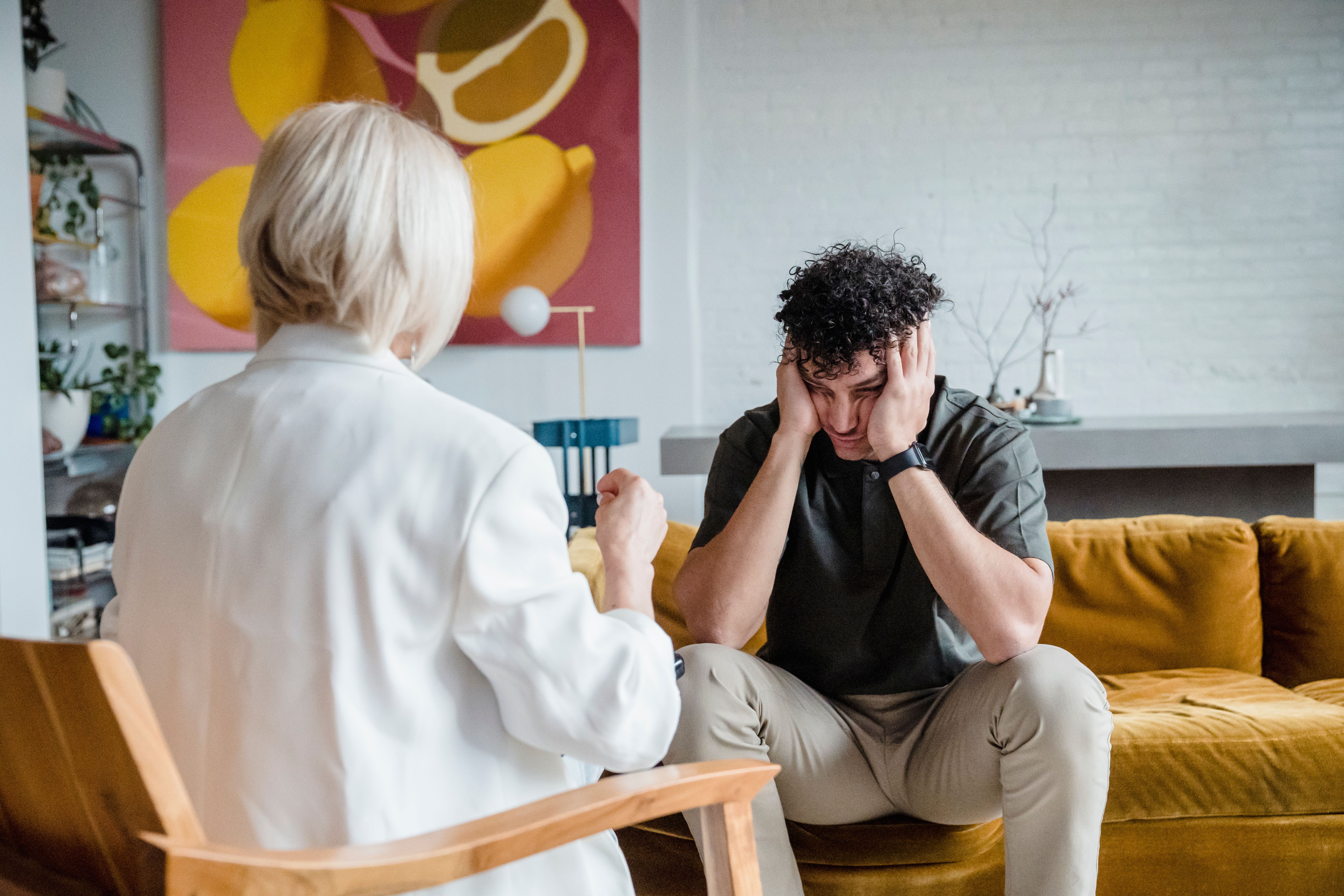
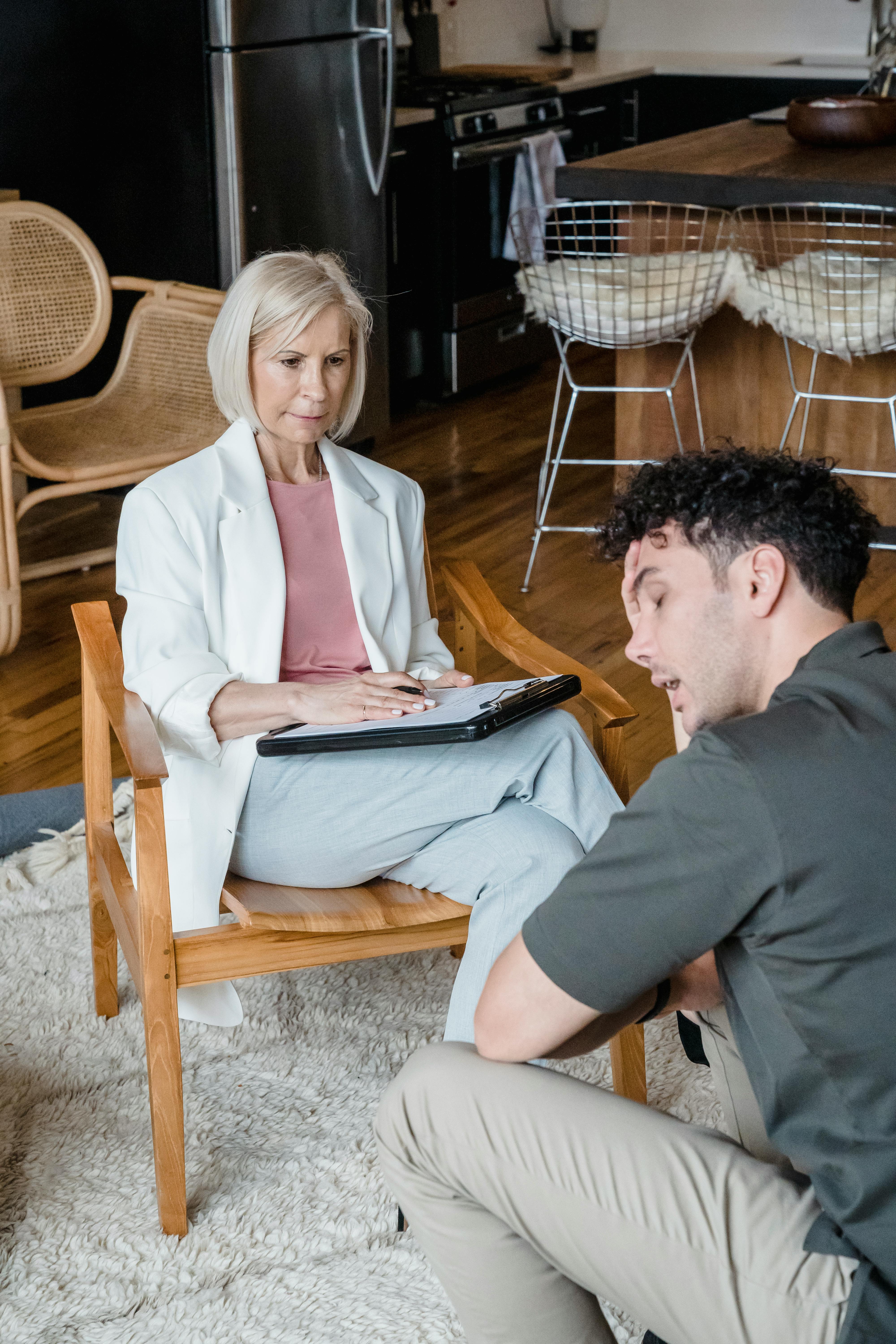
A same-day psychiatric appointment is a visit with a psychiatric provider scheduled on the day you reach out. During this visit, a psychiatric provider learns about your symptoms, medical history, and goals, and starts to build a treatment plan. Psychiatrists are medical doctors, so they can also prescribe medication for you.
Same-day care is not the same as an emergency room visit. If you are having thoughts of suicide, cannot stay safe, or are having a medical emergency, that calls for emergency care or the 988 Suicide and Crisis Lifeline, not a scheduled appointment. Same-day psychiatry is meant for pressing but stable needs, such as needing a fast start on treatment or help before symptoms get worse.
How Common Are Same-Day Appointments?
Getting any psychiatry appointment quickly can be hard. In one study of psychiatric access across several states, only about 18.5% of psychiatrists were available to see new patients, and the median wait was 67 days for in-person visits and 43 days for telepsychiatry visits. The most common reason for a long wait was simply that providers were not taking new patients.
Part of the problem is supply. Data from the Health Resources and Services Administration points to an ongoing shortage of psychiatrists, with the gap expected to grow over the coming years. Demand has climbed too, since more than one in five American adults lives with a mental illness each year. Several things affect how fast you can be seen:
Where you live: Rural areas often have far fewer providers than cities.
In-person versus telehealth: Online visits usually open up sooner.
Your insurance and provider network: Some plans have shorter provider lists in your area.
Overall demand: Busy seasons and provider shortages can stretch wait times.
When You Might Need to Be Seen Right Away
Some situations call for prompt attention. You may want to seek same-day or urgent care if your symptoms are getting worse quickly, if you cannot function at work or home, if you have run out of an important medication, or if a recent event has left you overwhelmed. If you are unsure whether your situation counts, it is always okay to reach out and ask.
There is one clear line. If you are in danger, thinking about ending your life, or worried you cannot keep yourself safe, this is an emergency. Call or text 988 to reach the Suicide and Crisis Lifeline, or call 911 or go to your nearest emergency room. Trained help is available at any hour, and reaching out is a sign of strength.
Ways to Get Psychiatric Care Faster
If you cannot find a same-day slot with a traditional office, several other routes can shorten the wait. Each option has its own strengths, so the best choice depends on your needs and where you live.
Online (Telehealth) Psychiatry
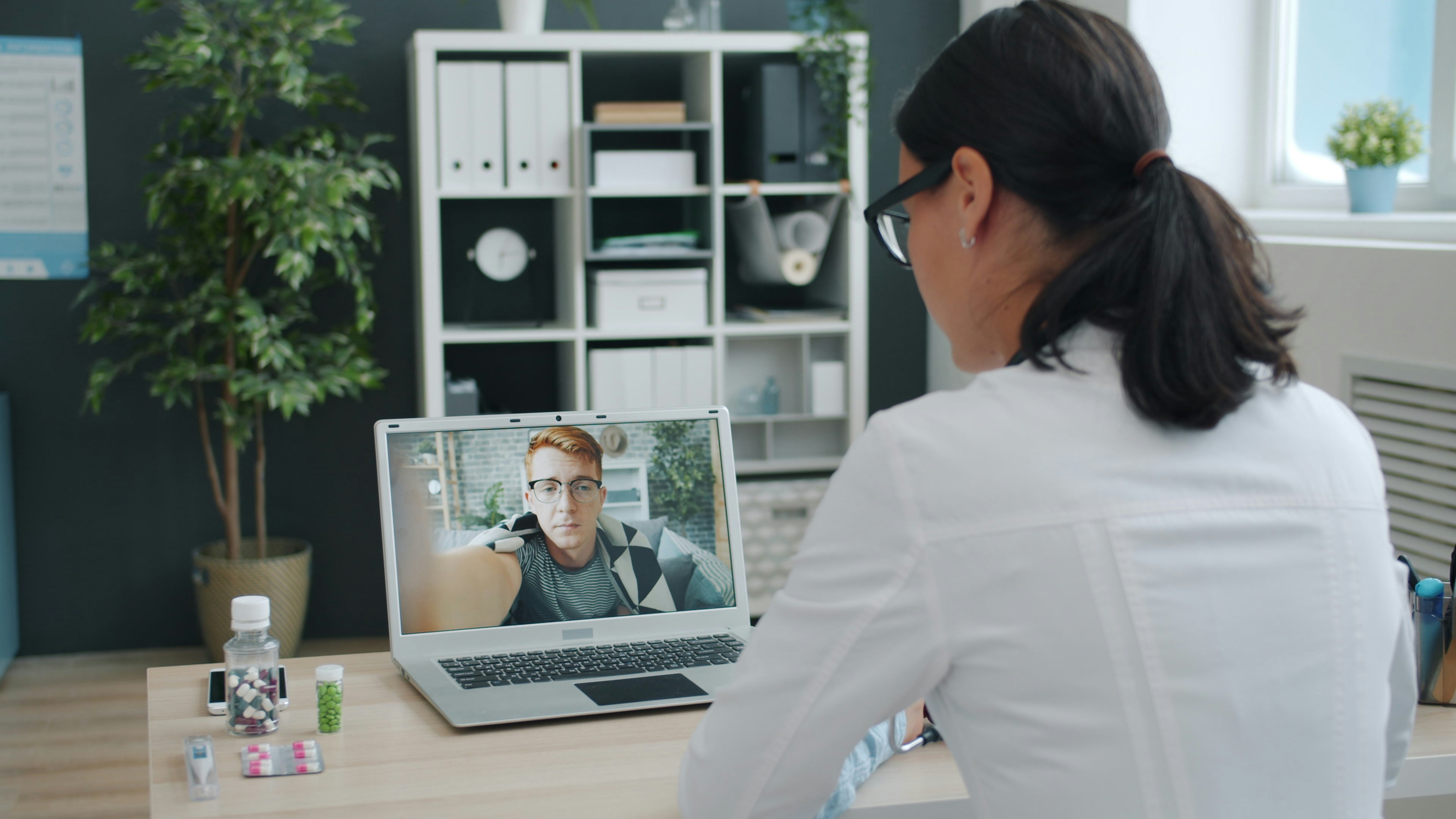
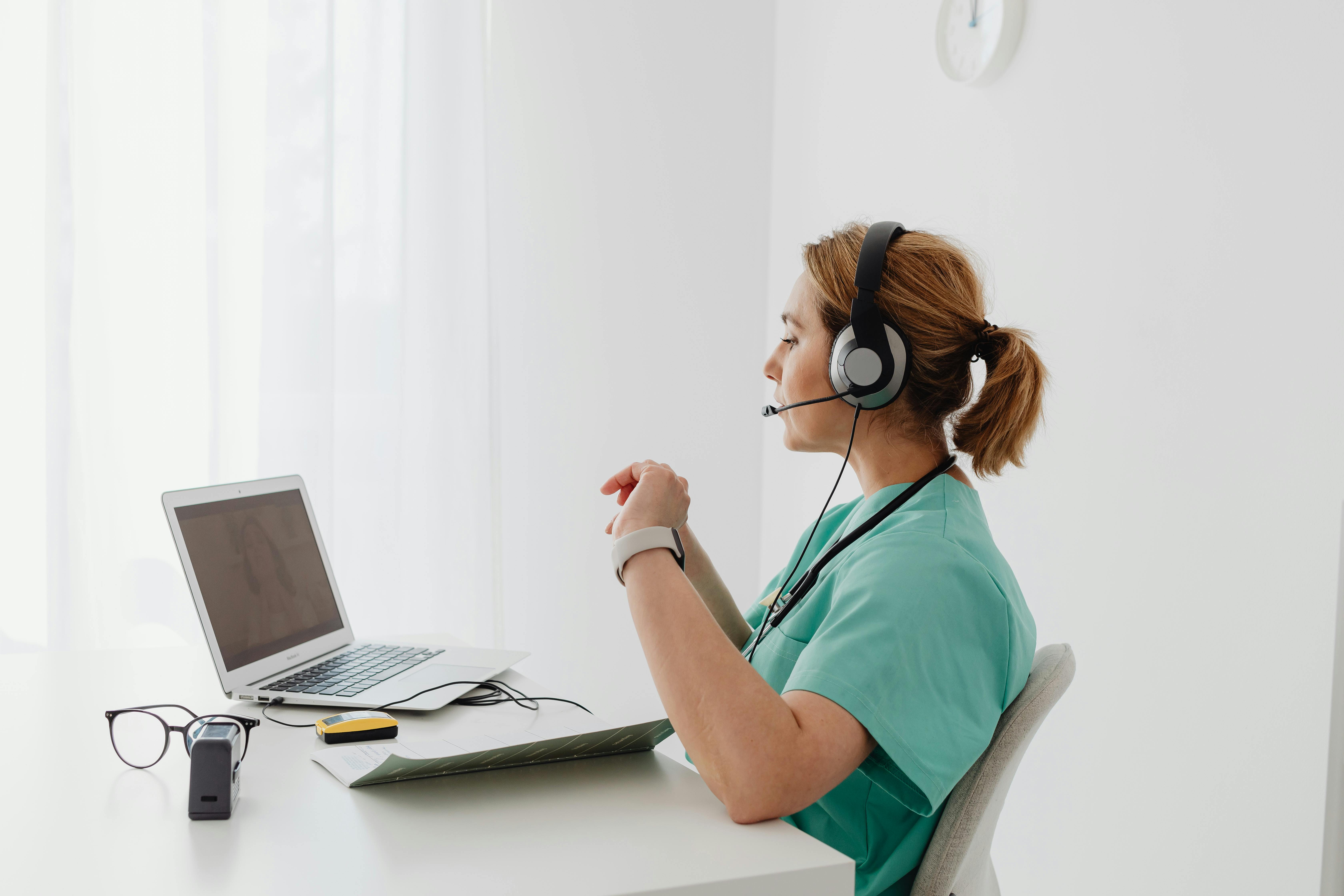
Virtual psychiatry is often the quickest way to get care. Research shows that telehealth can be as effective as in-person care for many conditions, and the American Psychiatric Association supports it as a proven way to expand access. Many online platforms can book you within days, and you can join from home.
For many people, the simplest next step is to find an online psychiatrist who fits their needs.
You can also be seen within days with Blossom Health.
Psychiatric Nurse Practitioners
Psychiatric nurse practitioners (PMHNPs) are advanced practice nurses who can evaluate mental health conditions, make diagnoses, and prescribe medication in most states. Because more of them are entering the field, they can sometimes offer earlier appointments than a physician-psychiatrist.
Community Mental Health Centers
Community mental health centers serve people regardless of the ability to pay and often keep some openings for urgent needs. They can be a helpful starting point, especially if cost or insurance is a concern.
Your Primary Care Provider
A primary care doctor cannot replace a psychiatrist, but they can be a fast bridge. They can start certain treatments, rule out physical causes, and refer you to a psychiatric provider. This can help you begin care while you wait for a specialist.
Urgent and Crisis Services
For pressing, non-life-threatening needs, some areas have behavioral health urgent care or crisis walk-in clinics. For any emergency, the 988 Suicide and Crisis Lifeline is available by call or text around the clock.
Is Fast, Online Psychiatry Effective?
It is fair to wonder whether care that happens quickly, or over video, works as well as a traditional office visit. The evidence is reassuring. A large body of research finds that telehealth produces outcomes comparable to in-person care for conditions like depression, anxiety, and post-traumatic stress disorder (PTSD), with high patient satisfaction. The relationship between you and your provider can grow just as strongly through a screen.
What matters most is not the speed or the setting but the quality of the evaluation. Whether you are seen today or next week, a good first visit is thorough. Psychiatrists are medical doctors, so a fast appointment still includes a careful review of your symptoms, history, and overall health before any treatment begins.
What to Expect at a Fast Appointment
A first psychiatry visit usually lasts longer than later visits, often around 60 minutes, because your provider needs a full picture of your health. They will ask about your symptoms, your medical and family history, and any medications you take. Then they will talk with you about a possible diagnosis and next steps. Follow-up visits are usually shorter and focus on how you are doing and whether your plan needs adjusting. To make the first visit go smoothly, it helps to have a few things ready:
A list of your symptoms and when they started.
All medications and supplements you currently take.
Your medical and family mental health history.
Your insurance information and pharmacy details.
Seeing a Psychiatrist With Blossom
Blossom is a telehealth platform built around psychiatry. Every provider on the Blossom team is a licensed psychiatric provider who can evaluate your mental health, make a diagnosis, and prescribe medication when it fits your plan, all covered by in-network insurance. Because care is virtual, most people are seen within days.
Getting started is simple. You can check whether Blossom serves your state and accepts your insurance, then book your first visit at joinblossomhealth.com/start. If Blossom is not the right fit for your needs, your provider will help point you toward resources that are.
Medical Disclaimer
This article is for informational purposes only and is not a substitute for professional medical advice, diagnosis, or treatment. Always seek the advice of your physician or other qualified healthcare provider with any questions you may have regarding a medical condition or medication. If you are experiencing a mental health crisis, contact the 988 Suicide and Crisis Lifeline by calling or texting 988..
Sources
National Institute of Mental Health. Mental Illness Statistics. nimh.nih.gov
Sun CF et al. 2023. Low availability, long wait times, and high geographic disparity of psychiatric outpatient care in the US. Gen Hosp Psychiatry. sciencedirect.com
Health Resources and Services Administration. Health Workforce Projections. bhw.hrsa.gov
Bulkes NZ et al. 2021. Comparing efficacy of telehealth to in-person mental health care in intensive-treatment-seeking adults. J Psychiatr Res. ncbi.nlm.nih.gov
Palmer CS. 2022. Virtual Care for Behavioral Health Conditions. Prim Care. ncbi.nlm.nih.gov
American Psychiatric Association. What Is Telepsychiatry? psychiatry.org
988 Suicide and Crisis Lifeline. 988lifeline.org
American Psychiatric Association. What Is Psychiatry? psychiatry.org