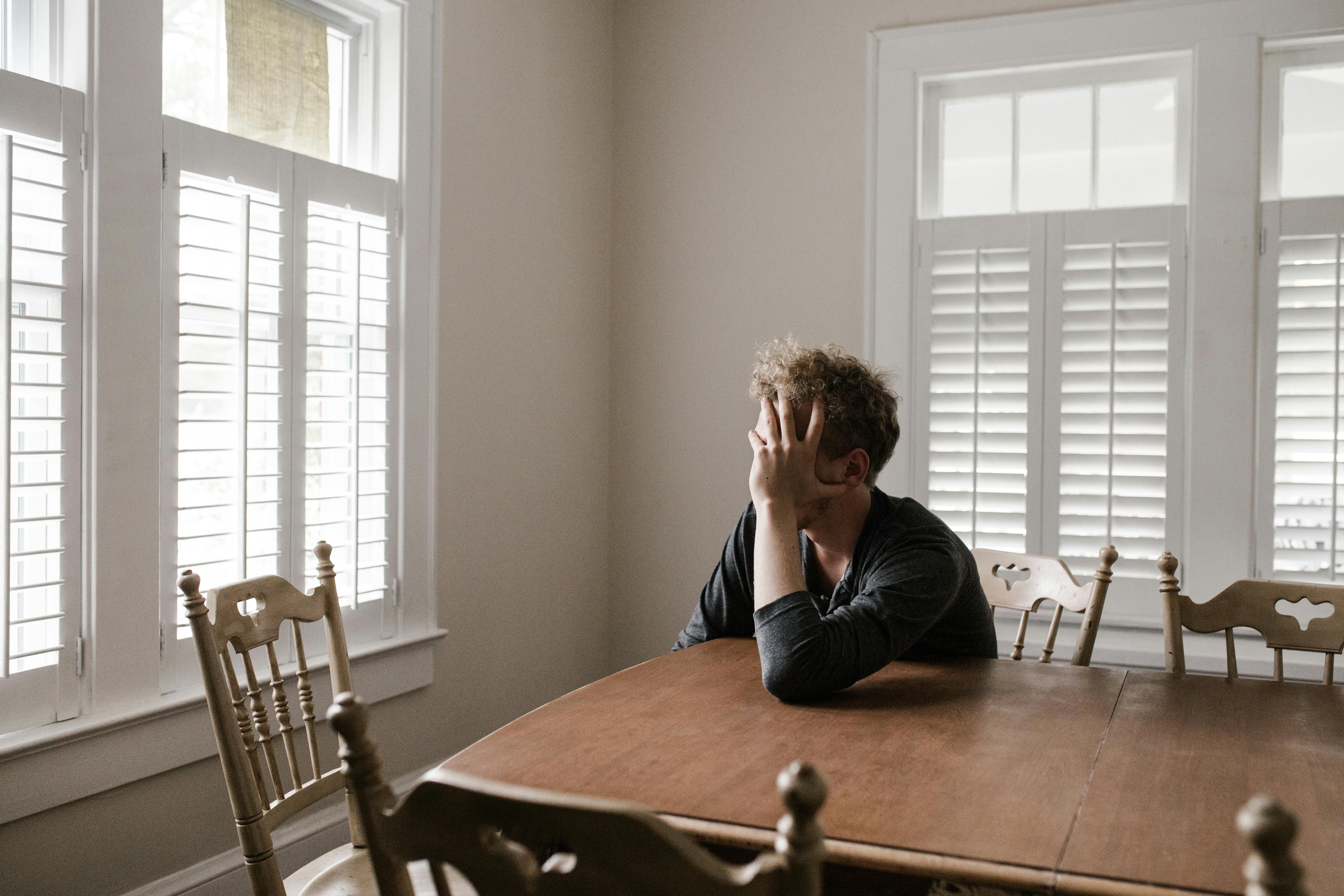
There are times in life when people may feel more emotional than usual, crying more often without a clear trigger, having outbursts of anger, or going through an emotional rollercoaster in general. Strong emotions are a normal part of being human. But when they feel constant or hard to control, there could be a reason behind them, and understanding it can help you feel steadier.
Thankfully, many causes of heightened emotion are common and treatable, and understanding what may be contributing to your feelings can be an important first step toward feeling better.
Key Takeaways
Heightened emotions are common and usually have a cause: Hormonal fluctuations, chronic stress, poor sleep, and unexpected life changes can all turn up your emotional sensitivity.
Your body and brain are closely linked: Things like the menstrual cycle, inadequate sleep, and thyroid problems can all directly affect mood, so emotional changes can have physical causes too.
You can take steps to feel steadier: Better sleep, stress management, and support from a professional can help, and lasting or distressing mood changes are worth discussing with a provider.
Is It Normal to Feel This Emotional?
Yes. Everyone feels more sensitive at certain times, and emotions exist for good reasons. They help you connect with others, respond to stress, and notice what matters to you. Feeling intensely emotional is a cause for concern only when it lasts a long time, feels out of proportion compared to what you normally experience, or gets in the way of your daily life.
At the same time, it helps to remember that some people naturally experience emotions more intensely than others because of a combination of temperament, personality, and life experiences, and that trait can come with real strengths like empathy and creativity.
So, the aim of any intervention is not to shut off your feelings. It is to understand what is fueling them so you can respond in a way that feels healthier and more in your control.
Common Reasons You Might Feel More Emotional
Heightened emotions usually trace back to one or more everyday causes. Here are some of the most common ones to consider.
Hormonal Changes
Shifting hormones are one of the biggest drivers of emotional ups and downs. Many people notice moodiness in the days before a period. In fact, the Office on Women's Health reports that up to 90% of women get some premenstrual symptoms, which can include irritability, feelings of sadness, and tearfulness. A more severe form, premenstrual dysphoric disorder (PMDD), can cause intense irritability, depression, or anxiety before a period. Pregnancy, the postpartum period, and perimenopause also bring hormone shifts that can heighten emotions.
Sleep Loss and Exhaustion
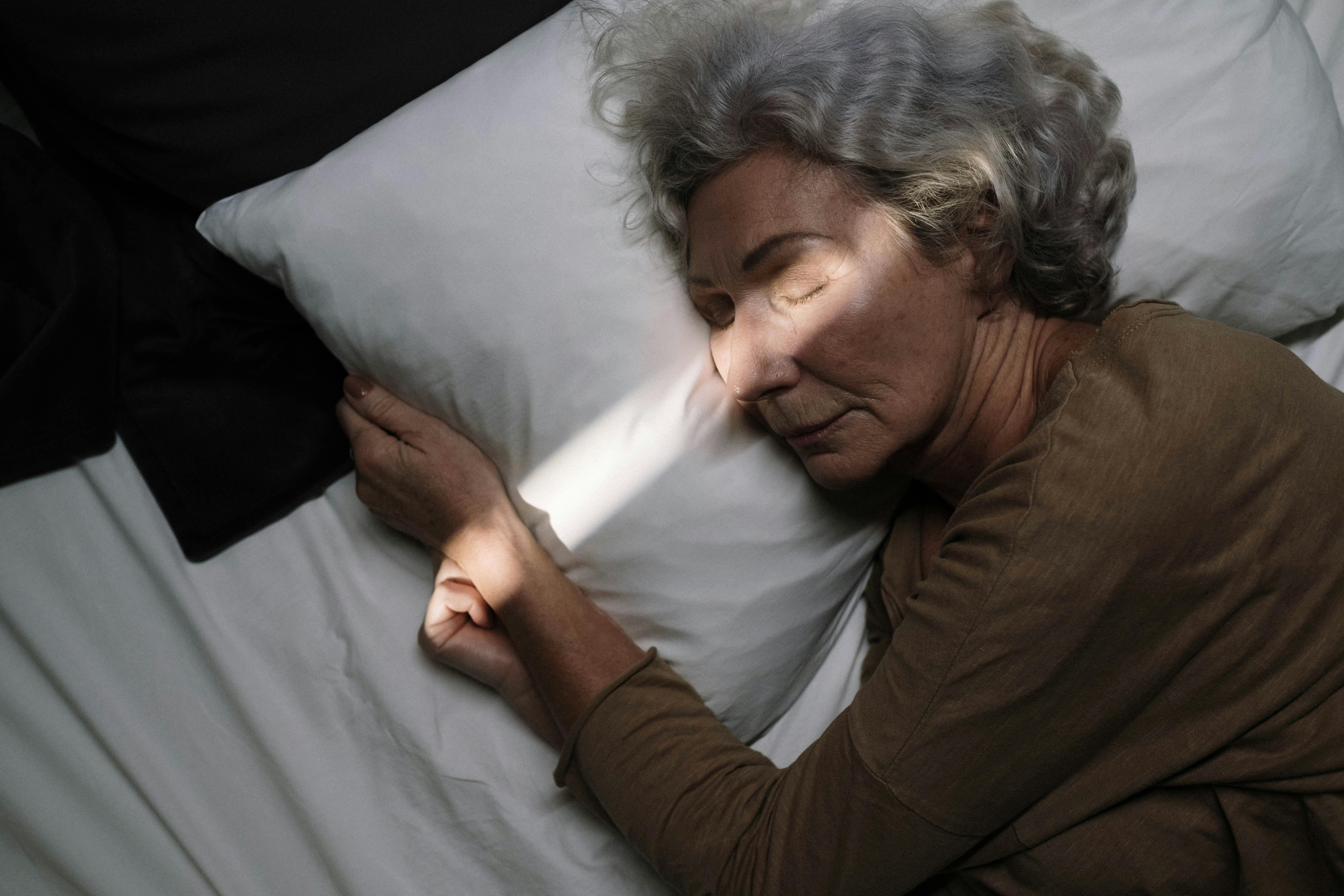
Sleep has a powerful effect on emotions. Research on the sleep-deprived brain found that sleep loss appears to increase emotional reactivity in brain regions such as the amygdala while reducing communication with areas involved in emotional regulation and decision-making.. As a result, people who are sleep-deprived often become more sensitive to stress, more irritable, and more likely to experience intense negative emotions. If you have been running on little sleep, your emotions may simply be reflecting that.
Stress and Burnout
Ongoing stress keeps the body in a heightened state, leaving less room to cope with everyday frustrations. When stress builds toward burnout, small problems can feel overwhelming, and emotions can spill over more easily. Stress can also feed into overthinking, which makes feelings harder to settle.
Thyroid and Other Physical Causes
Sometimes the cause is physical. An underactive thyroid (hypothyroidism) or overactive thyroid (hyperthyroidism) can affect mood, energy levels, and emotional regulation, which is why a feeling of being "off" can sometimes be traced back to a thyroid problem. Blood sugar swings, certain medications, and other medical conditions can also play a role, so it is worth mentioning ongoing mood changes to your doctor.
Big Life Changes and Grief
Major events can stir up strong feelings even when you expected them. A move, a breakup, a new job, a loss, or any big transition asks a lot of your mind and body at once. Grief, in particular, can come in waves that catch you off guard weeks or months later. During these stretches, it is normal for emotions to run closer to the surface, and giving yourself extra patience often matters more than trying to talk yourself out of how you feel.
When Strong Emotions Point to a Mental Health Condition
Sometimes heightened emotions are a sign of an underlying mental health condition, especially when they last for weeks, don’t seem to improve with a change in situation, or interfere with daily life. This does not mean something is wrong with you. It simply means your feelings may be pointing to something that deserves attention and responds well to support. A few patterns are worth knowing about.
Depression can cause persistent sadness, tearfulness, emptiness, and a loss of interest in things once enjoyed.
Anxiety can leave you on edge and reactive, including anxiety that flares at night.
Irritability that makes you feel intolerant of others can be tied to mood or stress.
Bipolar disorder involves episodes of unusually elevated or energized mood (mania or hypomania) and episodes of depression..
Emotional dysregulation linked to ADHD can make feelings intense and quick to surface. However, this isn’t a formal diagnostic criterion for ADHD.
How to Feel More Emotionally Balanced
Small, steady habits can make a big difference in how grounded you feel day to day. You do not need to overhaul your life all at once. Picking one or two of the steps below and sticking with them is usually more helpful than trying everything for a few days and then stopping.
Protect your sleep: Aim for consistent, restful nights, since sleep strongly shapes mood.
Move your body: Regular activity helps release tension and steady emotions.
Name what you feel: Putting words to an emotion may help make it feel more manageable and easier to understand.
Watch caffeine and alcohol: Both can amplify mood swings and anxiety.
Stay connected: Talking with people you trust eases the load of strong feelings.
Give these habits time to work. Emotional balance tends to return gradually as your sleep, stress, and routines steady out, so try to judge progress over a few weeks rather than a single hard day.
If heightened emotional sensitivity persists, it can be helpful to consult with a healthcare provider.
When to Talk to a Professional
Reach out for support if heightened emotions persist for several weeks, feel difficult to control, don’t seem to get any better with helpful habits, or have begun to affect your work, relationships, or daily routine. It is also worth reaching out if you find yourself avoiding people or activities because you are worried about how you might react.
Once physical causes have been ruled out, you can consider visiting a psychiatrist or a therapist as a starting point for professional mental healthcare. Seek urgent help right away if you ever have thoughts of harming yourself.
Telehealth platforms like Blossom Health connect you licensed, board-certified psychiatrists covered by insurance, which makes accessing mental healthcare more convenient.
Medical Disclaimer
This article is for informational purposes only and is not a substitute for professional medical advice, diagnosis, or treatment. Always seek the advice of your physician or other qualified health provider with any questions you may have regarding a medical condition. If you are experiencing a mental health crisis, contact the 988 Suicide and Crisis Lifeline by calling or texting 988.
Sources
National Institute of Mental Health. Depression. nimh.nih.gov
National Institute of Mental Health. Anxiety Disorders. nimh.nih.gov
Krause, A. J., et al. (2017). The sleep-deprived human brain. PMC. ncbi.nlm.nih.gov
Office on Women’s Health. Premenstrual syndrome (PMS). womenshealth.gov
Office on Women’s Health. Premenstrual dysphoric disorder (PMDD). womenshealth.gov
Office on Women’s Health. Thyroid disease. womenshealth.gov
National Institute of Mental Health. Bipolar Disorder. nimh.nih.gov
Chand, S. P., Kuckel, D. P., & Huecker, M. R. Cognitive Behavior Therapy. StatPearls. ncbi.nlm.nih.gov