Propranolol Dosage for Anxiety: What to Know About Common Doses
Author:
Blossom Editorial


Propranolol is a beta-blocker, a class of medications primarily used to treat heart conditions. It is also sometimes prescribed off-label to help manage the physical symptoms of anxiety, such as a racing heart, shaky hands, and a trembling voice. While it doesn’t directly treat anxious thoughts, calming the body's stress response can make stressful moments feel more manageable.
If your provider has recommended propranolol, you may be wondering what doses are commonly used and when to take it. This guide explains how propranolol works for anxiety, typical dosing, and important safety information to keep in mind.
Key Takeaways
Propranolol helps with the physical symptoms of anxiety. Propranolol targets the body's reactions to stress and can help reduce symptoms such as a pounding heart, shaking, and sweating. But it doesn’t treat the underlying cause of anxiety.
It is often taken before a stressful event. For performance or situational anxiety, providers commonly recommend taking propranolol roughly 30 to 60 minutes before the event. It usually starts working within that window but the exact timing may vary.
The right dose depends on the individual. There is no single correct dose. Your provider will choose a dose based on your symptoms, overall health, and any other medical conditions you may have.
What Is Propranolol and How Does It Work for Anxiety?
Understanding what propranolol does in the body can explain why it helps with certain kinds of anxiety but not others.
Propranolol is a nonselective beta-blocker, which means it blocks the effects of adrenaline on the heart and blood vessels. It is FDA-approved to treat several heart conditions, migraine prevention, and tremors. It is also commonly prescribed off-label for performance anxiety, which is considered a type of social anxiety.
When you feel anxious, your body releases adrenaline. This can make your heart beat faster, raise your blood pressure, and can cause symptoms such as shaking and sweating. Propranolol helps reduce these physical reactions by limiting the effects of adrenaline.
Because it mainly works on the body’s physical stress response, propranolol tends to work best for situational anxiety. It includes situations such as public speaking, performances, or other short-term stressful events where physical symptoms are the main concern. It is generally less effective for ongoing anxiety.
Common Propranolol Doses for Anxiety
Doses may vary depending on whether propranolol is used for an occasional stressful event or taken on a regular schedule, so it helps to look at each situation separately.
Single Dose for Performance or Situational Anxiety
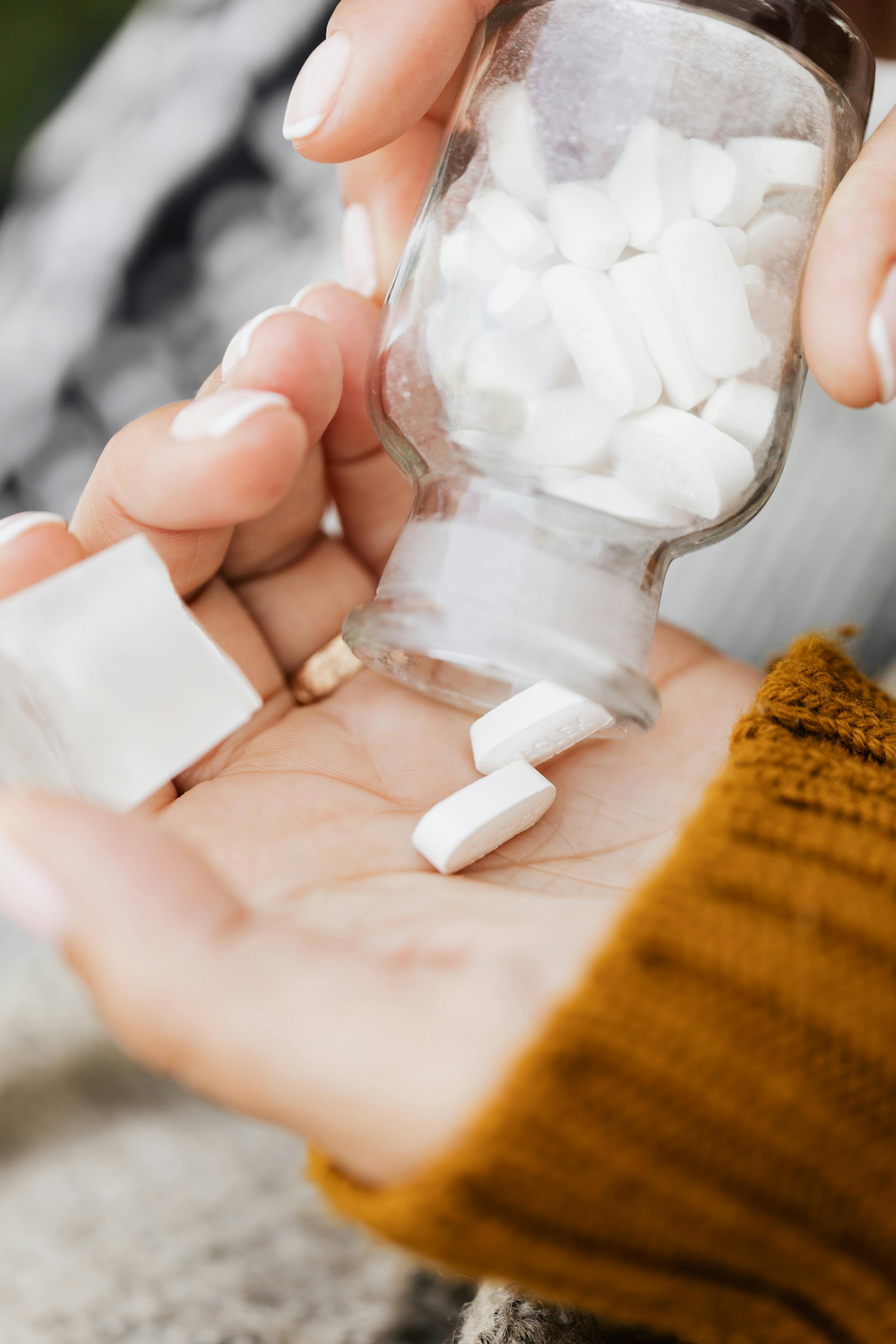
For one-time stressful events, providers often prescribe a single dose to be taken before the event. A review in the International Journal of Molecular Sciences suggests doses in the range of about 10 to 40 mg taken roughly 30 to 60 minutes beforehand. Many people start with a lower dose to see how they respond before increasing it if needed.
Regular Daily Dosing
Some people take propranolol on a scheduled basis rather than only before events. Daily dosing typically requires closer monitoring because propranolol can lower heart rate and blood pressure over time. Your provider can help determine whether daily treatment is appropriate and choose a dose and schedule based on your symptoms, health goals, and response to the medication.
Starting Low and Adjusting
A common approach is to begin with a low dose and adjust as needed. This lets you and your provider see how your body reacts and find the lowest effective dose. This may also help reduce the risk of side effects such as lightheadedness or tiredness. However, it is recommended that you consult with your healthcare provider before making any changes to your dose on your own.
What the Research Says About Effectiveness
Propranolol is considered effective for reducing the physical symptoms of short-term, situational anxiety, such as public speaking or performance anxiety.
A review of propranolol for anxiety and stress suggests that beta-blockers can reduce the physical signs of stage fright and may improve performance in some people. At the same time, the overall evidence for beta-blockers in conditions like generalized social anxiety or panic disorder is more limited, which is why they are not usually a first-choice treatment for ongoing anxiety disorders.
For long-lasting anxiety, the National Institute of Mental Health suggests taking therapy, medications such as antidepressants, or a combination of both. Depending on your symptoms, propranolol may be used alongside these treatments rather than instead of them.
Side Effects and Safety
Propranolol is generally well-tolerated, but like all medications, it can cause side effects.
Common side effects include:
A slower heart rate
Feeling lightheaded or dizzy, especially when standing up
Tiredness or low energy
Cold hands and feet
Trouble sleeping or vivid dreams
Propranolol may not be safe for everyone. For example, it may not be safe for people with asthma, certain heart conditions, or very low blood pressure because it can affect breathing, heart rate, and circulation.
Be sure your provider knows your full medical history and all of the medications and supplements you take. If you’ve been taking propranolol regularly, do not stop suddenly. Your provider can help you reduce the dose gradually if it’s time to stop.
Propranolol vs. Other Anxiety Treatments
Unlike other anti-anxiety medications or antidepressants, propranolol does not need to build up in your body over several weeks to reduce symptoms. Instead, it begins working within hours and is most helpful for predictable situations that trigger anxiety, such as public speaking, a presentation, or a performance.
Some people use propranolol alongside other treatments. For example, someone in therapy for social anxiety might also take propranolol before a specific high-pressure event. The combination of long-term skills from therapy and short-term symptom relief can work well for certain people. Your provider can help you decide whether propranolol should be a standalone tool or part of a broader plan.
Tips for Taking Propranolol Safely
A few simple habits can help you get the most benefit from propranolol while reducing the risk of side effects:
Try a practice dose. If possible, try your first dose on a day when you do not have an important event so you know how it affects you.
Plan ahead. Take your dose 30 to 60 minutes before a stressful situation unless your provider gives you different instructions.
Avoid alcohol: Mixing propranolol with alcohol can increase the risk of dizziness and low blood pressure.
Keep your provider informed: Share any new medications, supplements, or health changes, since these can affect how propranolol works.
The Bottom Line
Propranolol can be an effective option for managing the physical symptoms of situational anxiety, especially when a single dose is taken before a stressful event. Typical doses fall in a low range and are tailored to each person, so it should always be determined with your healthcare provider.
If anxiety is affecting your daily life, a psychiatric provider can help you find the treatment that's right for you. Depending on your symptoms, that may include propranolol, therapy, or other options. You can get matched with an in-network provider through Blossom Health for virtual care.
Medical Disclaimer
This article is for educational purposes only and does not constitute medical advice. The information provided should not replace consultation with a qualified healthcare provider. Individual responses to medications can vary significantly, and what applies to one person may not be the same for another.
Always consult with your doctor or pharmacist before making any decisions about medication changes, discontinuation, or interactions with other substances. If you’re experiencing concerning symptoms or side effects, please seek professional help from a healthcare provider.
Sources
Shahrokhi M, Gupta V. Propranolol. [Updated 2023 May 1]. In: StatPearls [Internet]. Treasure Island (FL): StatPearls Publishing; 2026 Jan-. Available from: https://www.ncbi.nlm.nih.gov/books/NBK557801
Szeleszczuk, Ł., & Frączkowski, D. (2022). Propranolol versus Other Selected Drugs in the Treatment of Various Types of Anxiety or Stress, with Particular Reference to Stage Fright and Post-Traumatic Stress Disorder. International journal of molecular sciences, 23(17), 10099. https://doi.org/10.3390/ijms231710099
National Institute of Mental Health. (December, 2024). Anxiety Disorders. nimh.nih.gov/health/topics/anxiety-disorders
Munir S, Takov V. Generalized Anxiety Disorder. [Updated 2022 Oct 17]. In: StatPearls [Internet]. Treasure Island (FL): StatPearls Publishing; 2026 Jan-. Available from: https://www.ncbi.nlm.nih.gov/books/NBK441870/
National Institute of Mental Health. (December, 2023). Mental Health Medications. nimh.nih.gov/health/topics/mental-health-medications
MayoClinic. (June 01, 2026). Propranolol. https://www.mayoclinic.org/drugs-supplements/propranolol-oral-route/description/drg-20071164