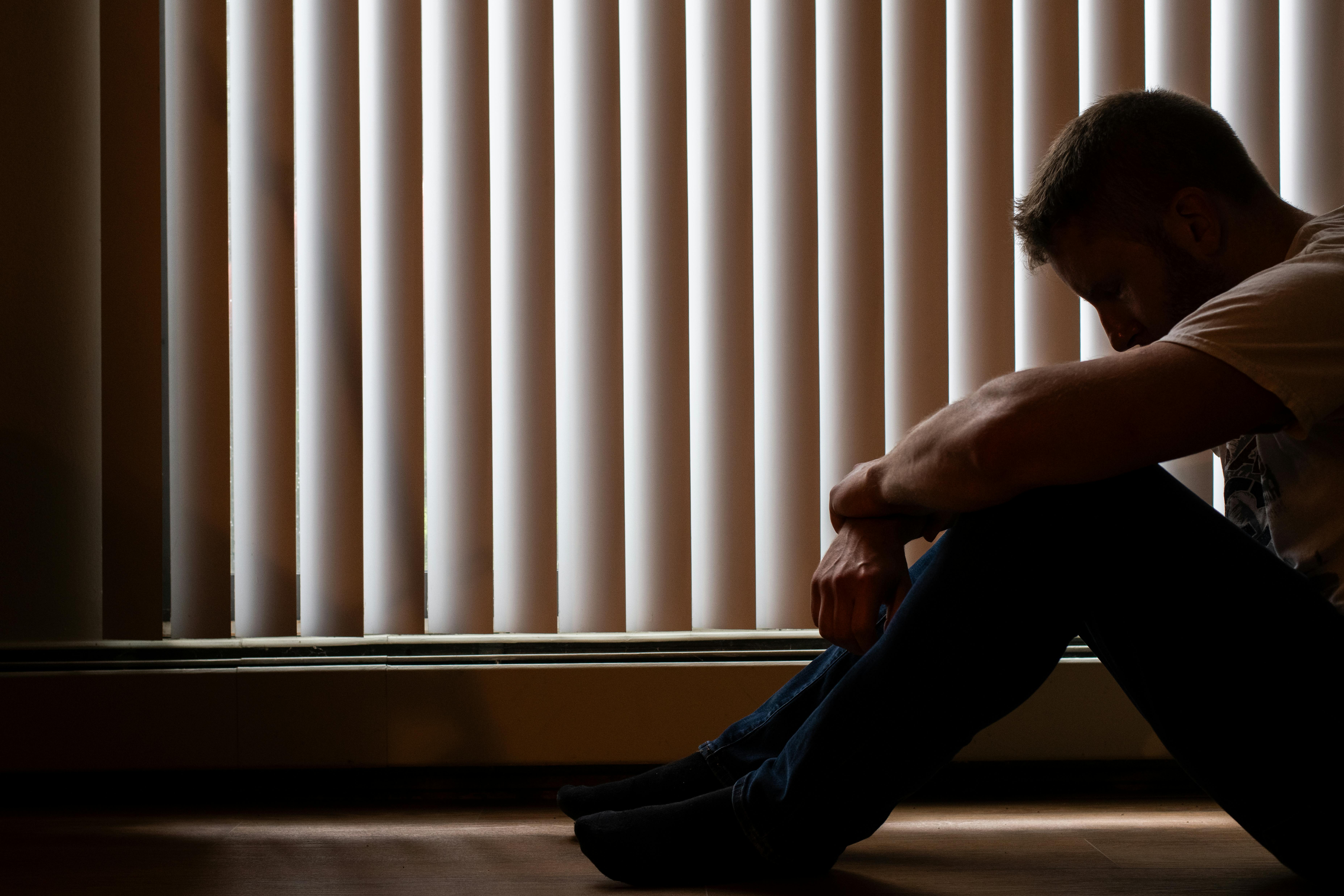
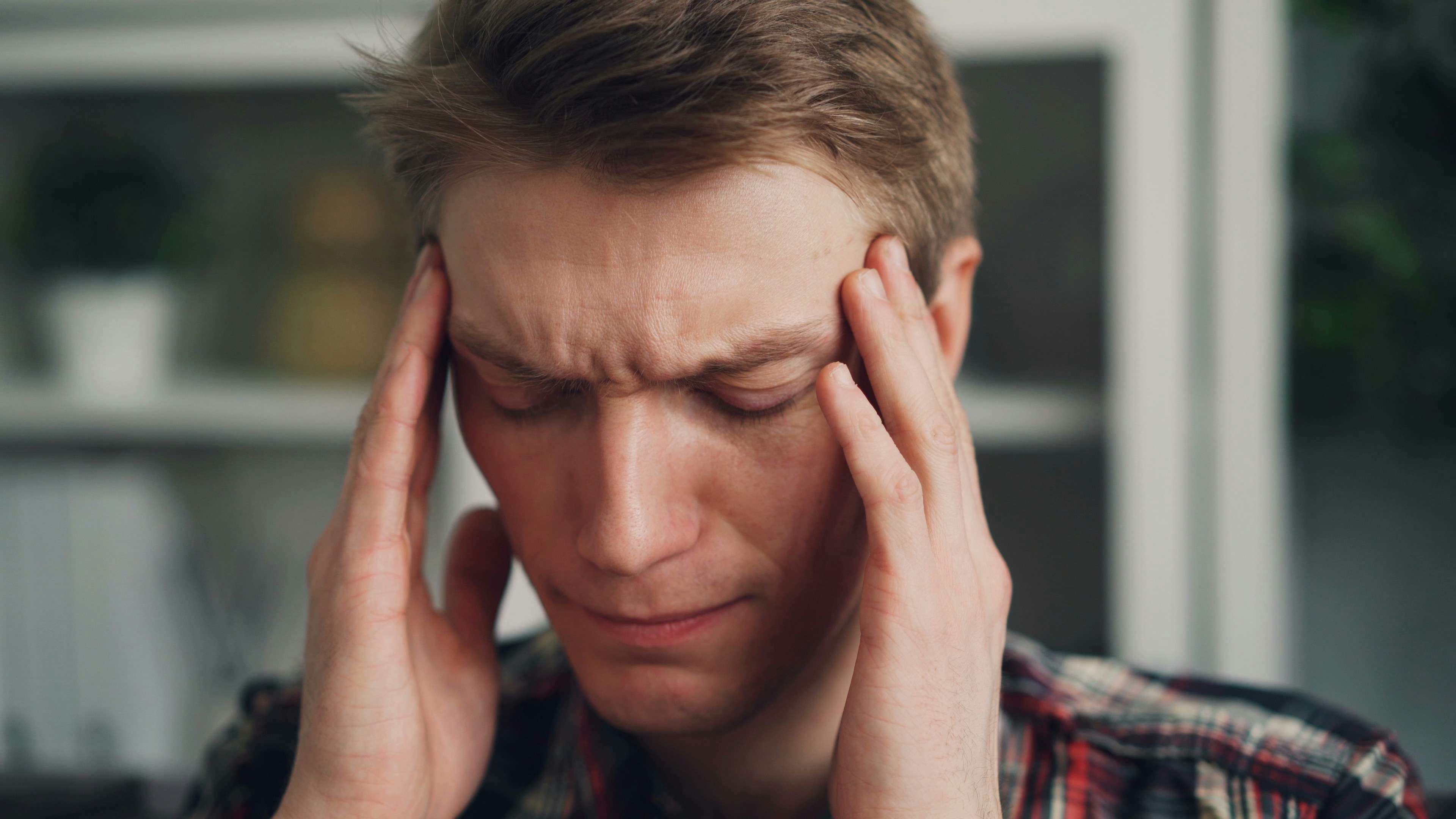
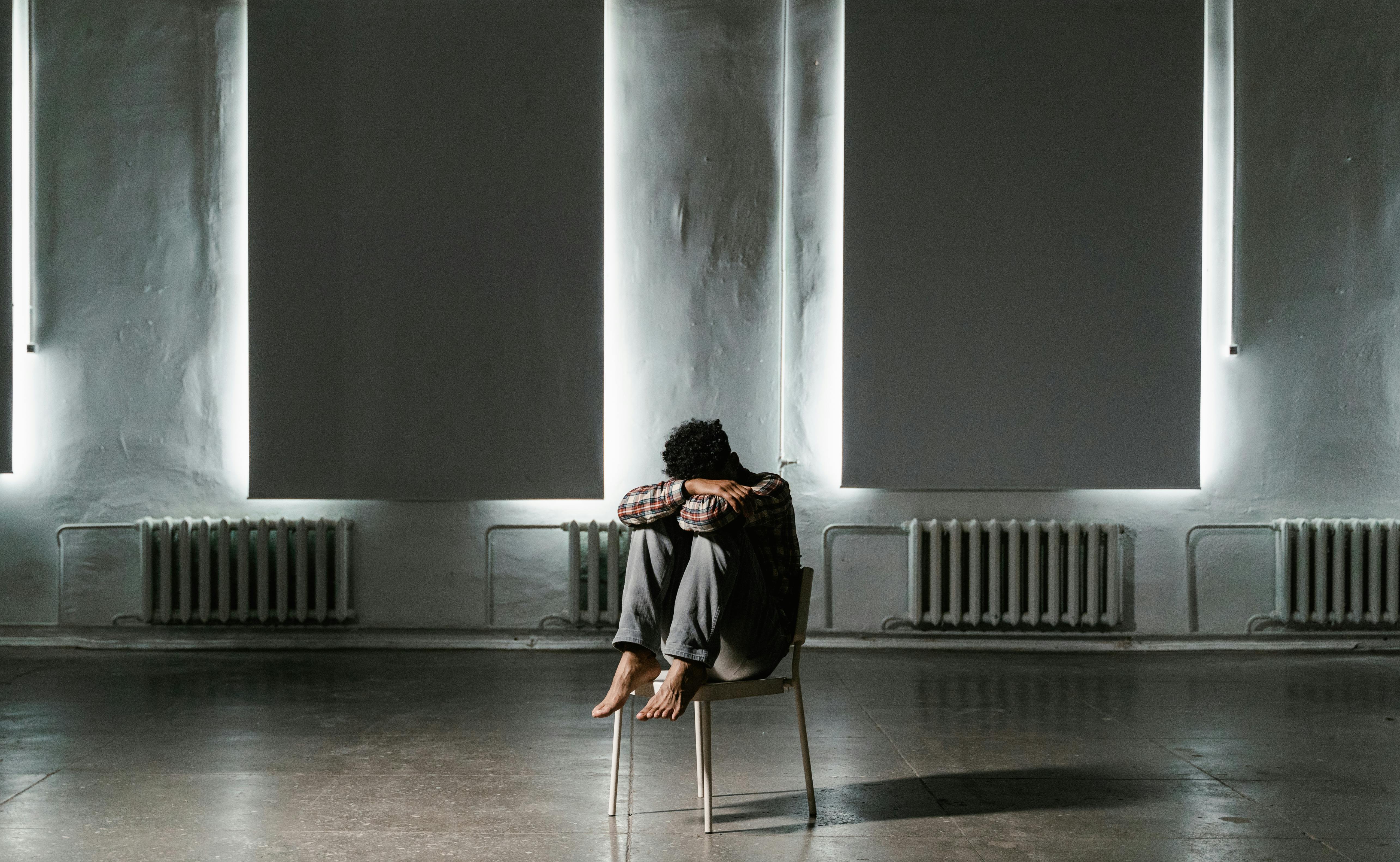
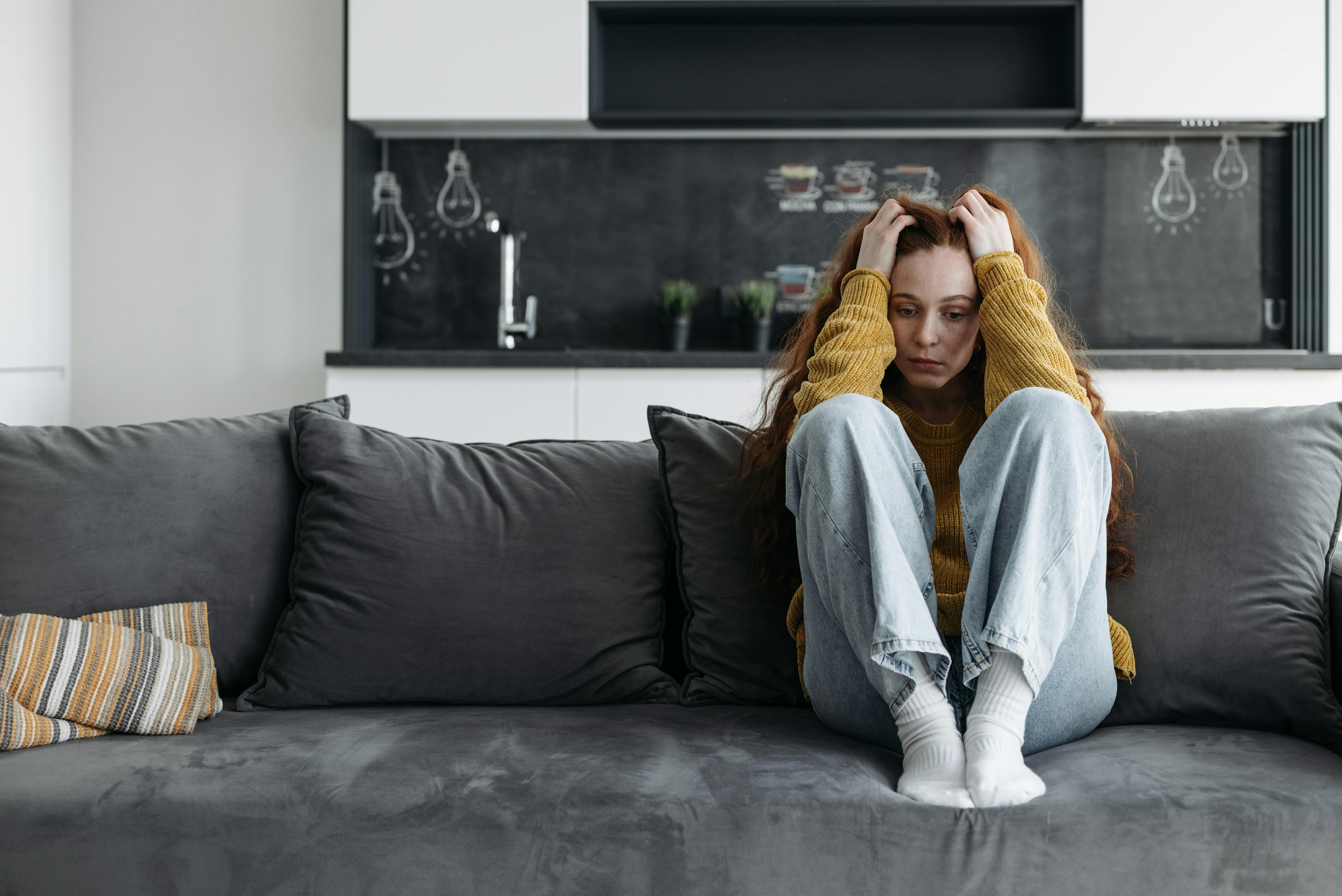
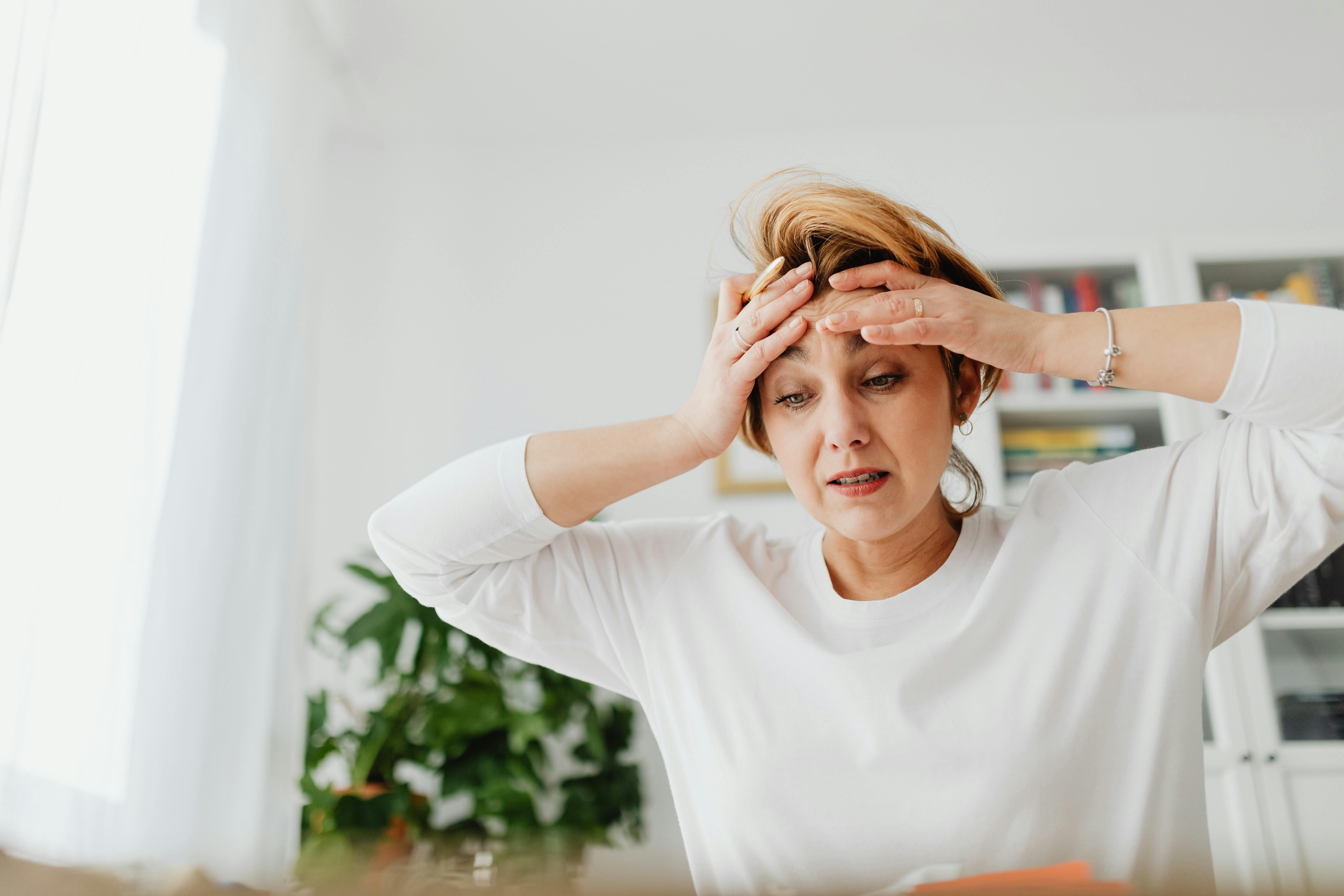
"Crippling anxiety" is not an official medical diagnosis, but it is a phrase many people use to describe anxiety so intense that it gets in the way of daily life. When worry, fear, or physical symptoms make it hard to work, leave the house, or handle normal tasks, that level of anxiety deserves real attention and care. The encouraging news is that even severe anxiety is highly treatable.
Key Takeaways
Severe anxiety is common and impairing: Anxiety disorders affect about 19% of American adults each year, and among those affected, nearly 1 in 4 has serious impairment in daily life.
It shows up in the body and the mind: Crippling anxiety can bring racing thoughts along with physical symptoms like a pounding heart, chest tightness, nausea, and trouble breathing.
Effective help exists: Therapy such as cognitive behavioral therapy (CBT), lifestyle changes, and medication (as and when needed) can greatly reduce symptoms, helping most people improve with the right plan.
What Does "Crippling Anxiety" Mean?
Crippling anxiety describes anxiety that is severe enough to interfere with everyday functioning. It is not a label you will find in a medical manual, but it often points to an underlying anxiety disorder, such as generalized anxiety disorder, panic disorder, or social anxiety disorder.
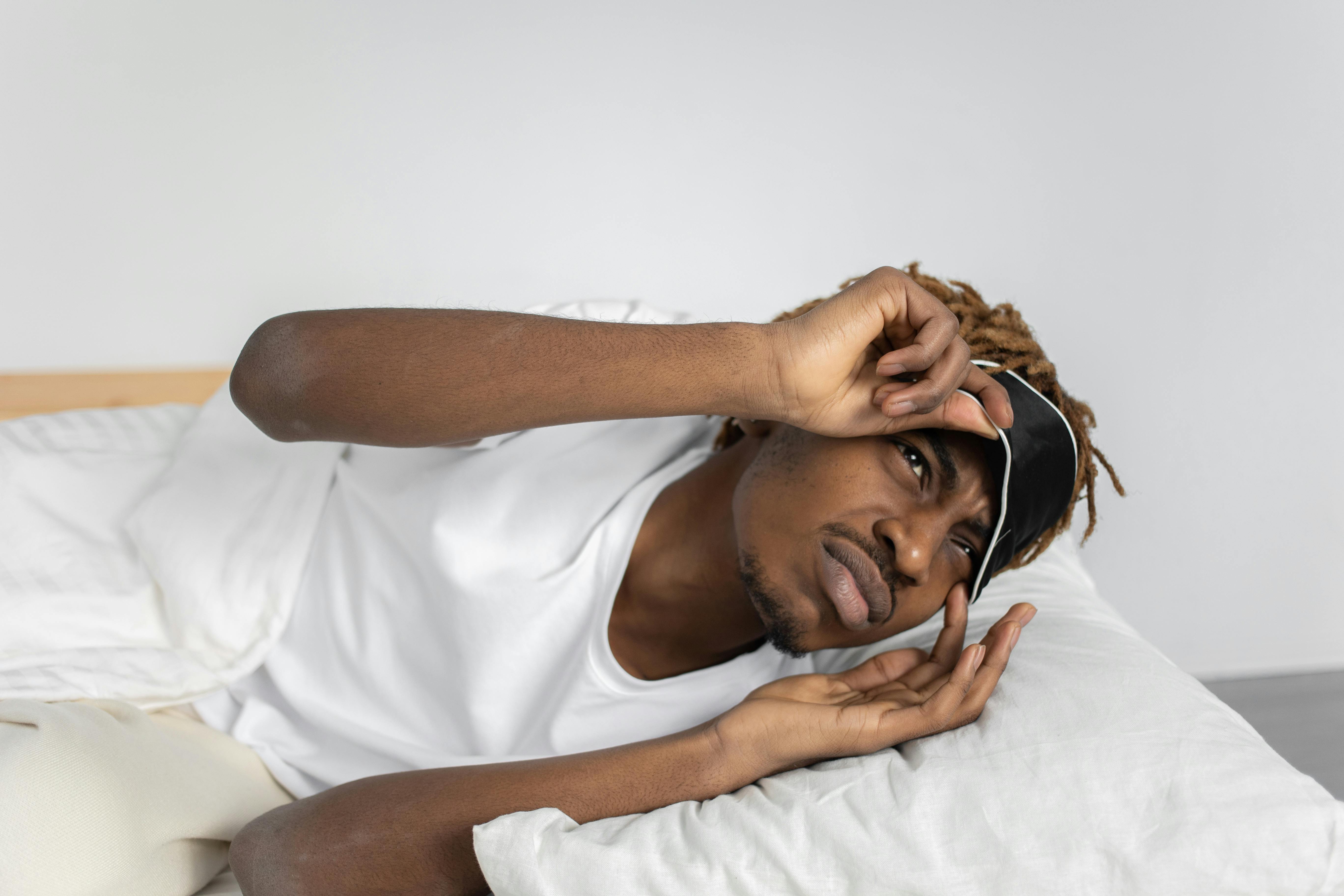
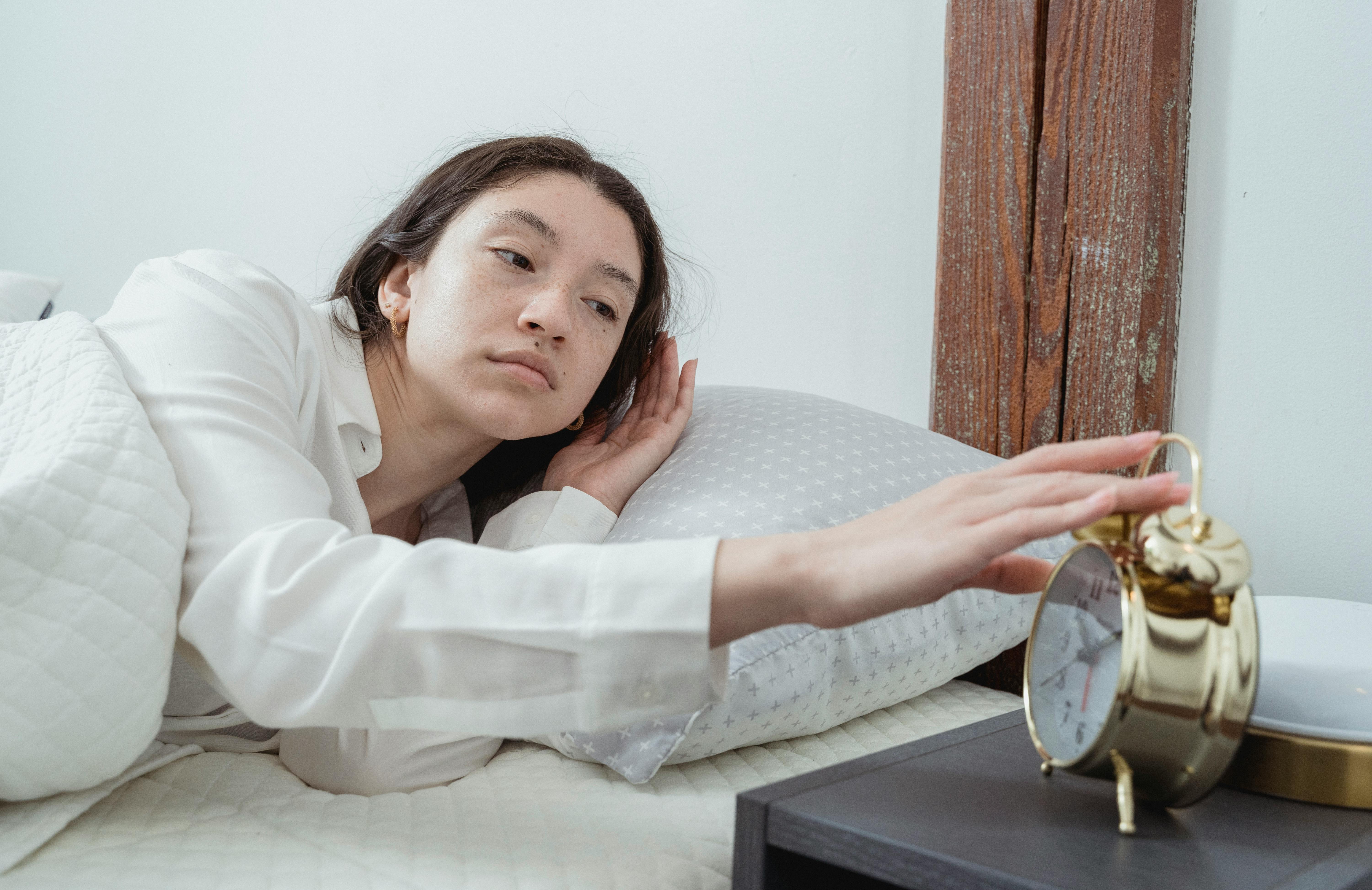
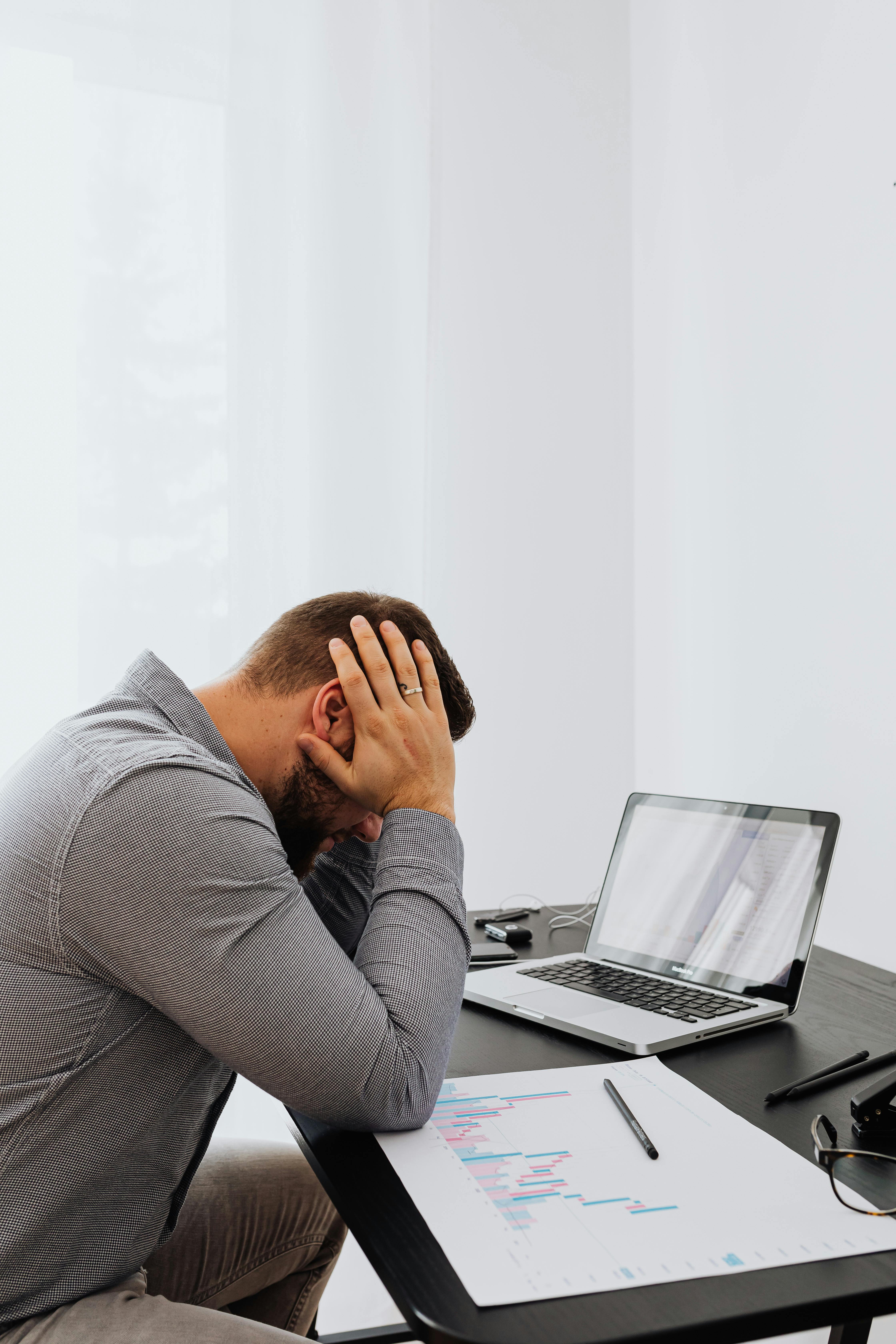
The key feature is impairment. Crippling anxiety can make it hard to start your day, hold a conversation, leave the house, or do tasks that once felt simple. Over time, the effort of managing constant fear can be exhausting by itself.
Because "crippling anxiety" is a description rather than a diagnosis, the first step toward relief is usually figuring out what is driving it. The same intense symptoms can come from different anxiety disorders, and identifying the pattern helps guide the most effective treatment. A thorough evaluation can also rule out other causes and make sure the treatment plan fits your specific situation.
How Common Are Anxiety Disorders?
Generalized Anxiety Disorder (GAD): Affects about 3.1% of American adults. Women are twice as likely to develop it, and it often occurs alongside depression.
Panic Disorder (PD): Affects about 2.7% of American adults. Women are twice as likely to be affected.
Social Anxiety Disorder (SAD): Affects about 7.1% of American adults and often begins during the early teenage years.
Specific Phobias: Affect about 9.1% of American adults. Symptoms usually begin in childhood, and women are more commonly affected.
Signs and Symptoms
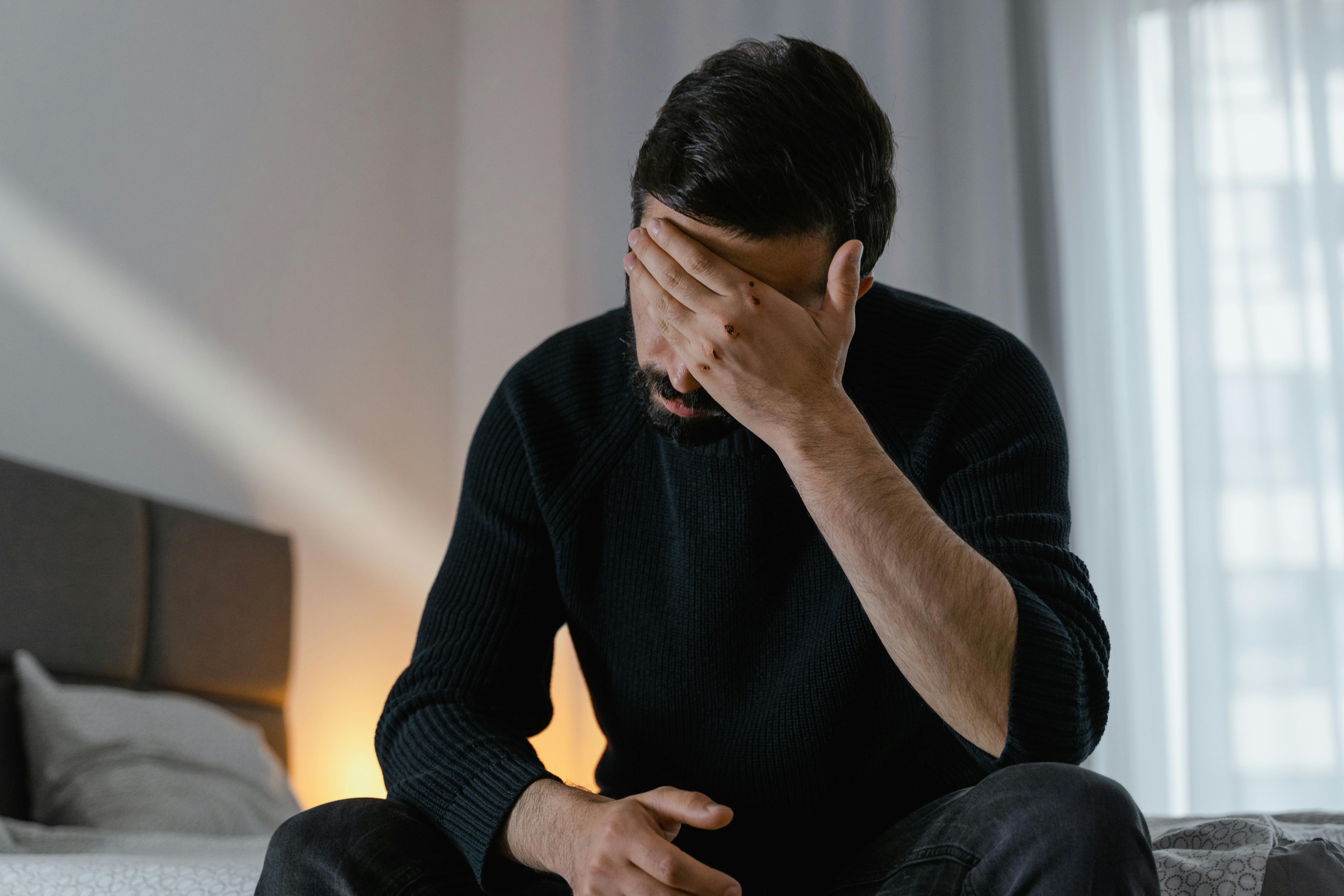
Crippling anxiety affects both the mind and the body, and symptoms can overlap or feed each other. A worried thought can trigger a physical reaction, and that physical reaction can then fuel even more worry, which is part of why severe anxiety can feel so hard to break out of on your own.
Emotional signs: These can include constant worry, a sense of dread, restlessness, and difficulty concentrating. Intense episodes may also become panic attacks.
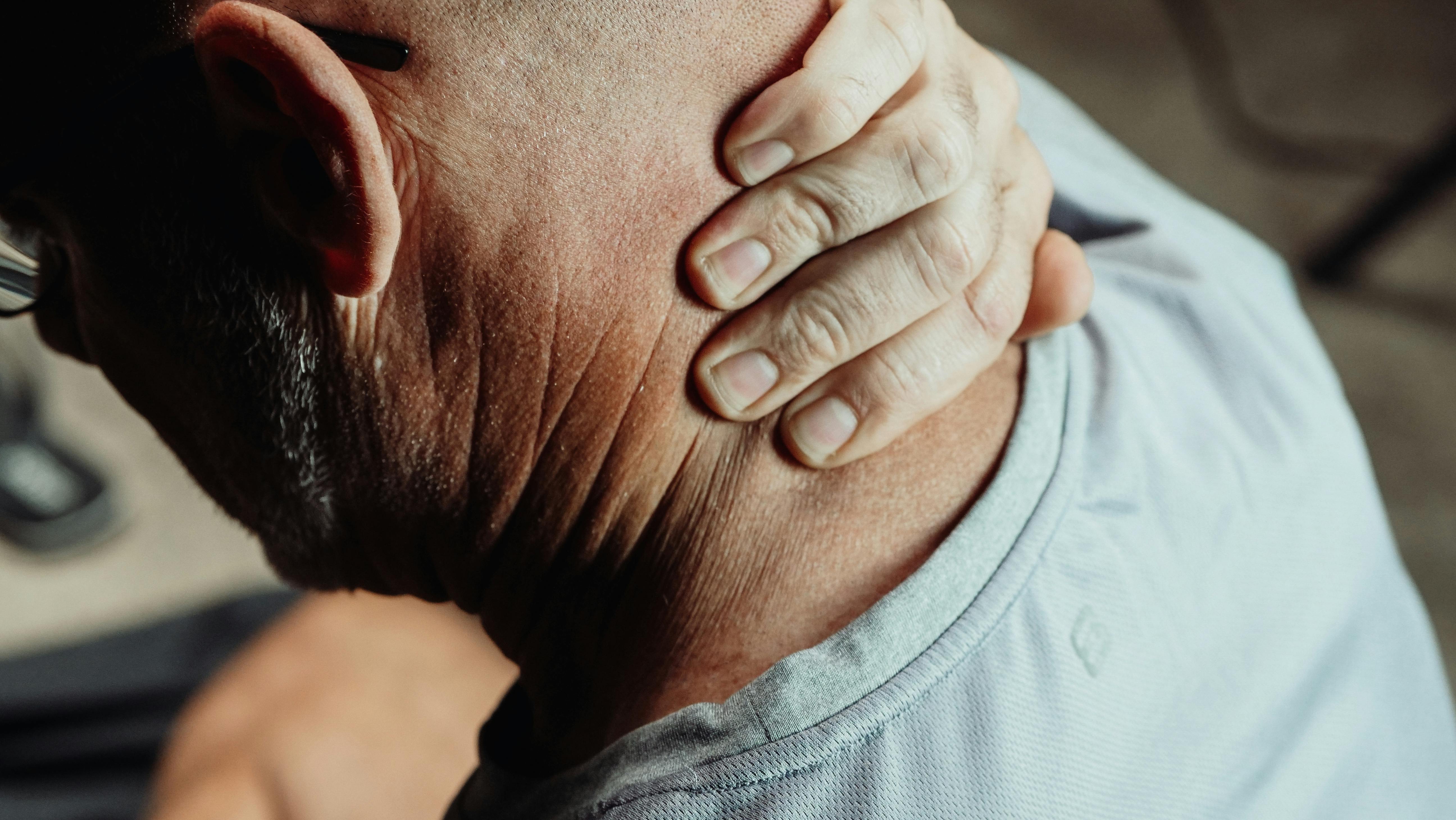
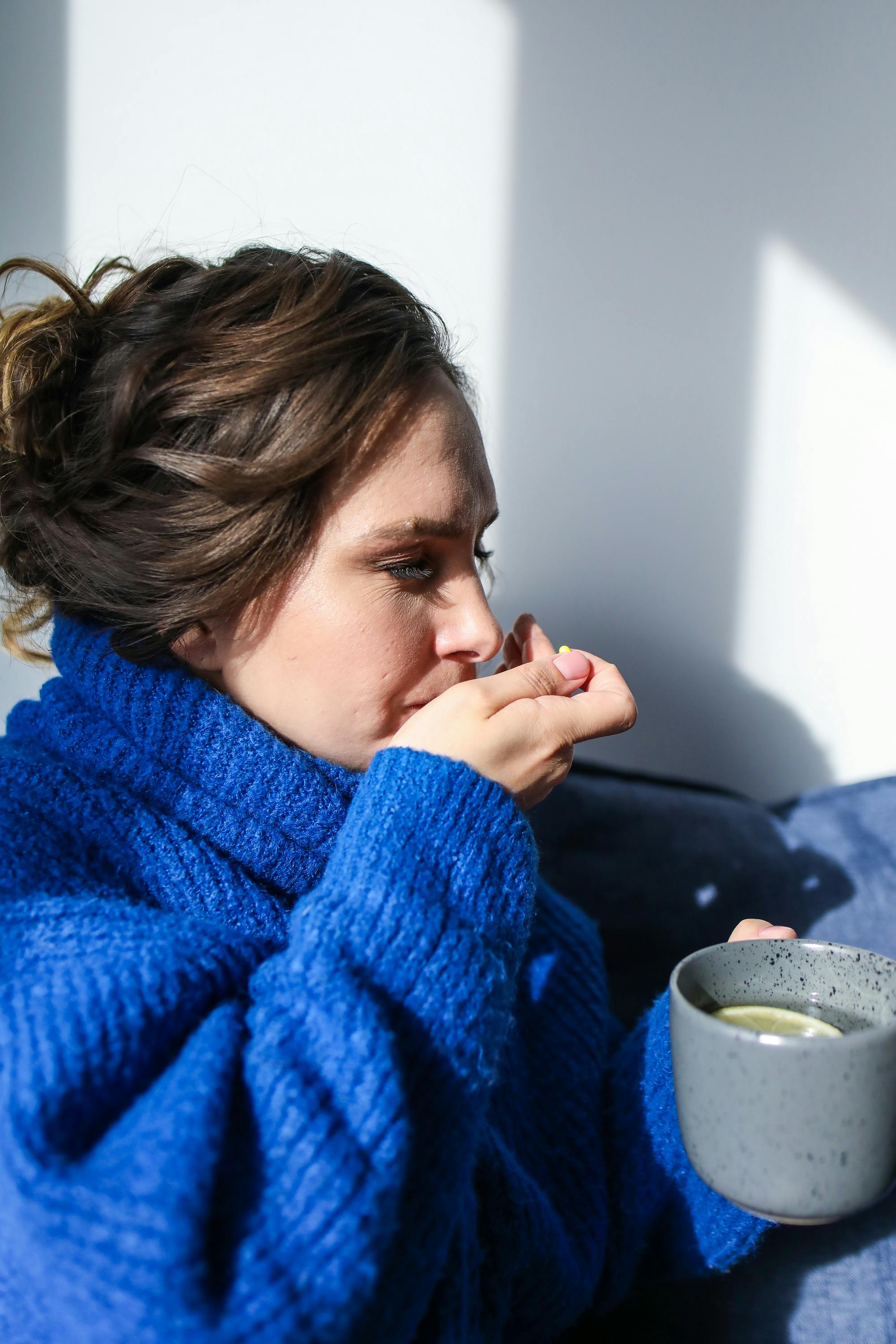
Physical signs: These can include a racing heart, muscle tension, trembling, sweating, and trouble sleeping. Many people are surprised that anxiety can cause chest pain and may not realize when nausea is from anxiety.
Behavioral signs: These can make you avoid people, places, or situations that trigger anxiety, which can gradually make your world feel smaller.
What Causes Crippling Anxiety?
Anxiety rarely has a single cause. It usually develops from a mix of factors that build on one another.
Genetics and brain chemistry: Anxiety disorders may often run in families and involve the brain's stress and fear systems.
Stress and trauma: Major life stress, ongoing pressure, or past trauma can trigger or worsen anxiety.
Health and lifestyle factors: Poor sleep, high caffeine intake, certain medical conditions, and substance use can all raise anxiety levels.
These factors can often stack up rather than acting alone. Someone might have a family history of anxiety, go through a stressful season at work, and lose sleep all at once, and the combination is what pushes anxiety from manageable to overwhelming. This is also why treatment usually works best when it addresses multiple pieces at a time.
How Is Crippling Anxiety Treated?
Therapy
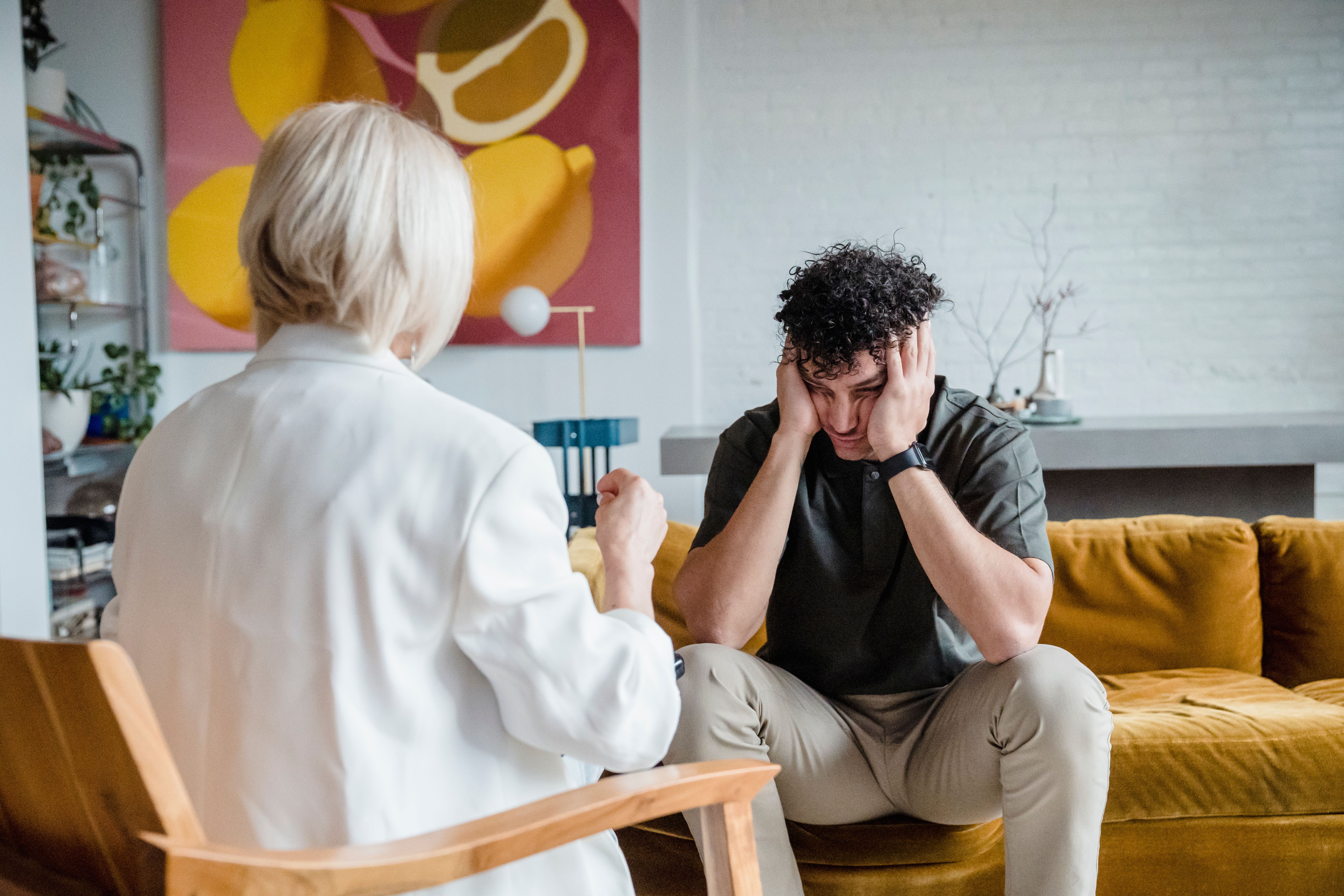
Cognitive behavioral therapy, or CBT, is one of the most effective treatments for anxiety. It helps you recognize anxious thought patterns, face feared situations gradually, and build practical coping skills you can use long after therapy ends. For anxiety tied to specific fears or avoidance, a form of CBT called exposure therapy gently helps you reconnect with the situations you have been avoiding, at a pace that feels manageable.
Medication
For many people, medication is a helpful part of treatment. Antidepressants such as selective serotonin reuptake inhibitors (SSRIs) and serotonin and norepinephrine reuptake inhibitors (SNRIs) are common first choices for anxiety and are not habit-forming, though they usually take a few weeks to reach their full effect. If you are worried about dependence, it is worth learning about non-addictive anxiety medication options with a provider who can help match a medication to your needs and adjust it over time.
Lifestyle and Coping Skills
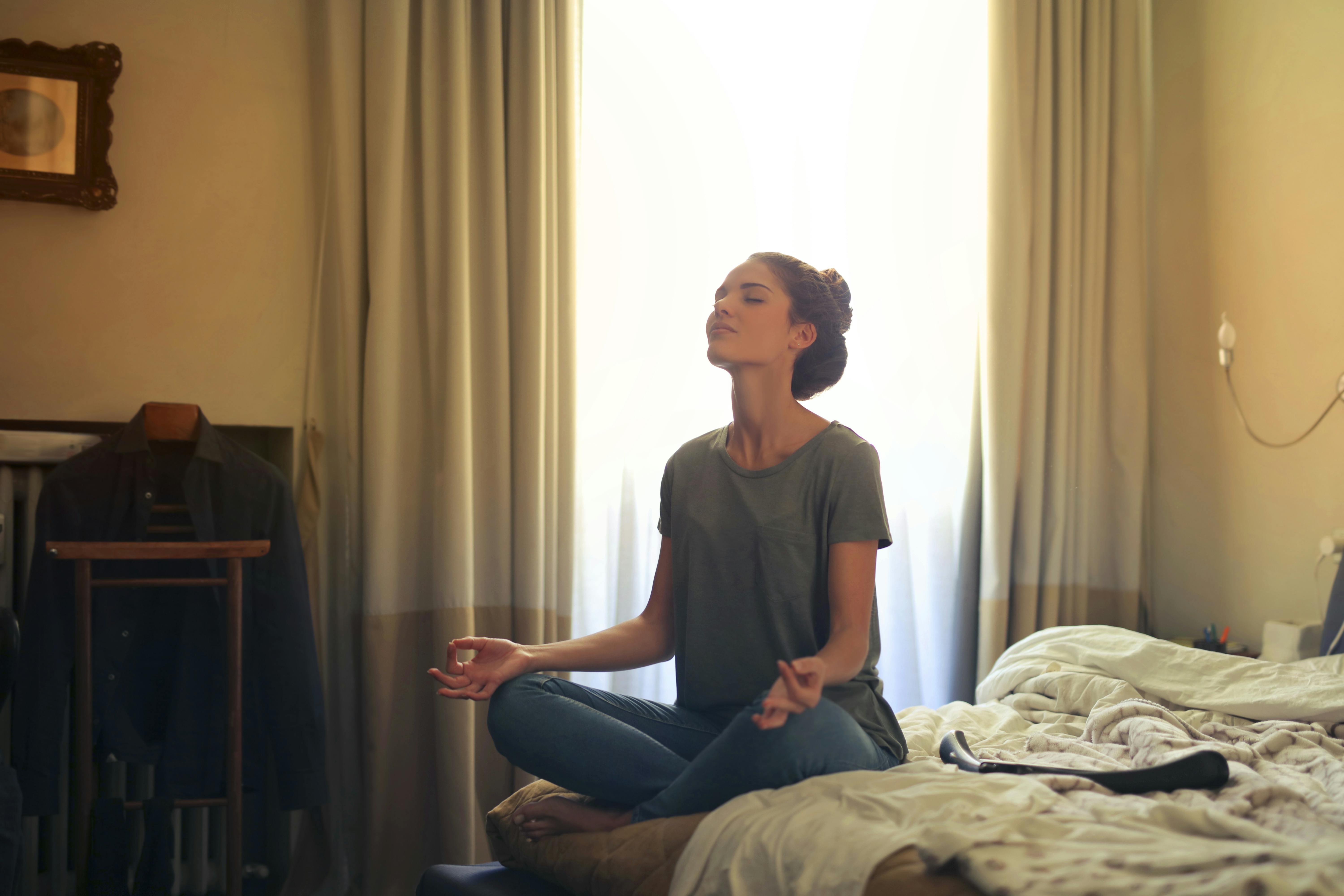
Daily habits support recovery alongside therapy and medication. Regular sleep, physical activity, and limiting caffeine can lower baseline anxiety. In the moment, slow breathing and grounding techniques can help calm the body and interrupt a spiral. Building a routine with these habits gives your nervous system fewer reasons to stay on high alert, and many people find that the steadier their days are, the less often anxiety flares. These tools do not replace treatment, but they make the other parts of a plan work better.
When to Seek Help
If anxiety is interfering with your work, relationships, or daily routine, or if you are avoiding important parts of life, it is time to reach out for the right support. You do not need to wait until things feel unbearable. If you are unsure where to start, learning when to see a psychiatrist can help. Seek help immediately if you ever have thoughts of harming yourself.
Blossom Health can help you find and receive the right support for your anxiety. Our board-certified psychiatrists take the time to understand your symptoms and identify what's driving your anxiety. Whether treatment includes medication, lifestyle strategies, or a combination of approaches, we'll create a personalized care plan to help you feel calmer, more confident, and better able to manage daily challenges.
Medical Disclaimer
This article is for informational purposes only and is not a substitute for professional medical advice, diagnosis, or treatment. Always seek the advice of your physician or other qualified health provider with any questions you may have regarding a medical condition. If you are experiencing a mental health crisis, contact the 988 Suicide and Crisis Lifeline by calling or texting 988.
Sources
National Institute of Mental Health. Any Anxiety Disorder (Statistics). nimh.nih.gov
National Institute of Mental Health. Anxiety Disorders. nimh.nih.gov
National Institute of Mental Health. Generalized Anxiety Disorder (Statistics). nimh.nih.gov
Hofmann, S. G., et al. 2012. The Efficacy of Cognitive Behavioral Therapy: A Review of Meta-analyses. Cognit Ther Res . ncbi.nlm.nih.gov
Chand SP, Kuckel DP, Huecker MR. 2023. Cognitive Behavior Therapy. StatPearls [Internet]. ncbi.nlm.nih.gov
National Institute of Mental Health. Mental Health Medications. nimh.nih.gov
MedlinePlus. Anxiety. medlineplus.gov
Anxiety and Depression Association of America. Facts & Statistics. adaa.org