Depression and Isolation: How Loneliness Fuels Depression (and What to Do About It)
Author:
Blossom Editorial


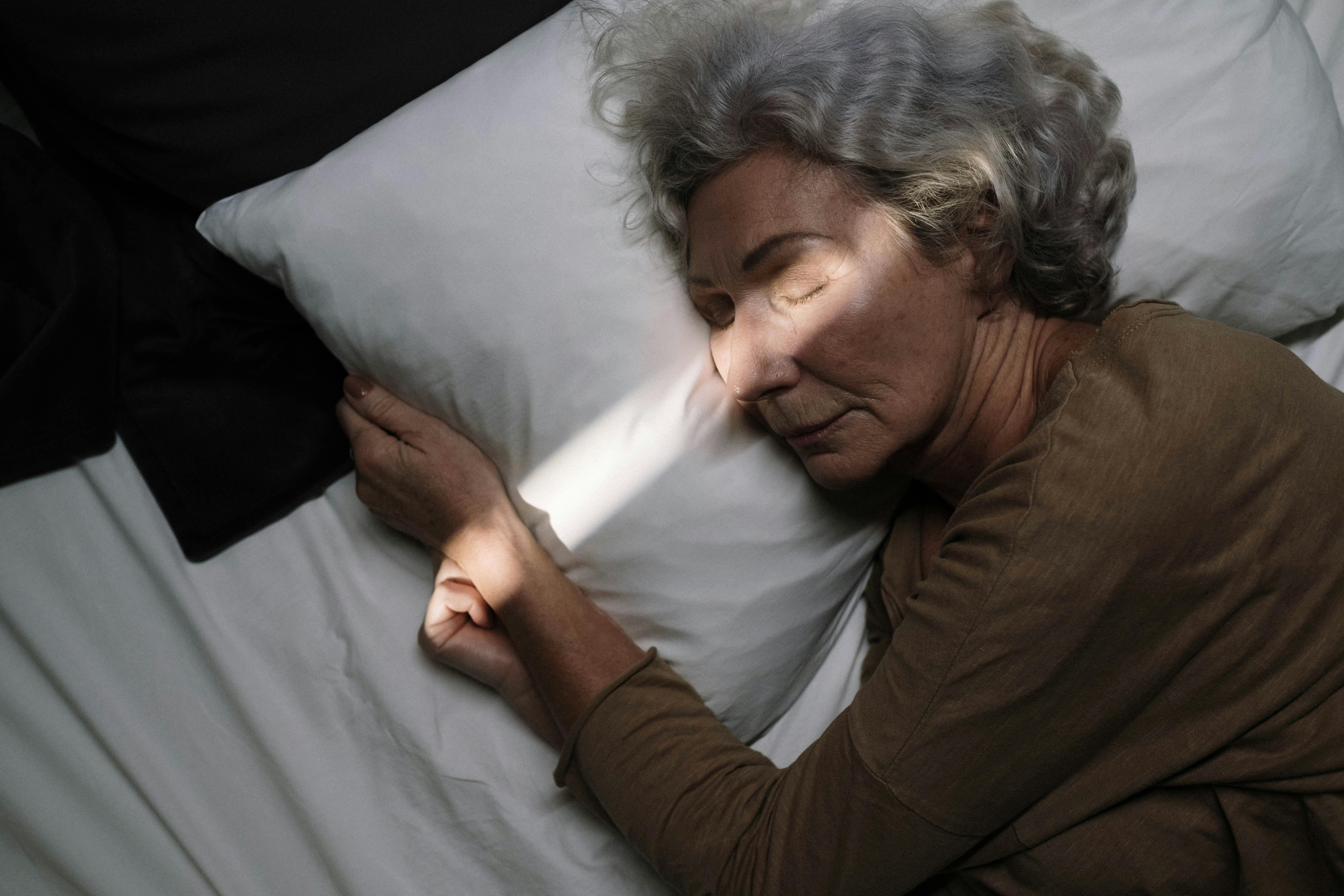
Depression and social isolation are closely connected. Each can contribute to the other, creating a cycle that can be difficult to break without support.
When you feel depressed, withdrawing from friends, family, and daily activities may feel like the easiest option. However, that withdrawal can make symptoms of depression worse over time, making recovery more challenging.
Understanding how depression and isolation interact is an important first step toward breaking the cycle. With the right support and treatment, many people can reconnect with others and begin feeling more like themselves again.
Key Takeaways
Depression and isolation can reinforce each other. Depression often leads people to withdraw, and prolonged isolation may worsen depressive symptoms.
Loneliness can affect both emotional and physical health. Research suggests that social disconnection may activate some of the same brain regions involved in processing physical pain. This can help explain why isolation can feel so overwhelming during depression.
Effective treatment is available. A combination of therapy, medication when appropriate, and gradual social re-engagement can help people break the depression-isolation cycle.
What Is the Connection Between Depression and Isolation?
Depression is a mental health condition characterized by persistent low mood, loss of interest in activities, and a range of emotional and physical symptoms. According to the National Institute of Mental Health (NIMH), major depressive disorder affects more than 21 million adults in the United States each year.
Social isolation refers to having limited social contact or engagement with others. It is considered both a symptom and a triggering factor of depression.
The two can overlap. Many people living with depression often describe feeling disconnected from the people around them, even when others are present. This experience, sometimes called emotional isolation, can occur in a crowded room.
Research on social relationships suggests that low quality of social relationships and loneliness are associated with a higher risk of developing depressive symptoms over time.
The relationship also works in the other direction. Depression can make it harder to maintain relationships, participate in activities, and stay connected with others. As social contact decreases, feelings of isolation may grow stronger, creating a cycle that can be difficult to break without support.
Why Depression Leads to Withdrawal
Depression can change how people think, feel, and respond to social situations. Activities that once felt enjoyable may begin to feel exhausting, overwhelming, or pointless.The condition is usually associated with reduced activity in brain regions involved in motivation and reward systems. Several symptoms contribute to social withdrawal.
Loss of Energy and Motivation
One of the most common symptoms of depression is low energy. Some people describe feeling physically heavy, slowed down, or drained even after a full night’s sleep.
When everyday tasks already feel difficult, maintaining friendships and social commitments may require more energy than a person feels they have available.
This typically isn’t due to a character flaw or a lack of effort. Depression can affect the brain systems involved in motivation, reward, and energy regulation. This in turn can make social engagement feel more difficult than it might be.
Negative Thought Patterns
Depression is often associated with patterns of negative thinking that affect how people perceive themselves and their relationships.
Common thought patterns may include:
Believing others do not want to spend time with you
Assuming social interactions will go badly
Feeling like a burden to those around you
Fearing rejection
These thoughts can feel very real during a depressive episode, even when they do not accurately reflect the situation.
Anhedonia
Anhedonia is described as the inability to feel pleasure from activities that were once enjoyable. It is one of the hallmark symptoms of major depressive disorder.
Activities that once felt rewarding, including going to social events, pursuing hobbies, and spending time with loved ones, may no longer provide the same sense of enjoyment. As a result, people may begin withdrawing from such activities.
From the outside, this can sometimes look like disinterest or introversion, but it may also be linked to the changes in how your brain processes reward.
How Isolation Can Worsen Depression
While withdrawal may provide temporary relief from stress or social pressure, prolonged isolation often makes depression harder to manage.
Several factors help explain why.
Reduced Access to Support
Supportive relationships can help people cope with stress, challenge negative thoughts, and navigate difficult experiences.
Research suggests that when those connections are severed, people may lose access to emotional validation, practical help, and perspectives that can make challenges feel more manageable.
Disrupted Daily Routines
Social engagement often helps provide structure to daily life.
On the other hand, isolation may lead to irregular sleep, reduced physical activity, and poor nutrition. Together, these changes may contribute to worsening depressive symptoms over time.
Increased Rumination
Spending large amounts of time alone with difficult thoughts can make it harder to break out of negative thinking patterns.
Research suggests that rumination, or repeatedly dwelling on distressing thoughts during depressive episodes, can be associated with more severe depressive symptoms or longer-lasting depressive episodes.
Effects on Physical Health
Loneliness and social isolation have also been linked to physical health changes.
A review suggests that loneliness and isolation can contribute to poor cardiovascular and mental health outcomes. Another review published in Annals of Behavioral Medicine, suggests that chronic loneliness is associated with increased inflammation, disrupted sleep, and changes in cortisol levels (stress hormone). These factors have also been linked to depression, which may help explain why isolation and low mood often occur together.
The Neuroscience of Loneliness and Depression
More and more researchers are suggesting that social connection is closely tied to mental and physical health and well-being.
Some neuroimaging studies suggest that social rejection and loneliness can activate several of the same brain regions involved in processing physical pain. This can help explain why loneliness can sometimes feel so emotionally distressing and painful in a physical sense rather than simply uncomfortable.
Chronic loneliness can also alter your body's stress response, leading to elevated cortisol levels. Over time, this stress can add up and affect your sleep, mood, concentration, energy levels, and overall well-being. These biological changes might not automatically cause depression, but they may contribute to symptoms of major depressive disorder in some people.
Studies suggest that lonely individuals show increased activation of the hypothalamic-pituitary-adrenal (HPA) axis. The HPA axis is the system responsible for regulating the body's stress response and can become dysregulated in many people with depression. Therefore, addressing loneliness can be a meaningful part of depression recovery.
Who Is Most at Risk?
While depression and isolation can affect anyone, certain groups may face a higher risk of experiencing both at once.
Older Adults
Age-related life changes such as retirement, the death of peers, reduced mobility, and chronic health conditions can affect social connections. And shrinking social networks can make you vulnerable to isolation and depression.
Young Adults and College Students
Young adulthood is a period of significant transition. Moving away from home, starting college, entering the workforce, and building new relationships can all create feelings of uncertainty and isolation.
Although this age group is often highly connected through social media, many still report feeling lonely. Online connections can be valuable, but they do not always provide the same sense of connection as meaningful in-person relationships.
People Experiencing Major Life Changes
Significant life events can sometimes disrupt your routines and support systems, increasing the risk of isolation.
Examples include:
Divorce or separation
Moving to a new city
Losing a loved one
Job loss or career changes
Becoming a parent
People Living With Chronic Illness
Physical health conditions can make it difficult to maintain social activities and relationships. These include:
Chronic pain
Limited mobility
Fatigue
Ongoing medical needs
People Living With Social Anxiety
Fear of judgment, rejection, or humiliation in social situations can also make reaching out feel risky. Over time, this can create a pattern where social anxiety tends to strengthen isolation and prolonged isolation leads to symptoms of depression.
Breaking the Cycle of Depression and Isolation
Recovery from the depression-isolation cycle is possible, but it typically requires small, manageable steps rather than dramatic changes.
Start With Small Social Connections
When depression is severe, rebuilding social connections can feel overwhelming. Instead of aiming for major social events, it may help to focus on small forms of contact, including:
Sending a text message to a friend
Taking a short walk with a family member
Joining a virtual support group
Spending time in a public space such as a library or a cafe
Maintain Daily Structure
Depression often disrupts routine, which can make symptoms worse.
Creating a consistent schedule for meals, sleep, movement, and social contact can provide stability and support emotional well-being. Similarly, starting with structured, low-pressure activities such as community classes, support groups, or volunteering regularly can also help you stay grounded.
The goal here is not perfection but consistency; adding small and regular steps can become meaningful in reducing depressive symptoms.
Consider Therapy
Several evidence-based therapies can help address both depression and the isolation that often accompanies it.
Approaches such as CBT can help people identify negative thought patterns that lead to withdrawal.
Behavioral activation with CBT may also be helpful. It involves intentionally scheduling meaningful activities even when motivation is low. The idea is that action often comes before motivation in depression, rather than the other way around.
Interpersonal therapy (IPT) can help to improve the quality of relationships and communication patterns.
Acceptance and commitment therapy (ACT) can help people stay present, accept what is out of control, and take action aligned with values.
Medications May Help Some People
For many people with moderate to severe depression, antidepressant medications may be part of a treatment. They can help reduce symptoms such as low energy, anhedonia, and negative thinking, making it easier to re-engage with daily life and relationships.
According to NIMH, medications are often more effective when combined with psychotherapy. A psychiatrist can help evaluate whether medication may be appropriate based on your symptoms, history, and treatment goals.
When to Seek Help
Feeling lonely from time to time is a normal part of life. However, it may be time to seek professional support if:
You have been feeling persistently low for more than 2 weeks
You have lost interest in activities you once enjoyed
Isolation is affecting work, school, or relationships
Feelings of hopelessness are becoming more frequent
You are struggling to manage symptoms on your own
Depression and isolation can make it feel as though you have to handle everything on your own. The reality is support is available, and these are treatable conditions. Meaningful change doesn’t usually require any dramatic; rather, small steps go a long way.
Getting professional psychiatric support is often the first step that can help you feel better. A psychiatrist can help evaluate your symptoms, rule out other contributing factors, and develop a personalized treatment plan.
Blossom Health helps you connect with board-certified psychiatric providers for virtual, in-network care often within days. If depression and isolation are affecting your life, getting started takes only a few minutes.
Medical Disclaimer
This article is for educational purposes only and does not constitute medical advice. The information provided should not replace consultation with a qualified healthcare provider. Individual responses to medications can vary significantly, and what applies to one person may not be the same for another.
Always consult with your doctor or pharmacist before making any decisions about medication changes, discontinuation, or interactions with other substances. If you’re experiencing concerning symptoms or side effects, please seek professional help from a healthcare provider.
In case of a medical emergency, contact your local emergency services immediately or call 911. For mental health emergencies, contact the National Suicide Prevention Lifeline at 988.
Sources
National Institute of Mental Health. (July, 2023). Major Depression. https://www.nimh.nih.gov/health/statistics/major-depression
National Institute of Mental Health. (December, 2024). Depression. https://www.nimh.nih.gov/health/topics/depression
Hawkley, L. C., & Cacioppo, J. T. (2010). Loneliness matters: a theoretical and empirical review of consequences and mechanisms. Annals of behavioral medicine : a publication of the Society of Behavioral Medicine, 40(2), 218–227. https://doi.org/10.1007/s12160-010-9210-8
Teo, A. R., Choi, H., & Valenstein, M. (2013). Social relationships and depression: ten-year follow-up from a nationally representative study. PloS one, 8(4), e62396. https://doi.org/10.1371/journal.pone.0062396
Cacioppo, S., Bangee, M., Balogh, S., Cardenas-Iniguez, C., Qualter, P., & Cacioppo, J. T. (2016). Loneliness and implicit attention to social threat: A high-performance electrical neuroimaging study. Cognitive neuroscience, 7(1-4), 138–159. https://doi.org/10.1080/17588928.2015.1070136
American Psychological Association. (April, 2025). Cognitive behavioral therapy. https://www.apa.org/ptsd-guideline/treatments/cognitive-behavioral-therapy
National Institute of Mental Health. (December, 2023). Mental Health Medications. https://www.nimh.nih.gov/health/topics/mental-health-medications
Leigh-Hunt, N., Bagguley, D., Bash, K., Turner, V., Turnbull, S., Valtorta, N., & Caan, W. (2017). An overview of systematic reviews on the public health consequences of social isolation and loneliness. Public health, 152, 157–171. https://doi.org/10.1016/j.puhe.2017.07.035
Holt-Lunstad, J., Smith, T. B., & Layton, J. B. (2010). Social relationships and mortality risk: a meta-analytic review. PLoS medicine, 7(7), e1000316. https://doi.org/10.1371/journal.pmed.1000316
Doane, L. D., & Adam, E. K. (2010). Loneliness and cortisol: momentary, day-to-day, and trait associations. Psychoneuroendocrinology, 35(3), 430–441. https://doi.org/10.1016/j.psyneuen.2009.08.005