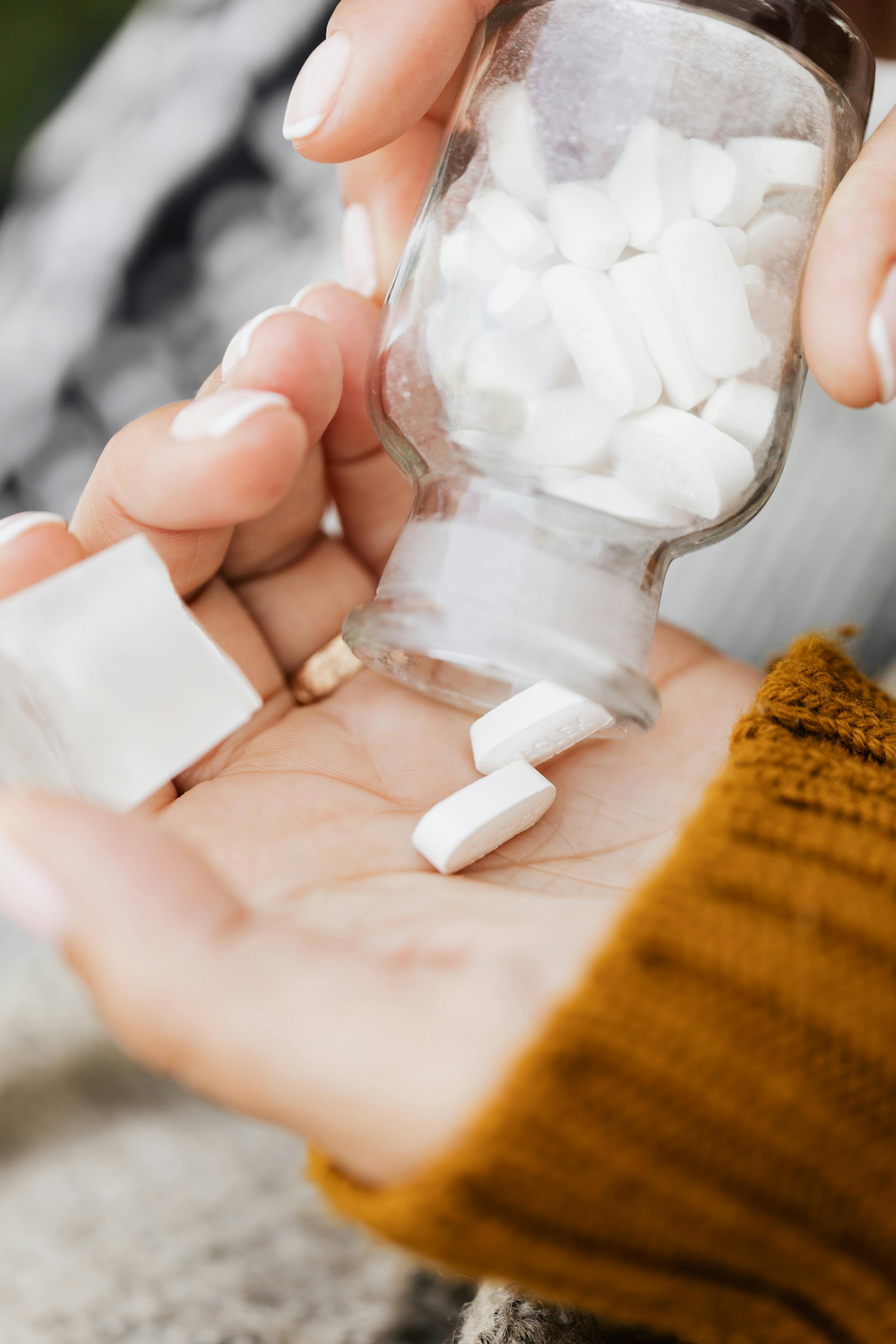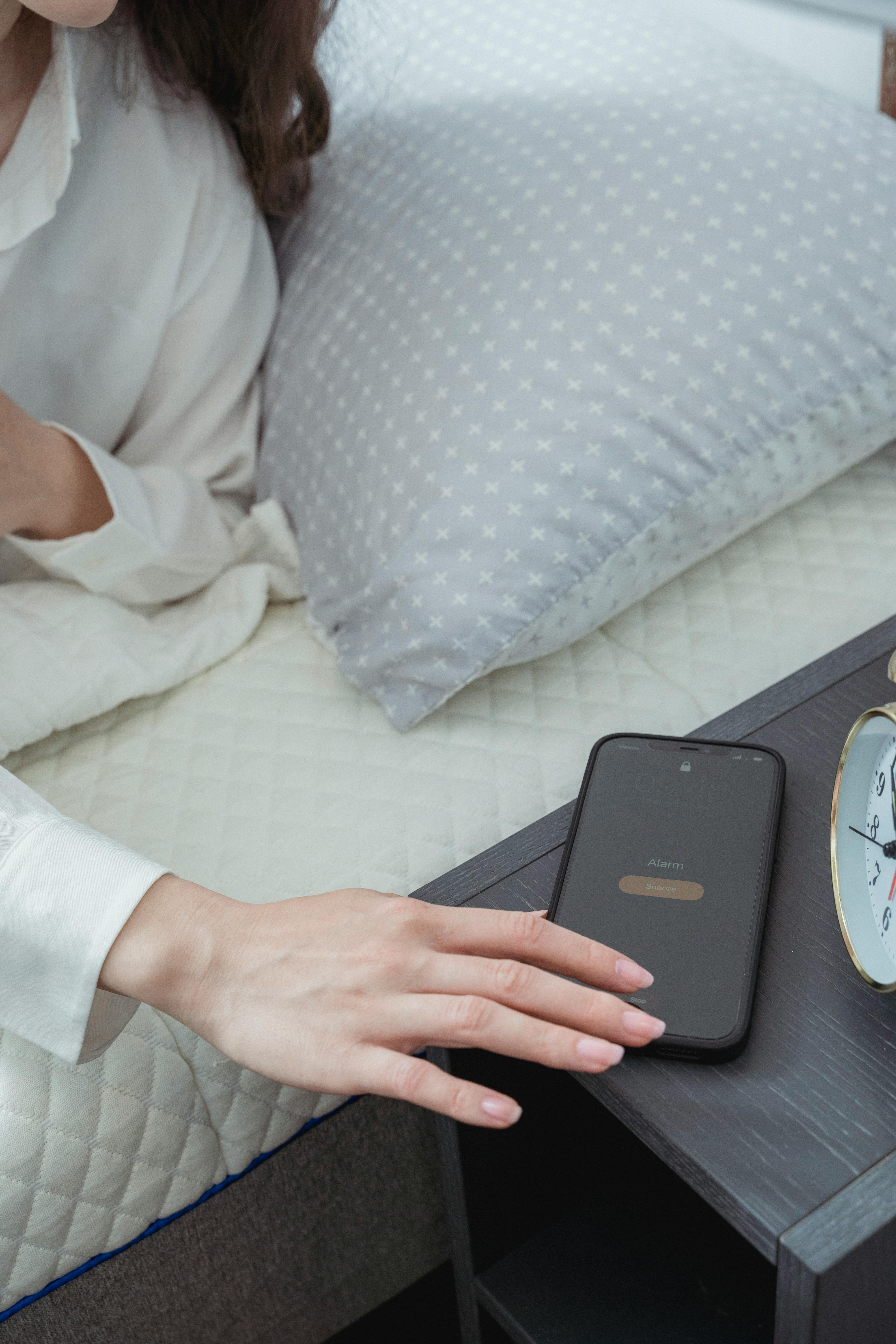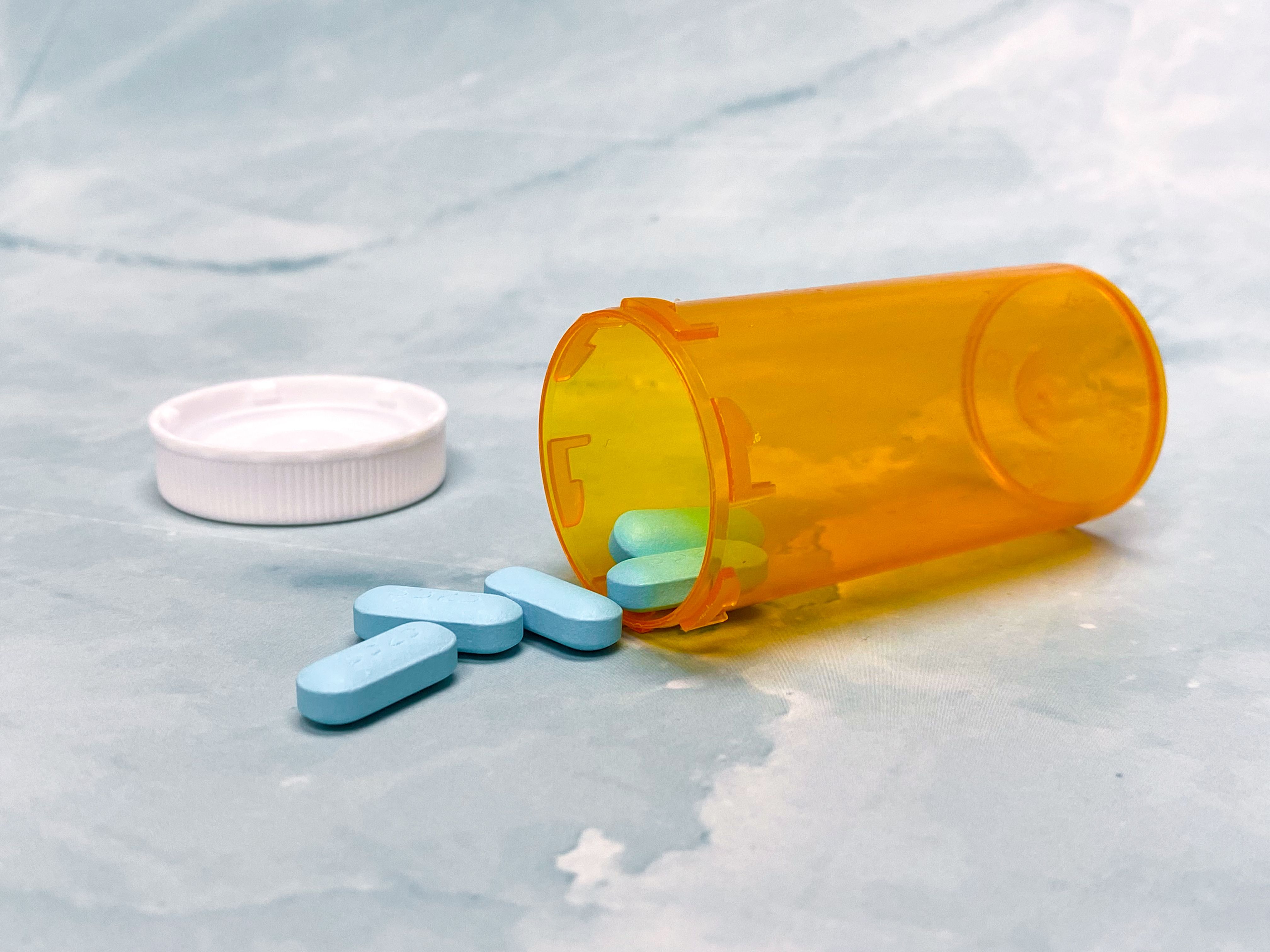

Zoloft is the brand name for sertraline, a widely used antidepressant. If you have just started it, you may be counting the days until you feel better. This guide explains a realistic timeline for Zoloft, what to notice first, and when to check in with your provider.
Key Takeaways
Give it a few weeks: Some early changes, like better sleep and energy, can appear within the first 1 to 2 weeks. The full mood benefit usually takes about 4 to 6 weeks, and sometimes longer.
Physical symptoms often improve first: Sleep, appetite, and energy may lift before your mood does. This is a normal part of how antidepressants work.
Stay in touch with your provider: If you see little or no change after 6 to 8 weeks at a steady dose, your provider may adjust the dose or try a different medicine. Never stop Zoloft on your own.
What Is Zoloft (Sertraline)?
Zoloft is the brand name for sertraline. It belongs to a group of medicines called selective serotonin reuptake inhibitors, or SSRIs. SSRIs work by increasing the amount of serotonin, a brain chemical that helps regulate mood, available for nerve cells to communicate.
Zoloft can be used to treat several conditions, including depression, obsessive-compulsive disorder (OCD), panic disorder, post-traumatic stress disorder, premenstrual dysphoric disorder, and social anxiety disorder. It is one of the most commonly prescribed antidepressants and comes in a wide dose range.
Zoloft Dosage
How fast Zoloft works depends on your dose. Your provider sets your dose, and the details below are general information, not a personal plan.
Common starting dose: 50 mg once daily for depression and OCD.
Lower start for anxiety conditions: Often 25 mg to ease the first days, then 50 mg.
Usual range: 50 to 200 mg per day.
It may be noteworthy to know that after each dose increase, it can take a few more weeks to feel the full effect. This is one reason the timeline can stretch out. If your dose goes up partway through treatment, the clock on the full benefit may reset a bit. Our guide on signs your antidepressant dose may be too low covers when a dose change might be worth discussing.
How Long Does Zoloft Take to Work?
Zoloft works gradually, and different symptoms improve at different times. Here is a general timeline to set expectations.
The First 1 to 2 Weeks
In the early days, you may notice small changes in sleep, appetite, and energy. Your mood may not shift much yet.
Some people also feel mild side effects at this stage, such as nausea or a bit more anxiety, which often ease as the body adjusts. Research shows that the therapeutic action of SSRIs is usually delayed until after the first couple of weeks.
Weeks 2 to 4
During this window, many people start to notice their mood lifting a little. You might feel less weighed down, more able to handle daily tasks, or a bit more like yourself. Improvements are often gradual, so they can be easy to miss day to day.
Weeks 4 to 6 and Beyond
This is when the fuller benefit tends to arrive.SSRIs may take up to 6 weeks before the effects are clear. For some conditions and for some people, it can take a bit longer. If you have reached a steady dose and still feel little change by 6 to 8 weeks, that is a good time to talk with your provider.
What Affects How Fast Zoloft Works?
Everyone responds a little differently. Several things can shape how quickly you feel a benefit from Zoloft.
Your dose: Providers often start low and raise the dose over time. It can take a few weeks at the right dose to see the full effect.
The condition being treated: Depression, anxiety, and OCD can respond on different timelines. OCD, for example, may take longer.
Taking it consistently: Zoloft works best when taken every day. Missing doses can slow progress.
Your own body: Age, other medicines, and how your body processes the drug can all play a role.
What to Expect in the First Few Weeks
Starting an antidepressant is an adjustment. Knowing what is normal can help you stick with treatment long enough to feel the benefit.
Early side effects are common. Nausea, headache, or changes in sleep often show up first and usually fade within a couple of weeks. Taking Zoloft with food can ease stomach upset.
Anxiety may briefly rise. Some people feel a little more anxious in the first days before it improves. Tell your provider if this is strong or lasting.
Mood lifts gradually. The change is often slow and steady, not sudden. Friends or family may notice before you do.
What If Zoloft Isn't Working Yet?
Patience is key, but so is speaking up. If several weeks pass with no clear improvement, that does not mean nothing will help. It often means the plan needs a small change.
Your provider may raise the dose, wait a bit longer, or switch to another medicine. Finding the right antidepressant is often a process of trying, monitoring, and adjusting. One thing to avoid is stopping suddenly, since that can cause discontinuation symptoms.
How Long Zoloft Takes to Work for Different Conditions
Because Zoloft treats several conditions, the timeline can vary depending on why you are taking it.
Depression: Early changes in sleep and energy in 1 to 2 weeks, fuller mood benefit around 4 to 6 weeks.
Anxiety and panic: Often a similar timeline, though some people start lower to reduce an early jittery feeling.
OCD: May take longer to respond and may need a higher dose.
How to Track Whether Zoloft Is Working
Because progress is gradual, it can be hard to notice day to day. Keeping simple notes can help you and your provider see the bigger picture.
Watch physical symptoms first. Better sleep, more energy, and steadier appetite often improve before mood does.
Notice small wins. Getting through tasks, feeling a bit lighter, or being more interested in things you enjoy are early signs.
Ask people you trust. Friends or family often notice a change before you do.
Keep a short journal. Rating your mood, sleep, and energy each week gives your provider useful information.
Your provider may also use brief questionnaires at visits to measure symptoms over time. These tools help show whether the medicine is helping, even when progress feels slow.
Tips to Get the Most From Zoloft
A few habits can help Zoloft work as well as possible while you wait for the full benefit.
Take it at the same time each day: Consistency keeps steady levels in your body.
Take it with food if it upsets your stomach: This can ease early nausea.
Do not skip doses: Missing doses can slow your progress and cause withdrawal-like symptoms.
Pair it with support. Therapy, sleep, movement, and connection can enhance the benefits of medicine.
Antidepressants often work best when combined with talk therapy and healthy routines.
Managing Your Zoloft Medication
Once Zoloft is helping, many people wonder how long they will need to keep taking it. This varies, and it is a decision to make with your provider.
For a first episode of depression, treatment often continues for several months after you feel better, to lower the chance of symptoms returning. People with repeated episodes may stay on it longer. Stopping too soon is a common reason symptoms come back. When it is time to stop, Zoloft should be tapered slowly under your provider's guidance rather than stopped all at once.
If you're taking Zoloft or considering it as part of your treatment, Blossom Health can help. Our experienced, in-network psychiatric providers offer convenient virtual care, including personalized medication management, dose adjustments, and ongoing follow-up to monitor your symptoms and side effects. Together, we'll help you find the dose and treatment plan that works best for your needs.
Medical Disclaimer
This article is for informational purposes only and is not a substitute for professional medical advice, diagnosis, or treatment. Always seek the advice of your physician or other qualified healthcare provider with any questions you may have regarding a medical condition or medication. If you are experiencing a mental health crisis, contact the 988 Suicide and Crisis Lifeline by calling or texting 988.
Sources
Singh HK, Saadabadi A. 2023. Sertraline. StatPearls. ncbi.nlm.nih.gov
Chu A, Wadhwa R. 2023. Selective Serotonin Reuptake Inhibitors. StatPearls. ncbi.nlm.nih.gov
U.S. Food and Drug Administration. Zoloft (sertraline hydrochloride) Prescribing Information. accessdata.fda.gov
Zhu H, et al. 2013. Pharmacometabolomics of Response to Sertraline and to Placebo in Major Depressive Disorder - Possible Role for Mehtoxyindole Pathway. PLoS One. ncbi.nlm.nih.gov
Sheffler ZM, et al. 2023. Antidepressants. StatPearls. ncbi.nlm.nih.gov
National Institute of Mental Health. Mental Health Medications. nimh.nih.gov
Cleveland Clinic. Antidepressants. my.clevelandclinic.org
Harmer CJ, et al. How do antidepressants work? New Perspectives for Refining Future Treatment Approaches. Lancet Psychiatry. pmc.ncbi.nlm.nih.gov
Drugs.com. How long does Zoloft (sertraline) take to work? drugs.com