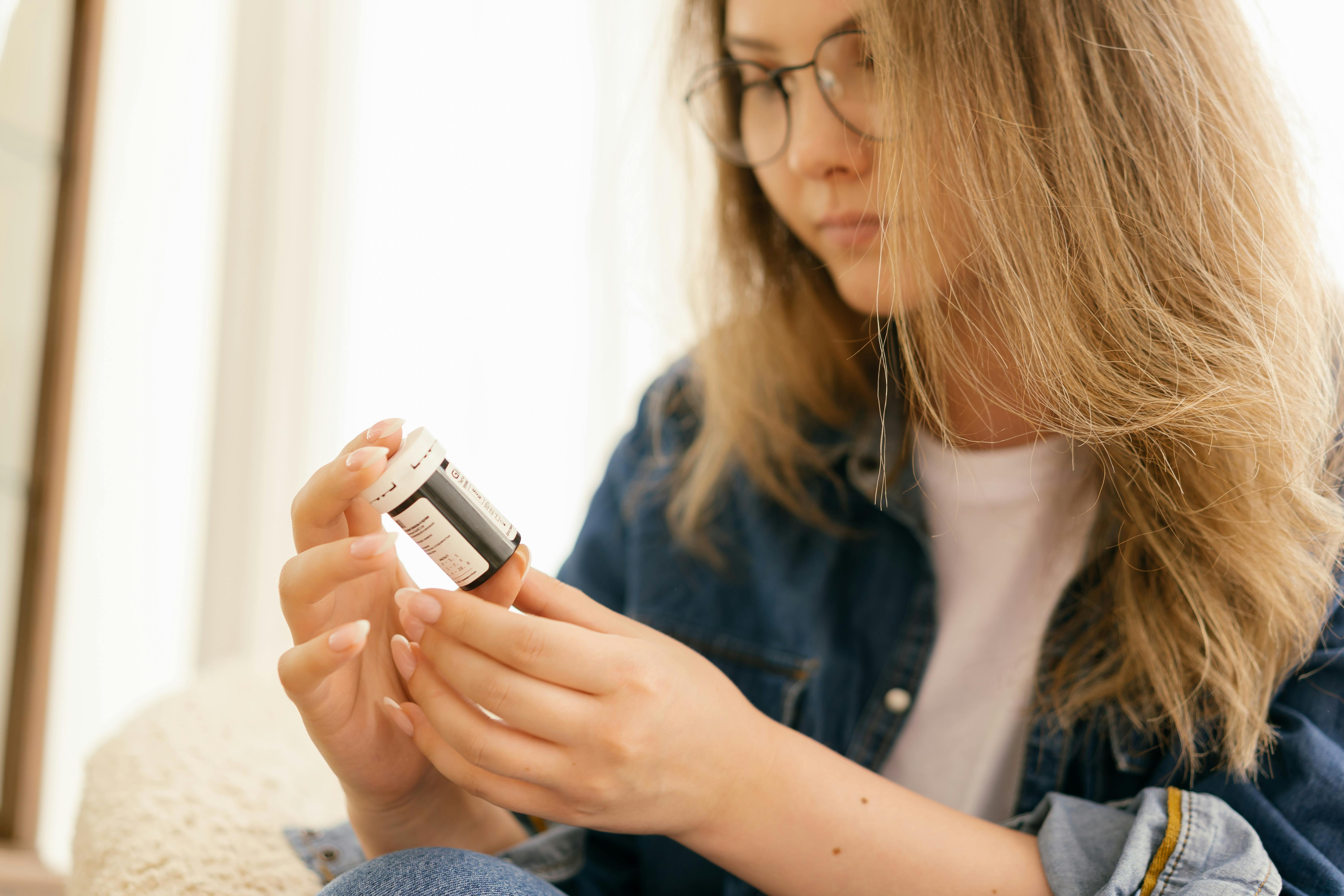
Propranolol is a beta blocker that can help ease the physical symptoms of stress, things like a pounding heart, shaky hands, and a trembling voice.
How long it lasts depends largely on which version is being used. Immediate-release propranolol works for a few hours, while extended-release capsules are built to cover a full day. Understanding the difference can help explain why a healthcare provider may recommend one formulation over another and why dosing schedules can vary.
Key Takeaways
Immediate-release propranolol lasts a few hours. Its half-life is 3 to 6 hours, which means it is reduced by about half in the bloodstream within 3 to 6 hours. Its effects may begin to fade during this time, although the timing can vary from person to person.
Extended-release capsules are designed for once-daily dosing. They release medication slowly, peak effect around 6 hours after a dose, and can hold fairly steady blood levels for about 12 hours before tapering off.
Your body affects the timeline. Age, liver function, smoking, and other medications can all affect how long a dose stays active. Two people on the same prescription may have different experiences.
What Is Propranolol and How Does It Work?
Propranolol is a nonselective beta blocker, which means it blocks the effect of adrenaline at beta receptors throughout the body. When adrenaline surges, the heart beats faster and harder, the hands may shake, and blood pressure climbs. Propranolol can help soften that response.
It has been in use since the 1960s and is FDA-approved for high blood pressure, angina, certain irregular heart rhythms, and migraine prevention. Prescribers may also prescribe it off-label for the physical symptoms of anxiety, particularly the situational anxiety that typically shows up before a presentation, a performance, or a difficult conversation.
Propranolol is almost fully absorbed from the gut, but the liver breaks down much of it before it reaches the bloodstream. According to the FDA prescribing information, only about 25 percent of an oral dose enters your bloodstream. As a result, liver function can affect how long the medication stays in the body.
How Long Does Propranolol Last?
There is no single answer, because propranolol comes in two very different oral formulations: short-acting tablets and long-acting capsules. Both behave so differently that healthcare providers put them on completely separate schedules. Here is how each one plays out over a day.
Immediate-Release Propranolol (Tablets and Oral Solution)
Immediate-release propranolol has an elimination half-life of about 3 to 6 hours. A half-life is the time it takes your body to clear half of what is circulating. After roughly 3 to 6 hours, blood levels have dropped by half, and the effect starts to soften noticeably.
In practice, most people feel the strongest effect within the first few hours and notice it easing after that.
Because the window is short, healthcare providers commonly give immediate-release tablets multiple times a day for ongoing conditions like high blood pressure or migraine prevention. For situational use, healthcare providers may recommend taking an immediate-release dose before an anticipated event.
It is worth noting that the felt effect and the blood level do not always track perfectly. Some people feel the effects longer, while others notice them fade sooner. This variation is normal.
Extended-Release Propranolol (Long-Acting Capsules)
Extended-release capsules, sold under brand names like Inderal LA (propranolol hydrochloride), are designed to release propranolol gradually.
They have a half-life of about 10 hours. It takes about 6 hours for the medication to reach the highest levels in the blood. From there, levels can stay fairly constant for roughly 12 hours before declining. That profile allows extended-release formulations to be used on a once-daily schedule in appropriate circumstances. Because they reach peak blood levels more slowly, they may not be ideal for a short, predictable stressful event.
One more distinction matters. Extended-release capsules release propranolol more slowly than regular tablets. Even if both forms contain the same amount of medicine, they can affect the body differently. For this reason, a healthcare provider may need to adjust the dose when switching between the two forms.
How Long Does It Take Propranolol to Start Working?
Duration is only one factor to consider. Onset matters just as much, especially if an individual is taking propranolol for a specific event.
With immediate-release propranolol, peak blood levels are typically reached within about 1 to 4 hours after swallowing a dose, according to the FDA label. Many people report feeling the physical effects, a slower pulse and steadier hands, well before that peak. For this reason, the healthcare provider may suggest taking a situational dose some time in advance rather than minutes before.
Extended-release capsules usually take considerably longer. With a peak around 6 hours, they are usually taken on a consistent daily schedule rather than as needed.
Food can nudge things slightly. Taking propranolol with food may slightly increase the amount of medication that reaches the bloodstream by reducing its breakdown in the liver. Protein-rich meals raise it by about 50%, according to FDA prescribing information.
How Long Does Propranolol Stay in the System?
Lasting and staying are two different things. A medication can remain detectable in the body well after its noticeable effect has faded.
Propranolol does not leave the body all at once. Most immediate-release propranolol is usually cleared from the body within about 15 to 30 hours. Extended-release capsules may take longer, with most of the medicine cleared in about two days.
Less than 1 percent of a dose leaves the body unchanged in urine. Nearly all of it is broken down by the liver first, which is why liver health has such a strong influence on the timeline.
When propranolol is taken regularly, the amount of medicine in the body gradually becomes more stable over the first few days. This means the first dose may feel different from the same dose after several weeks of regular use. What Affects How Long Propranolol Lasts?
Duration varies from person to person. Several factors can meaningfully shift how long a dose stays active in your system.
Age. As people get older, their body clears propranolol more slowly. FDA records show that in older adults, it took the body about 11 hours to clear half the medication — compared to only 5 hours in younger adults. This means that the medication lasts longer in the person's body, and side effects like dizziness may be more noticeable.
Liver function. The liver does almost all the work of breaking down propranolol. If the liver isn't working well, like in people with cirrhosis, the medication builds up in the blood. In fact, studies found medication levels more than double in people with cirrhosis.
Smoking. Cigarette smoking increases the activity of liver enzymes that break down medicines. According to FDA prescribing information, increased liver enzyme activity has been shown to increase propranolol clearance by up to 77 percent. That means the medication may not last as long or work as effectively in smokers.
Other medications. The liver uses several different enzymes to break down propranolol. Certain medications like antidepressants, antiarrhythmics, and cimetidine can block these enzymes and lead to propranolol buildup. This can prolong the effect of propranolol in the body.
Kidney function. Severe kidney problems may increase the propranolol levels in the bloodstream by slowing its removal from the body. This may make the effects feel stronger, even if they do not last longer.
Formulation and dose. The form of propranolol being taken has a major effect on how the medicine works over time. A long-acting capsule and an immediate-release tablet can produce very different effects even if they contain the same medication.
How Long Does Propranolol Last for Anxiety?
Propranolol is not FDA-approved for anxiety in the United States, but healthcare providers use it off-label for the physical symptoms that come with it. How long it helps depends on what you are using it for.
Situational and Performance Anxiety
Some clinicians prescribe immediate-release propranolol off-label for physical symptoms associated with specific performance situations. Given the 3- to 6-hour half-life, coverage generally spans a few hours. That is long enough for a presentation, an interview, a recital, or a flight, but not long enough to carry an entire day. If your event runs long or gets delayed, the strongest effect may fade before it ends.
Our guide on when to take propranolol for anxiety covers timing in more depth.
Ongoing Daily Anxiety Symptoms
Some people take propranolol on a regular schedule for persistent physical symptoms. In that case, the question shifts from how long one dose lasts to whether the dosing schedule keeps levels steady enough across the day.
A 2022 narrative review of propranolol's use in anxiety and stress-related conditions found there is limited evidence to support this.
Propranolol can be helpful for some physical symptoms of anxiety. However, it is not considered a first-line treatment for anxiety disorders. It also does not address the cognitive side of anxiety. If worry and rumination are the main problem, other approaches, including therapy and non-addictive anxiety medication options, may be a better fit.
How Long Does Propranolol Last for Migraine Prevention?
Migraine prevention works differently from treating short-term symptoms. The goal is not to control symptoms for just a few hours. Instead, the goal is to reduce how often headaches happen over several weeks.
Propranolol is FDA-approved for migraine prevention and is considered one of the better-studied medication options. A systematic review and meta-analysis of 108 randomized trials found that compared with placebo, propranolol reduced episodic migraine headaches by about 1.5 per month at 8 weeks. It also made a 50 percent reduction in headaches more likely.
Because the benefit builds over time, prescribers generally suggest giving preventive treatment a fair trial of several weeks before deciding whether it is working. A dose lasting only a few hours in your bloodstream can still contribute to a preventive effect measured over months.
How Long Do Propranolol Side Effects Last?
Side effects tend to follow the same curve as the medication itself, easing as blood levels fall. Common ones include the following.
Tiredness and lethargy. Often most noticeable in the first hours after a dose, and frequently dose-related with immediate-release forms.
Lightheadedness. Usually tied to the drop in heart rate and blood pressure, and often strongest around peak levels.
Cold hands and feet. Can persist as long as the medication is active.
Vivid dreams or disrupted sleep. More often reported with regular use than after a single dose.
Nausea or stomach upset. Typically settles as levels decline.
If side effects last longer than expected or get worse over several days, it is better to seek medical advice. S
When to Seek Medical Attention
Most people tolerate propranolol well, but certain symptoms deserve prompt attention rather than waiting to see whether they wear off.
Wheezing, chest tightness, or trouble breathing, particularly if someone has asthma or another lung condition
A very slow heart rate, fainting, or repeated near-fainting
Swelling in the legs, unusual shortness of breath, or sudden weight gain
Signs of low blood sugar that feel muted or unfamiliar, since propranolol can hide the usual warning signs
Any rash involving blistering or peeling skin
propranolol shouldn’t be stopped abruptly without a healthcare provider’s guidance. The FDA labeling carries a warning that sudden discontinuation has been linked to worsening angina and, in some cases, heart attack. When it is time to stop, prescribers typically taper the dose gradually over a period of weeks.
How Blossom Health Can Help
Figuring out whether propranolol fits your situation - and if so, which form and schedule - is worth talking through with a prescriber who knows your full history. Blossom Health connects you with board-certified psychiatric providers for virtual visits covered by in-network insurance, usually within days rather than months.
Your first appointment is usually an hour-long video visit where your provider reviews your symptoms, medical history, and current medications, then works with you on a plan. If propranolol is not the right medication for your symptoms, your provider can help you find what is. Get started with Blossom Health to check your coverage and book a time that works for you.
Medical Disclaimer
This article is for educational purposes only and does not constitute medical advice. The information provided should not replace consultation with a qualified healthcare provider. Individual responses to medications can vary significantly, and what applies to one person may not be safe for another.
Always consult with your doctor or pharmacist before making any decisions about medication changes, discontinuation, or interactions with other substances. If you’re experiencing symptoms or side effects, please seek professional help from a healthcare provider.
In case of a medical emergency, contact your local emergency services immediately or call 911. For mental health emergencies, contact the National Suicide Prevention Lifeline at 988.
Sources
Akrimax Pharmaceuticals. (2011). Inderal (propranolol hydrochloride) tablets [Prescribing information]. U.S. Food and Drug Administration. https://www.accessdata.fda.gov/drugsatfda_docs/label/2011/016418s080,016762s017,017683s008lbl.pdf
ANI Pharmaceuticals. (2023). Inderal LA (propranolol hydrochloride) long-acting capsules [Prescribing information]. U.S. Food and Drug Administration. https://www.accessdata.fda.gov/drugsatfda_docs/label/2023/018553Orig1s048s052lbl.pdf
U.S. Food and Drug Administration. (2011). Inderal (propranolol hydrochloride) tablets: Prescribing information. https://www.accessdata.fda.gov/drugsatfda_docs/label/2011/016418s080,016762s017,017683s008lbl.pdf
U.S. Food and Drug Administration. (2010). InnoPran XL (propranolol hydrochloride) extended-release capsules: Prescribing information. https://www.accessdata.fda.gov/drugsatfda_docs/label/2010/021438s013s014lbl.pdf
Szeleszczuk, Ł., & Frączkowski, D. (2022). Propranolol versus other selected drugs in the treatment of various types of anxiety or stress, with particular reference to stage fright and post-traumatic stress disorder. International Journal of Molecular Sciences, 23(17), Article 10099. https://doi.org/10.3390/ijms231710099
Archer, C., Wiles, N., Kessler, D., Turner, K., & Caldwell, D. M. (2025). Beta-blockers for the treatment of anxiety disorders: A systematic review and meta-analysis. Journal of Affective Disorders, 368, 90–99. https://doi.org/10.1016/j.jad.2024.09.068
Phelan, R., Cottrell, A., Gee, S., & Rifkin, L. (2024). Propranolol in anxiety: Poor evidence for efficacy and toxicity in overdose. British Journal of General Practice, 74(748), 516–519. https://doi.org/10.3399/bjgp24X739881 v
Mayo Clinic. (2026). Propranolol (oral route). mayoclinic.org
Cleveland Clinic. Propranolol tablets: Uses and side effects. https://my.clevelandclinic.org/health/drugs/20231-propranolol-tablets
Cleveland Clinic. Propranolol extended-release capsules: Uses and side effects. https://my.clevelandclinic.org/health/drugs/20944-propranolol-extended-release-capsules