Over-the-Counter Anxiety Medication: What Actually Works and What to Know
Author:
Blossom Editorial


If you’ve searched the pharmacy aisle for something to calm your anxiety, you are not alone. Before choosing an over-the-counter (OTC) product, it’s important to understand what these options can and can’t do.
In the U.S., there are no FDA-approved OTC medications to treat an anxiety disorder. While some OTC products may help with occasional stress or nervousness, they are not proven treatments for anxiety disorders.
Key Takeaways
No FDA-approved OTC anxiety medication. There are no over-the-counter (OTC) medications FDA-approved to treat anxiety disorders. Anxiety disorders affect nearly 1 in 3 U.S. adults at some point in their lives.
Some products may help with occasional stress. Certain supplements and OTC sleep aids are marketed for relaxation, but the evidence is limited and quality varies.
Evidence-based treatments work best. Therapy and prescription medications have the strongest evidence for treating anxiety disorders. If anxiety is affecting your daily life, a healthcare provider can help you explore the most effective options.
What Do People Mean by Over-the-Counter Anxiety Medication?
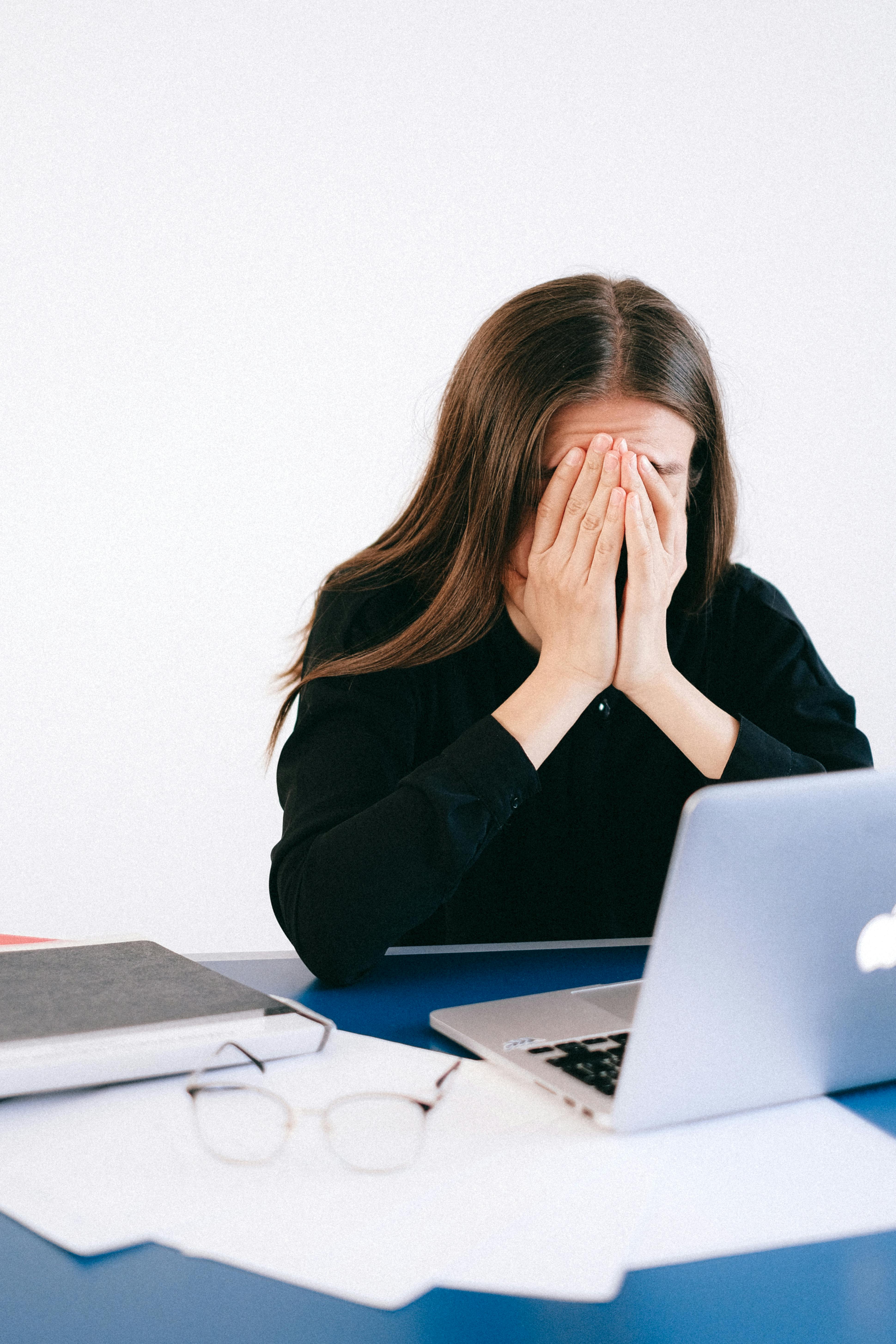
Anxiety is one of the most common mental health concerns. Anxiety disorders involve more than everyday worry and stress, and that they often respond well to treatment.
When people look for an over-the-counter anxiety medication, they usually mean one of a few things:
A dietary supplement or herbal product marketed for stress
An over-the-counter sleep aid used off-label to promote relaxation
Or another wellness advertised to support calm
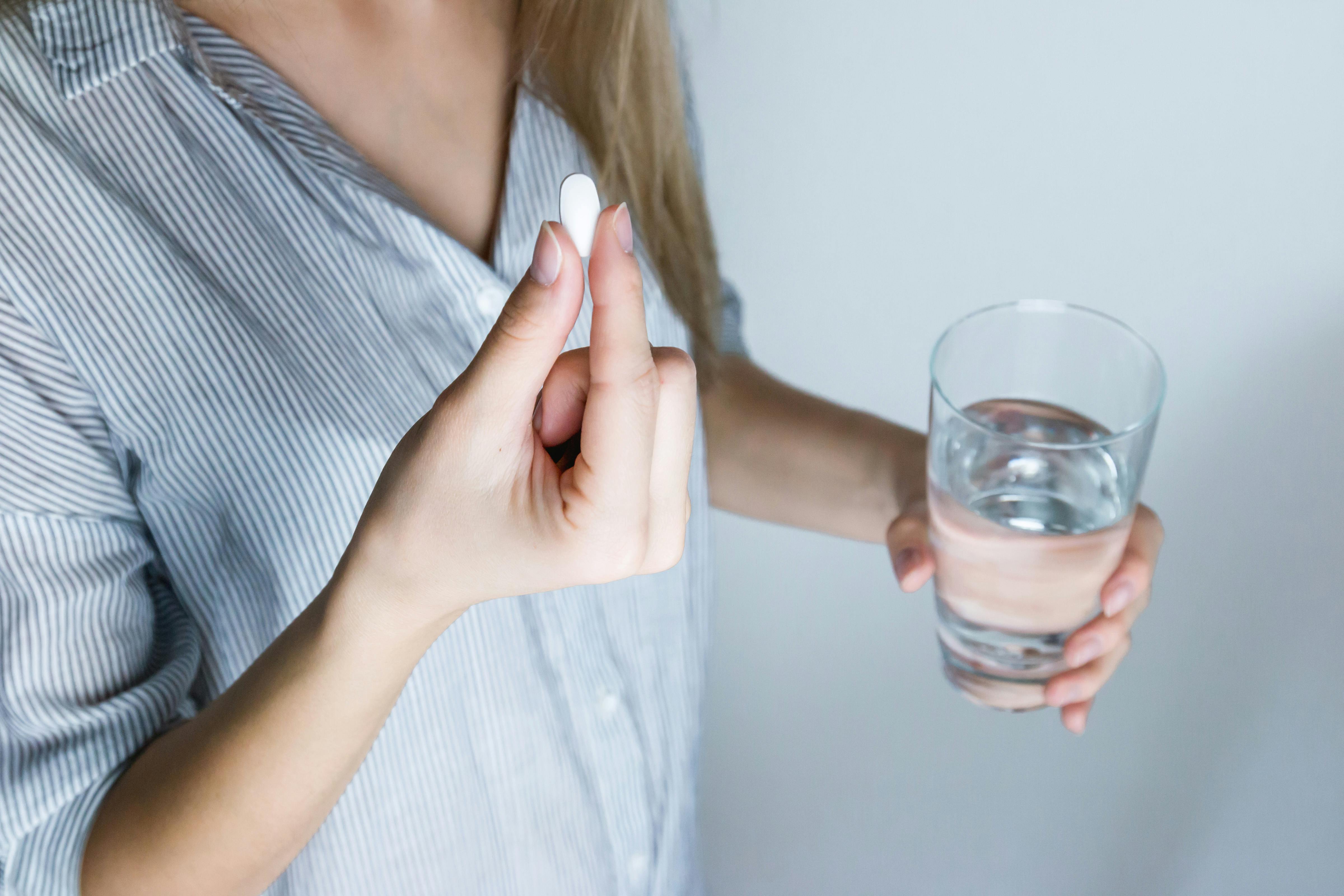
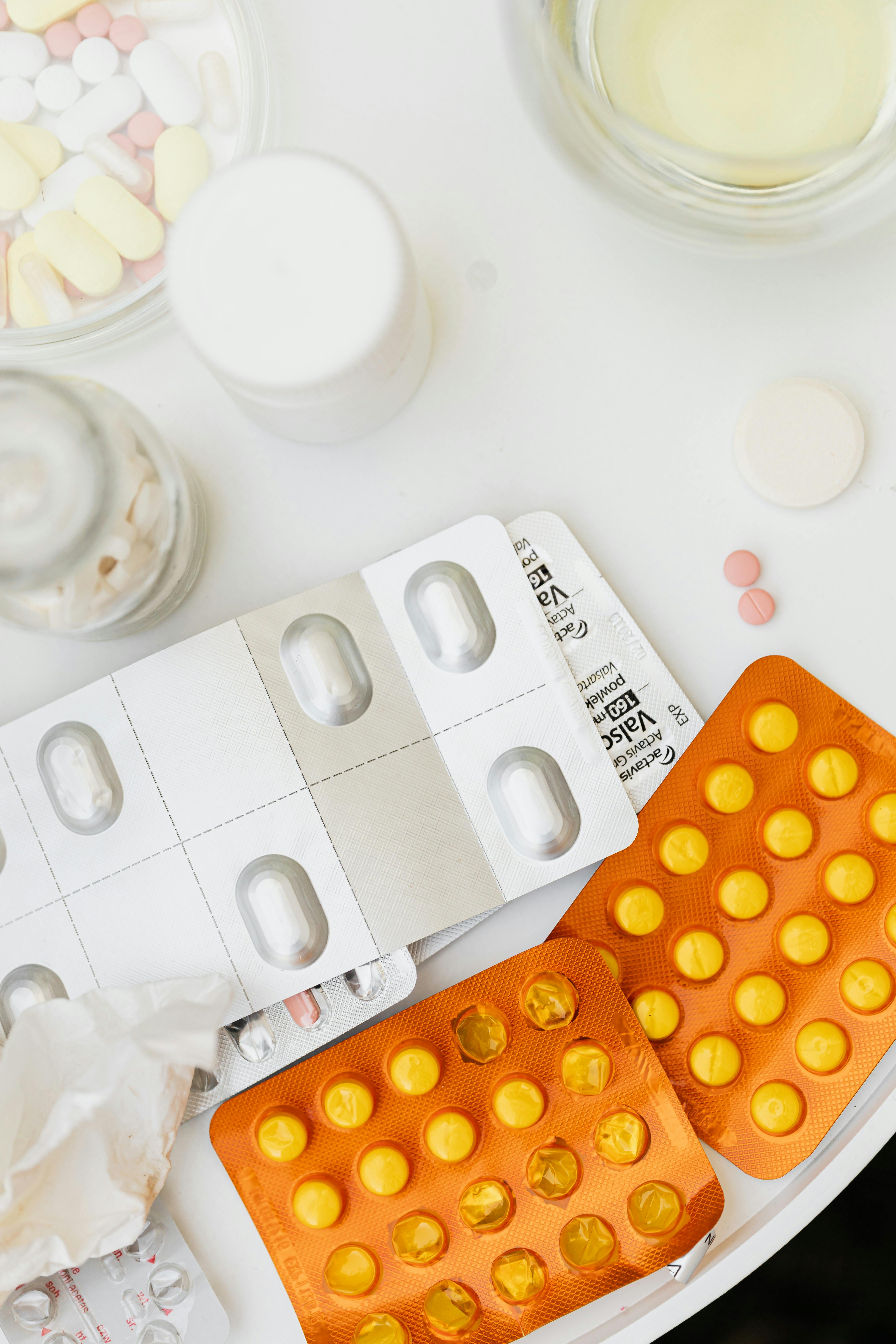
It’s important to understand the difference between OTC products and anxiety medications. Prescription medications including certain antidepressants and anti-anxiety medications, require a provider to evaluate your individual needs and monitor your progress. They require a prescription from a licensed healthcare professional. OTC products are regulated differently and generally have much less evidence supporting their use for anxiety disorders.
Are There Any True OTC Anxiety Medications?
No.The FDA has not approved any over-the-counter drug to treat anxiety disorders.
One prescription antihistamine, hydroxyzine, is FDA-approved to relieve anxiety and tension, but it is available only by prescription. Some people use the OTC antihistamine diphenhydramine (Benadryl) because it can cause drowsiness. But it is approved for allergies and as a sleep aid and not for treating anxiety.
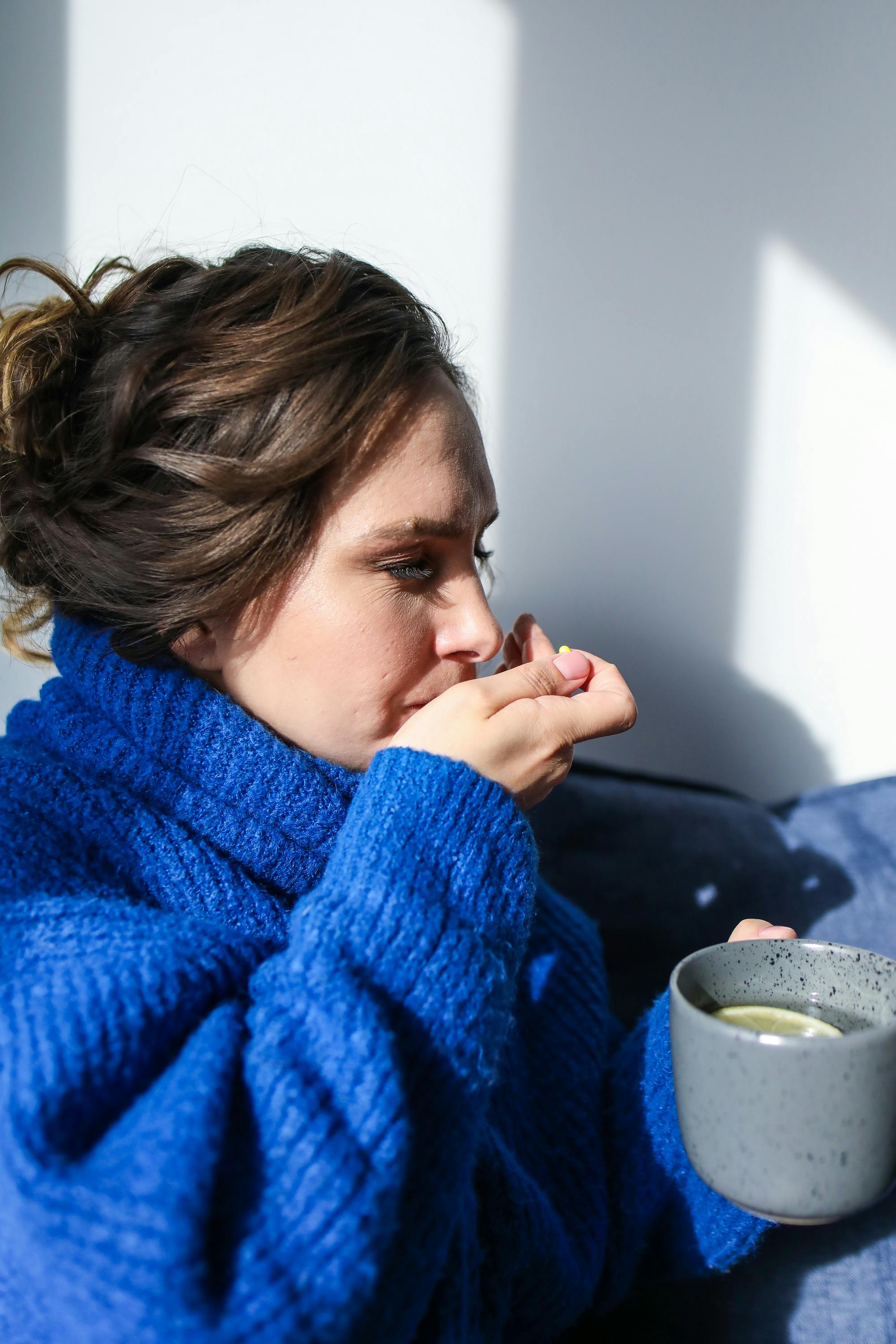
Some people may still use a sedating antihistamine to feel calmer. This is considered an off-label use and comes with important limitations and potential side effects.
Why Is There No Over-the-Counter Anxiety Pill?
It can seem strange that something as common as anxiety has no over-the-counter medicine, but there are good reasons. The prescription medications used to treat anxiety disorders, such as certain antidepressants and anti-anxiety drugs, work on brain chemistry in ways that need medical oversight.
These medications often require an accurate diagnosis, careful and individualized dosing, and ongoing monitoring for side effects and interactions. Some can also cause dependence or withdrawal if used incorrectly. Because of these risks, they are available only by prescription.
According to the National Institute of Mental Health, anxiety is usually treated with therapy, medication, or both, chosen to fit the individual. Selling a one-size-fits-all anxiety pill on store shelves would skip the very steps that make treatment safe and effective.
Over-the-Counter Antihistamines: Cautions
An overview of antihistamines suggests that first-generation options like diphenhydramine can cause drowsiness, which is why people sometimes use them to feel calmer or to sleep. But they are not intended to treat anxiety and may cause unwanted side effects, especially with regular use.
Tolerance: The calming and sedating effects often become less effective with regular use.
Anticholinergic side effects: These medicines can cause dry mouth, constipation, blurry vision, and confusion, and they can be risky for older adults.
Paradoxical reactions: In some people, they can cause restlessness or agitation rather than calm.
Next-day grogginess: Sedating antihistamines can leave you feeling foggy or less alert the following day.
Because of these limitations and potential risks, OTC antihistamines are generally not recommended as a long-term treatment for anxiety.
Supplements and Herbs: What Does the Evidence Say
Many supplements marketed for stress and anxiety are sold over the counter, but dietary supplements are not regulated as strictly by the FDA. This means that their quality, purity, and strength can vary between products.
According to the National Center for Complementary and Integrative Health, there is not enough strong evidence to support the use of supplements for anxiety. But still, some may show promise, including:
Ashwagandha: An herb often promoted for stress relief. The NCCIH summary of ashwagandha suggests that it may help reduce stress and improve sleep, but evidence for treating anxiety remains limited. A health-professional fact sheet on ashwagandha highlights that many studies are small and use different preparations, which makes results hard to compare.
Chamomile: Some small studies suggest possible benefits for mild anxiety symptoms. It can cause allergic reactions in people sensitive to plants in the daisy family, like ragweed.
L-theanine: An amino acid found in tea that some small studies link to lower stress, though the research is limited.
Valerian: Often used for sleep, with insufficient evidence to confirm it helps anxiety.
Kava: May have short-term calming effects, but the NCCIH science review warns it has been linked to serious liver damage and is generally not recommended.
Magnesium and lavender: Both have been studied for anxiety, but the evidence is early and mixed. You can check our guide on whether magnesium may help with anxiety.
Dietary supplements can also interact with prescription medications and may not be appropriate for everyone. If you’re considering taking a supplement for anxiety, talk with your healthcare provider or pharmacist first, especially if you take other medications.
What About Melatonin and Situational Anxiety?
Melatonin is best known as a sleep aid, but it is sometimes discussed as a potential option for anxiety. The NCCIH review of complementary approaches suggests that melatonin may help reduce anxiety before certain medical procedures, but that does not mean it is an effective treatment for anxiety.
This distinction is important. While some OTC products may help with short-term or situational nervousness, there is little evidence that they effectively treat persistent anxiety.
If your anxiety is occasional and mild, a calming routine or a well-chosen supplement may help. If it is frequent or disruptive, that may be a sign to look beyond the OTC options and seek professional help.
Lifestyle Strategies That May Help
Some of the most effective ways to manage everyday anxiety don’t come in a bottle. Lifestyle changes and coping strategies can help reduce anxiety symptoms and complement professional treatment as needed.
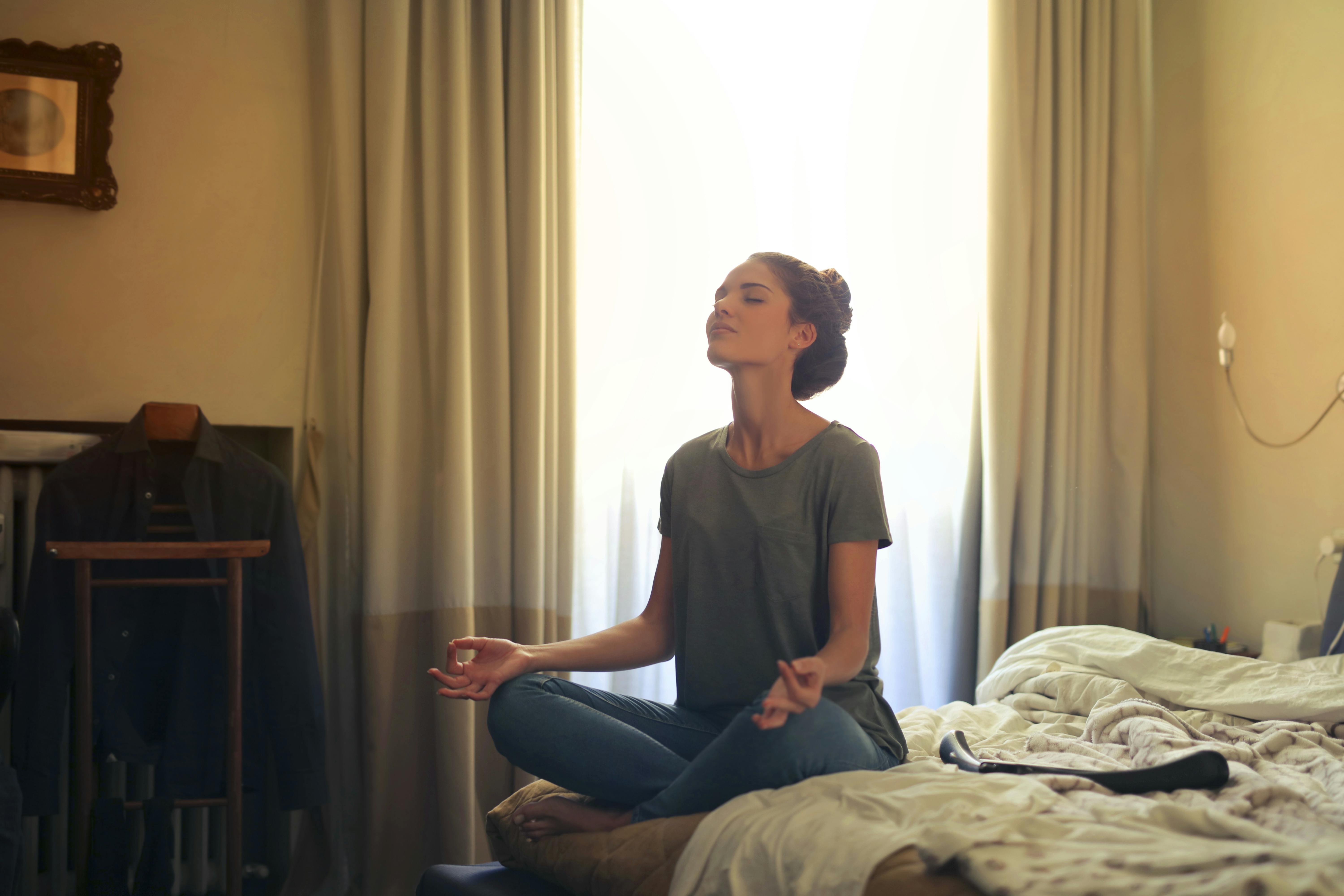
Practice slow breathing and relaxation exercises: These techniques can help calm the body's stress response in the moment.
Stay physically active and prioritize sleep: Both can support emotional well-being and may help reduce anxiety over time.
Limiting caffeine and alcohol: Both can worsen anxious feelings for many people. For many people, cutting back on coffee, energy drinks, and even some teas noticeably reduces jitters and racing thoughts.
Try mindfulness or grounding techniques: These practices can help bring your attention back to the present.
Stay connected: Talking with people you trust can take the edge off worry and remind you that you are not alone.
These foundations are safe to build on your own, and they usually pair well with any treatment your healthcare provider might recommend. Think of them as the base layer of managing anxiety, with everything else added on top as needed.
The NCCIH suggests that mindfulness, meditation, and relaxation techniques may help reduce anxiety symptoms. You may also find our guides on affirmations for anxiety or tapping for anxiety helpful as part of a broader care plan.
How to Talk to a Provider About Anxiety
If you’ve been relying on OTC options to manage anxiety, it’s helpful to share that information with your healthcare provider. Knowing what to talk about, what to ask, and what to expect can help you prepare for your appointment.
Here are some of the things you can talk about:
Describe your symptoms: Explain what you feel, how often, and how it affects your daily life.
List what you’ve tried: Include any supplements, sleep aids, or lifestyle changes, along with anything that helped.
Share your full medication list: Include other prescription medications, supplements, vitamins, and OTC products to help identify potential interactions.
Ask about your treatment options: Therapy, prescription medication, combinations, and lifestyle strategies all have benefits and limitations. Your provider can help you decide which approach may be most appropriate.
A good provider will meet you where you are, without judgment, and help you build a plan that fits your goals and your life. You do not need to have everything figured out before you reach out.
How Common Is Anxiety, and When Should You Get Help?
Anxiety disorders are among the most common mental health conditions, and effective treatments are available. While OTC products may help some people manage occasional stress, they are not a substitute for evidence-based treatments.
Consider reaching out to a provider if anxiety lasts for weeks, shows up in many situations, or interferes with your work, sleep, or relationships. Therapy and prescription medications remain the most effective treatments for anxiety disorders. If you’re exploring your options, it can help to read about non-addictive anxiety medication and who can prescribe medications for anxiety and depression. If you ever have thoughts of harming yourself, call or text 988 right away.
You do not have to sort through the options alone. Talk with a Blossom Health provider covered by insurance to find an approach that actually fits your needs.
Medical Disclaimer
This article is for educational purposes only and does not constitute medical advice. The information provided should not replace consultation with a qualified healthcare provider. Individual responses to medications can vary significantly, and what applies to one person may not be the same for another.
Always consult with your doctor or pharmacist before making any decisions about medication changes, discontinuation, or interactions with other substances. If you’re experiencing concerning symptoms or side effects, please seek professional help from a healthcare provider.
In case of a medical emergency, contact your local emergency services immediately or call 911. For mental health emergencies, contact the National Suicide Prevention Lifeline at 988.
Sources
National Institute of Mental Health. (December, 2024). Anxiety Disorders. https://www.nimh.nih.gov/health/topics/anxiety-disorders
Sicari V, Patel P, Zabbo CP. Diphenhydramine. [Updated 2025 Mar 27]. In: StatPearls [Internet]. Treasure Island (FL): StatPearls Publishing; 2026 Jan-. Available from: https://www.ncbi.nlm.nih.gov/books/NBK526010/
Farzam K, Sabir S, O'Rourke MC. Antihistamines. [Updated 2025 Dec 13]. In: StatPearls [Internet]. Treasure Island (FL): StatPearls Publishing; 2026 Jan-. Available from: https://www.ncbi.nlm.nih.gov/books/NBK538188/
National Center for Complementary and Integrative Health. (August, 2020). Anxiety and Complementary Health Approaches. https://www.nccih.nih.gov/health/providers/digest/anxiety-and-complementary-health-approaches
National Center for Complementary and Integrative Health. (August, 2020). Anxiety and Complementary Health Approaches: What the Science Says. https://www.nccih.nih.gov/health/providers/digest/anxiety-and-complementary-health-approaches-science
National Center for Complementary and Integrative Health. (March, 2023). Ashwagandha. https://www.nccih.nih.gov/health/ashwagandha
NIH Office of Dietary Supplements. (May 02, 2025). Ashwagandha: Is it helpful for stress, anxiety, or sleep? https://ods.od.nih.gov/factsheets/Ashwagandha-HealthProfessional/
National Institute of Mental Health. (December, 2023). Mental Health Medications. https://www.nimh.nih.gov/health/topics/mental-health-medications