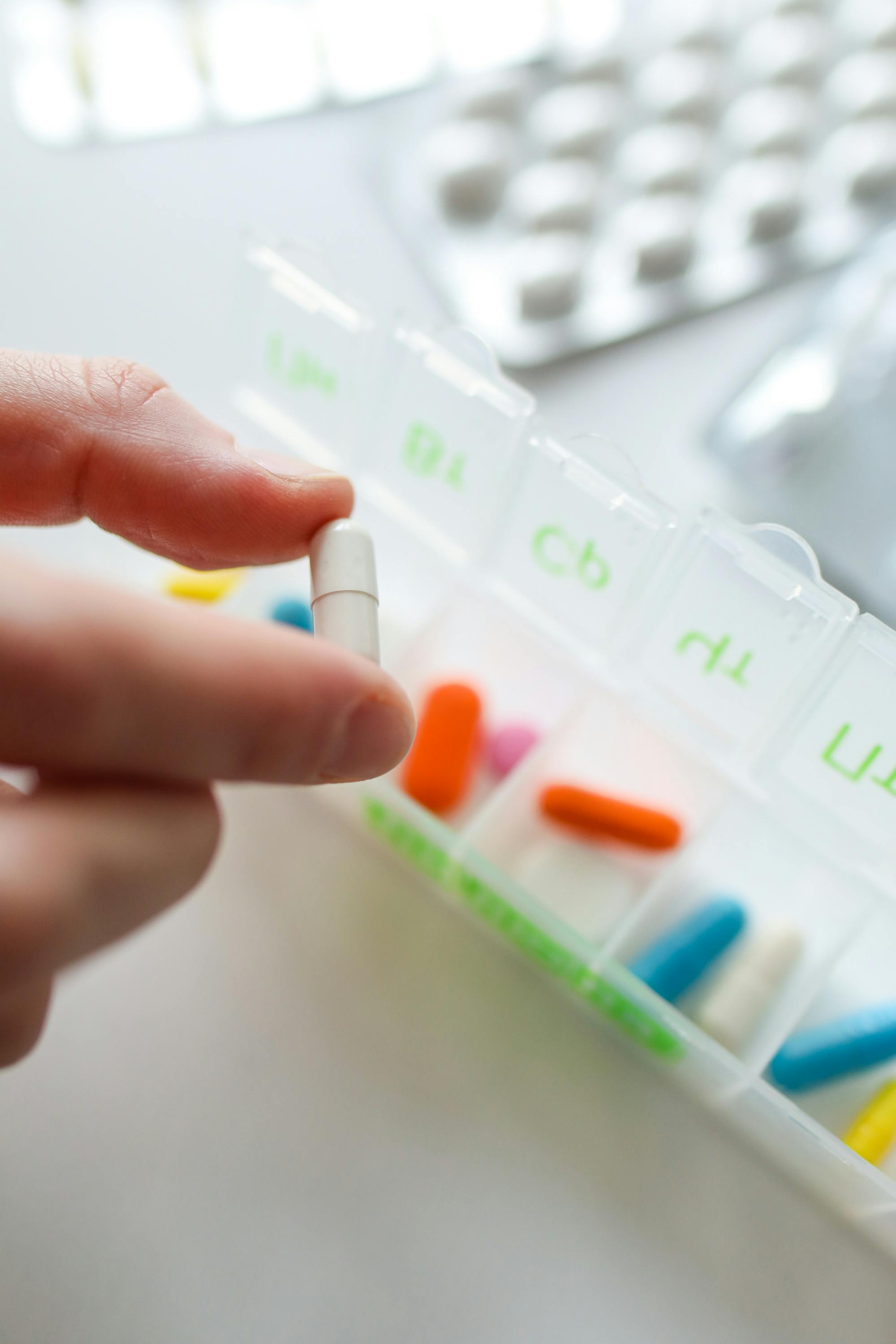
Zoloft (sertraline) is a prescription antidepressant that helps regulate serotonin, a brain chemical involved in mood, anxiety, sleep, and emotional balance. It is FDA-approved to treat depression, several anxiety-related conditions, and premenstrual dysphoric disorder (PMDD).
If you or someone you care about has been prescribed Zoloft, it's natural to wonder how the medication works in your brain and body. Knowing how it works, what it treats, and what to expect can make starting treatment feel a lot less uncertain.
Key Takeaways
Zoloft increases serotonin activity: Sertraline is an SSRI antidepressant that is FDA-approved to treat depression, obsessive-compulsive disorder (OCD), panic disorder, post-traumatic stress disorder (PTSD), social anxiety disorder, and premenstrual dysphoric disorder (PMDD).
Benefits build gradually: Some people may notice changes in sleep, energy, or anxiety within the first few weeks, but full effects on mood often take 4 to 8 weeks at a steady dose.
Treatment usually works best with ongoing follow-up: Taking Zoloft exactly as prescribed and checking in regularly with your provider can help monitor benefits and side effects, and check whether dose adjustments are needed. Abruptly stopping the medication can cause withdrawal symptoms.
What is Zoloft?
Zoloft is the brand name for sertraline, a medication in the selective serotonin reuptake inhibitor (SSRI) class of antidepressants. The FDA first approved sertraline in 1991, and it is now widely available as an affordable generic.
SSRIs are considered a first-line treatment for depression and many anxiety disorders because they have a long history of use and are generally well tolerated. Clinical reviews describe sertraline and escitalopram as two of the commonly recommended starting options for major depressive disorder. This is primarily based on their benefits, tolerability, and safety profiles.
Zoloft comes as tablets and as an oral liquid concentrate. Most people take it once a day, either in the morning or evening, with or without food.
What Does Zoloft Do in the Brain?
Zoloft affects how serotonin signals are processed between nerve cells. Although researchers understand its main action, the full reason SSRIs improve symptoms of depression and anxiety is more complex and is still being studied.
How Zoloft Affects Serotonin
Nerve cells send messages to each other using chemical messengers called neurotransmitters. Serotonin is one of these messengers, and it plays a role in mood, anxiety, appetite, sleep, and digestion. Normally, serotonin released between nerve cells is taken back up through a process called reuptake.
Zoloft works by blocking the serotonin transporter, the protein responsible for reuptake. This leaves more serotonin available in the space between nerve cells, which increases serotonin signaling. It also has a mild effect on dopamine reuptake, though researchers are still studying how much this contributes to its effects.
Why the Effects Take Time
Zoloft starts affecting serotonin signaling soon after you take it, but improvements in mood usually take longer to become noticeable. Researchers believe this delay may be related to gradual changes in brain signaling, such as adaptations in serotonin receptors and other changes in how nerve cells communicate and respond to the medication over time.
This is why providers often encourage people to keep taking Zoloft consistently even if they don't feel better right away. Some people may notice improved sleep or anxiety within the first couple of weeks. Improvements in depression often take 4 to 8 weeks to become noticeable, and conditions such as OCD may take longer to respond.
What Conditions Does Zoloft Treat?
Zoloft is FDA-approved for several mental health conditions. The appropriate dose and treatment approach can vary depending on the condition being treated.
Major Depressive Disorder
Depression is the most common reason people are prescribed Zoloft. It can help ease persistent sadness, low energy, loss of interest, and changes in sleep or appetite. A large network meta-analysis of 21 antidepressants across 522 trials found that all of the antidepressants studied, including sertraline, were more effective than placebo for adults with major depressive disorder.
Obsessive-Compulsive Disorder (OCD)
Zoloft is FDA-approved to treat OCD in adults and in children ages 6 and older. It can help reduce the intensity of intrusive thoughts and repeated behaviors or compulsions. OCD may sometimes require higher doses and a longer trial period than depression before benefits become clear.
Panic Disorder
For panic disorder, Zoloft may reduce how often panic attacks happen and how severe they feel. Providers often start with a lower dose because some people with panic symptoms are more sensitive to early side effects like jitteriness.
Post-Traumatic Stress Disorder (PTSD)
Zoloft is one of only two SSRIs with FDA approval for PTSD. It may help with symptoms like hypervigilance, intrusive memories, and emotional numbness. People with complex PTSD, which can develop after repeated or prolonged trauma, may benefit from combining medication with trauma-focused therapy.
Social Anxiety Disorder
Zoloft is approved for social anxiety disorder, which involves intense fear of being judged or embarrassed in social situations. Research suggests Zoloft may help with anxiety more broadly as well, easing symptoms such as excessive worry, fear of judgment, and physical tension associated with social situations.
Premenstrual Dysphoric Disorder (PMDD)
Zoloft is also FDA-approved for premenstrual dysphoric disorder (PMDD). PMDD is a severe form of premenstrual syndrome that causes significant mood changes in the week or two before a period. Zoloft can be taken daily or only during the second half of the menstrual cycle for PMDD, depending on what a provider recommends.
What Does Zoloft Feel Like When it Starts Working?
Many people expect antidepressants to create a sudden lift in mood, but the experience is usually more subtle. Rather than feeling "happy," people often describe feeling more like themselves, with problems seeming more manageable over time.
Research suggests that some benefits may show up before others. In a large placebo-controlled trial of sertraline in primary care, people reported improvements in anxiety symptoms, quality of life, and self-rated mental health within about 6 weeks. However, changes in depressive symptoms took longer to appear.
Early signs that Zoloft may be working can include:
Sleeping more soundly or waking up less often during the night
Feeling less on edge or less overwhelmed by worry
Having a bit more energy or motivation for daily tasks
Crying less often or recovering more quickly from stressful moments
Noticing that negative thoughts feel less "sticky"
How Zoloft is Typically Dosed
Dosing is individualized, so your provider may choose a starting point based on your diagnosis, age, other medications, and how sensitive you tend to be to side effects. Your provider may also adjust the dose based on symptoms and how well the medication is tolerated.
For depression, OCD, and PMDD, the usual starting dose of Zoloft is 50 mg once daily. For panic disorder, PTSD, and social anxiety disorder, providers often begin at 25 mg for the first week before increasing to 50 mg daily. The maximum recommended dose is 200 mg per day. Because the range runs from 25 to 200 mg, a dose like 100 mg of Zoloft sits in the middle rather than at the high end.
Dose increases generally happen gradually, often in steps of 25 to 50 mg, with time between adjustments to see how you respond.
Possible Side Effects of Zoloft
Like any medication, Zoloft can cause side effects. Many are mild and may improve within the first few weeks as the body adjusts. Common side effects include:
Nausea, diarrhea, or upset stomach
Decreased appetite
Trouble sleeping or daytime drowsiness
Dizziness or fatigue
Tremor
Increased sweating
Sexual side effects, such as lower libido or delayed orgasm
Nausea, headaches, and restlessness may be more noticeable during the first week on Zoloft and often improve over time. If side effects continue or interfere with daily life, your provider can help determine whether adjusting the dose or timing may help.
Important Safety Information
Most people take Zoloft safely, but there are some risks to understand before and during treatment.
Suicidal thoughts in young people: All antidepressants carry a boxed warning about a possible increase in suicidal thoughts and behaviors in children, adolescents, and young adults under 25, particularly when starting treatment or changing the dose.
Serotonin syndrome: Combining Zoloft with other medications that increase serotonin, such as certain migraine medications, tramadol, or St. John's Wort, can cause a potentially serious reaction. Symptoms may include agitation, fast heart rate, sweating, and muscle twitching.
Drug interactions: Zoloft can affect liver enzymes that process other medications. Zoloft should not be combined with monoamine oxidase inhibitors (MAOIs), and your provider should review your full medication and supplement list.
Bleeding risk: SSRIs may increase bleeding risk, particularly when taken with blood thinners or NSAIDs like ibuprofen.
Stopping suddenly: Abruptly stopping can lead to sertraline withdrawal symptoms, such as dizziness, irritability, and flu-like feelings. A gradual dose reduction called tapering is often used to lower the risk of these symptoms.
If you are pregnant, planning a pregnancy, or breastfeeding, discuss your options with your provider. Research suggests that sertraline passes into breast milk in low amounts, which is one reason it's often considered during breastfeeding. However, decisions should always be individualized, and your provider can help you weigh the potential benefits and risks based on your circumstances.
When to Talk to a Provider About Zoloft
Knowing what Zoloft does is helpful, but the decision about starting, adjusting, or stopping treatment should be made with a qualified provider. Consider reaching out to a healthcare provider if:
Your symptoms haven't improved after 6 to 8 weeks at a steady dose
Side effects are affecting your sleep, work, relationships, or daily life
You notice unusual changes in mood, such as agitation, restlessness, or feeling unusually "high"
You're considering stopping Zoloft or switching to another medication
You start a new prescription, supplement, or over-the-counter product
If you ever have thoughts of harming yourself, seek help right away by calling or texting 988 or going to the nearest emergency room.
How Blossom Health Can Help
If you're wondering whether Zoloft might be right for you, or if your current medication isn't working the way you hoped, Blossom Health can help. Blossom connects you with board-certified, licensed psychiatric providers for virtual care. Your provider can evaluate your symptoms, make a diagnosis, and prescribe medication when appropriate.
Your first appointment is usually an hour-long video visit where your provider reviews your history, symptoms, and goals to build a personalized treatment plan. Blossom works with many insurance plans, so you can check your coverage when you sign up. Get started with Blossom Health and schedule your first session within days.
Medical Disclaimer
This article is for informational purposes only and is not a substitute for professional medical advice. Always consult a qualified healthcare provider before starting, changing, or stopping any medication. If you are experiencing a mental health crisis, call or text the 988 Suicide and Crisis Lifeline.
Sources
U.S. Food and Drug Administration. (2023). Zoloft (sertraline hydrochloride) tablets and oral solution: Prescribing information. https://www.accessdata.fda.gov/drugsatfda_docs/label/2023/019839s108,20990s062lbl.pdf
Singh, H. K., & Saadabadi, A. (February 13, 2023). Sertraline. StatPearls. NCBI Bookshelf. https://www.ncbi.nlm.nih.gov/books/NBK547689/
StatPearls Publishing. (July 15, 2026). Antidepressants. StatPearls. NCBI Bookshelf. https://www.ncbi.nlm.nih.gov/books/NBK538182/
Chu, A., & Wadhwa, R. (May 01, 2023). Selective serotonin reuptake inhibitors. StatPearls. NCBI Bookshelf. https://www.ncbi.nlm.nih.gov/books/NBK554406/
Simon, L. V., Torrico, T. J., & Keenaghan, M. (March 02, 2024). Serotonin syndrome. StatPearls. NCBI Bookshelf. https://www.ncbi.nlm.nih.gov/books/NBK482377/
Cipriani, A., Furukawa, T. A., Salanti, G., Chaimani, A., et al. (2018). Comparative efficacy and acceptability of 21 antidepressant drugs for the acute treatment of adults with major depressive disorder: A systematic review and network meta-analysis. The Lancet, 391(10128), 1357 to 1366. https://www.thelancet.com/article/S0140-6736(17)32802-7/fulltext
Lewis, G., Duffy, L., Ades, A., et al. (2019). The clinical effectiveness of sertraline in primary care and the role of depression severity and duration (PANDA): A pragmatic, double-blind, placebo-controlled randomised trial. The Lancet Psychiatry, 6(11), 903 to 914. https://www.thelancet.com/journals/lanpsy/article/PIIS2215-0366(19)30366-9/fulltext
Ventura, D., Armstrong, E. P., Skrepnek, G. H., & Haim Erder, M. (2007). Escitalopram versus sertraline in the treatment of major depressive disorder: A randomized clinical trial. Current Medical Research and Opinion, 23(2), 245 to 250. https://pubmed.ncbi.nlm.nih.gov/17288677/
National Institute of Mental Health. (December, 2023). Mental health medications. https://www.nimh.nih.gov/health/topics/mental-health-medications
Pinheiro, E., Bogen, D. L., Hoxha, D., Ciolino, J. N., & Wisner, K. L. (2015). Sertraline and breastfeeding: Review and meta-analysis. Archives of Women's Mental Health, 18(2), 139 to 146. https://pmc.ncbi.nlm.nih.gov/articles/PMC4366287/
U.S. Food and Drug Administration. Drug development and drug interactions: Table of substrates, inhibitors and inducers. https://www.fda.gov/drugs/drug-interactions-labeling/drug-development-and-drug-interactions-table-substrates-inhibitors-and-inducers