
Postpartum rage appears as feelings of intense, hard-to-control anger that some people experience after having a baby. It can show up as sudden outbursts, persistent irritability, or anger that feels out of proportion to what triggered it.
Postpartum rage is not a formal diagnosis, but it is often linked to postpartum depression, anxiety, and exhaustion. Recognizing these feelings is an important step toward getting support, and experiencing it does not mean you or someone you care about is a bad parent.
Key Takeaways
Postpartum anger is common: In a 2022 survey of mothers with babies 6 to 12 months old, 31% reported intense anger. Postpartum rage can occur any time in the first year after birth, not just the first few weeks.
It can have several contributing factors: Sleep deprivation, hormonal shifts, unmet expectations, lack of support, and postpartum depression or anxiety can all contribute to postpartum rage.
Support can help: Therapy, medication, and practical support may help reduce postpartum anger, especially when depression or anxiety is also present. Talk with a healthcare provider, and call or text the National Maternal Mental Health Hotline at 1-833-TLC-MAMA (1-833-852-6262) if you need support.
What Is Postpartum Rage?
Postpartum rage can look like episodes of intense anger, irritability, or resentment during the months after childbirth. Researchers who reviewed decades of studies found that anger frequently accompanies postpartum mood disturbances, yet it has received far less attention than sadness or worry.
Feeling frustrated or irritable after having a baby is common. Postpartum rage is different because the anger feels unusually intense, happens frequently, or is difficult to control, and it may be followed by guilt or shame. Some parents describe it as feeling like a different person than they were before the baby arrived.
Postpartum rage can affect anyone who has recently given birth. Partners and adoptive parents can also experience significant anger during the demanding newborn period.
Postpartum Rage Symptoms
Postpartum rage can look different from person to person. Common signs include:
Sudden outbursts of anger that feel out of character
Yelling, swearing, or snapping at your partner, older children, or others
Throwing or hitting objects, or slamming doors
Feeling constantly irritated, on edge, or resentful
Dwelling on something that upset you long after it happened
Physical signs during anger, like a racing heart, muscle tension, or feeling hot
Guilt, shame, or crying after an episode
Some people feel anger alongside other symptoms of postpartum depression, such as low mood, loss of interest, or trouble bonding with the baby. Irritability is a recognized feature of perinatal depression, which is one reason persistent or intense anger deserves attention.
How Common Is Postpartum Anger?
Research on postpartum anger is still developing, but existing studies suggest it is relatively common. In a 2022 Canadian survey of 278 mothers with babies 6-12 months old, 31% reported intense anger and 26% showed signs of probable depression. Another study suggested that about half the mothers who reported intense anger also had probable depression. This suggests that postpartum anger can occur independent of postpartum depression.
Generally, postpartum mood changes are common. About 1 in 8 people with a recent live birth report symptoms of postpartum depression, and rates may vary by state. Yet many people are not asked about depression during postpartum care, and anger may be even less likely to come up during routine visits.
What Causes Postpartum Rage?
Postpartum rage rarely has a single cause. Instead, several physical, emotional, and practical factors may contribute to intense anger after childbirth.
Sleep Deprivation
Poor sleep is perhaps one of the main contributing factors in postpartum anger. In the 2022 survey, mothers' sleep quality and frustration about their infant's sleep were linked to higher anger levels. Ongoing sleep deprivation and chronic exhaustion can make it harder to manage stress and may make small frustrations feel overwhelming.
Hormonal Changes After Birth
Levels of estrogen and progesterone drop sharply after delivery. These hormonal shifts may contribute to postpartum mood changes, including irritability. Hormones alone may not explain postpartum rage, but they can make you more sensitive to stress.
Unmet Expectations and Mental Load
The transition to parenthood may not match what someone expected, which can add to stress and frustration. Researchers found that mothers often became angry when faced with violated expectations, unmet needs, and feelings of being on edge. These feelings can include exhaustion, stress, and resentment about an uneven division of household and baby care.
Lack of Support
Feeling unsupported by a partner, family, or healthcare providers can also contribute to postpartum anger. Stressors like financial strain, relationship conflict, and feeling powerless are also associated with both anger and depression after birth.
Postpartum Depression or Anxiety
For some people, anger may be a visible sign of an underlying mood or anxiety disorder. A personal history of depression or anxiety, a difficult pregnancy or birth, and limited social support can raise the risk of postpartum depression or anxiety.
If you have a history of hormone-related mood symptoms such as premenstrual dysphoric disorder (PMDD), it may also be useful to mention this to your provider.
Postpartum Rage vs. Postpartum Depression vs. Baby Blues
These experiences can overlap, but their timing, severity, and symptoms can differ:
Baby blues: Mild mood swings, tearfulness, and irritability that usually begin within days of delivery and typically resolve within a few weeks without treatment.
Postpartum depression: More intense and longer-lasting symptoms, such as persistent sadness, hopelessness, loss of interest, or trouble functioning. It can begin during pregnancy or at any point during the first year after birth.
Postpartum rage: Intense or frequent anger that may occur with or without other depression symptoms. It can be a sign of postpartum depression or anxiety but may also occur on its own.
Postpartum psychosis: A rare psychiatric emergency that affects about 1 in 1,000 people after delivery, with symptoms like hallucinations, delusions, severe confusion, or agitation.
How Postpartum Rage Is Treated
Postpartum rage can improve with appropriate treatment and support. The right approach depends on what may be contributing to the anger and whether depression, anxiety, or another condition is also present.
Therapy for Postpartum Rage
Talk therapy can help you identify anger triggers, address unrealistic expectations, and build coping skills. Approaches such as cognitive behavioral therapy (CBT) and interpersonal therapy, which focuses on relationships and role changes, are commonly used for perinatal mood concerns. Couples counseling may help when conflict about caregiving is a major trigger.
Antidepressants for Postpartum Mood Symptoms
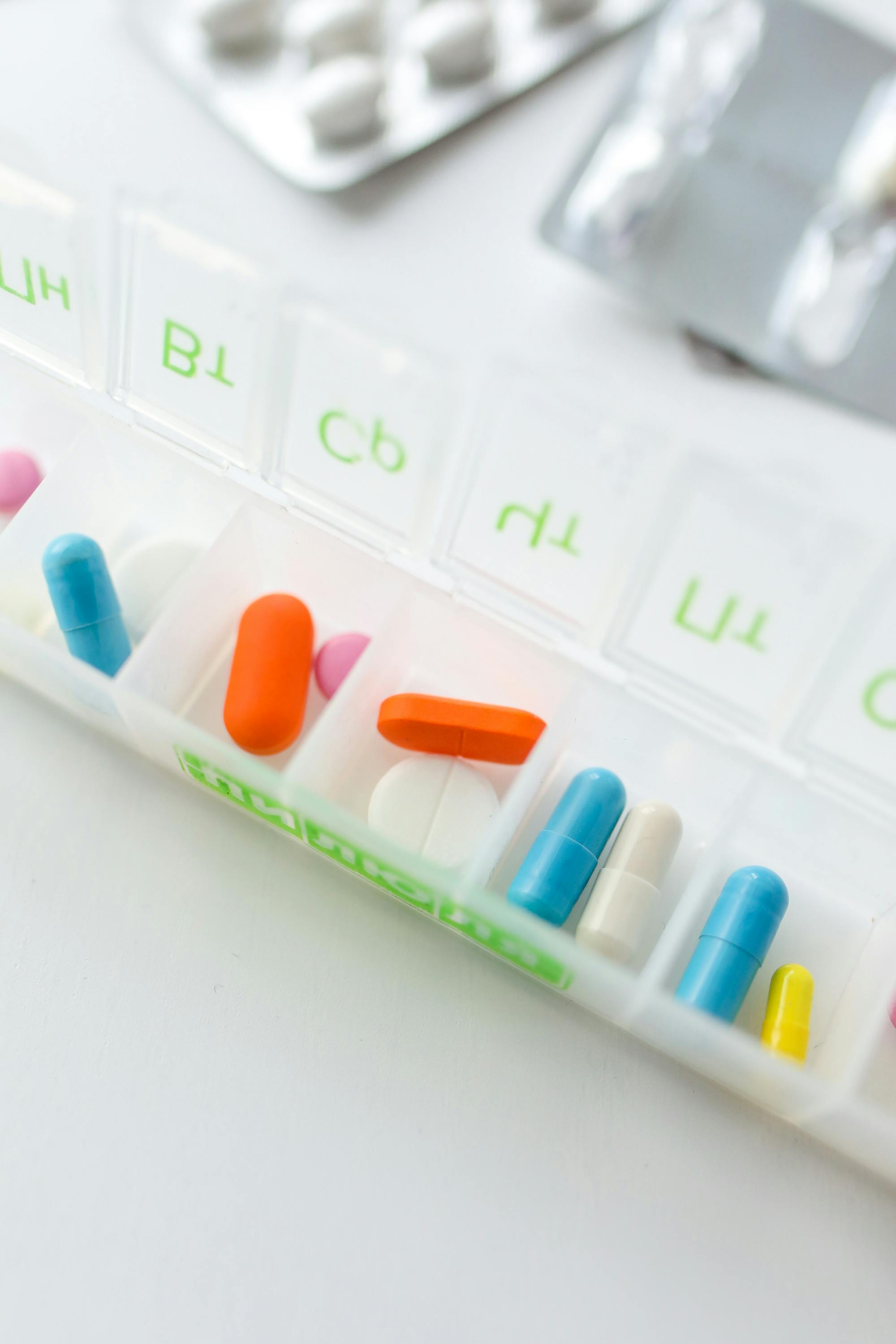
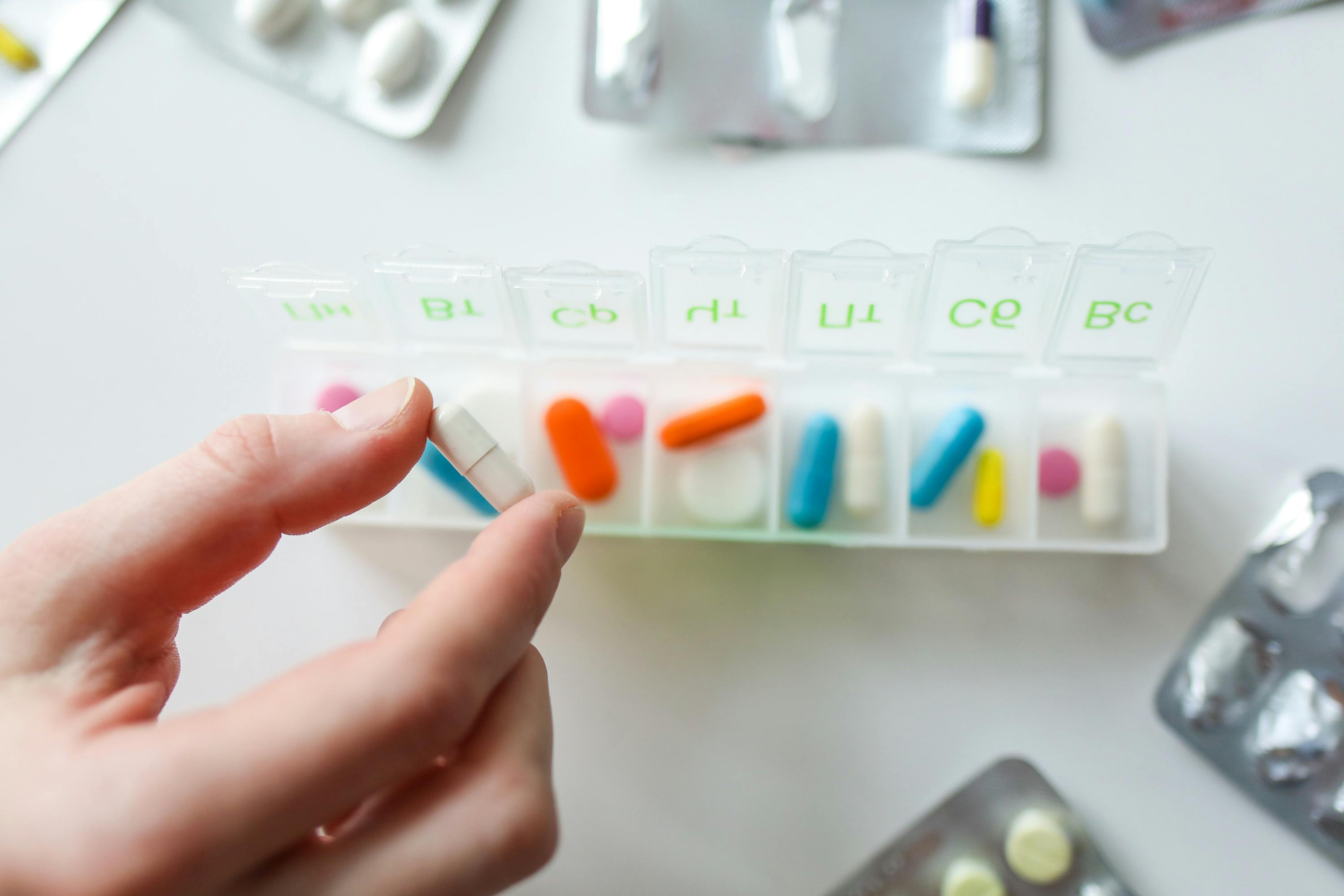
When postpartum rage occurs alongside depression or anxiety, a provider may recommend an antidepressant, such as a selective serotonin reuptake inhibitor (SSRI). Several types of clinicians, including psychiatric providers and OB-GYNs, can prescribe antidepressants. Treatment for postpartum depression often involves medication and counseling.
If you are breastfeeding, some antidepressants are generally considered compatible with nursing, and your provider can review the options with you.
Zuranolone for Postpartum Depression
In 2023, the FDA approved zuranolone (Zurzuvae), the first oral medication specifically for postpartum depression. It is taken once daily for 14 days. Zuranolone carries a boxed warning because it can impair driving ability and other activities that require alertness. People taking it are advised not to drive or do other potentially hazardous activities for at least 12 hours after each dose.
Practical Support and Rest
Because exhaustion and feeling overwhelmed can fuel anger, practical support may help. Researchers found that support from partners, family, and others helped mothers manage their anger and led to more positive outcomes. Getting help with childcare, household tasks, or other responsibilities may also create opportunities for rest and recovery.
Tips for Coping With Postpartum Rage in the Moment
Alongside professional care, these strategies may help when you feel anger rising:
Pause and step away: If your baby is safe in a crib or with another adult, take a few minutes in another room to reset.
Breathe slowly: Slow, steady breathing with long exhales can help calm your body's stress response.
Name the feeling: Saying "I am overwhelmed" or "I am exhausted" can help you and others understand what is happening.
Protect your sleep: Trade night feedings with a partner or support person when possible, even for one longer stretch of rest.
Share the load: Make a clear list of tasks others can take on, from meals to laundry.
Practice self-compassion: Anger followed by constant guilt is common. Having angry feelings does not make you a bad parent.
When to Seek Medical Attention for Postpartum Rage
Anger that is intense, frequent, or lasting more than a couple of weeks is worth discussing with a healthcare provider. Postpartum depression is treatable, and your OB-GYN, midwife, primary care provider, or a psychiatric provider can help evaluate your symptoms and discuss treatment options.
Reach out for help as soon as possible if:
Your anger feels out of control or is getting worse
You are worried about how anger is affecting your baby, partner, or other children
You also feel hopeless, numb, or unable to enjoy anything
You are struggling to sleep even when you have the chance
You have thoughts of harming yourself or your baby
If you have thoughts of harming yourself or your baby, or notice symptoms such as confusion, hallucinations, or severe agitation, call 911 or go to the nearest emergency room. You can also call or text 988 to reach the 988 Suicide & Crisis Lifeline, or contact the National Maternal Mental Health Hotline at 1-833-TLC-MAMA (1-833-852-6262), available 24 hours a day.
How Blossom Health Can Help With Postpartum Rage
Caring for a newborn can leave little time for your own health, which is why convenient mental health care matters. Blossom Health connects you with board-certified, licensed psychiatric providers who can evaluate postpartum mood symptoms, including anger, depression, and anxiety, through secure video visits from home.
Your provider can make a diagnosis, recommend treatment, and prescribe medication when appropriate. If you are breastfeeding, they can also consider your breastfeeding status and your full health history when discussing treatment options.
Many plans include mental health benefits, and it helps to know whether depression treatment is covered by insurance. Blossom works with many insurance plans, so you can check your coverage and book an appointment to be seen within days.
Medical Disclaimer
This article is for informational purposes only and is not a substitute for professional medical advice. If you have thoughts of harming yourself or your baby, call 911 or go to the nearest emergency room. You can also call or text 988 or the National Maternal Mental Health Hotline at 1-833-TLC-MAMA (1-833-852-6262).
Sources
Ou CH, Hall WA. (2018). Anger in the context of postnatal depression: An integrative review. Birth. https://doi.org/10.1111/birt.12356
Ou CHK, Hall WA, Rodney P, Stremler R. (2022). Correlates of Canadian mothers' anger during the postpartum period: a cross-sectional survey. BMC Pregnancy and Childbirth. https://doi.org/10.1186/s12884-022-04479-4
Ou CHK, Hall WA, Rodney P, Stremler R. (2022). Seeing Red: A Grounded Theory Study of Women's Anger after Childbirth. Qualitative Health Research. https://pmc.ncbi.nlm.nih.gov/articles/PMC9511239/
Centers for Disease Control and Prevention. (Accessed September 29, 2026). Symptoms of Depression Among Women. https://www.cdc.gov/reproductive-health/depression/index.html
JAMA. (2020). Postpartum Depression Symptoms (summary of CDC Pregnancy Risk Assessment Monitoring System data). https://jamanetwork.com/journals/jama/article-abstract/2767346
Carlson K, Mughal S, Azhar Y, et al. (August 12, 2024). Postpartum Depression. StatPearls. NCBI Bookshelf. https://www.ncbi.nlm.nih.gov/books/NBK519070/
Cleveland Clinic. (March 26, 2026). Postpartum Depression. https://my.clevelandclinic.org/health/diseases/9312-postpartum-depression
U.S. Food and Drug Administration. (August 4, 2023). FDA Approves First Oral Treatment for Postpartum Depression. https://www.fda.gov/news-events/press-announcements/fda-approves-first-oral-treatment-postpartum-depression
Health Resources and Services Administration. (Accessed September 29, 2026). National Maternal Mental Health Hotline. https://mchb.hrsa.gov/national-maternal-mental-health-hotline
American College of Obstetricians and Gynecologists. (Accessed September 29, 2026). Postpartum Depression FAQ. https://www.acog.org/womens-health/faqs/postpartum-depression