Anxiety and Head Pressure: Why It Happens and How to Find Relief
Author:
Blossom Editorial



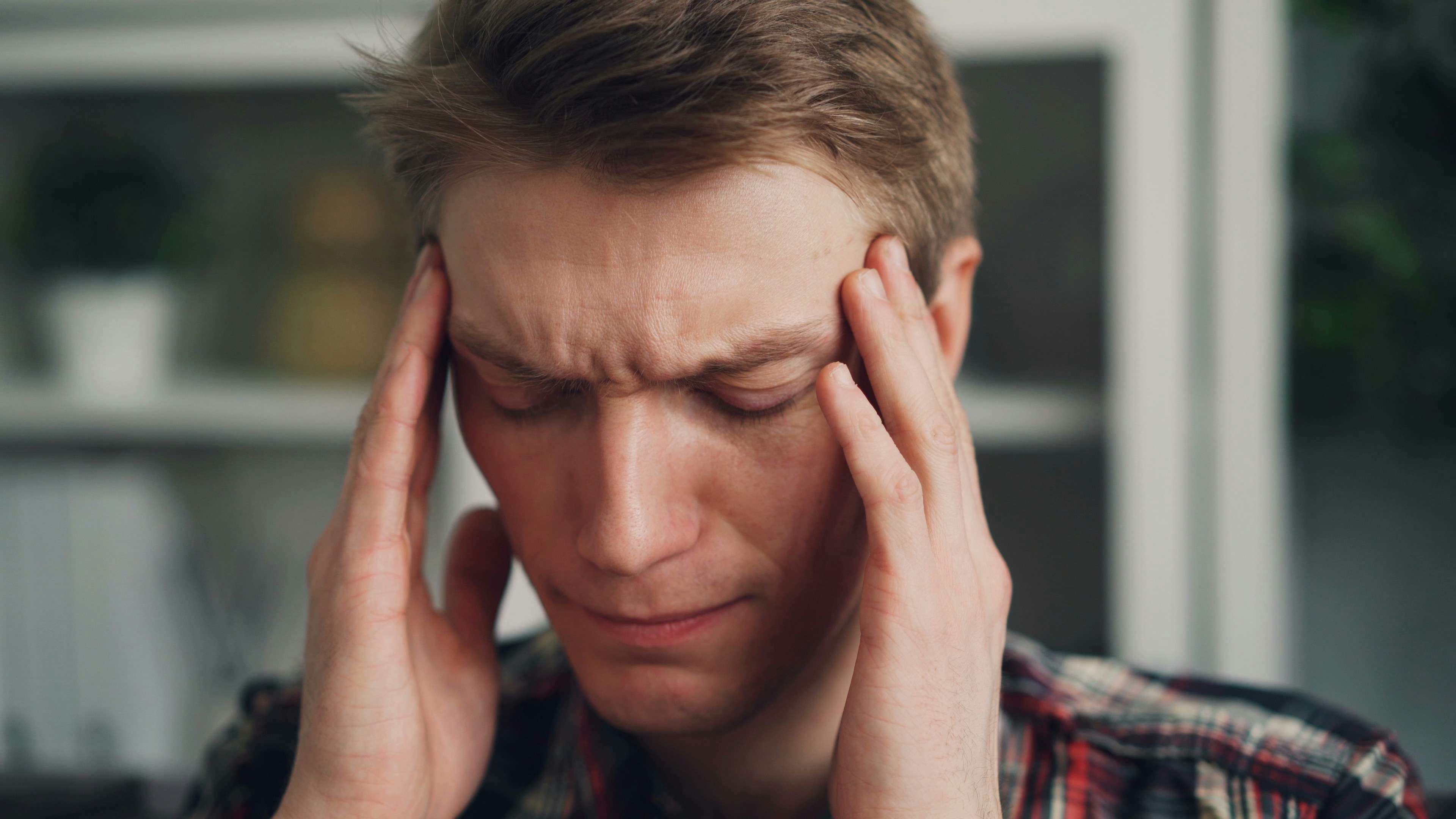
Head pressure, also called tension headache, is one of the commonly reported physical symptoms of anxiety. It can show up as a tight band around the skull, a dull ache at the temples, a sense of fullness behind the eyes, or a foggy heaviness that makes thinking feel harder than it should. For many people, it is one of the first signals that their anxiety is affecting them physically, and one of the most alarming.
Anxiety-related head pressure is generally not dangerous; it is well explained by established physiology, and it typically improves as anxiety is treated.
Key Takeaways
Anxiety head pressure (tension headache) is a real, physically produced symptom. It arises primarily from muscle tension, changes in blood flow and breathing, and nervous system sensitization, not from any structural brain problem.
Not all tension headaches are related to anxiety. However, in people with anxiety, tension headaches frequently co-occur and reinforce each other. Stress and anxiety are among the most reliably identified headache triggers, with bidirectional relationships between headache frequency and anxiety severity.
Treating the underlying anxiety through therapy, medication, or both is the most effective long-term approach. Immediate relief strategies can help manage symptoms day-to-day.
What Does Anxiety Head Pressure Feel Like?
Anxiety-related head pressure often does not fit the description of a typical headache, which can make it harder to communicate to healthcare providers. Common descriptions include:
A tight band or squeezing sensation around the head, as if wearing a hat that is slightly too small
A dull, persistent pressure or heaviness at the top or back of the skull
Pressure or an aching fullness behind the eyes or at the temples
A foggy, heavy, or "full" feeling in the head that makes concentration feel effortful
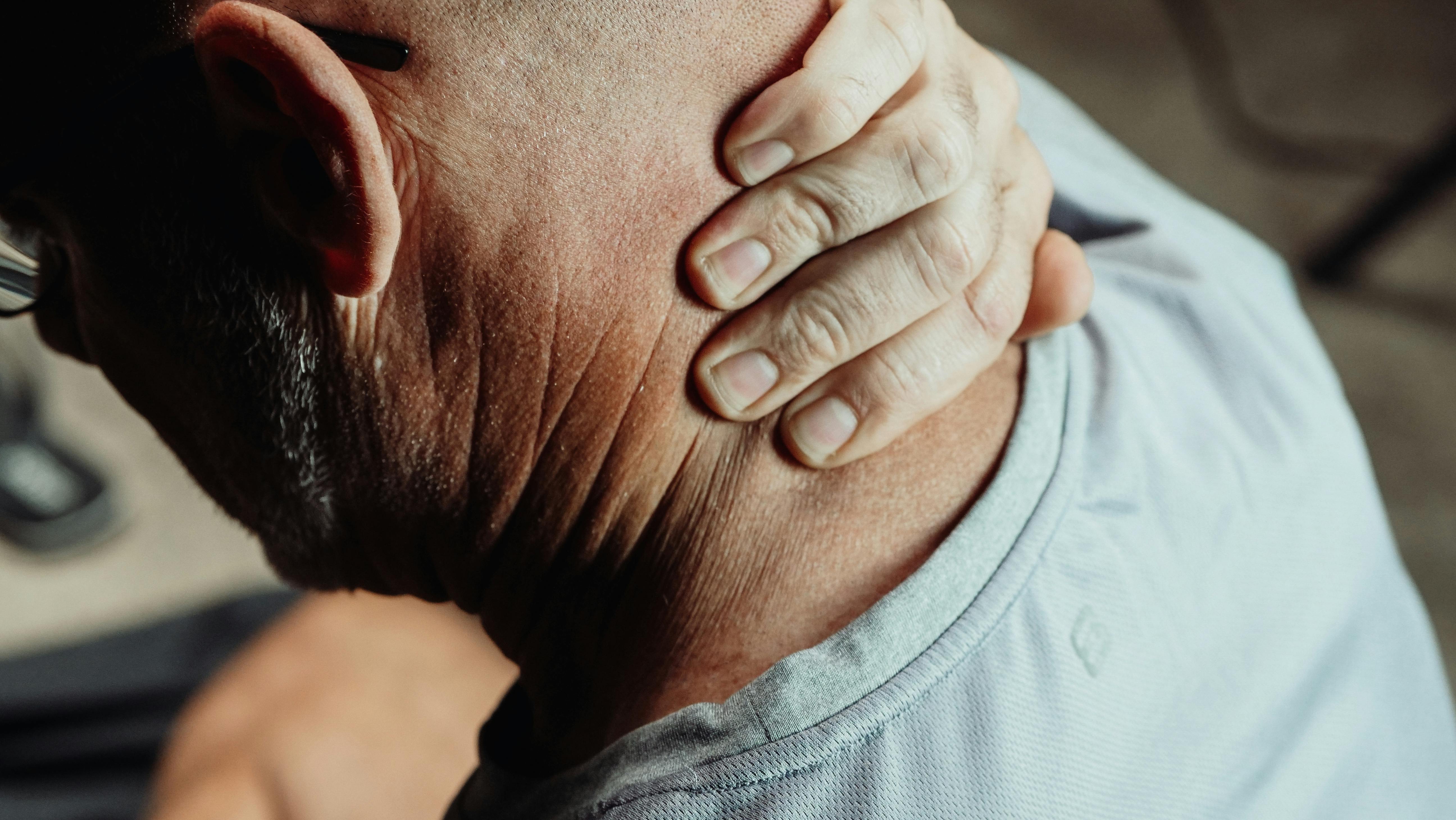
Aches, tightness, or tenderness in neck and/or shoulder muscles
A low-grade pulsing or aching that worsens during periods of stress and eases when anxiety reduces
A key distinguishing feature: anxiety head pressure almost always fluctuates with emotional state. It typically worsens when anxiety peaks and eases when the person is calm or distracted. Unlike other types of headache, like migraines, it is not affected by physical activity.
Why Does Anxiety Trigger Head Pressure?
Tension-type headaches are the most common headache disorder, with anxiety and stress being among the more reliably identified triggers. Moreover, anxiety disorders are among the most prevalent comorbidities in people with frequent headache disorders, with bidirectional relationships between headache frequency and anxiety severity.
Several interconnected physiological mechanisms link anxiety to head pressure. Understanding them makes the symptom less alarming and points toward the most effective relief strategies.
Muscle Tension and the Anxiety Headache
When the body's fight-or-flight response activates, muscles throughout the body contract to prepare for a response. The muscles of the scalp, jaw, neck, and shoulders are particularly prone to sustained tension during anxiety.
When stress or anxiety causes the muscles in your neck and shoulders to stay tense for long periods, it can put pressure on nearby nerves and reduce blood flow to the scalp. This often leads to the familiar tight, squeezing feeling that many people experience with tension headaches.
Breathing Changes and CO₂ Levels
Anxiety reliably alters breathing, making it faster, shallower, and more chest-focused. Even mild hyperventilation produces a detectable drop in carbon dioxide (hypocapnia). Lower CO₂ can cause cerebral blood vessels to constrict, which can produce a distinct sense of light-headedness, head pressure, or mental fog. This mechanism can occur even during anxiety that is not consciously recognized as severe.
Neurotransmitter Imbalance
Chemicals like serotonin dictate pain signaling and mood. When anxiety levels rise, fluctuating serotonin levels can increase your sensitivity to pain and directly trigger migraines.
Changes in Cerebral Blood Flow
When you're anxious, your body's stress response kicks in and affects blood vessels throughout the body, including those in the brain. These changes can sometimes contribute to headaches and other physical symptoms of anxiety.
Nervous System Sensitization
In people with chronic anxiety, the nervous system can become sensitized to normal bodily sensations, a process called interoceptive hypervigilance.
Ordinary head sensations that most people barely register become prominent and are interpreted as concerning. This does not mean the sensations are imaginary; it means the volume has been turned up on something that was already there.
However, this hypervigilance can cause physical sensations to feel dangerous or more painful, triggering a feedback cycle, which results in more stress hormones being pumped into the brain, more muscle contraction, and ultimately, resulting in a tension headache.
Lack of Sleep
People with anxiety may have disturbed sleep patterns that can directly trigger a tension headache.
Tension Headache vs. Migraine: How to Tell the Difference
Anxiety-related head pressure (tension headache) and migraine are distinct conditions, though they can co-occur. Understanding the differences helps with both diagnosis and management.
Anxiety head pressure is typically bilateral (both sides), described as pressure or tightness rather than throbbing, mild to moderate in intensity, not worsened by routine physical activity, and not typically accompanied by nausea or light and sound sensitivity.
Migraines are more often unilateral (one-sided), throbbing or pulsating, moderate to severe in intensity, worsened by physical activity, and accompanied by nausea, vomiting, and/or sensitivity to light, sound, and smell. It can also cause a tingling sensation in your face, arm, or leg.
Both conditions can be present simultaneously, and anxiety can trigger migraines in susceptible people.
When is Head Pressure a Medical Emergency?
Anxiety-related head pressure is generally not dangerous, but certain headache features require urgent medical evaluation. Seek immediate care if you experience:
A sudden, severe "thunderclap" headache, the worst headache of your life, reaching peak intensity within seconds
Headache accompanied by fever, stiff neck, or sensitivity to light, which may indicate meningitis
New onset of severe headache after age 50, or headache with a history of cancer
Headache with neurological symptoms: vision changes (double vision), weakness, numbness, speech difficulty, or coordination problems
Headache following a head injury
These symptoms are not consistent with anxiety-related head pressure and warrant emergency evaluation.
How to Relieve Anxiety Head Pressure
Anxiety-related head pressure responds to both immediate symptom management and treatment of the underlying anxiety. A combination of both is most effective.
Immediate Relief for Anxiety Head Pressure
These strategies directly address the physiological mechanisms, including muscle tension, breathing changes, and nervous system activation, that cause anxiety-induced head pressure.
Diaphragmatic breathing: Slow breathing with an extended exhale reverses hyperventilation, normalizes CO₂ levels, and activates the parasympathetic system. Research shows measurable reductions in physiological stress markers with paced breathing. Try breathing in for 4 counts, holding for 4, exhaling slowly for 6–8 counts.
Neck and shoulder release: Gentle stretches or self-massage of the trapezius, jaw, and sub-occipital muscles release tension contributing to head pressure. A warm compress on the neck and upper shoulders provides additional muscle relaxation.
Grounding techniques: Focusing on what's happening around you right now, what you can see, hear, feel, or smell, can help calm your body's stress response and reduce the constant sense of alertness that keeps muscles tense.
Medication: Acute tension headaches can be managed using NSAIDs like aspirin or ibuprofen. However, overuse of these medications can cause gastric ulcers. For chronic tension headaches, the tricyclic antidepressant amitriptyline has strong evidence for headache prevention. It can, however, cause side effects such as sedation, dry mouth, constipation, and blurred vision.
Treating the Anxiety Triggering the Headaches
If your tension headaches are related to anxiety, addressing the anxiety may help with the headaches. Cognitive behavioral therapy produces significant anxiety reductions across multiple anxiety disorder diagnoses with large effect sizes.
Selective serotonin reuptake inhibitors (SSRIs) and serotonin and norepinephrine reuptake inhibitors (SNRIs) are commonly prescribed medications for anxiety. They can help calm the body's stress response, making physical symptoms like head pressure, muscle tension, and feeling constantly on edge less intense over time. Moreover, a psychiatrist can evaluate whether medication is appropriate and work with you to find the right approach.
Managing anxiety often involves addressing both the emotional and physical aspects of stress through therapy, lifestyle changes, and, when appropriate, medication.
Blossom Health connects patients with board-certified psychiatric providers who can evaluate symptoms, develop personalized treatment plans, and provide ongoing support through convenient online appointments.
With insurance-covered options available, Blossom Health makes it easier to access professional care and find lasting relief from anxiety and its physical effects.
Medical Disclaimer
This article is for informational purposes only and is not a substitute for professional medical advice, diagnosis, or treatment. Always seek the advice of your physician or other qualified healthcare provider with any questions you may have regarding a medical condition. If you are experiencing a mental health crisis, contact the 988 Suicide and Crisis Lifeline by calling or texting 988.
Sources
Loder E, Rizzoli P. 2008. Tension-type headache. BMJ. https://pmc.ncbi.nlm.nih.gov/articles/PMC2190284/
Lipton RB, et al. 2001. Prevalence and burden of migraine in the US. Headache. https://pubmed.ncbi.nlm.nih.gov/11554952/
National Institute of Mental Health. Anxiety Disorders. https://www.nimh.nih.gov/health/topics/anxiety-disorders
Hofmann SG, Smits JA. 2008. CBT for adult anxiety disorders: meta-analysis. J Clin Psychiatry. https://pubmed.ncbi.nlm.nih.gov/18363421/
Zaccaro A, et al. 2018. How breath-control can change your life. Front Hum Neurosci. https://pmc.ncbi.nlm.nih.gov/articles/PMC6137615/
Cleveland Clinic. Tension Headaches. https://my.clevelandclinic.org/health/diseases/8257-tension-headaches
Cleveland Clinic. Generalized Anxiety Disorder. https://my.clevelandclinic.org/health/diseases/23940-generalized-anxiety-disorder-gad
Mayo Clinic. Headache: causes and types. https://www.mayoclinic.org/symptoms/headache/basics/causes/sym-20050800
American Psychiatric Association. What Are Anxiety Disorders? https://www.psychiatry.org/patients-families/anxiety-disorders/what-are-anxiety-disorders
National Institute of Mental Health. Mental Health Medications. https://www.nimh.nih.gov/health/topics/mental-health-medications