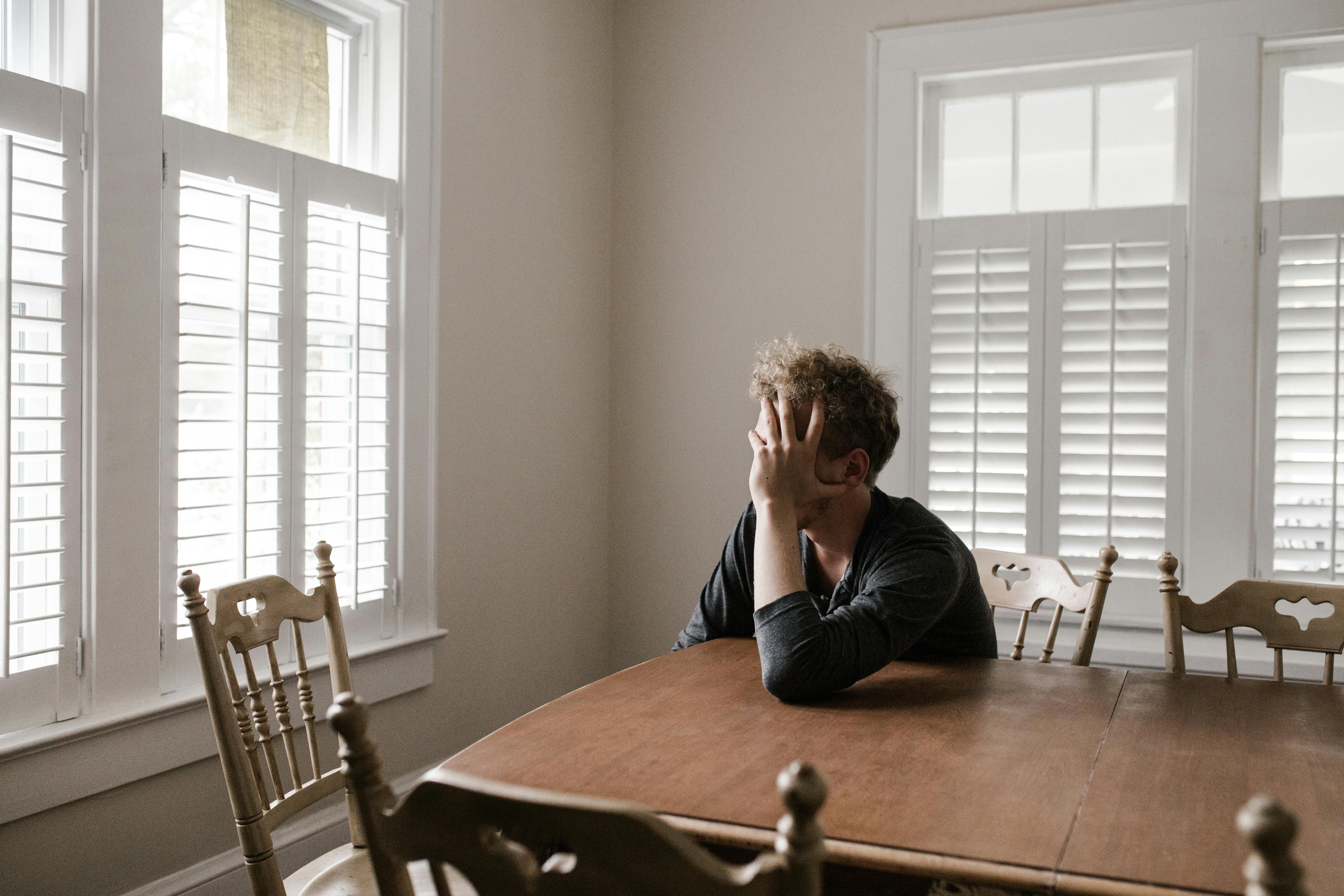
Emotional dysregulation means having a hard time healthily managing strong feelings. For adults, this can look like intense reactions, quick mood shifts, or feeling flooded by emotions that are tough to calm. Learning what drives it can make these moments feel less overwhelming and point you toward skills that help.
Key Takeaways
Emotional dysregulation is common and treatable: Difficulty managing emotions affects many adults and shows up across many mental health conditions, but it can improve with the right support.
It has many causes: Early life experiences, brain chemistry, stress, and other conditions can all play a role in how well someone regulates emotions.
Skills make a difference: Therapy approaches like dialectical behavior therapy teach practical tools, and a provider can help you build a plan that fits.
What is Emotional Dysregulation?
Emotional dysregulation is having trouble managing and processing your emotional reactions. Everyone feels strong emotions from time to time, but with dysregulation, those feelings can be more intense, last longer, and feel harder to bring back to a steady place. It can be described as a set of difficulties that can include trouble noticing emotions, accepting them, and using healthy ways to cope when upset.
Emotional dysregulation is not a diagnosis on its own. Instead, it is a pattern that can show up in many conditions and in people who do not have any diagnosis at all. Identifying emotional dysregulation can be the first step toward managing it.
Being emotionally regulated doesn’t mean you never get upset. It means you can notice what you’re feeling, understand it, and decide how to respond instead of reacting automatically. Emotional dysregulation happens when that process breaks down, making emotions feel harder to manage and more likely to take over than you'd like.
Signs of Emotional Dysregulation in Adults
Emotional dysregulation can look different from person to person, but it can have several common signs. Recognizing them can help you understand what is happening in the moment. These signs include:
Intense reactions: Having reactions that seem much bigger than the situation calls for
Quick mood shifts: Moving from calm to upset, or back again, in a short time
Trouble calming down: Strong emotions that are slow to settle
Impulsive actions: Saying or doing things in the heat of the moment and regretting them later
Avoidance: Shutting down to avoid people or situations when emotions are too strong to manage
Strained relationships: Conflict or distance that is caused by emotional ups and downs
When these patterns happen often and get in the way of daily life, they may point to emotional dysregulation that could benefit from support.
How Emotional Dysregulation Affects Daily Life
When strong emotions are hard to manage, the effects can reach into many parts of life. Understanding this impact can help explain why getting support is worth the effort.
At work, intense reactions or quick mood shifts can make it harder to handle feedback, stress, or conflict. In relationships, loved ones may feel they have to walk on eggshells, and the person struggling may feel guilt or shame afterward. Over time, the strain can lead to low self-esteem, anxiety, or depression, and some people turn to unhealthy coping habits to get relief.
None of this means a person is failing. It simply shows why building emotion regulation skills can make daily life feel steadier and more manageable. For some people, emotional dysregulation can be a symptom of underlying trauma or other mental health conditions, which could benefit from targeted treatment.
What Causes Emotional Dysregulation?
There is rarely a single cause. Most often, several factors combine to shape how a person handles emotions over their lifetime.
Early Experiences and Environment
How we learn to manage emotions often begins in childhood. Growing up without steady, safe relationships or going through trauma or neglect can make it harder to build emotion regulation skills. These early patterns can carry into adult life.
Brain and Body Factors
Biology also plays a part. Differences in brain areas that handle emotion, along with stress hormones and overall sensitivity to stress, can affect how strongly someone reacts and how quickly they recover. Since the brain is neuroplastic, which means it can rewire itself in response to external factors, early childhood experiences can influence the development of the brain’s stress response.
None of this means a person is broken, only that their nervous system may respond more intensely. Because the brain remains adaptable throughout life, interventions such as psychotherapy and emotion-regulation skills training can help many people improve how they respond to stress and intense emotions.
Certain types of brain injury or conditions may also contribute to emotional dysregulation. These include: brain tumors, degenerative conditions like Alzheimer’s, epilepsy, brain infections, and more.
Related Mental Health Conditions
Emotional dysregulation often appears alongside other conditions, including attention deficit/hyperactivity disorder (ADHD), anxiety, depression, post-traumatic stress disorder (PTSD), bipolar disorder, and borderline personality disorder. Rejection-sensitive dysphoria is a form of emotional dysregulation strongly associated with ADHD.
When another condition is present, treating it can also improve emotional control. This is one reason a careful evaluation matters, since it can uncover a treatable cause that has gone unnoticed.
How to Cope With Emotional Dysregulation
The encouraging news is that emotion regulation can be learned. A mix of in-the-moment tools and longer-term support tends to work best.
Skills You Can Practice
In many cases, small, steady habits can help respond to strong feelings instead of reacting impulsively. With practice, these tools get easier to use when emotions run high.
Pause and breathe slowly before responding to give your body time to settle
Name the emotion you are feeling, which can lower its intensity
Use grounding techniques to bring your focus back to the present
Care for the basics, since steady sleep, movement, and meals make emotions easier to manage
These steps may not erase strong emotions, but they can keep them from taking over and give you more room to choose your response. The more you practice them during calmer moments, the easier they are to reach for when emotions run high.
Professional Support
When emotional dysregulation affects your relationships, work, or well-being, professional help can make a lasting difference. Dialectical behavior therapy was designed to teach emotion regulation and distress tolerance, and studies show it can reduce emotional dysregulation in adults. Cognitive behavioral therapy can also help. In some cases, treating a related condition with medication is part of the plan.
If emotional dysregulation is a result of a brain injury or tumor, for instance, treating the underlying medical issue can help.
Emotional dysregulation can make it difficult to manage intense feelings, leading to reactions that feel overwhelming or hard to control. Blossom Health connects you with board-certified psychiatrists and mental health professionals who can help you understand the root causes of these emotional struggles and develop healthier coping strategies. Through personalized treatment plans, online appointments, and insurance-covered care, Blossom Health makes it easier to get the support you need to feel more balanced and in control.
When to Seek Help
If you experience any of the following, you should reach out for professional help:
Emotional reactions are damaging your relationships or job
You often feel out of control of your feelings
You turn to alcohol, substances, or risky behavior to cope
You have thoughts of harming yourself
Asking for help is a healthy choice, not a weakness. If you ever have thoughts of suicide or self-harm, contact the 988 Suicide and Crisis Lifeline right away.
Medical Disclaimer
This article is for informational purposes only and is not a substitute for professional medical advice. If you are experiencing a mental health crisis, contact the 988 Suicide and Crisis Lifeline by calling or texting 988.
Sources
Neacsiu A.D., Tkachuck M.A. 2016. Dialectical behavior therapy skills use and emotion dysregulation in personality disorders and psychopathy: a community self-report study. Borderline Personal Disord Emot Dysregul. ncbi.nlm.nih.gov
Gupta A, Kashyap A, Sidana A.2019. Dialectical Behavior Therapy in Emotion Dysregulation - Report of Two Cases. Indian J Psychol Med . ncbi.nlm.nih.gov
Daros AR et al. A meta-analysis of emotional regulation outcomes in psychological interventions for youth with depression and anxiety. Nat Hum Behav.. ncbi.nlm.nih.gov
National Institute of Mental Health. Borderline Personality Disorder. nimh.nih.gov
Cleveland Clinic. Dialectical Behavior Therapy (DBT). clevelandclinic.org