Treatment-Resistant Depression: Causes, Treatment Options, and What to Do Next
Author:
Blossom Editorial

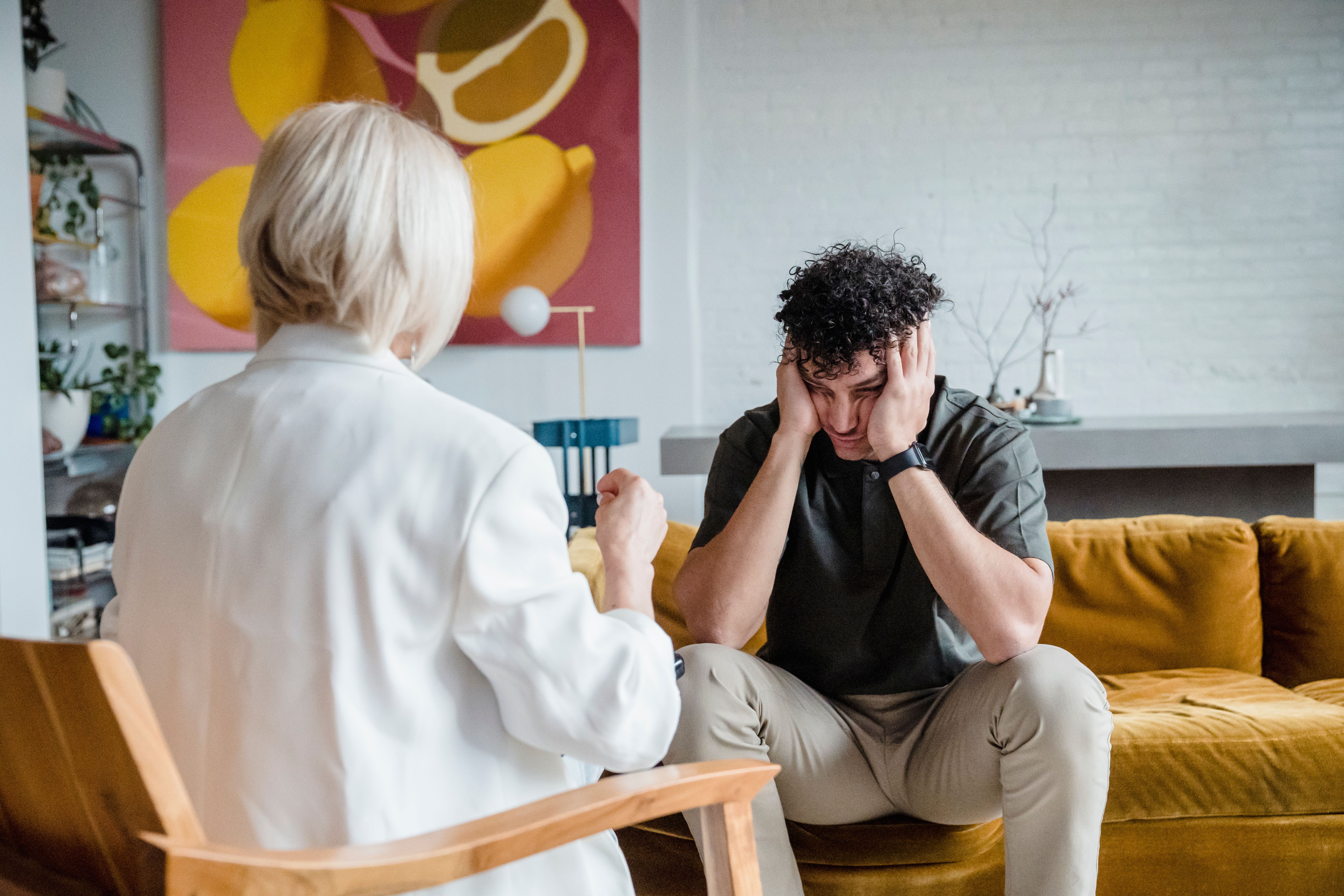

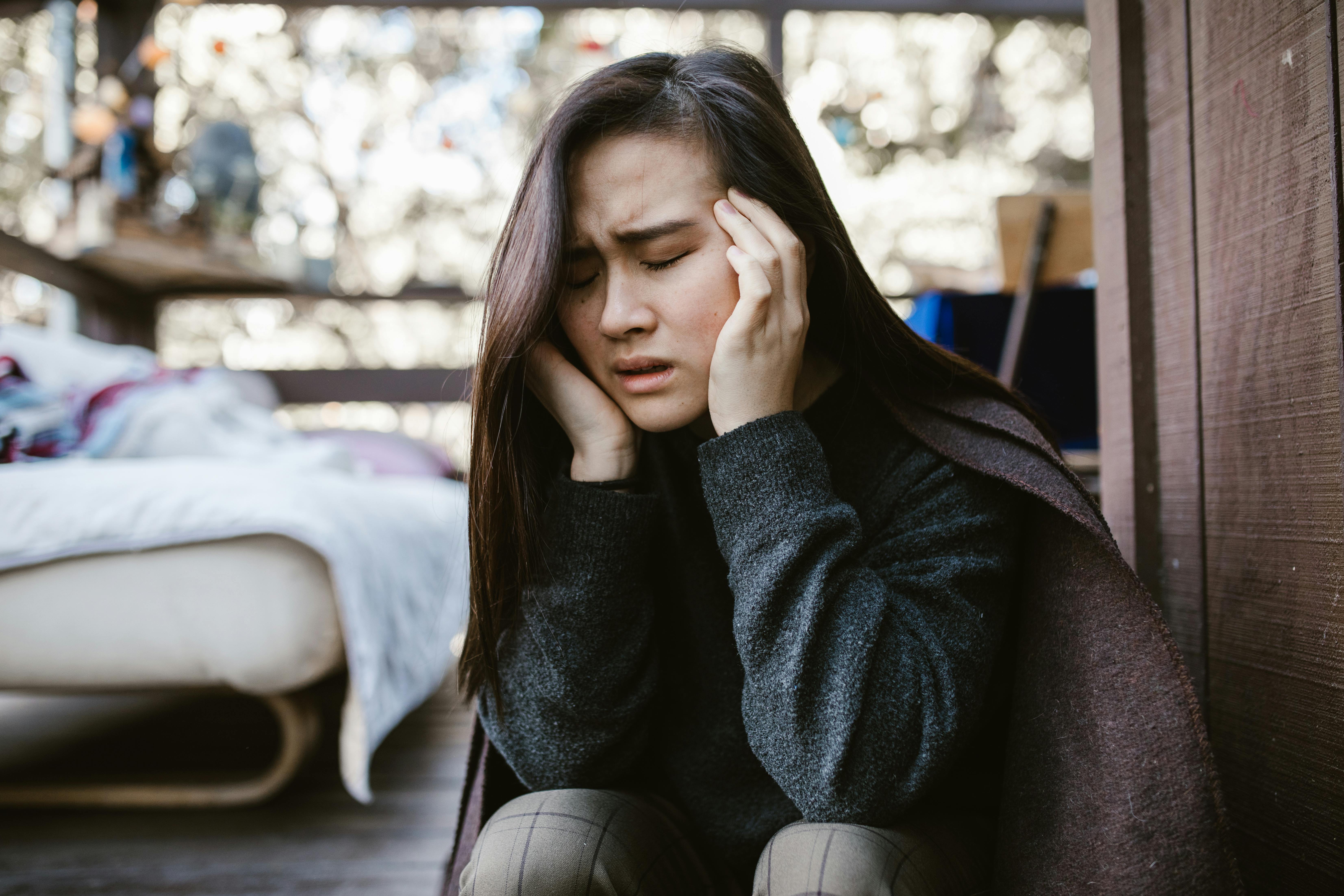
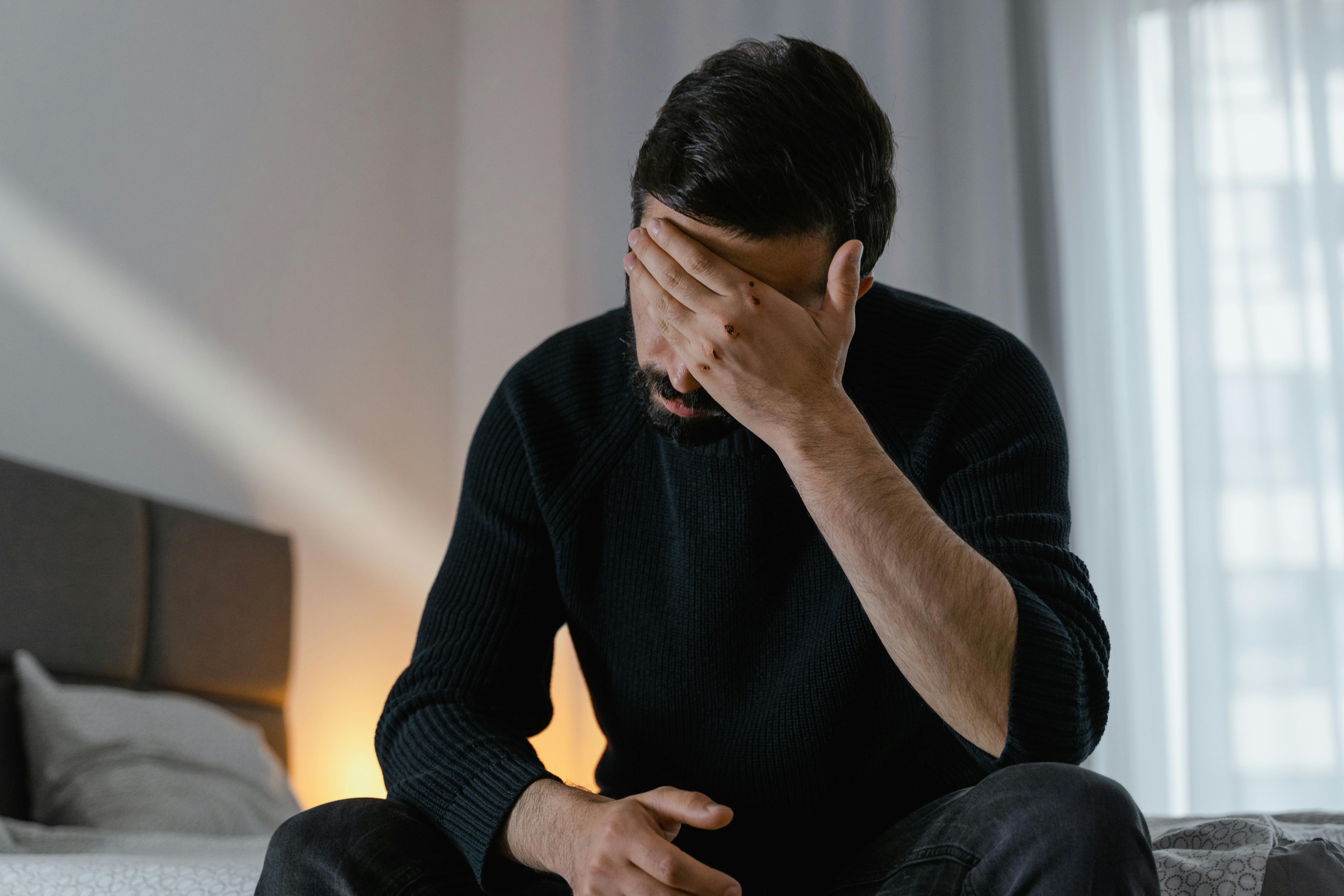
Some people try antidepressants, therapy, and other treatments for depression and still do not experience enough relief from their symptoms. This is known as treatment-resistant depression (TRD), and it is more common than many people realize.
Not responding to the first treatment can be discouraging, but it does not mean you have run out of options.
This article explains what TRD is, why some people do not respond to standard depression treatments, and the evidence-based options that may help when symptoms persist.
Key Takeaways
It is common. Research suggests that about 1 in every 3 adults with depression may not get full relief from standard antidepressants alone, so treatment resistance is not a personal failure.
It has a widely accepted definition. Depression is generally considered treatment-resistant when symptoms do not improve after at least two adequate antidepressant trials at the appropriate dose and duration.
Additional evidence-based treatments are available. Options may include switching or combining medications, adding therapy, brain stimulation treatments, or esketamine.
What Is Treatment-Resistant Depression?
Treatment-resistant depression (TRD) is a term used when depression does not improve enough after trying standard treatments. Many experts define it as not reaching remission, meaning becoming nearly symptom-free, after at least two different antidepressants taken at an appropriate dose for long enough to work.
In clinical settings, healthcare providers often look for remission, which means symptoms have become minimal or nearly absent. An adequate medication trial typically means taking a medication as prescribed for about 6 to 8 weeks per medication. However, the timelines can vary depending on the medication, symptom severity, and treatment goals.
Sometimes depression may seem resistant for several reasons. Such as when a medication was not taken long enough, the dose was too low, side effects made it difficult to continue, or another health condition could be getting in the way.
TRD is not a separate diagnosis. Instead, it is a way of describing depression that may require a different treatment approach. Importantly, having TRD doesn’t mean recovery is out of reach. Many people experience meaningful improvement after changes are made to their treatment plan.
How Common Is Treatment-Resistant Depression?
It is common for people with depression to need more than one treatment before they find meaningful relief. While antidepressants help many people, they do not work the same way for everyone.
The large national STAR*D study, one of the most influential studies of depression treatment, found that about half of people did not become symptom-free with their first medication. Instead, they needed additional treatment steps before finding an approach that worked for them.
Research suggests that about 1 in 3 people with major depressive disorder may not respond well to standard antidepressants alone. These numbers serve as a reminder that trying different approaches before finding the one that works for you can be a normal part of treatment for many people.
Why Some People Do Not Respond to Depression Treatment
There can be several reasons why depression does not improve with treatment. In many cases, it can come down to several factors, including:
Treatment itself: Low dose, not taking medication for long enough, or side effects may make it difficult to stay on the medication consistently.
Mental health conditions: Mental health conditions such as bipolar disorder, anxiety disorders, or PTSD can overlap with depression and may require a different treatment approach.
Other physical health issues: Thyroid disease, chronic pain, or sleep disorders can also affect mood and make depression harder to treat.
Lifestyle factors: Sleep problems, alcohol or substance use, or ongoing stress can all make it more difficult for symptoms to improve.
Identifying these factors is an important part of care. Once a provider understands what may be contributing to ongoing symptoms, they can adjust the plan in a more targeted way.
Treatment Options That Can Help Treat Depressions
When depression does not improve with an initial treatment, it doesn’t mean you have reached the end of the road. Providers have several evidence-based options they can consider, and many people find relief once appropriate adjustments are made to their plans.
The right approach depends on your symptoms, treatment history, medical conditions, and personal health goals. Here are some of the options your healthcare provider may consider:
Adjusting or Switching Medications
One of the most common next steps is changing the medication strategy.
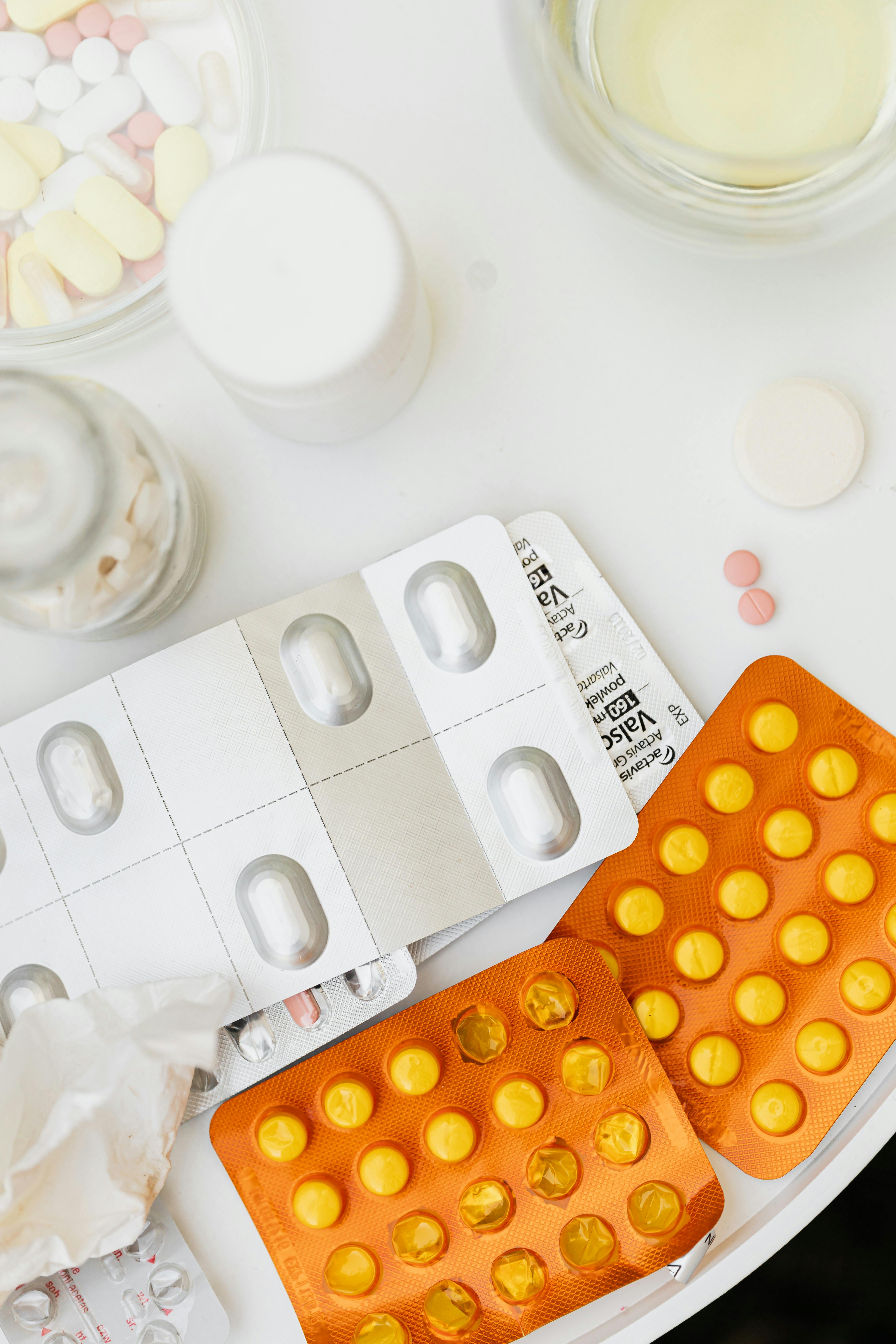
This might mean switching to a different antidepressant or adding a second medication that works in a different way. Some plans may add a medication from another class, such as a mood stabilizer or an atypical antipsychotic. These medications are sometimes used alongside antidepressants to enhance their effectiveness.
Medication changes should always be made under medical supervision. This is because stopping or changing medications too quickly can lead to side effects or withdrawal-like symptoms.
Adding Therapy
If therapy is not already part of treatment, it is often an important next step.
Talk therapy often works well when combined with medication. Cognitive behavioral therapy (CBT) and other evidence-based approaches can help people identify and change unhelpful thought patterns,build coping skills, and address ongoing stress. For many people, combining therapy with medication is often more effective than relying on either treatment alone.
Brain Stimulation Treatments
For depression that does not improve with medication and therapy, brain stimulation treatments may be worth considering.
Transcranial magnetic stimulation (TMS) is a noninvasive treatment that uses gentle magnetic pulses to stimulate areas of the brain involved in mood. It does not require anesthesia and is typically performed in an outpatient setting.
Electroconvulsive therapy (ECT) is performed under anesthesia and uses brief, controlled electrical pulses to produce therapeutic changes in brain activity. Although ECT is sometimes misunderstood, it remains one of the most effective treatments for severe depression. The National Institute of Mental Health suggests that these therapies are used when symptoms are severe or other treatments have not helped.
Esketamine
Esketamine is a prescription nasal spray approved by the U.S. Food and Drug Administration (FDA) for treatment-resistant depression in adults. It works differently from typical antidepressants and may ease symptoms quickly for some people.
Because esketamine can cause temporary side effects such as dizziness or dissociation, it must be administered in a certified healthcare setting where patients are monitored after each dose.
Lifestyle and Whole-Person Support
Medication and therapy are important, but they are only part of the picture. Sleep, physical activity, nutrition, stress levels, and overall physical health can all influence how depression responds to treatment.
Addressing health conditions that commonly occur alongside depression, such as thyroid problems, chronic pain, or a sleep disorder, may also improve treatment outcomes.
Typically, an effective treatment plan involves looking at the person as a whole and not just treating the symptoms.
When to Reach Out for Help
It may be time to seek additional support if depression continues to interfere with your daily life despite treatment. Consider talking to a healthcare provider if:
Your symptoms have not improved after two or more medication trials
Depression is affecting your work, relationships, or ability to care for yourself
You are relying on alcohol or other substances to cope with symptoms
You notice thoughts of harming yourself or feel hopeless
Finding the Right Care
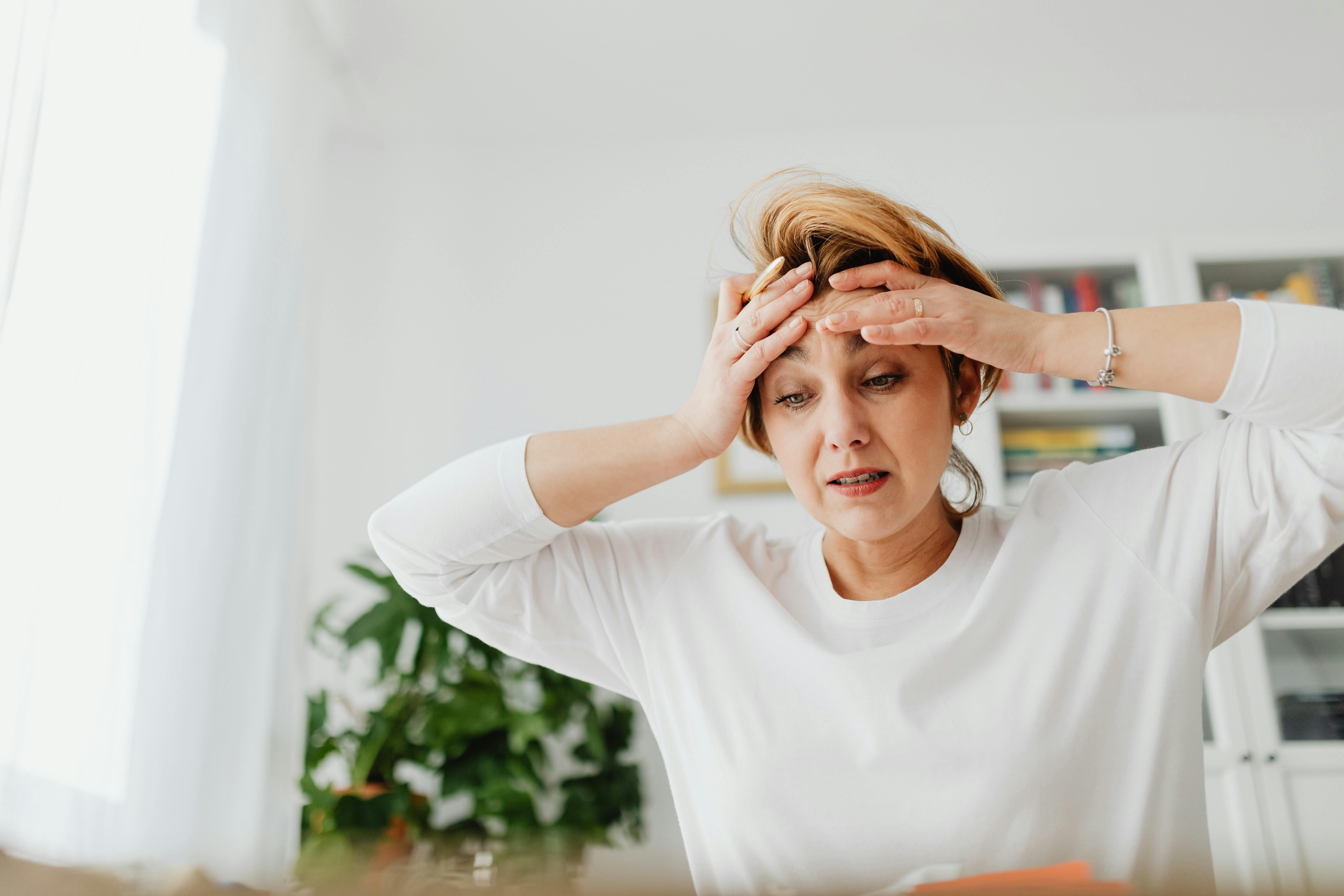
Living with depression that has not improved can feel frustrating and discouraging. When symptoms persist, it is easy to wonder whether anything else will help. However, treatment-resistant depression does not mean that recovery is impossible.
In many cases, the next step is not simply trying another medication. A thorough review of your treatment history can help identify hindering factors, such as an underlying health condition, an incorrect diagnosis, medication side effects, or treatment approaches that have not yet been explored.
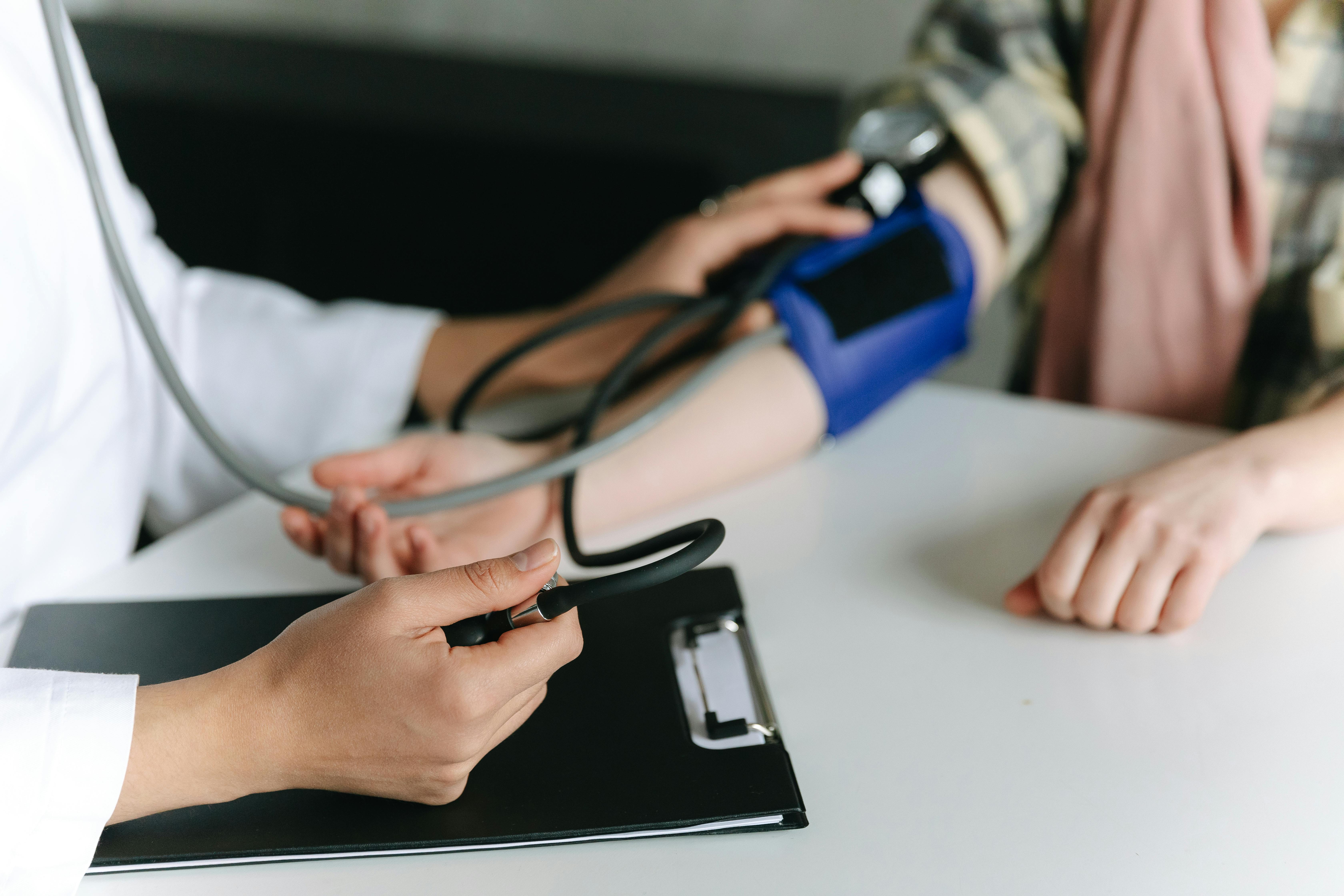
If previous treatments have not provided enough relief, a licensed psychiatric provider at Blossom Health can review your history, discuss evidence-based treatment options, and help you build a personalized treatment plan through virtual visits covered by in-network insurance.
Medical Disclaimer
This article is for educational purposes only and does not constitute medical advice. The information provided should not replace consultation with a qualified healthcare provider. Individual responses to medications can vary significantly, and what applies to one person may not be the same for another.
Always consult with your doctor or pharmacist before making any decisions about medication changes, discontinuation, or interactions with other substances. If you’re experiencing concerning symptoms or side effects, please seek professional help from a healthcare provider.
In case of a medical emergency, contact your local emergency services immediately or call 911. For mental health emergencies, contact the National Suicide Prevention Lifeline at 988.
Sources
National Institute of Mental Health. (January, 2006). Questions and Answers About the STAR*D Study. https://www.nimh.nih.gov/funding/clinical-research/practical/stard/backgroundstudy
National Institute of Mental Health. (December, 2024). Depression. https://www.nimh.nih.gov/health/topics/depression
National Institute of Mental Health. (March, 2024). Brain Stimulation Therapies. https://www.nimh.nih.gov/health/topics/brain-stimulation-therapies/brain-stimulation-therapies
Gastaldon, C., Papola, D., Ostuzzi, G., & Barbui, C. (2019). Esketamine for treatment resistant depression: a trick of smoke and mirrors?. Epidemiology and psychiatric sciences, 29, e79. https://doi.org/10.1017/S2045796019000751
MayoClinic. (April 07, 2023). Transcranial Magentic Stimulation (TMS). https://www.mayoclinic.org/tests-procedures/transcranial-magnetic-stimulation/about/pac-20384625
American Psychiatric Association. (January, 2023). What is Electroconvulsive Therapy (ECT)?. https://www.psychiatry.org/patients-families/ect.
Cleveland Clinic. (May 16, 2023)Treatment-Resistant Depression. https://my.clevelandclinic.org/health/diseases/24991-treatment-resistant-depression
Shaker, A. A., Austin, S. F., Storebø, O. J., Schaug, J. P., Ayad, A., Sørensen, J. A., Tarp, K., Bechmann, H., & Simonsen, E. (2023). Psychiatric Treatment Conducted via Telemedicine Versus In-Person Modality in Posttraumatic Stress Disorder, Mood Disorders, and Anxiety Disorders: Systematic Review and Meta-Analysis. JMIR mental health, 10, e44790. https://doi.org/10.2196/44790