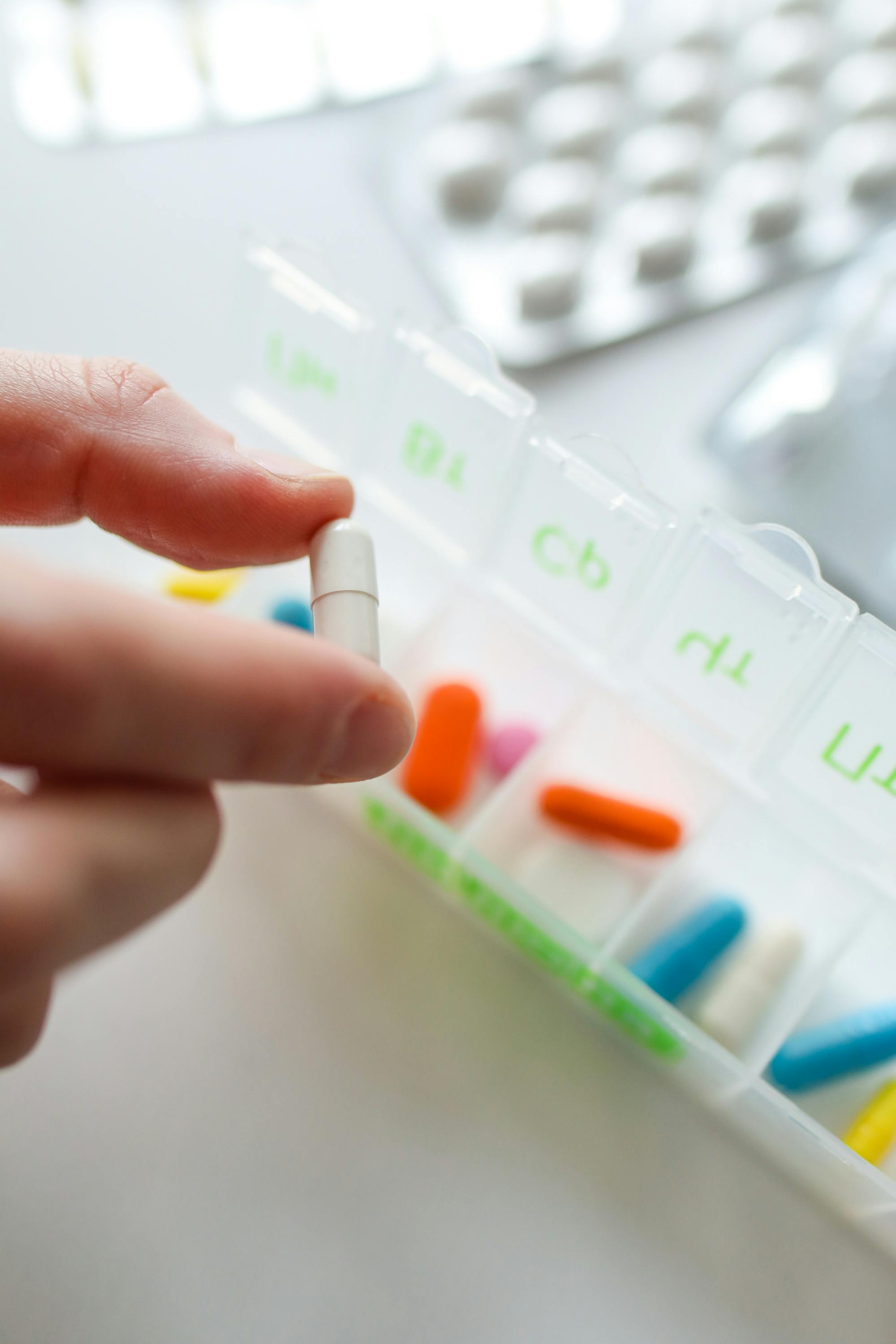
Bipolar disorder causes big shifts in mood, energy, and activity that can make daily life hard to manage. For most people, medication is the foundation of treatment, working to steady these mood swings and lower the chance of future episodes. Understanding the main types of bipolar medication can help you feel more confident as you and your provider build a treatment plan together.
Key Takeaways
Medication is the cornerstone of treatment: Many people with bipolar disorder often need medication over the long term to help prevent the highs (mania) and lows (depression) that define the condition.
Several drug classes are used: Mood stabilizers like lithium, certain anti-seizure medications like lamotrigine and valproate, and second-generation antipsychotics, including quetiapine, risperidone, and olanzapine, are the most common options, and they are often combined.
Finding the right fit takes patience: It is normal to try more than one medication or combination before finding what works for you, so regular check-ins with your provider are critical.
What is Bipolar Disorder, and How Does Medication Help?
Bipolar disorder is a lifelong mental health condition marked by episodes of mania or hypomania (very high or energized moods) and episodes of depression (very low moods). According to the National Institute of Mental Health (NIMH), medication can help control these symptoms, though many people need to try several options before finding the ones that work best.
Medications for bipolar disorder generally do two jobs. Some treat an active mood episode, such as a manic or depressive phase. Others are taken every day over the long term to keep moods stable and reduce the chance of another episode.
Your provider may use different medications for each goal, and the plan can change over time as your needs change.
It is worth knowing that bipolar disorder comes in more than one form, and the typical treatment can differ between them. Whatever the type, medication usually works best alongside steady sleep, regular routines, and support from a provider who knows your history.
In some cases, your provider may recommend therapy, especially cognitive behavioral therapy (CBT) and interpersonal and social rhythm therapy, to help recognize early warning signs of an episode and build long-term coping strategies. Therapy is often used alongside medication, not instead of it.
Types of Bipolar Medication
Treatment usually centers on a few main groups of medications. Each one works differently, and providers often combine them to achieve the best results with the fewest side effects.
Mood Stabilizers
Mood stabilizers are commonly used for long-term treatment, although individual medications may work better for preventing manic episodes, depressive episodes, or both. According to the Cleveland Clinic, this group includes lithium and several anti-seizure (anticonvulsant) medications.
Lithium is one of the oldest and most studied options. It has been FDA-approved as a mood stabilizer since 1970 and can reduce the risk of self-harm in people with bipolar disorder. Because the level of lithium in the blood needs to stay within a narrow range to be both safe and effective, your provider will order regular blood tests while you take it.
Although lithium is used to manage acute manic and manic-depressive episodes, studies indicate it is superior at preventing manic or hypomanic episodes and is therefore better suited for long-term maintenance treatment.
Anti-seizure medications were first made to treat epilepsy, but researchers found they also help steady the mood. Common examples include valproic acid (Depakote), lamotrigine (Lamictal), and carbamazepine (Tegretol). Lamotrigine is shown in clinical trials to be useful for preventing the depressive episodes of bipolar disorder, while valproic acid is often used to calm active mania.
Second-Generation Antipsychotics
Second-generation (also called atypical) antipsychotics are another key part of bipolar treatment. They can ease the symptoms of a manic episode fairly quickly and also help with bipolar depression. They may be used on their own or added to a mood stabilizer.
The Mayo Clinic lists several options taken by mouth, including quetiapine (Seroquel), aripiprazole (Abilify), olanzapine (Zyprexa), risperidone (Risperdal), lurasidone (Latuda), and cariprazine (Vraylar). Some of these are also available as long-acting injections, which can make it easier to stay on track with treatment.
Research shows this class of antipsychotics is better at treating acute manic episodes compared to lithium and anti-seizure medications. A meta-analysis published in The Lancet concluded that risperidone and olanzapine were significantly more effective than lithium, valproate, and lamotrigine for acute mania.
The study also mentions the first-generation antipsychotic medication, haloperidol, as being just as effective as risperidone and olanzapine for treating manic episodes. While it has a quicker onset of action compared to second-generation antipsychotics, it is associated with side effects such as muscle stiffness, tremors, and restlessness.
Some second-generation antipsychotics show efficacy in treating bipolar depression, which is more common and severe in bipolar 2. A systematic review and meta-analysis from 2012 showed that quetiapine and, to a lesser extent, olanzapine significantly improved depression scores in patients with bipolar depression. In fact, quetiapine and the combination of olanzapine with the SSRI antidepressant, fluoxetine (Prozac), have regulatory approval in some countries for bipolar depression.
Antidepressants
Antidepressants are used cautiously in bipolar disorder because they may increase the risk of mood switching in some people. When prescribed, they are often combined with a mood stabilizer or certain antipsychotic medications, like the olanzapine-fluoxetine combination above. Research on antidepressants in bipolar disorder is mixed, so this decision is made carefully on a case-by-case basis.
Other Medications and Add-On Treatments
Beyond the three main groups, providers sometimes use other medications to manage specific symptoms. Short-term anti-anxiety medicines or sleep aids may help during a difficult stretch, and thyroid medication is occasionally added when lab tests show a need. These are usually supporting players rather than the core of treatment.
Providers generally aim to use the simplest medication regimen that effectively manages symptoms while minimizing side effects. Over time, your provider may add or remove medications as your symptoms change, especially as you move from treating an active episode toward long-term maintenance.
Matching Medication to Mood Episodes
The right medication often depends on your bipolar diagnosis (bipolar 1 or bipolar 2) and whether you are going through an acute manic episode, hypomania, or bipolar depression. Moreover, treatment for an active episode can look different from treatment meant to keep you stable over the long term (maintenance treatment).
During a manic episode, which is typical of bipolar 1, providers may use lithium, valproic acid, or an antipsychotic to bring symptoms down. Bipolar depression, typical of bipolar 2, may be treated with medications such as lamotrigine, certain second-generation antipsychotics such as quetiapine, or other guideline-supported combinations, depending on the individual's symptoms and history.
For long-term care, the goal is a steady routine of medication that prevents new episodes. For instance, the combination of lithium and valproate appears to be effective for patients who switch between mania, hypomania, and bipolar depression episodes several times a year. Some people do well on a single medication, while others may need two or more.
If you are still learning about your diagnosis, it can help to understand the difference between bipolar 1 and bipolar 2, since the typical treatment can differ.
Side Effects and Monitoring
Like all medications, bipolar treatments can cause side effects. Many are mild and fade as your body adjusts, but some need closer watching. Your provider will help you weigh the benefits against the risks and will monitor your health over time.
Mood stabilizers can take several weeks to reach their full effect, so patience matters early on. Lithium requires regular blood tests to check both the drug level and how your kidneys and thyroid are working. Valproic acid carries a significant risk of birth defects and developmental problems when used during pregnancy. Providers generally avoid prescribing it during pregnancy and discuss reproductive planning with patients who could become pregnant.
Antipsychotics can lead to weight gain, drowsiness, and changes in blood sugar or cholesterol, which is why your provider may track these at your visits.
Monitoring is not meant to be a burden; it is how your provider keeps treatment both safe and effective over time. Early on, visits may be more frequent so the dose can be fine-tuned, then spaced out once you are stable.
Some side effects, like mild drowsiness or nausea, often fade as your body adjusts, while others may call for a change in dose or medication. Being open about what you are noticing, even small changes, helps your provider make the right adjustments.
Let your provider know right away if you notice any of the following:
New or worsening thoughts of suicide or self-harm
Signs that a manic or depressive episode may be returning
Bothersome side effects, such as severe drowsiness, tremor, or rapid weight change
Beyond Medication: Therapy and Daily Habits
Medication is the foundation of bipolar treatment, but it works best as part of a wider plan. Therapy and steady daily routines can make a real difference in how well you feel and how often episodes return.
Talk therapy can help in several ways. It can teach you to spot the early warning signs of a mood shift, build coping skills for stressful periods, and stick with your treatment plan. Approaches like CBT, interpersonal and social rhythm therapy (IPSRT), and routines that steady your daily schedule are often used alongside medication for bipolar disorder.
CBT with a focus on insomnia can be helpful for bipolar depression. IPSRT focuses on relationships as well as maintaining consistent daily routines. When combined with medication, it may help reduce stress, improve relationship functioning, and support mood stability.
Daily habits matter too. Regular sleep is especially important, since too little sleep can sometimes trigger a manic episode. Limiting alcohol and other substances, staying connected to supportive people, and keeping a consistent routine for meals and activity can all help keep moods steady.
Healthy routines and therapy are important parts of treatment, but for many people, they work best when combined with appropriate medical care.
Finding the Right Medication Takes Time
It is common to adjust medications more than once before finding the best fit, and this is a normal part of treatment rather than a sign of failure. Never stop a bipolar medication on your own, even when you feel well, because stopping suddenly can bring symptoms back or cause withdrawal effects. If something is not working, your provider can change the dose or try a different option. Many people also benefit from pairing medication with therapy and steady routines for sleep, activity, and stress.
How Blossom Can Help
Living with bipolar disorder can feel overwhelming, especially when you're trying to understand your symptoms, find the right treatment, and manage day-to-day challenges. Blossom Health connects you with licensed psychiatric providers who can help evaluate your symptoms, explain your diagnosis, and create a personalized treatment plan based on your needs. Through virtual appointments covered by in-network insurance, you can receive ongoing medication management and support as your treatment evolves.
With the right combination of professional care, medication when appropriate, therapy, and healthy routines, many people with bipolar disorder are able to manage their symptoms and lead fulfilling lives.
Medical Disclaimer
This article is for informational purposes only and is not a substitute for professional medical advice. Always seek the advice of your physician or other qualified healthcare provider with any questions you may have regarding a medical condition or medication. If you are experiencing a mental health crisis, contact the 988 Suicide and Crisis Lifeline by calling or texting 988.
Sources
National Institute of Mental Health. (2025). Bipolar disorder (NIH Publication No. 25-MH-8088). U.S. Department of Health and Human Services, National Institutes of Health. https://www.nimh.nih.gov/health/publications/bipolar-disorder
Cleveland Clinic. (2024, June 18). Mood stabilizers: What they are, how they work & side effects. Cleveland Clinic. https://my.clevelandclinic.org/health/articles/mood-stabilizers
Chokhawala KP, Lee S, Saadabadi A. Lithium. [Updated 2024 Jan 14]. In: StatPearls [Internet]. Treasure Island (FL): StatPearls Publishing; 2026 Jan-. Available from: https://www.ncbi.nlm.nih.gov/books/NBK519062/
Hayes, J.F., Pitman, A., Marston, L., et al. (2016). Self-harm, Unintentional Injury, and Suicide in Bipolar Disorder During Maintenance Mood Stabilizer Treatment: A UK Population-Based Electronic Health Records Study. JAMA Psychiatry, 73(6):630–637.
Calabrese, J. R., Yatham, L. N., Bowden, C. L., et al. (2003). A placebo-controlled 18-month trial of lamotrigine and lithium maintenance treatment in recently depressed patients with bipolar I disorder. Journal of Clinical Psychiatry, 64(9), 1013–1024. https://www.psychiatrist.com/jcp/placebo-controlled-month-trial-lamotrigine-lithium/
Mayo Clinic Staff. (2026, May 8). Bipolar disorder: Diagnosis & treatment. Mayo Clinic. https://www.mayoclinic.org/diseases-conditions/bipolar-disorder/expert-answers/bipolar-treatment/faq-20058042
Cipriani, A., Barbui, C., Salanti, G., Rendell, J., Brown, R., Stockton, S., Purgato, M., Spineli, L. M., Goodwin, G. M., & Geddes, J. R. (2011). Comparative efficacy and acceptability of antimanic drugs in acute mania: a multiple-treatments meta-analysis. Lancet (London, England), 378(9799), 1306–1315. https://pubmed.ncbi.nlm.nih.gov/21851976/
De Fruyt, J., Deschepper, E., Audenaert, K., Constant, E., et al. (2012). Second generation antipsychotics in the treatment of bipolar depression: a systematic review and meta-analysis. Journal of psychopharmacology (Oxford, England), 26(5), 603–617. https://pubmed.ncbi.nlm.nih.gov/21940761/
Geddes, J. R., & Miklowitz, D. J. (2013). Treatment of bipolar disorder. Lancet (London, England), 381(9878), 1672–1682. https://pmc.ncbi.nlm.nih.gov/articles/PMC3876031
Freeman, M. P., & Stoll, A. L. (1998). Mood stabilizer combinations: A review of safety and efficacy. American Journal of Psychiatry, 155(1), 12–21. https://psychiatryonline.org/doi/10.1176/ajp.155.1.12
National Institute of Mental Health. (n.d.). Mental health medications. U.S. Department of Health and Human Services, National Institutes of Health. https://www.nimh.nih.gov/health/topics/mental-health-medications
Carli, M., Weiss, F., Grenno, G., Ponzini, S., et al. (2023). Pharmacological Strategies for Bipolar Disorders in Acute Phases and Chronic Management with a Special Focus on Lithium, Valproic Acid, and Atypical Antipsychotics. Current neuropharmacology, 21(4), 935–950. https://pmc.ncbi.nlm.nih.gov/articles/PMC10227916/
Kishi, T., Ikuta, T., Matsuda, Y., et al. (2021). Mood stabilizers and/or antipsychotics for bipolar disorder in the maintenance phase: a systematic review and network meta-analysis of randomized controlled trials. Molecular psychiatry, 26(8), 4146–4157. https://pmc.ncbi.nlm.nih.gov/articles/PMC8550938/