Morning Anxiety: Why You Wake Up Feeling Anxious and What Can Help
Author:
Blossom Editorial

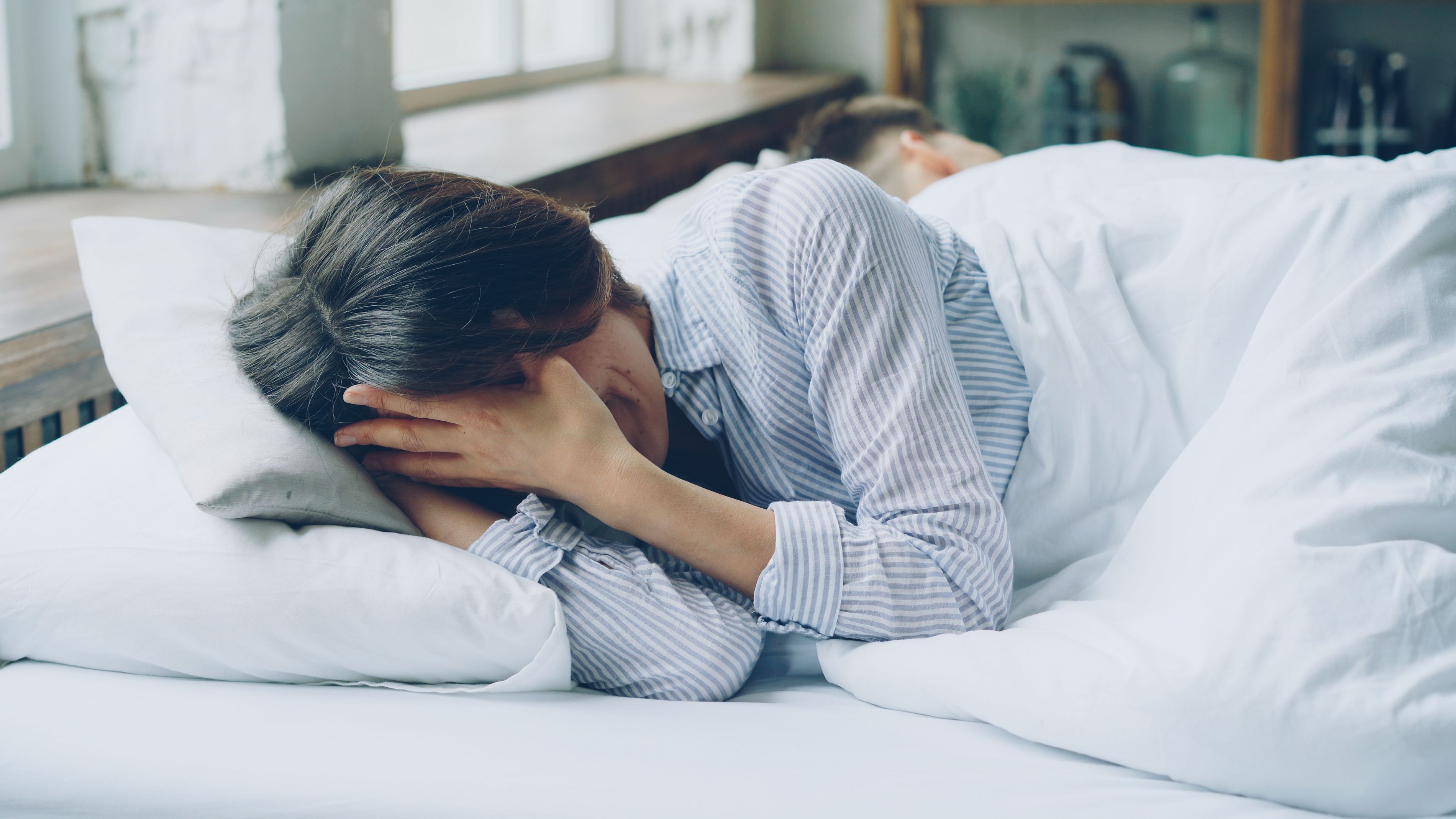

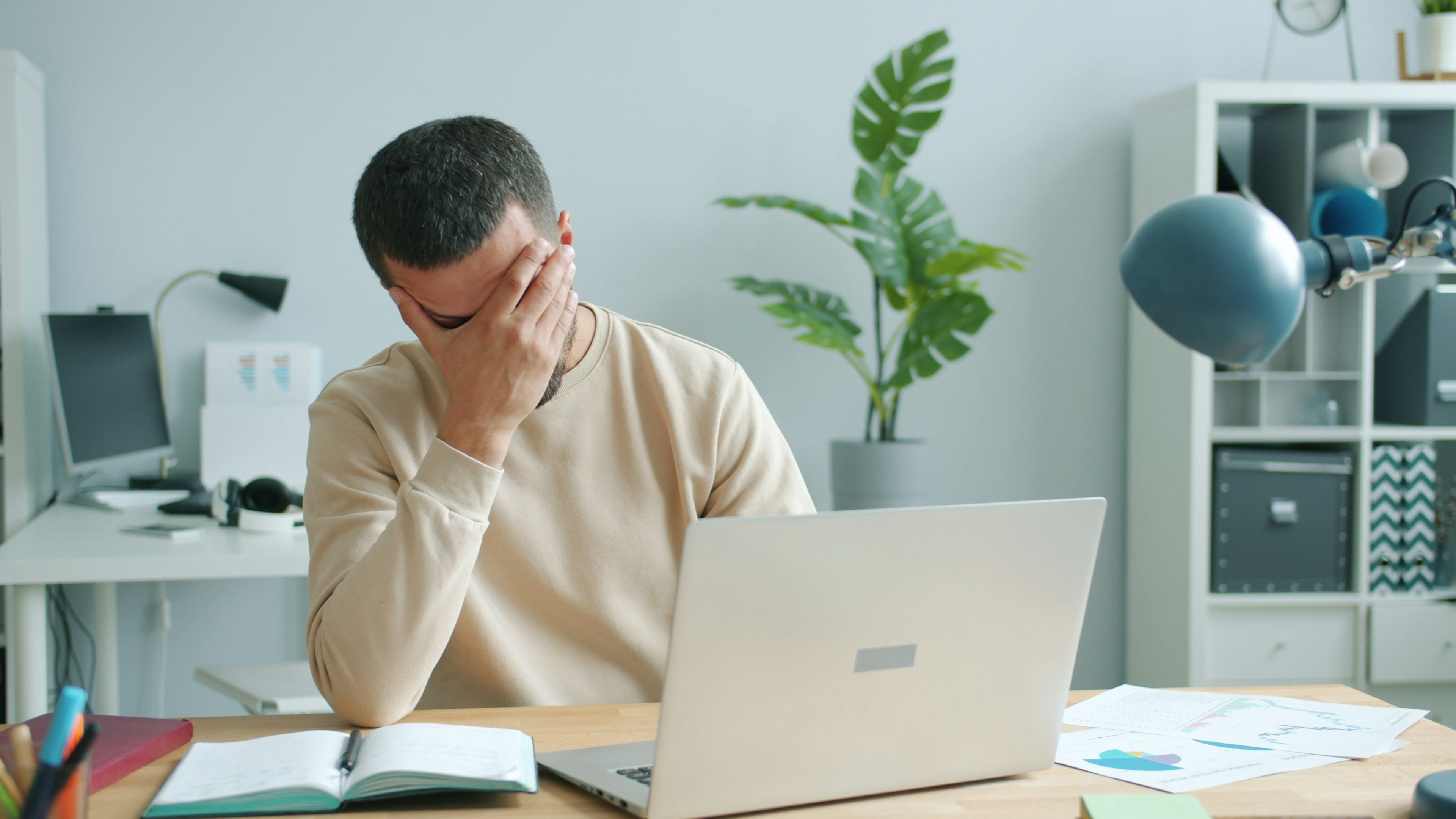
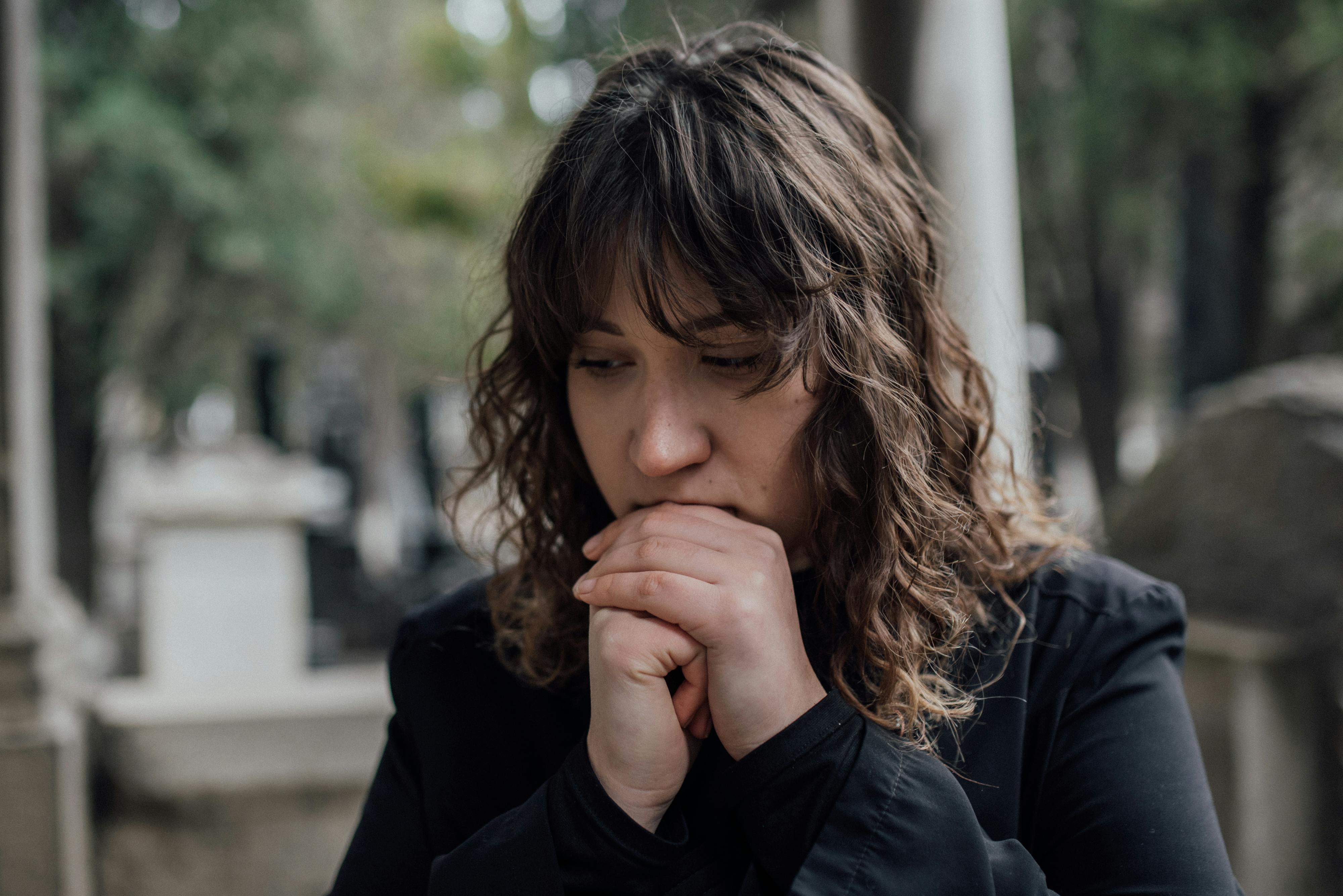
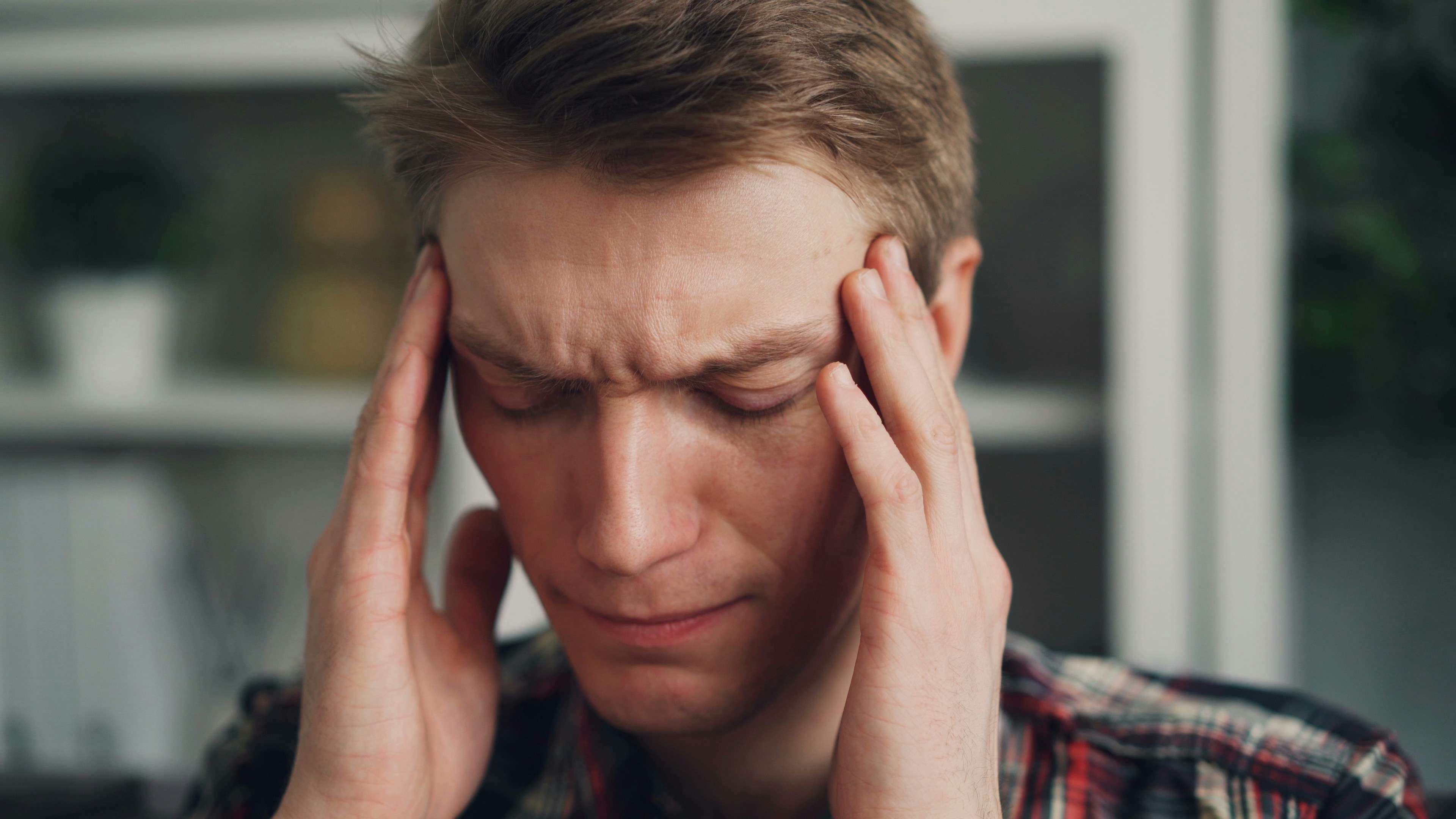
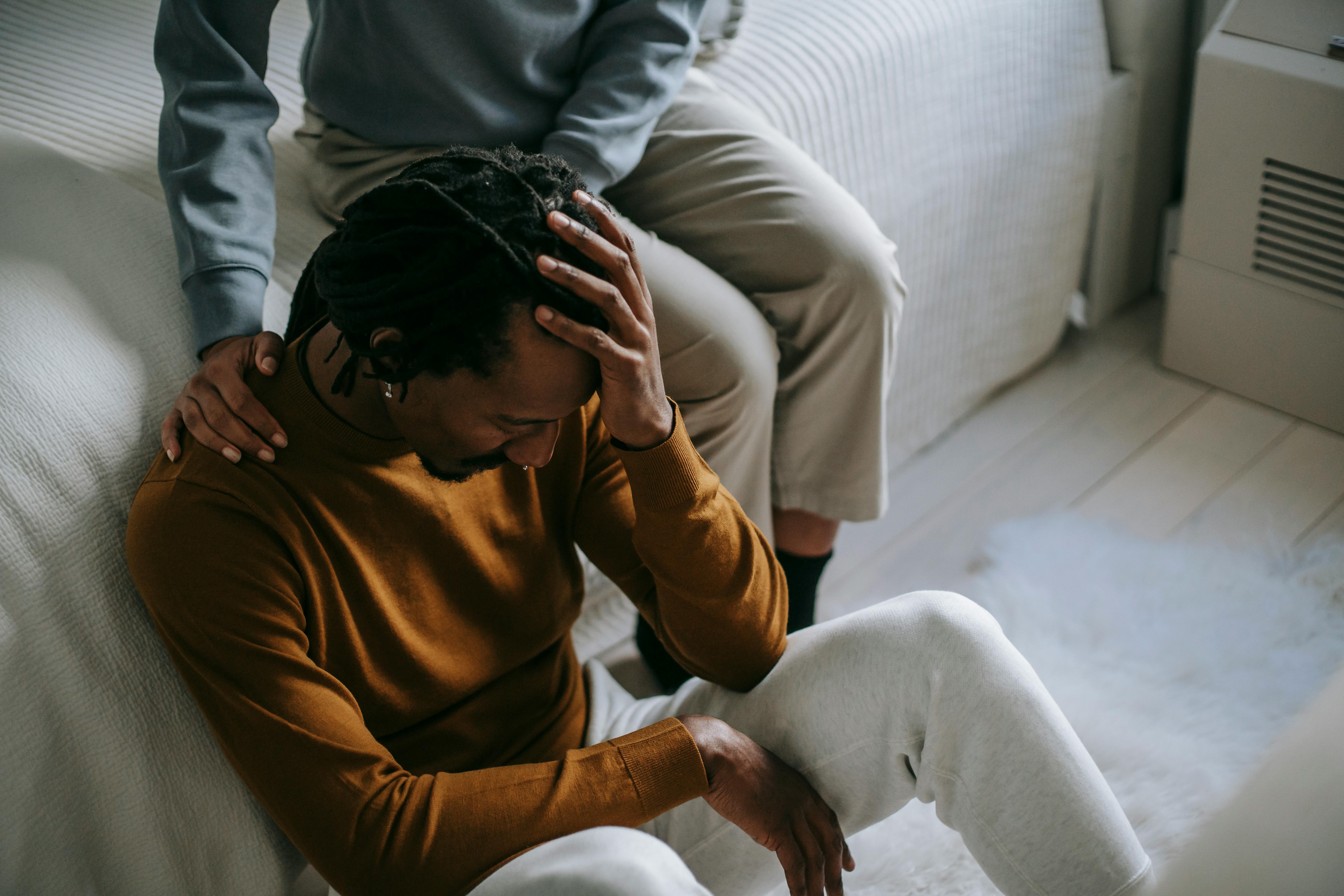
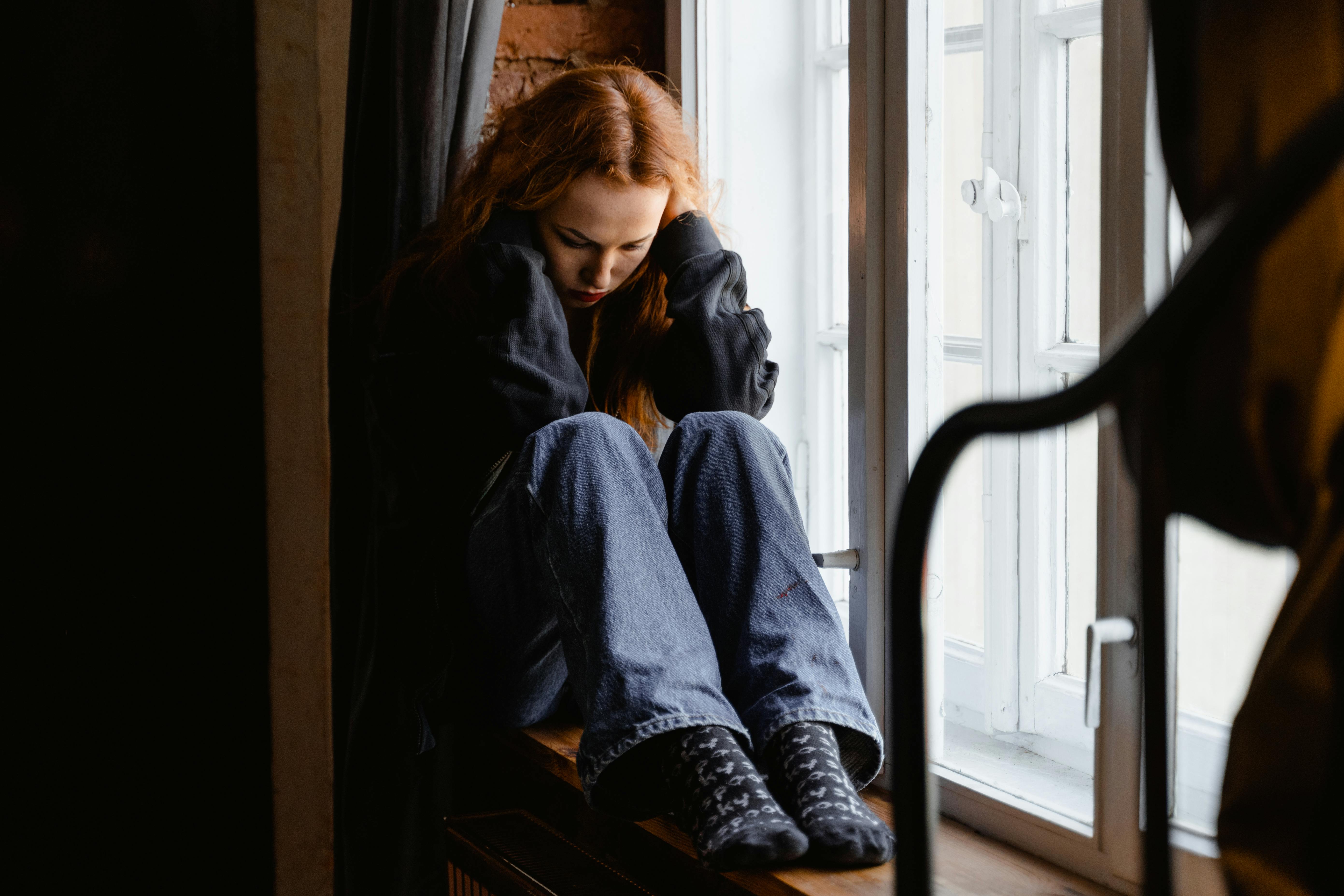
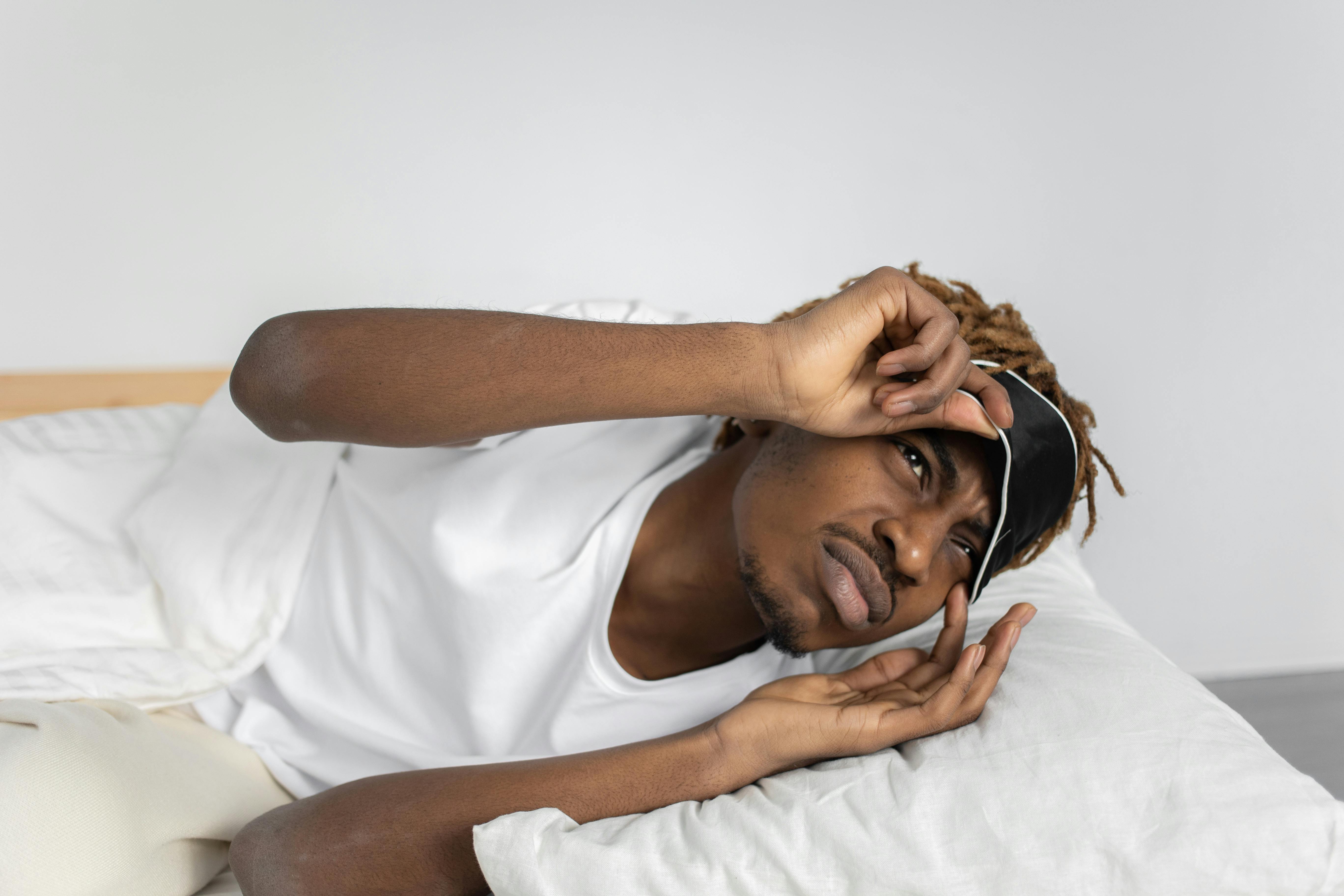
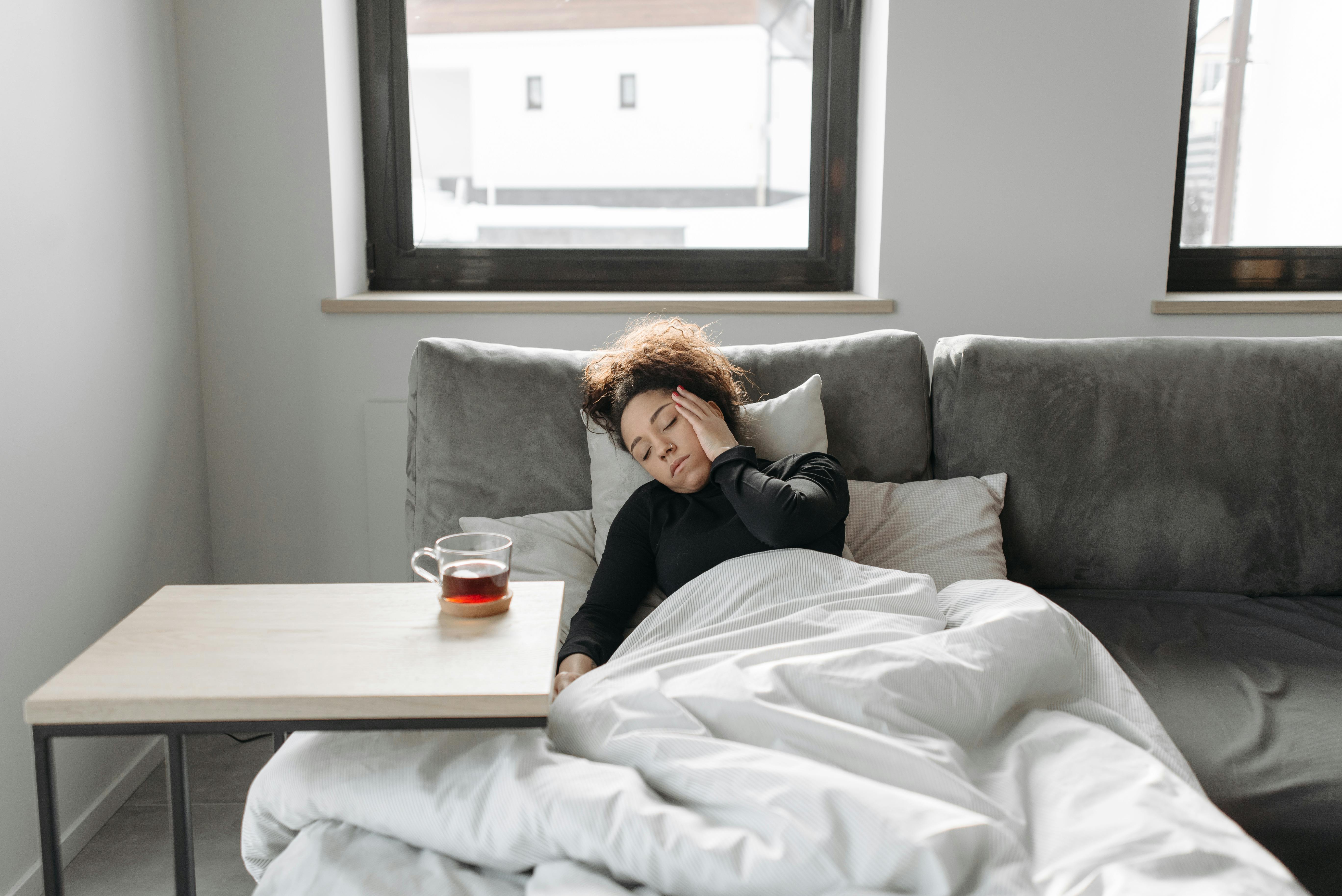
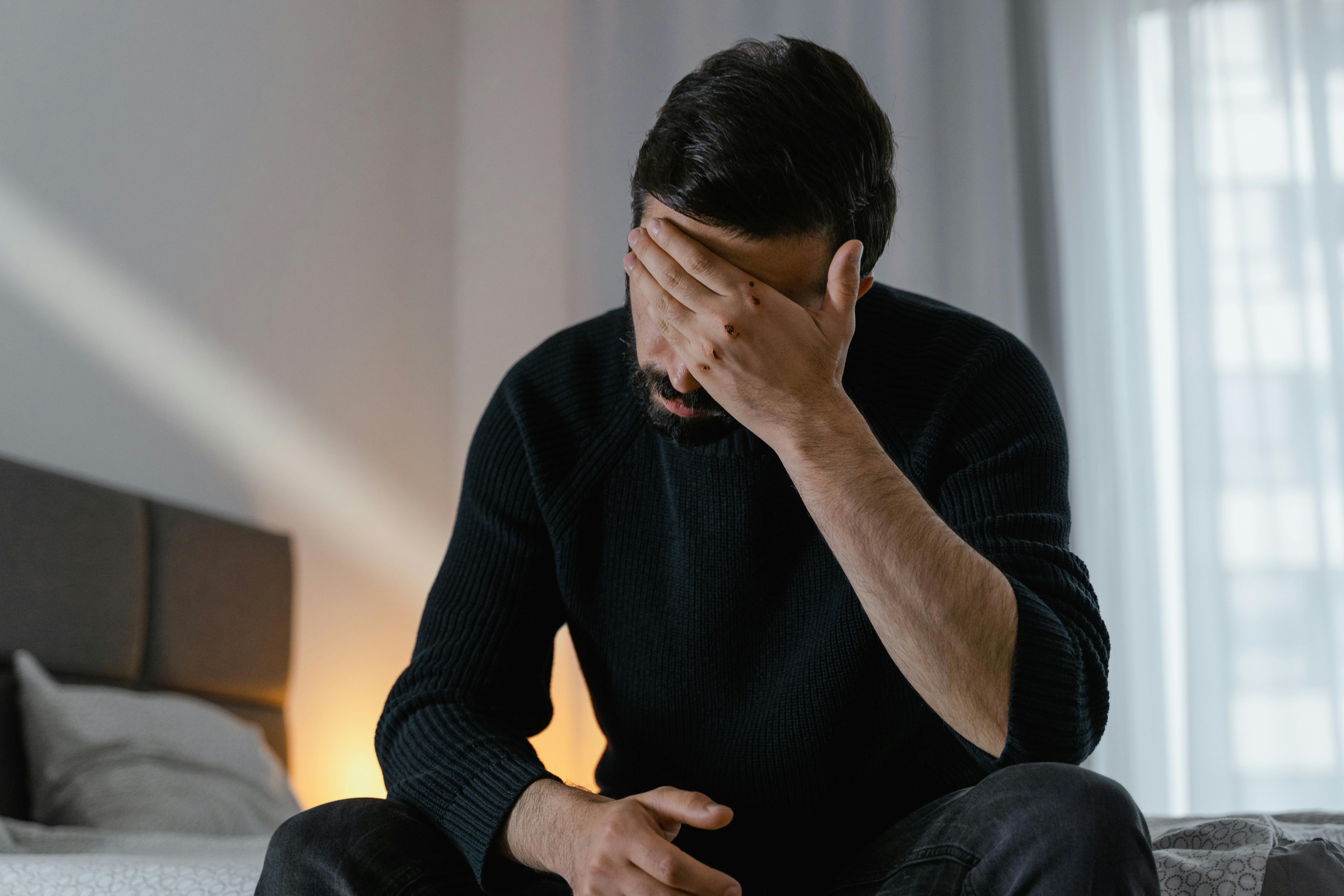
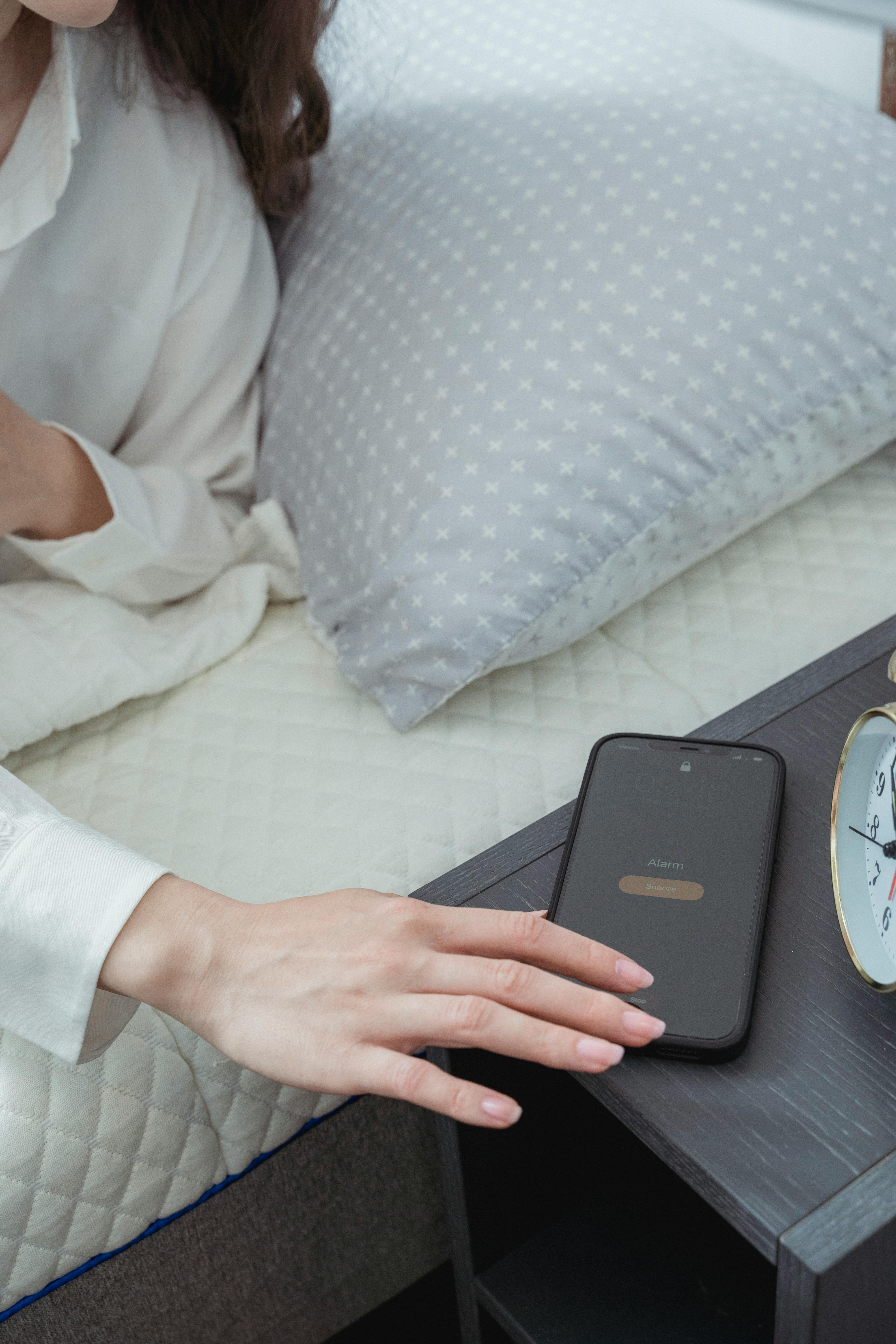
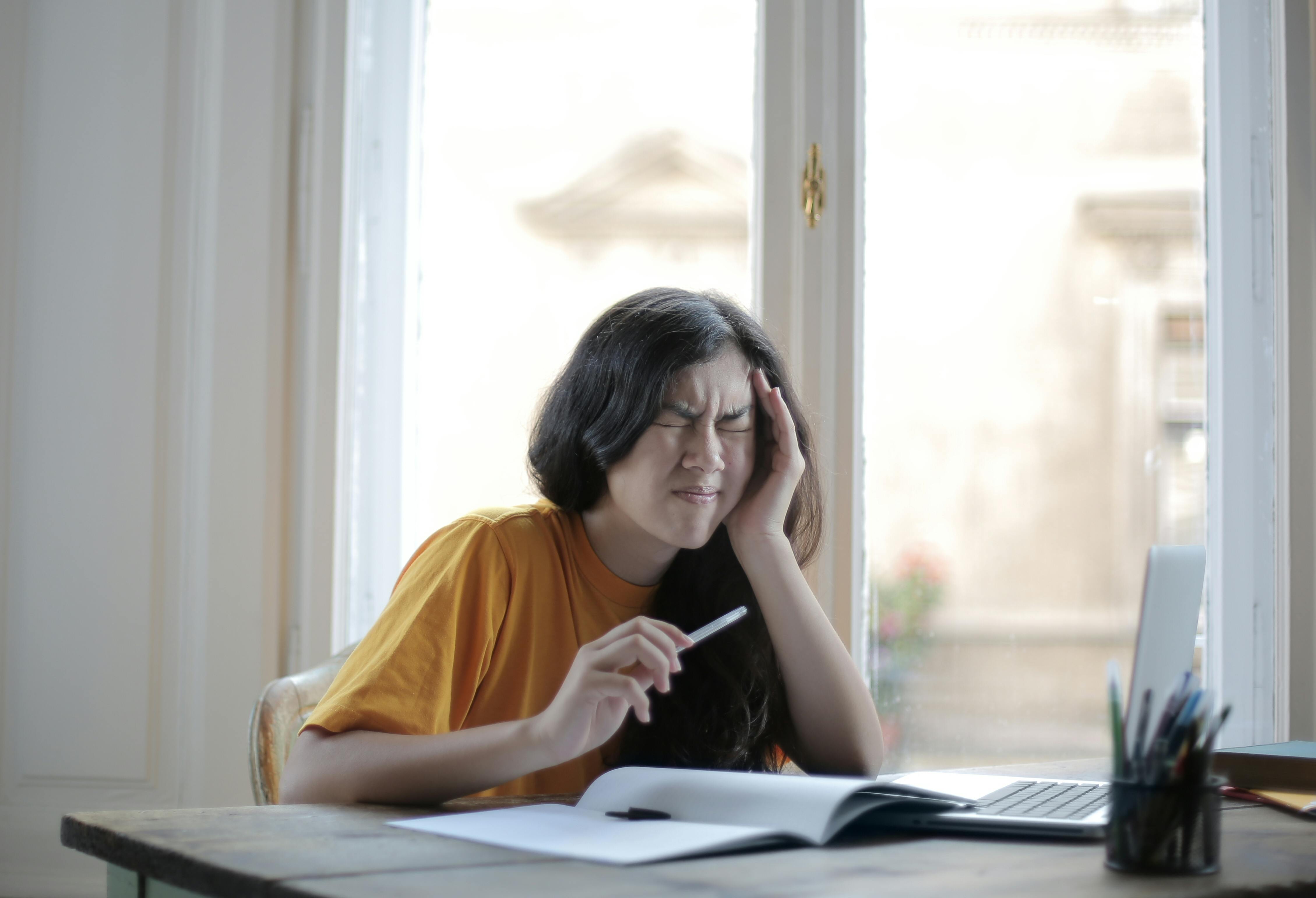
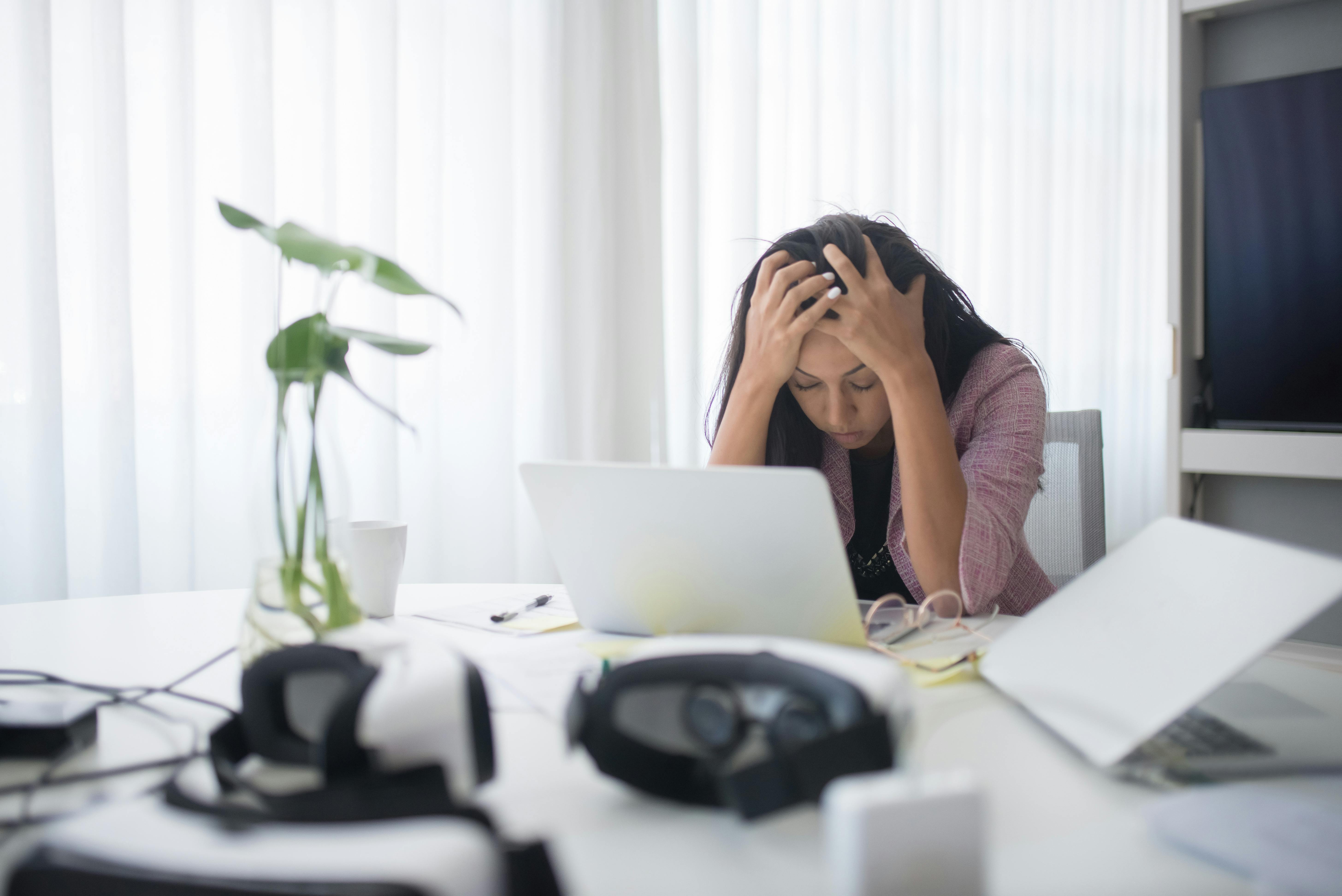
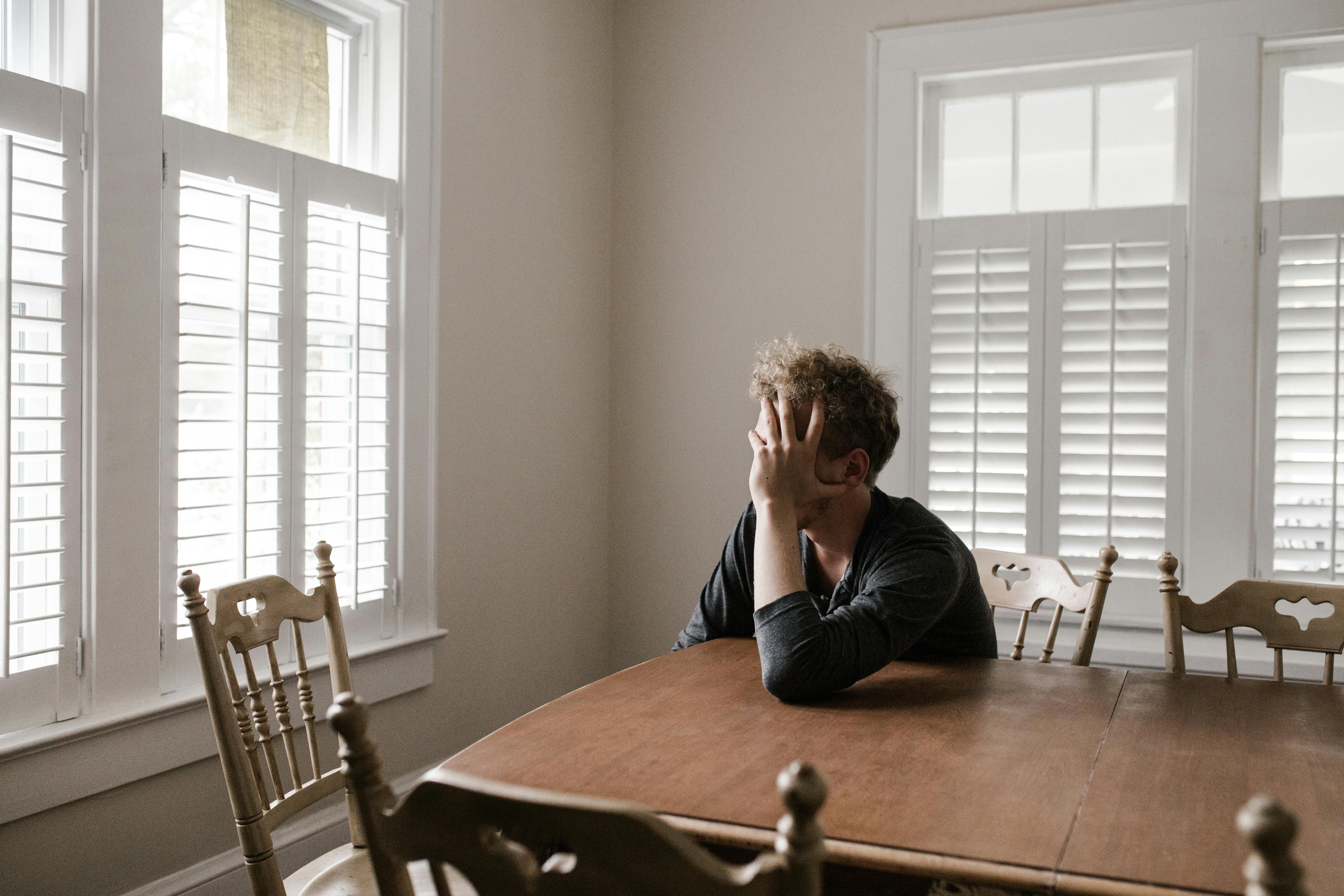
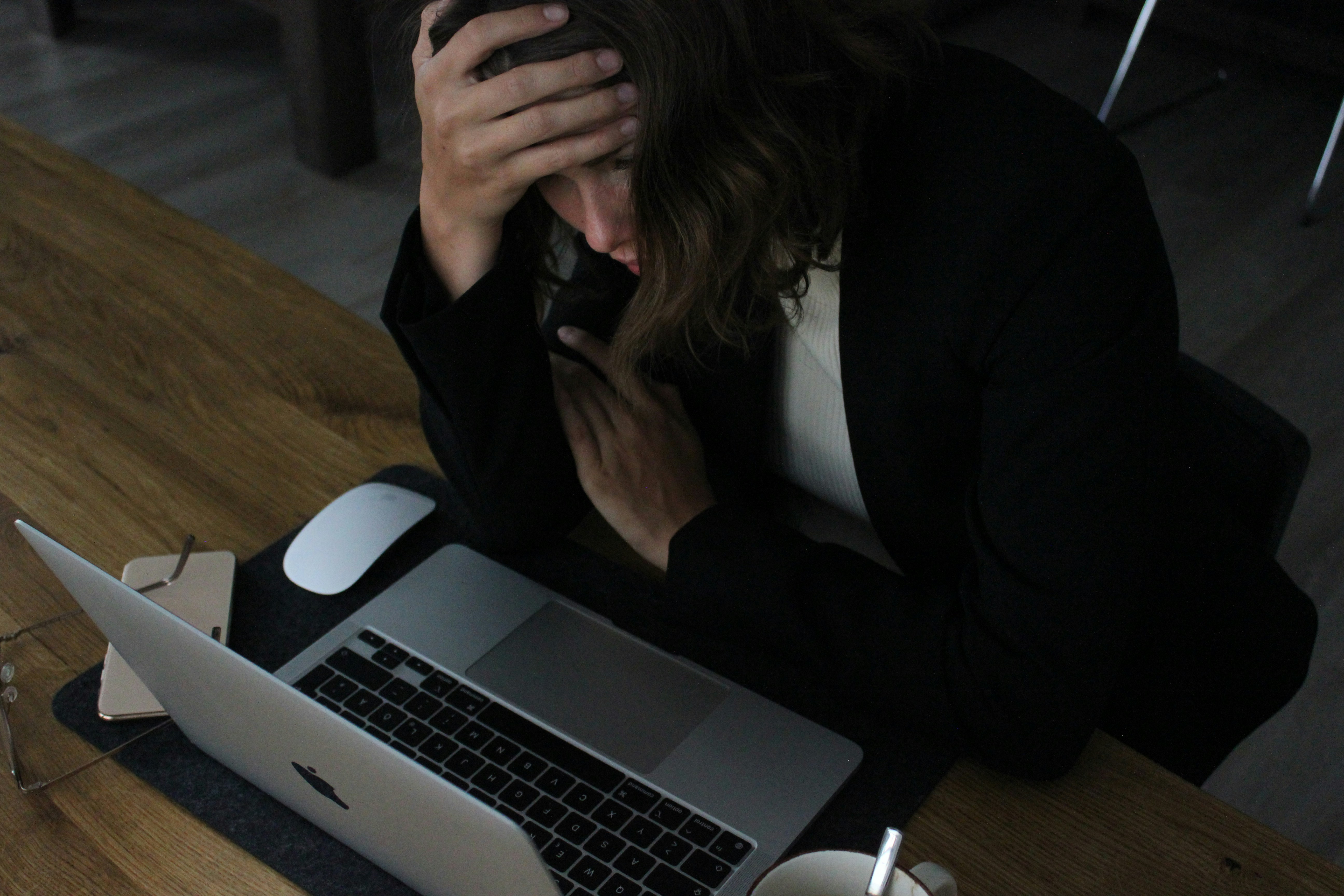
Waking up already anxious, before you have looked at your phone, or before anything has objectively gone wrong, can feel deeply disorienting. The day has barely started, yet your heart may already be pounding and your mind racing through everything that could go wrong. For some people, even getting out of bed can feel unusually heavy or overwhelming.
Morning anxiety is not a separate mental health diagnosis, but it is a well-recognized and physiologically explainable pattern of anxiety symptoms. For many people, it becomes one of the most consistent and distressing parts of the day.. This guide explains what morning anxiety is, why it happens, what symptoms it can cause, and which treatments and strategies may help.
Key Takeaways
Morning anxiety is closely linked to the cortisol awakening response. It is a natural rise in stress hormones that occurs within the first 30–45 minutes after waking. In people living with anxiety disorders or chronic stress, this response may feel more intense and contribute to physical anxiety symptoms early in the day.
Anticipatory worry, disrupted REM sleep, and an already-sensitized stress response system can work together to make mornings particularly difficult. Over time, this cycle may reinforce itself if the underlying anxiety is not addressed.
Morning anxiety is treatable. Behavioral strategies, therapy, improved sleep habits, and medications like SSRIs or SNRIs can all help reduce symptoms for many people.
What Is Morning Anxiety?
Morning anxiety refers to anxiety symptoms that are most intense during the first hour after waking. Symptoms can include:
A racing heart
Chest tightness
Nausea
Racing or catastrophizing thoughts
A persistent sense of dread without an obvious cause
For some people, these symptoms may ease as the day goes on. For others, morning anxiety can shape the emotional tone for the entire day.
It is important to distinguish morning anxiety from temporary stress or pre-event jitteriness. Morning anxiety is typically more persistent and less tied to a specific situation. Many people experience it regularly, even on days where there is no obvious reason to feel anxious.
According to the National Institute of Mental Health, anxiety disorders affect tens of millions of adults in the U.S. Morning anxiety is especially common among people living with Generalized Anxiety Disorder (GAD), panic disorder, and depression with anxiety symptoms.
What Causes Morning Anxiety?
Several biological and psychological factors can combine to make mornings the most anxious time of day for some people.
The Cortisol Awakening Response
Cortisol is one of the body's primary stress hormones, and its levels naturally rise and fall throughout the day.
During the first 30–45 minutes after waking, cortisol levels increase in what researchers call the cortisol awakening response (CAR). This is a normal biological process that helps mobilize energy and prepare the body for the day ahead.
Research by Wüst and colleagues found that this cortisol awakening response may be more pronounced in people living with chronic stress, anxiety disorders, and depression.This can lead to a stronger morning cortisol spike and more noticeable physical anxiety symptoms after waking.
A separate study by Lovallo and colleagues in Psychosomatic Medicine found that anticipated stress can amplify cortisol responses even further. In practical terms, waking up already dreading the day may intensify the body’s stress response even before the day begins.
Anticipatory Anxiety and the Resting Mind
In the early moments after waking, the brain is alert but not yet focused on daily tasks or distractions.
For people who are prone to anxiety, this unoccupied mental space can quickly fill with anticipatory worry. This includes replaying difficult conversations, imagining worst-case scenarios, or mentally listing everything that could go wrong.
These thought patterns can rapidly increase the physical arousal already triggered by the morning cortisol response. This, in turn, can make anxiety feel even more intense.
The Role of Sleep and REM Disruption
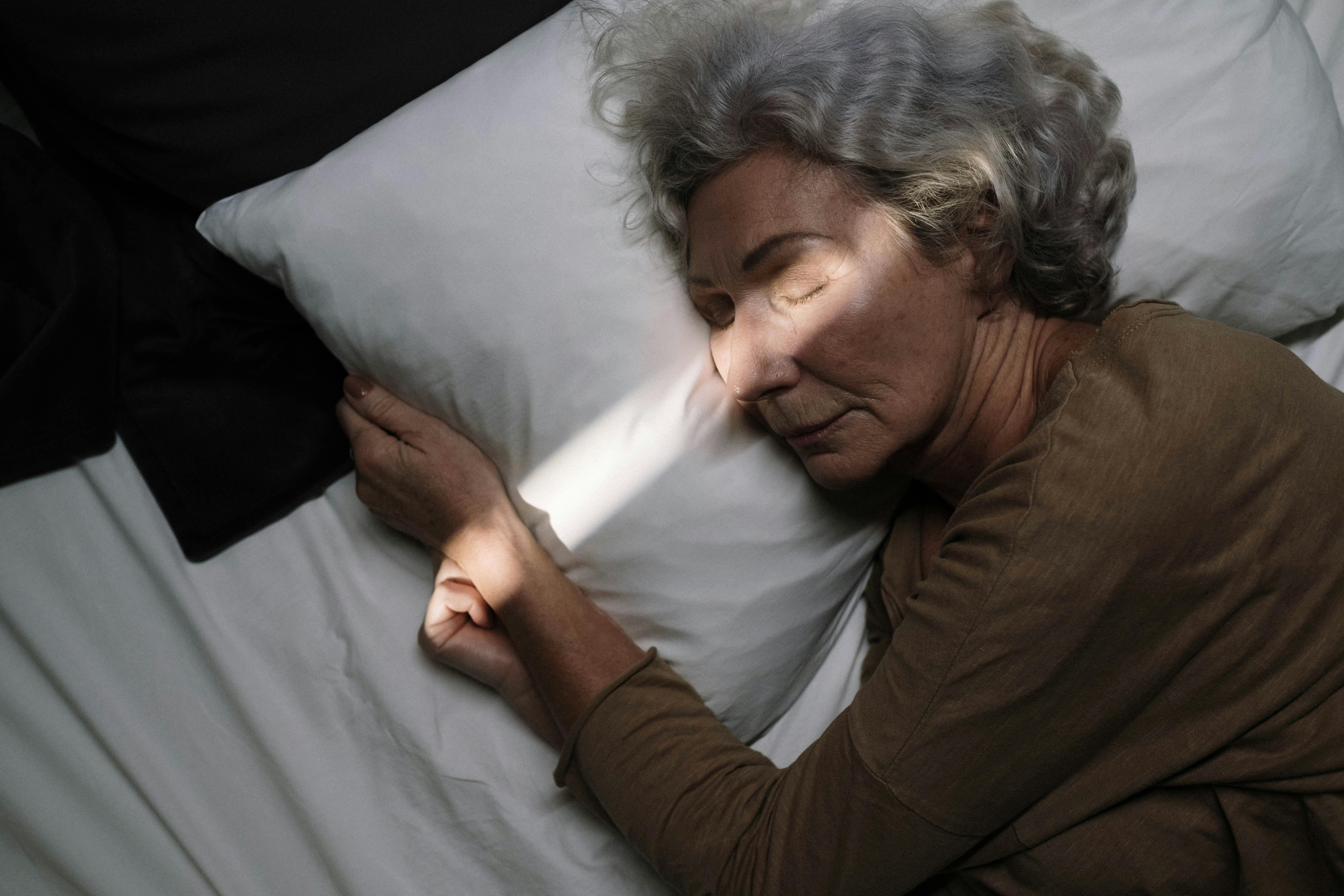
Sleep quality can have a direct effect on morning anxiety. REM sleep, typically associated with dreaming, plays an important role in emotional processing and regulation.
A study published in the Annals of the New York Academy of Sciences found that REM sleep may help reduce the emotional intensity of distressing memories. It can also help recalibrate the brain's threat-response overnight. When REM is disrupted, the emotional processing may not happen as effectively, leaving the brain more reactive after waking. This is often common in people living with anxiety disorders.
Another study published in Neurologic Clinics also found that anxiety disorders can significantly disrupt normal sleep patterns. This can create a reinforcing cycle: anxiety disrupts sleep, and poor sleep can worsen anxiety, including morning anxiety.
Underlying Anxiety or Mood Disorders
For people with GAD, panic disorder, PTSD, or depression with symptoms of anxiety, morning anxiety is often part of the underlying condition.
The conditions can keep the body’s stress response more active overall, which may make the normal morning cortisol surge more intense. And anxious thought patterns often become more active during the quiet, unstructured moments after waking.
Morning Anxiety Symptoms: What Does It Feel Like?
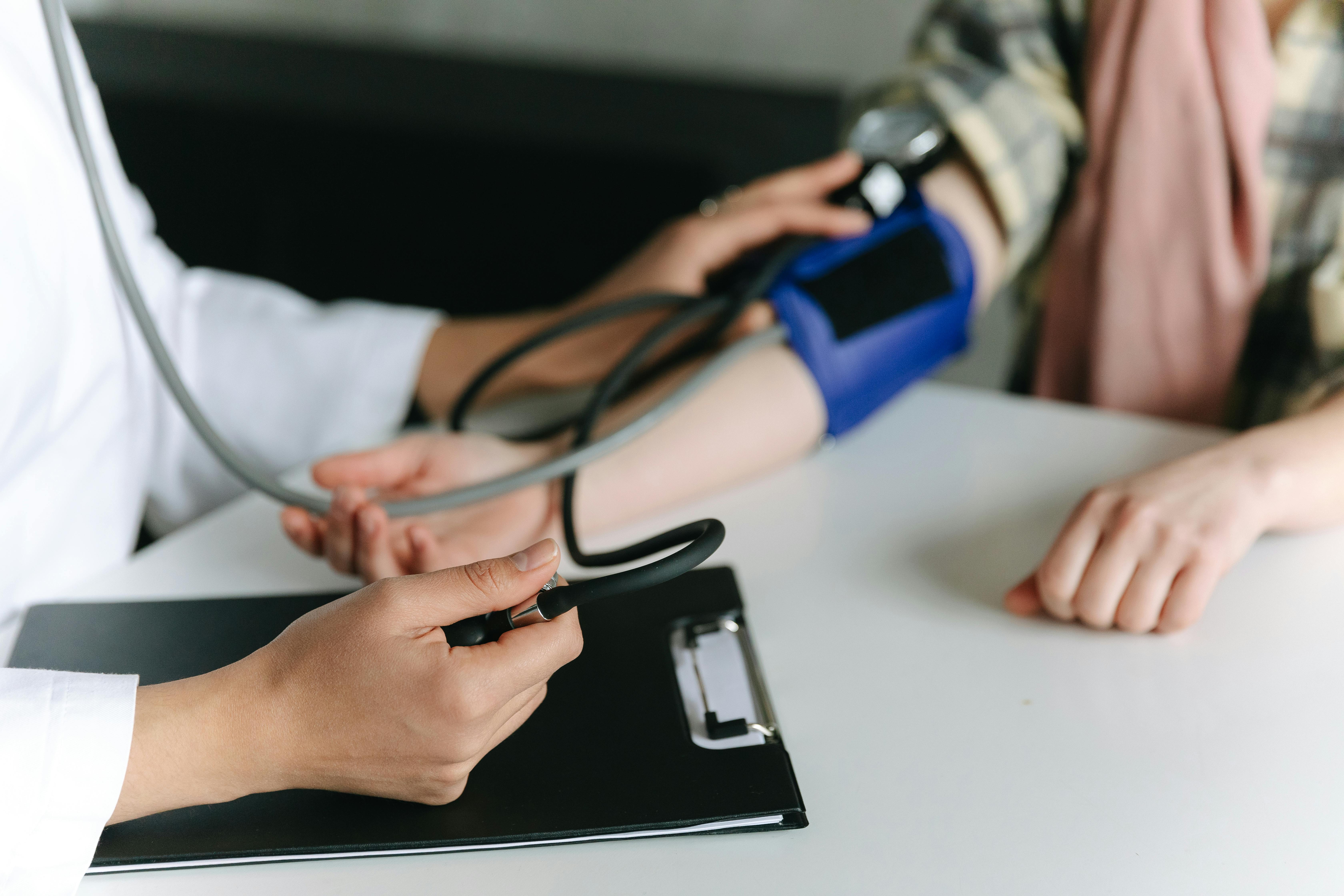
Morning anxiety can lead to both physical and psychological symptoms. Recognizing the full pattern can make it easier to describe what you’re experiencing to your healthcare provider.
Common morning anxiety symptoms can include:
Waking up with a racing, pounding, or fluttering heart
Tightness or pressure in the chest upon waking
Racing, looping, or worst-case-scenario thoughts that begin immediately after waking
A persistent sense of dread or uneasiness without a specific cause
Nausea, stomach discomfort, or loss of appetite in the morning
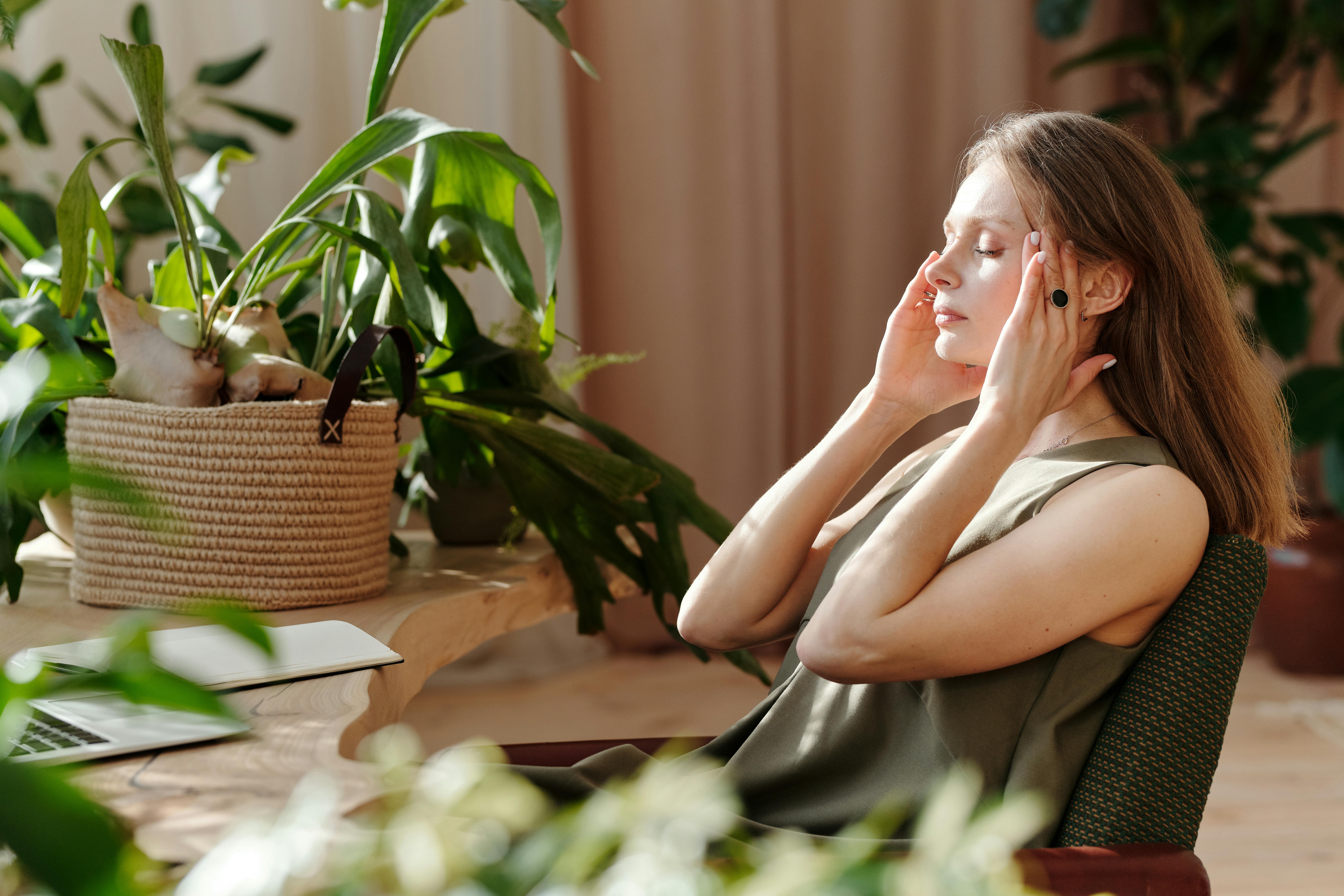
Muscle tension, particularly in the jaw, neck, or shoulders
Difficulty getting out of bed due to anxiety about the day
Irritability or feeling emotionally reactive early in the morning
How to Manage Morning Anxiety
Morning anxiety is usually easier to manage when both the physical symptoms and the underlying anxiety are addressed. The following strategies may help reduce the intensity and frequency of morning anxiety over time.
Before Bed: Setting Yourself Up for a Better Morning
Many of the factors that contribute to morning anxiety usually begin the night before. For example, alcohol can disrupt REM sleep even when consumed in moderate amounts, that too several hours before bed. This may leave the brain more reactive after waking.
Screen exposure before bedtime can also interfere with melatonin production and make it harder to fall asleep. Over time, creating a consistent nighttime routine can help signal the body that it is time to wind down and rest.
Managing the First Hour After Waking
For many people, the first hour after waking is typically the most physically and emotionally intense part of the day. Several strategies can help calm the body and mind during this time:
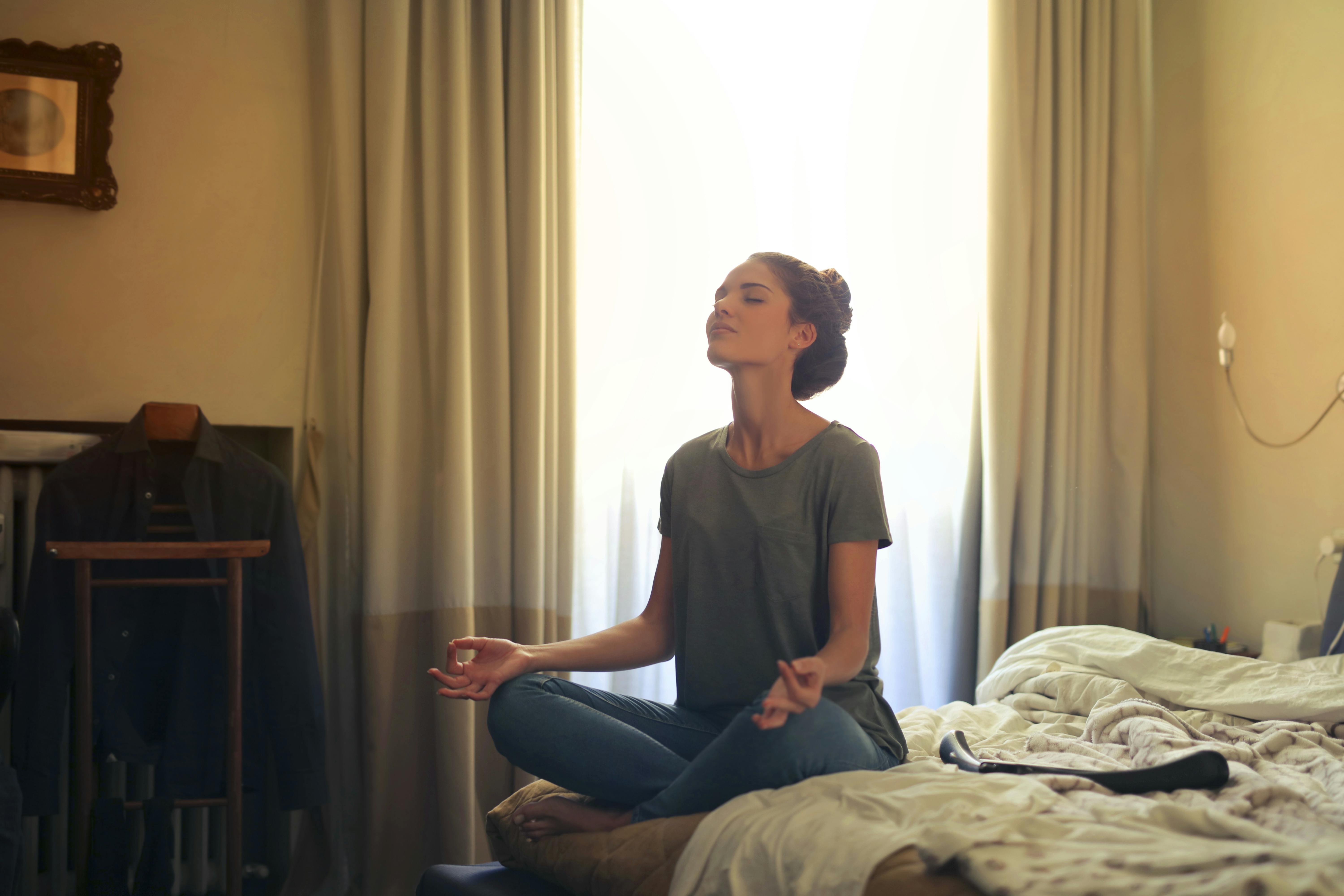
Try diaphragmatic breathing before getting out of bed: Slow, controlled breathing can help activate the body’s calming response and reduce physical symptoms of anxiety. A systematic review published in Frontiers in Human Neuroscience suggests that paced breathing may help reduce stress hormones. You can try breathing in for 4 counts, holding for 4, and exhaling slowly for 6–8 counts.
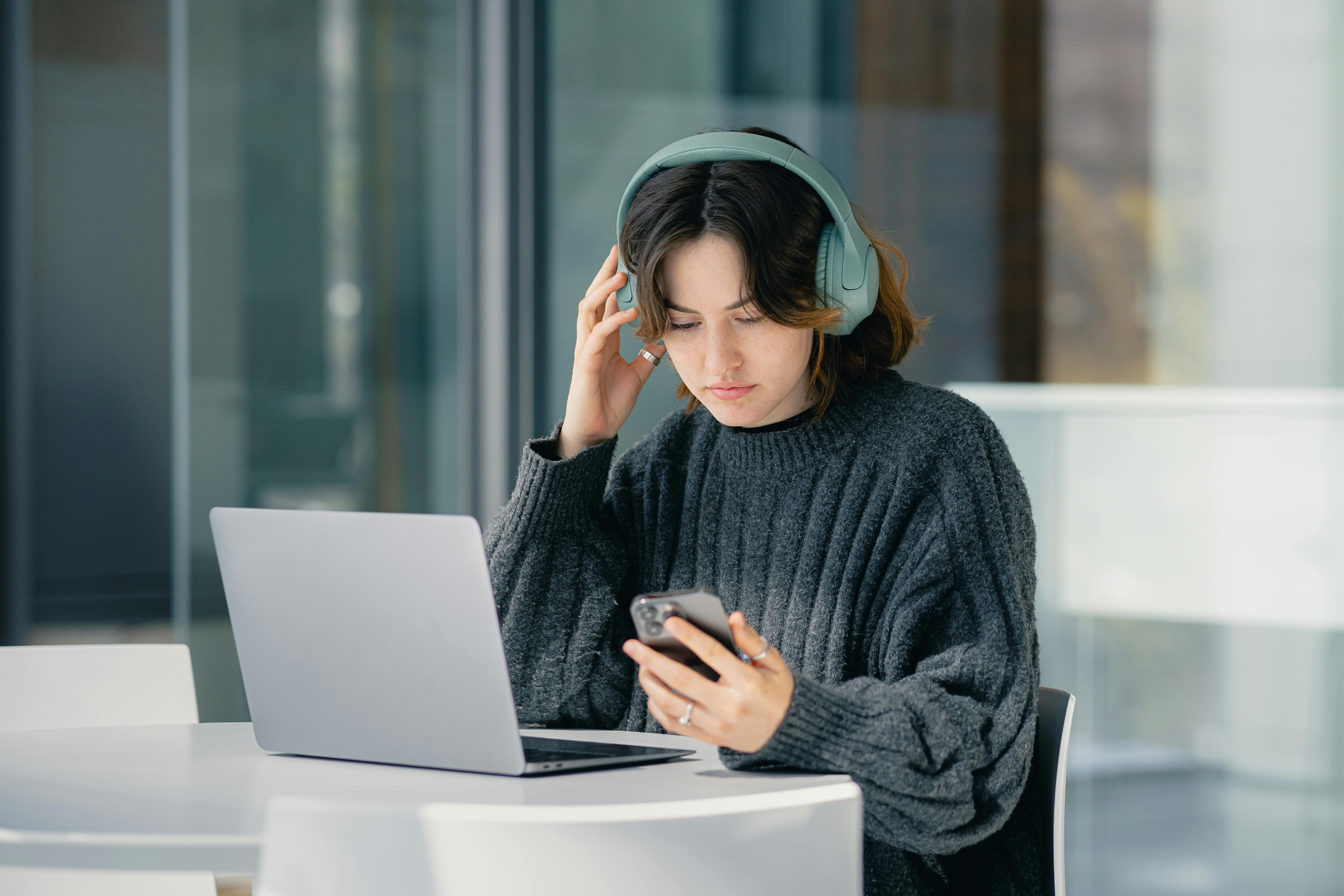
Consider delaying checking your phone: Checking emails, news, or social media immediately after waking can quickly increase stress and anxiety. Waiting 20–30 minutes before using your phone may give your body and mind time to settle before taking in new information or demands.
Try adding gentle movement: Light stretching, yoga, or a short walk can help reduce physical tension and make the body feel calmer after waking. The movement does not necessarily have to be intense to be helpful.
Consider waiting before drinking morning coffee: Caffeine can increase physical anxiety symptoms like shakiness, a racing heart, or jitteriness. This is often common in the early morning when stress hormone levels are already increased. Waiting 60-90 minutes after waking before drinking coffee may help reduce this effect for some people.
Longer-Term Morning Anxiety Treatment
Behavioral strategies can help reduce morning anxiety, but lasting improvement often comes from treating the underlying anxiety disorder.
Cognitive Behavioral Therapy (CBT) is one of the most well-studied treatments. It can be particularly helpful for the repetitive anticipatory anxiety patterns that are often common in morning anxiety.
A meta-analysis evaluated the effectiveness of CBT for adult anxiety disorders. It suggested that CBT can lead to a significant reduction in anxiety symptoms across several anxiety disorders.
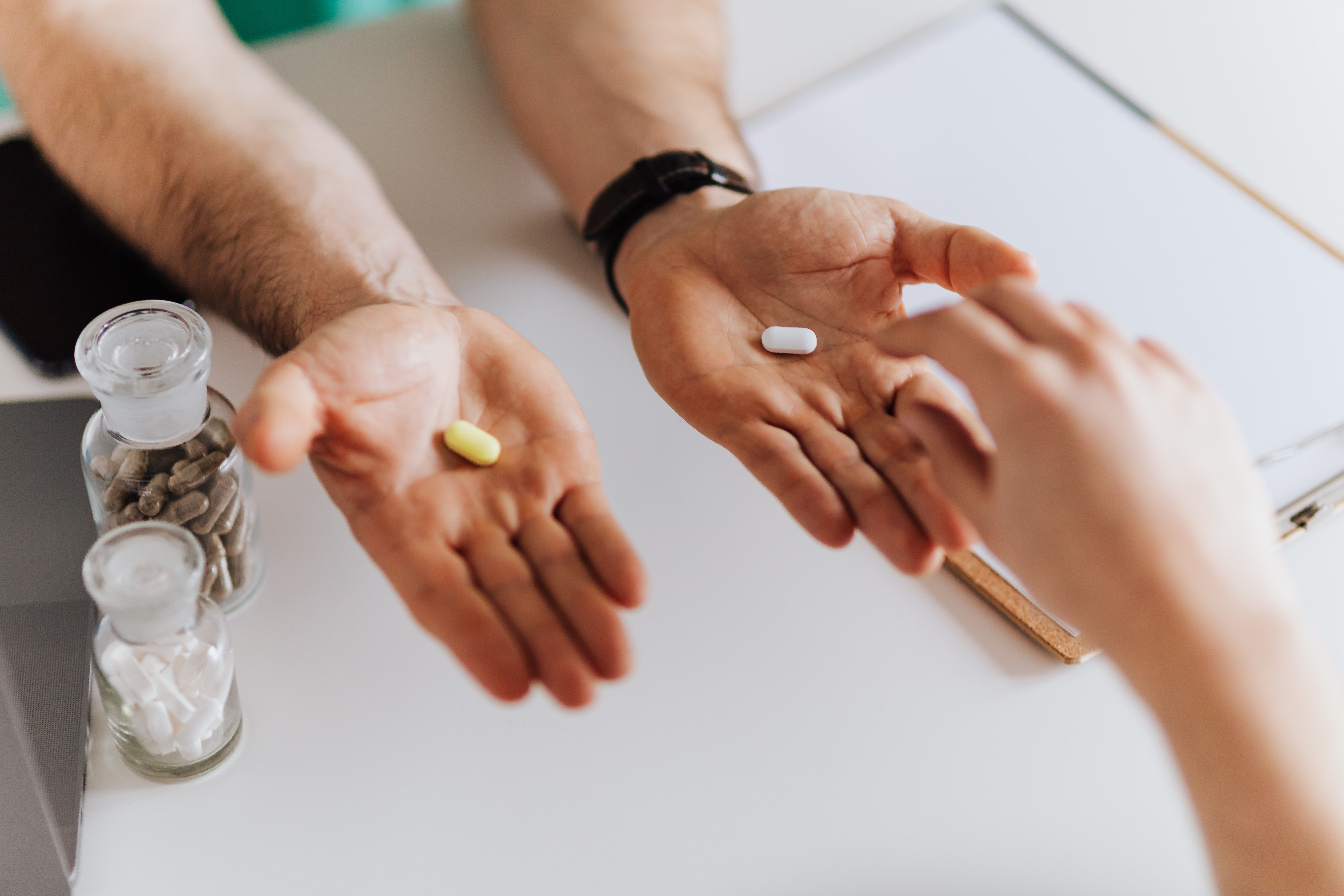
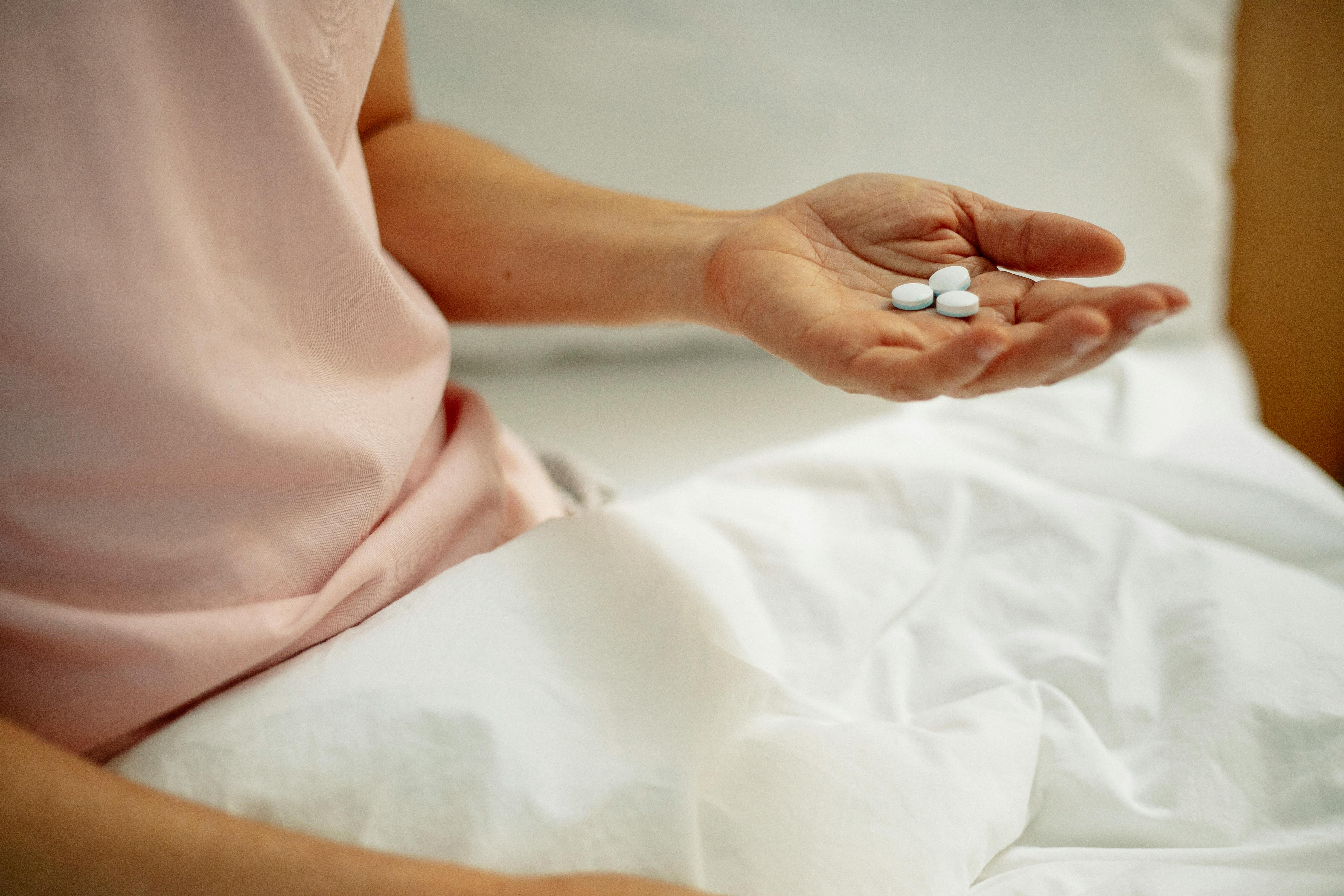
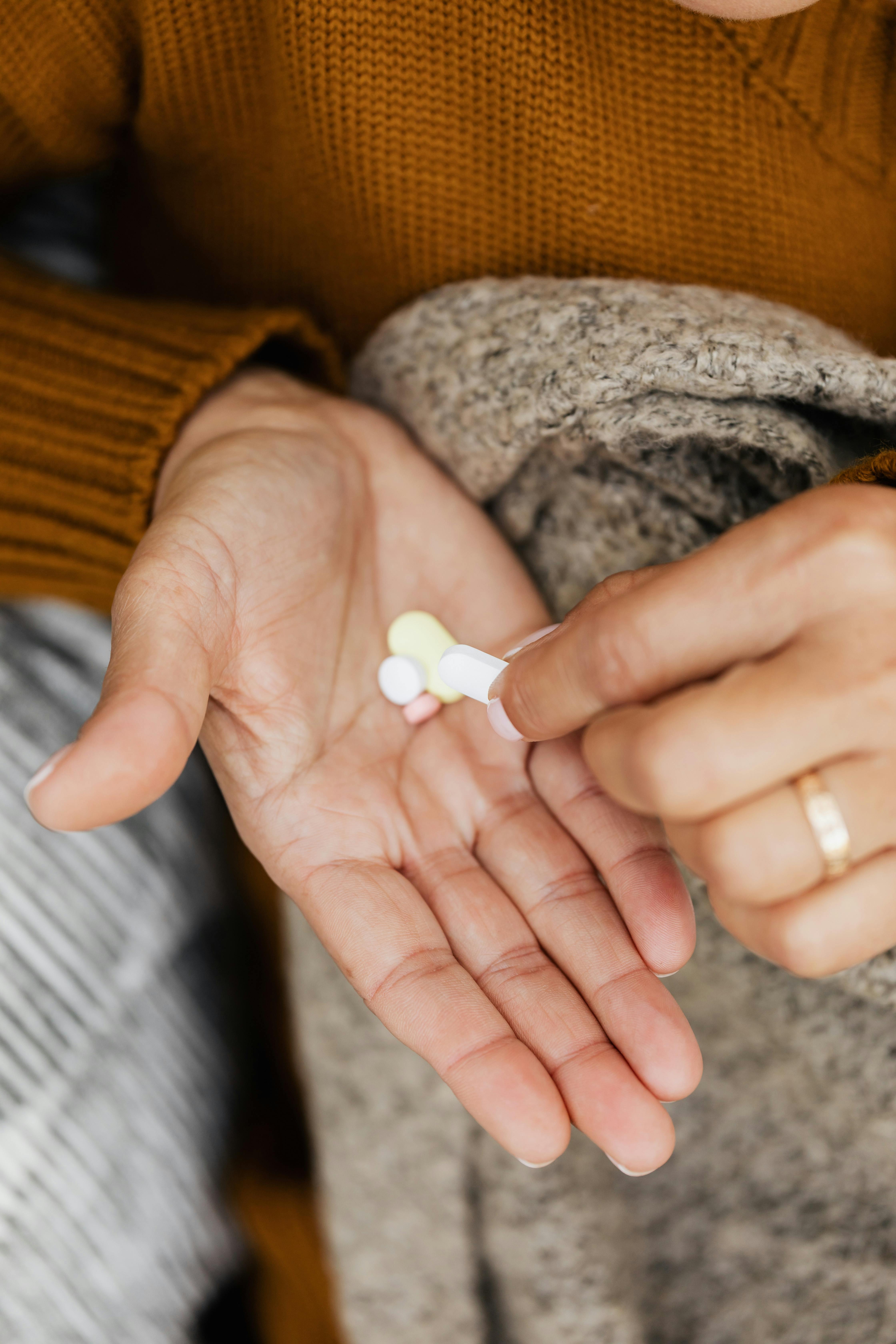
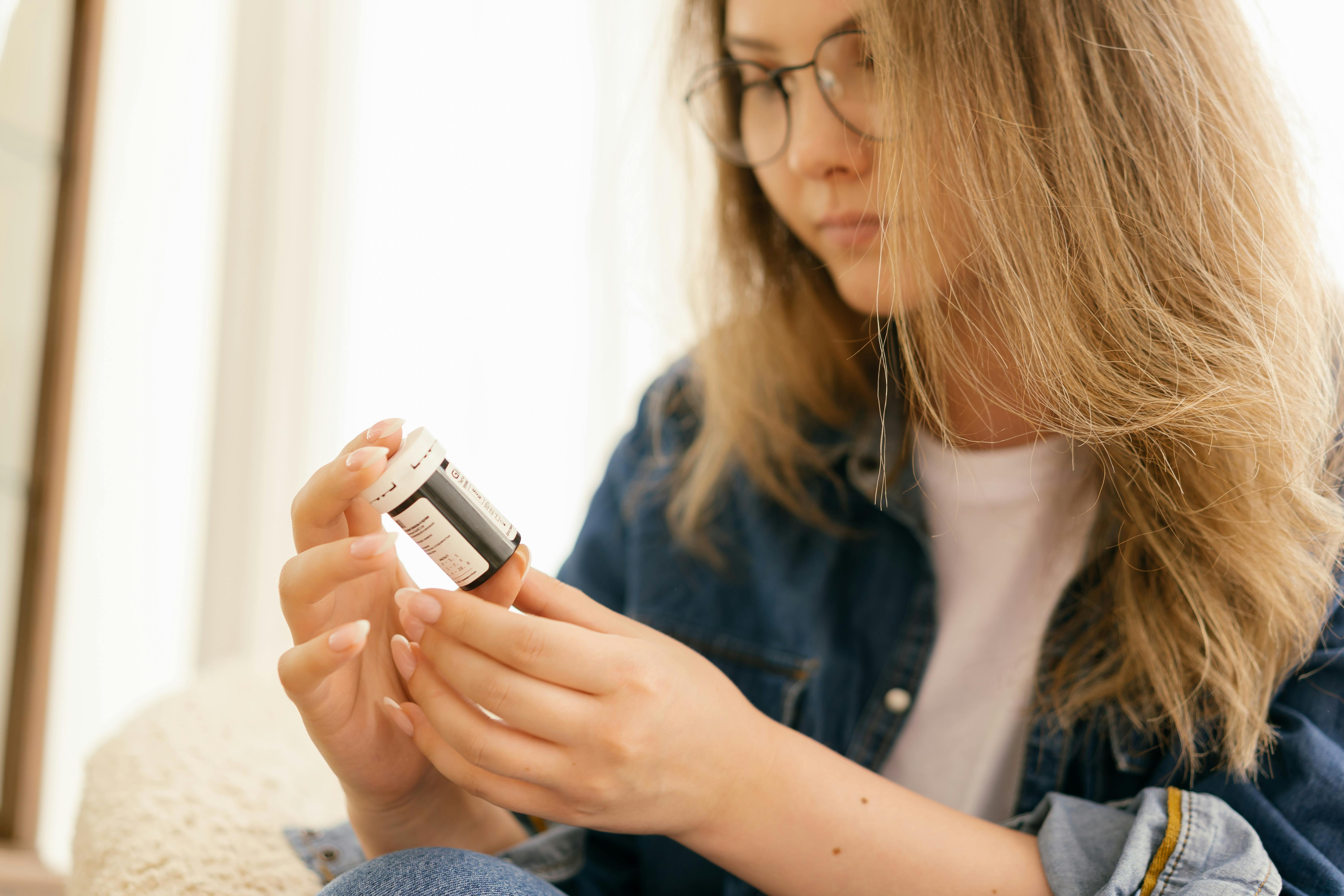
When medication is indicated, Selective Serotonin Reuptake Inhibitors (SSRIs) and Selective Norepinephrine Reuptake Inhibitors (SNRIs) can help reduce overall anxiety levels and reduce physical anxiety symptoms over time. These medications usually take 4–8 weeks to reach their full effect; some people may still notice improvements sooner.
As overall anxiety improves, morning anxiety often becomes less intense and easier to manage.
When to Seek Help for Morning Anxiety
Morning anxiety can affect your quality of life. Especially when it makes it harder to start the day, disrupts your work or relationships, or becomes persistent.
This might mean that additional help is needed and you don’t have to wait until symptoms become severe.
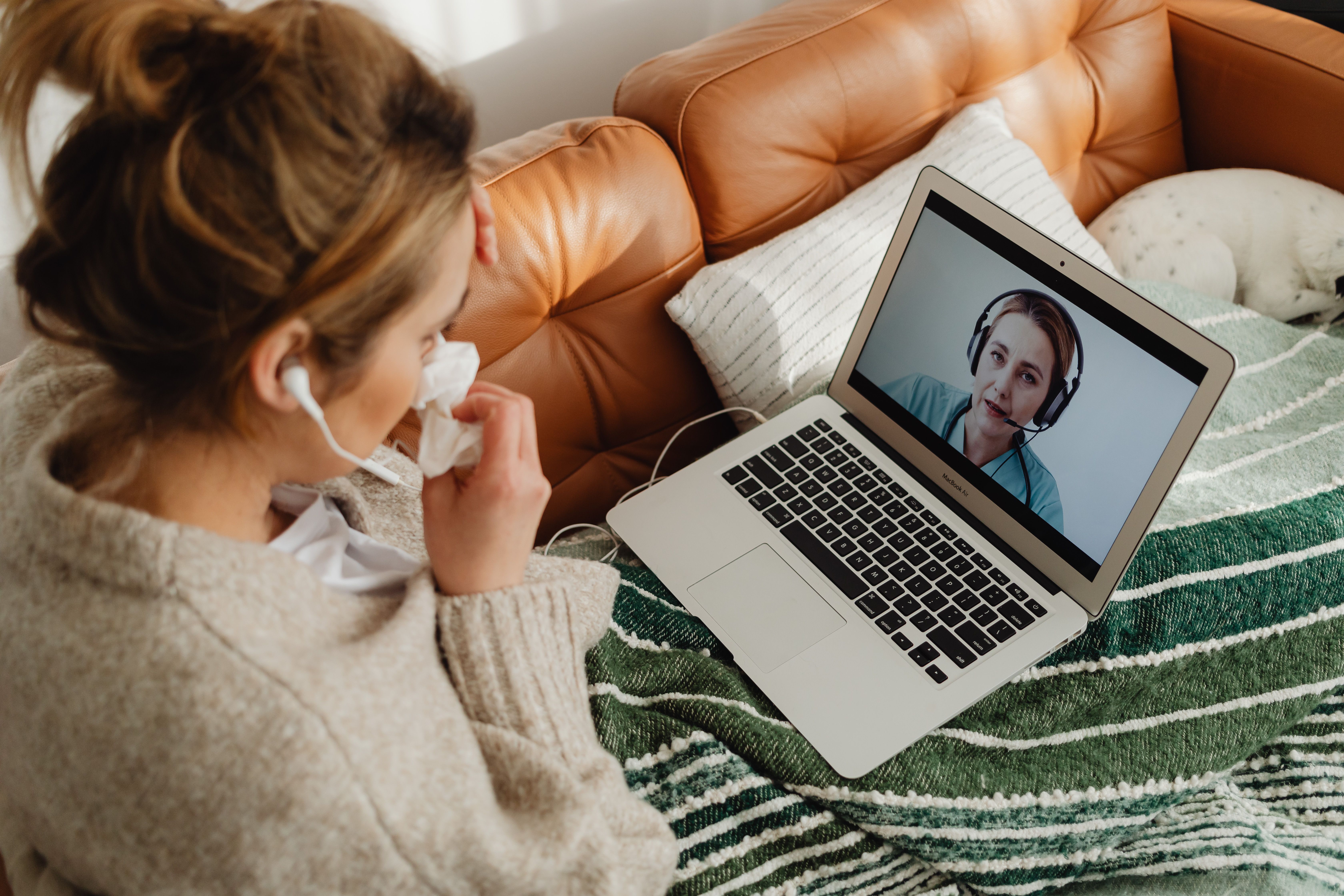
If morning anxiety is becoming difficult to manage on your own, professional support can help. Blossom Health can connect you with a board-certified psychiatrist, and you can choose virtual evaluations as well as ongoing care. Learn more or book your appointment with us now.
Medical Disclaimer
This article is for educational purposes only and does not constitute medical advice. The information provided should not replace consultation with a qualified healthcare provider. Individual responses to medications can vary significantly, and what applies to one person may not be the same for another.
Always consult with your doctor or pharmacist before making any decisions about medication changes, discontinuation, or interactions with other substances. If you’re experiencing concerning symptoms or side effects, please seek professional help from a healthcare provider.
In case of a medical emergency, contact your local emergency services immediately or call 911. For mental health emergencies, contact the National Suicide Prevention Lifeline at 988.
Sources
Wüst, S., Wolf, J., Hellhammer, D. H., Federenko, I., Schommer, N., & Kirschbaum, C. (2000). The cortisol awakening response - normal values and confounds. Noise & health, 2(7), 79–88. https://pubmed.ncbi.nlm.nih.gov/12689474/
Lovallo, W. R., Farag, N. H., Vincent, A. S., Thomas, T. L., & Wilson, M. F. (2006). Cortisol responses to mental stress, exercise, and meals following caffeine intake in men and women. Pharmacology, biochemistry, and behavior, 83(3), 441–447. https://doi.org/10.1016/j.pbb.2006.03.005
Walker M. P. (2009). The role of sleep in cognition and emotion. Annals of the New York Academy of Sciences, 1156, 168–197. https://doi.org/10.1111/j.1749-6632.2009.04416.x
Krystal A. D. (2012). Psychiatric disorders and sleep. Neurologic clinics, 30(4), 1389–1413. https://doi.org/10.1016/j.ncl.2012.08.018
Zaccaro, A., Piarulli, A., Laurino, M., Garbella, E., Menicucci, D., Neri, B., & Gemignani, A. (2018). How Breath-Control Can Change Your Life: A Systematic Review on Psycho-Physiological Correlates of Slow Breathing. Frontiers in human neuroscience, 12, 353. https://doi.org/10.3389/fnhum.2018.00353
Hofmann, S. G., & Smits, J. A. (2008). Cognitive-behavioral therapy for adult anxiety disorders: a meta-analysis of randomized placebo-controlled trials. The Journal of clinical psychiatry, 69(4), 621–632. https://doi.org/10.4088/jcp.v69n0415
National Institute of Mental Health. (December, 2024). Anxiety Disorders. https://www.nimh.nih.gov/health/topics/anxiety-disorders
Cleveland Clinic. (May 20, 2025). Generalized Anxiety Disorder. https://my.clevelandclinic.org/health/diseases/23940-generalized-anxiety-disorder-gad
American Psychiatric Association. (June, 2023). What Are Anxiety Disorders? https://www.psychiatry.org/patients-families/anxiety-disorders/what-are-anxiety-disorders
Mayo Clinic. (July 29, 2025). Anxiety disorders. https://www.mayoclinic.org/diseases-conditions/anxiety/symptoms-causes/syc-20350961