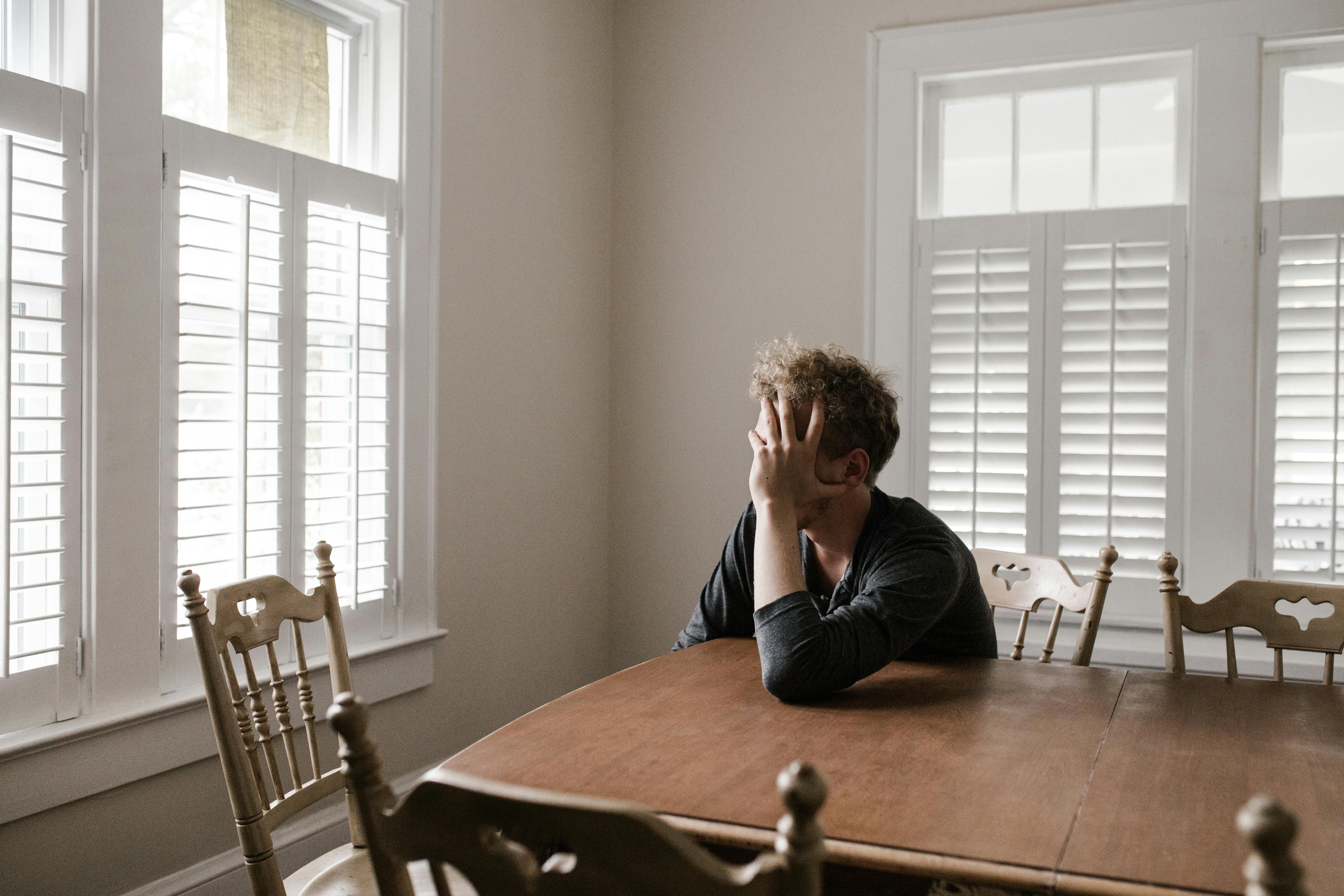

When you are struggling with depression or anxiety, the idea of finding a provider, booking a visit, and picking up a prescription can feel like too much. Fortunately, you can now get antidepressants online through licensed providers, often without ever leaving home. This guide explains how online antidepressant care works, whether it is effective, what the medications do, and what to expect from your first virtual visit through your first refill.
Key Takeaways
Depression and anxiety are common: Around 21 million U.S. adults had at least one major depressive episode in a recent year, while anxiety disorders affect around 40 million adult Americans each year. Antidepressants are a well-established treatment both for depression and anxiety.
Online prescribing is real and growing: Telehealth's share of antidepressant prescriptions rose sharply in recent years, giving more people a convenient way to start care.
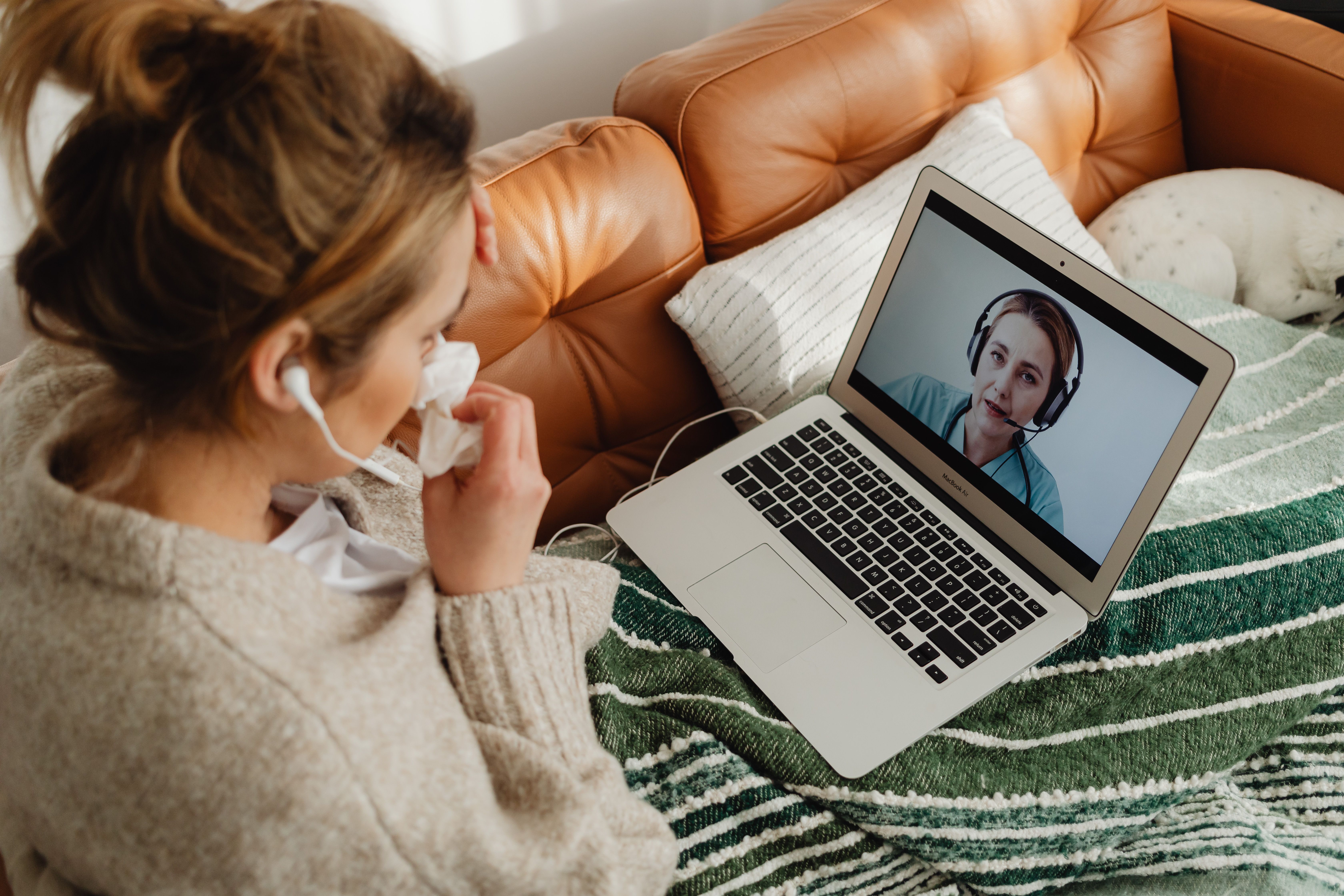
You can begin from home: A licensed provider can evaluate your symptoms over a secure video visit, prescribe an appropriate medication, and follow up to monitor your treatment response. Many platforms allow you to be seen within days of signing up.
What Are Antidepressants and What Do They Treat?
Antidepressants are prescription medications that change the activity of brain chemicals involved in mood, sleep, and anxiety, helping regulate the communication between nerve cells over time. Despite the name, they treat more than depression. They are used across several types of depression as well as anxiety disorders, which are the most common mental health conditions in the U.S.
Depending on the specific medication, antidepressants may also be prescribed for conditions like obsessive-compulsive disorder (OCD), panic disorder, post-traumatic stress disorder (PTSD), and premenstrual dysphoric disorder (PMDD).
Most antidepressants work gradually by adjusting neurotransmitters such as serotonin and, in some cases, norepinephrine. They are meant to be taken daily during the course of the treatment rather than only when symptoms flare, and they are not addictive or habit-forming. However, stopping them suddenly can cause temporary discontinuation symptoms. Because medications affect everyone differently, providers often start with one option and adjust based on how you respond.
Common Types of Antidepressants
Providers choose from a few main groups, which include selective serotonin reuptake inhibitors (SSRIs), serotonin norepinephrine reuptake inhibitors (SNRIs), atypical antidepressants, and older-generation tricyclic antidepressants. The table below outlines the most common classes, with examples and what they are often used for.
Class | Common examples | Often used for | Notes |
|---|---|---|---|
SSRIs | Sertraline (Zoloft), escitalopram (Lexapro), fluoxetine (Prozac), etc. | Depression and anxiety | Usually the first choice; well studied; large evidence base |
SNRIs | Depression, anxiety, some chronic pain conditions | Affect two brain chemicals | |
Atypical | Depression; specific symptom needs | Different action; used when SSRIs do not produce sufficient response or to alleviate side effects | |
Tricyclics | Amitriptyline, nortriptyline | Depression; sometimes other uses | Older class; used less often today due to broader side effects than SSRIs/SNRIs |
If you want to understand two of the most common antidepressant groups and how they compare, our review on the differences between SSRIs and SNRIs is a great place to start.
Can You Get Antidepressants Online?
Yes. Licensed psychiatric prescribers and, in many states, other qualified medical clinicians such as psychiatric nurse practitioners can evaluate you, make a diagnosis, and prescribe antidepressants through telehealth. Antidepressants are not controlled substances, which makes them well suited to virtual care and standard online pharmacies, without the extra restrictions that apply to some other medications.
Online prescribing is not a small or niche trend. Data on prescribing patterns show that telehealth went from 1.5% of antidepressant prescriptions before 2020 to over 31% within a few years. Most psychiatric prescribers can practice through telehealth only in the state where they are licensed, although interstate practice may be possible depending on participation in interstate licensure compacts and state telehealth rules.
Always confirm if a provider is licensed to prescribe in your state before booking a virtual appointment.
How to Get Antidepressants Online: Step by Step
Getting started is usually straightforward. While the details vary by platform, the path most people follow looks like this:
Check coverage and location: Confirm the provider is licensed in your state and see whether your insurance is accepted.
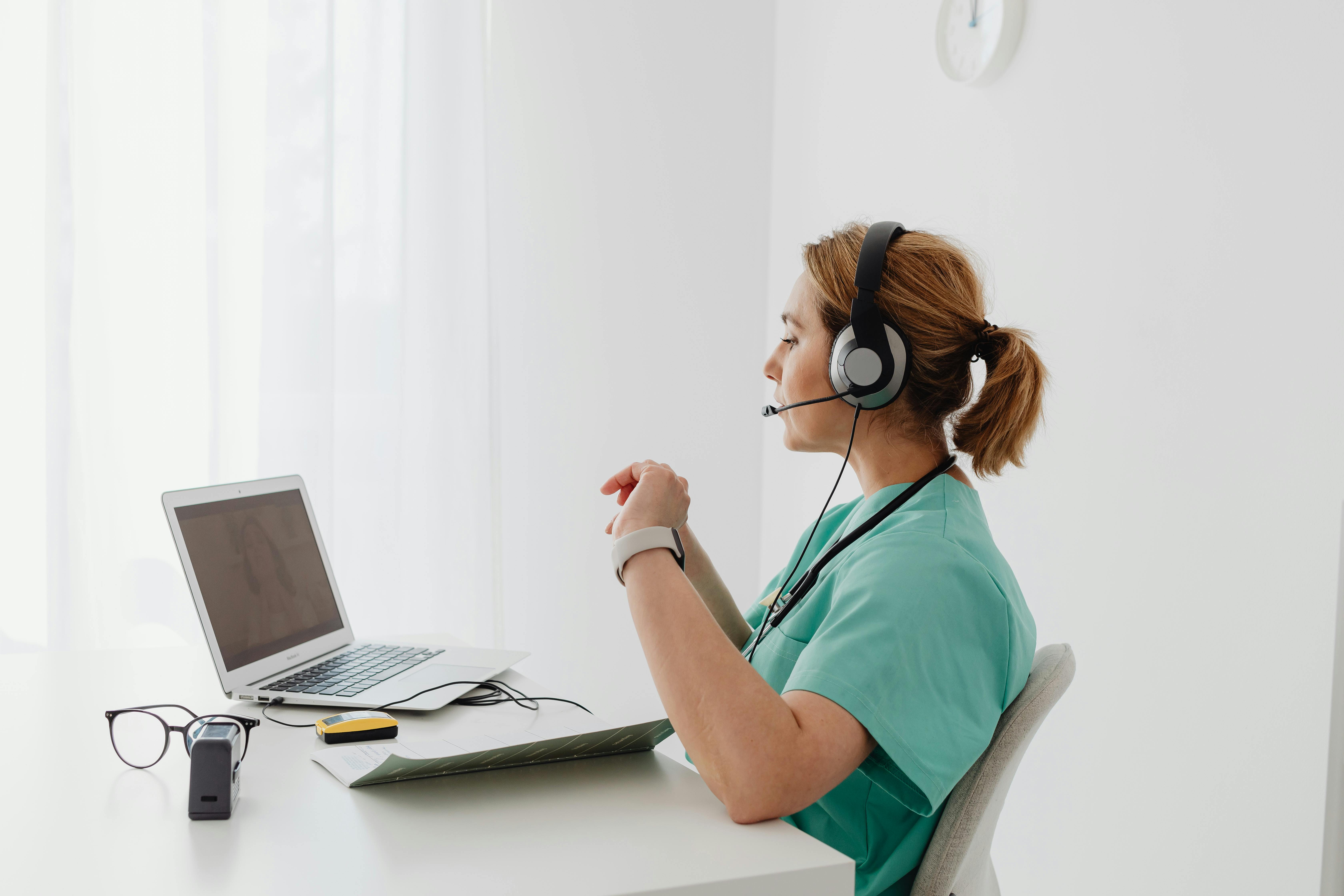
Book an evaluation: Meet with a licensed provider by video to discuss your symptoms, history, current medications, and goals.
Get a personalized plan: If medication is appropriate, your provider prescribes it and sends it to your pharmacy of choice.
Follow up regularly: Short check-ins let your provider track progress, adjust the dose, and manage any side effects.
When choosing a mental health platform, here’s what you should know about finding a psychiatrist who fits your needs, your location, and accepts your insurance.
Does Online Antidepressant Treatment Work?
Meeting a provider virtually may look and feel different from meeting one in person, but the research on outcomes is reassuring.
One comparison of telehealth and in-person treatment for major depression found that both groups were highly satisfied and had significant symptom improvement, with telehealth proving comparable to in-person care for many people. A large analysis from 2023 of patients treated entirely through telepsychiatry showed strong, clinically meaningful reduction in depression and anxiety symptoms.
Virtual psychiatry makes it possible to continue treatment without the need to travel and improves access to quality mental healthcare, which can be genuinely helpful for people living in areas with limited psychiatric services. What’s more, the convenience of telehealth may also make it easier for some people to stay on their medication and attend follow-up visits, which can support better treatment outcomes over time.
What to Expect When Starting Antidepressants
Knowing the general timeline can make the first weeks on antidepressants feel less uncertain. Here is what tends to happen as your body adjusts.
The First Few Weeks
Antidepressants work gradually. In the first week or two, you may notice some side effects such as nausea, headache, or sleep changes, which are a result of how antidepressants work in the body. Between weeks two and four, many of these effects subside, and you may begin to notice small improvements in sleep or energy, while full benefit for mood and anxiety usually takes about 4 to 8 weeks.
Remember that individual response to antidepressants can vary; the above timeline is for a general understanding of what to expect. Make sure to contact your provider if your side effects don’t seem to improve after the first few weeks.
Finding the Right Fit
The first medication may not always be the perfect match, and that is okay. If you’ve taken an antidepressant for the recommended duration and haven’t experienced a noticeable improvement in mood or anxiety, your provider may adjust the dose or switch medications to find what works best for you. Two habits make a real difference: staying in close contact so your provider can respond to how you feel, and never stopping a medication suddenly, since abrupt changes can cause uncomfortable symptoms.
Some people also benefit from psychotherapy, such as cognitive behavioral therapy (CBT), either alone or together with medication.
Safety and Monitoring
Antidepressants are generally safe when taken as prescribed, but they do carry a boxed warning about a possible increase in suicidal thoughts in children, adolescents, and young adults up to age 24, especially early in treatment or after a dose change. This is one reason regular follow-up matters. Tell your provider about any other medications or supplements you take, since combining certain drugs can raise the risk of side effects.
Is Online Antidepressant Care Right for You?
Online care fits many situations, though it is not the only path. It can be a strong choice if you value convenience, have a busy schedule, live far from a provider, or simply feel more comfortable talking from home. These points can help you decide:
Good fit: For many people with mild, moderate, or even severe symptoms, depending on safety, available support, and your provider's assessment.
May need in-person support: Severe symptoms, complex medical needs, or a safety concern may call for hands-on or higher-level care. Some people do well combining virtual care with local services when necessary.
Always an option: If online care is not the right fit for you, a good provider will say so and help point you toward resources that are.
Cost and Insurance
Virtual psychiatric care is often covered by insurance, and generic antidepressants are usually inexpensive. Costs depend on your plan, your provider, and whether the visit is in-network. Here’s an overview of what you need to know about insurance coverage for online psychiatry.
Getting Refills and Transferring a Prescription Online
Online care is not just for starting a medication. If you already take an antidepressant, you may be able to continue it through telehealth after your provider reviews your treatment and determines it is appropriate. You can learn how to transfer your prescription to an online psychiatrist and how to refill psychiatric medication online so your treatment stays on track.
When to Talk to a Professional
Reach out if low mood, worry, or loss of interest lasts more than two weeks or gets in the way of work, relationships, or daily life. A provider can help you weigh your options and, if needed, prescribe medication after a virtual consultation. You deserve to feel better, and support is within reach.
Blossom is a telehealth platform that connects you with board-certified, licensed psychiatric providers for virtual care covered by in-network insurance.
Getting started takes three simple steps: enter your state and insurance plan, choose a time that works for you, and confirm a few details about yourself.
During your first visit, your provider will evaluate your symptoms, build a treatment plan, and prescribe medication when it is appropriate. Most people are seen within days. When you feel ready, you can schedule your first appointment with Blossom and start care from home.
Note: If you have suicidal thoughts or your depression is getting worse quickly, seek help immediately rather than waiting two weeks. Call 911 or go to the nearest emergency department right away.
Medical Disclaimer
This article is for informational purposes only and is not a substitute for professional medical advice. Never start or stop a medication without talking to your healthcare provider. If you are experiencing a mental health crisis, contact the 988 Suicide and Crisis Lifeline by calling or texting 988.
Sources
National Institute of Mental Health. Major Depression Statistics. https://www.nimh.nih.gov/health/statistics/major-depression
National Institute of Mental Health. Mental Health Medications. https://www.nimh.nih.gov/health/topics/mental-health-medications
Zimmerman M. Telehealth treatment of patients with major depressive disorder: comparative safety, satisfaction, and effectiveness. https://www.ncbi.nlm.nih.gov/pmc/articles/PMC10434669/
Evaluating clinical outcomes in patients treated exclusively via telepsychiatry: retrospective data analysis. https://pmc.ncbi.nlm.nih.gov/articles/PMC10746963/
Stimulant, antidepressant, and opioid telehealth prescription trends between 2019 and 2022. https://pmc.ncbi.nlm.nih.gov/articles/PMC11400214/
Comparing in-person, telephonic, and video-based treatment of depression in adult primary care. https://pubmed.ncbi.nlm.nih.gov/39632647/
National Institute of Mental Health. Any Anxiety Disorder Statistics. https://www.nimh.nih.gov/health/statistics/any-anxiety-disorder
Anxiety & Depression Association of America. (2026, March 30). Facts & statistics. https://adaa.org/understanding-anxiety/facts-statistics