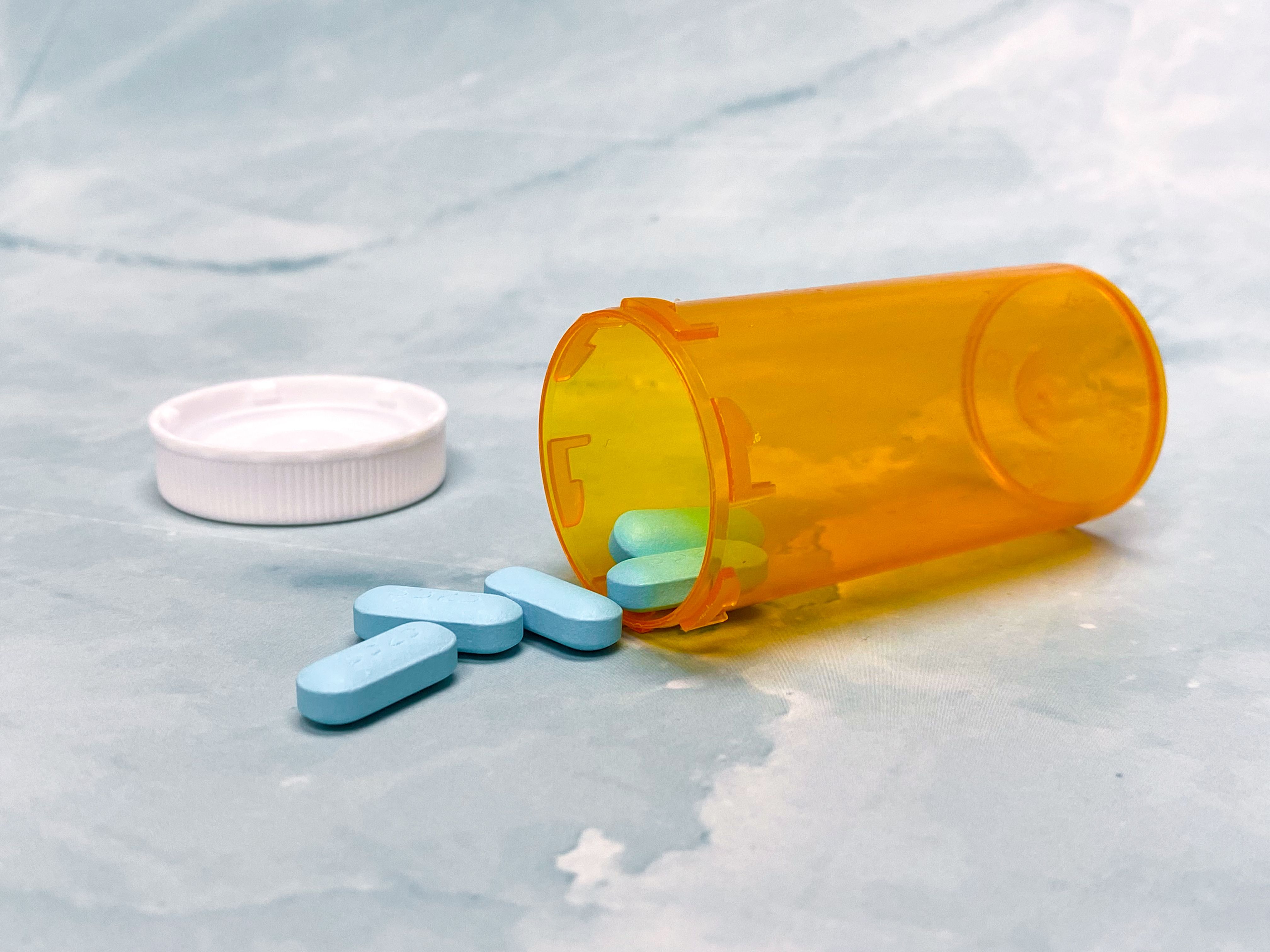
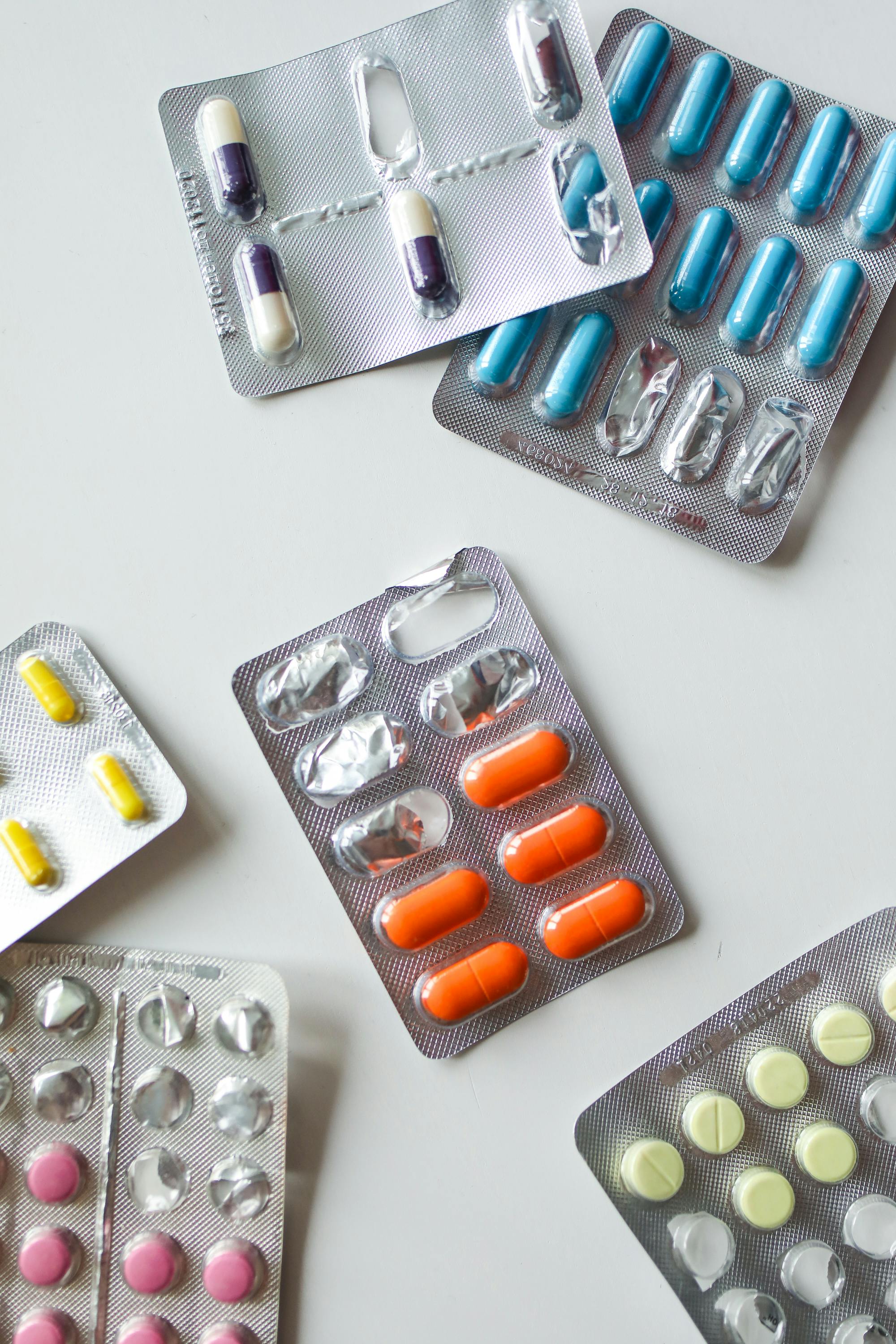
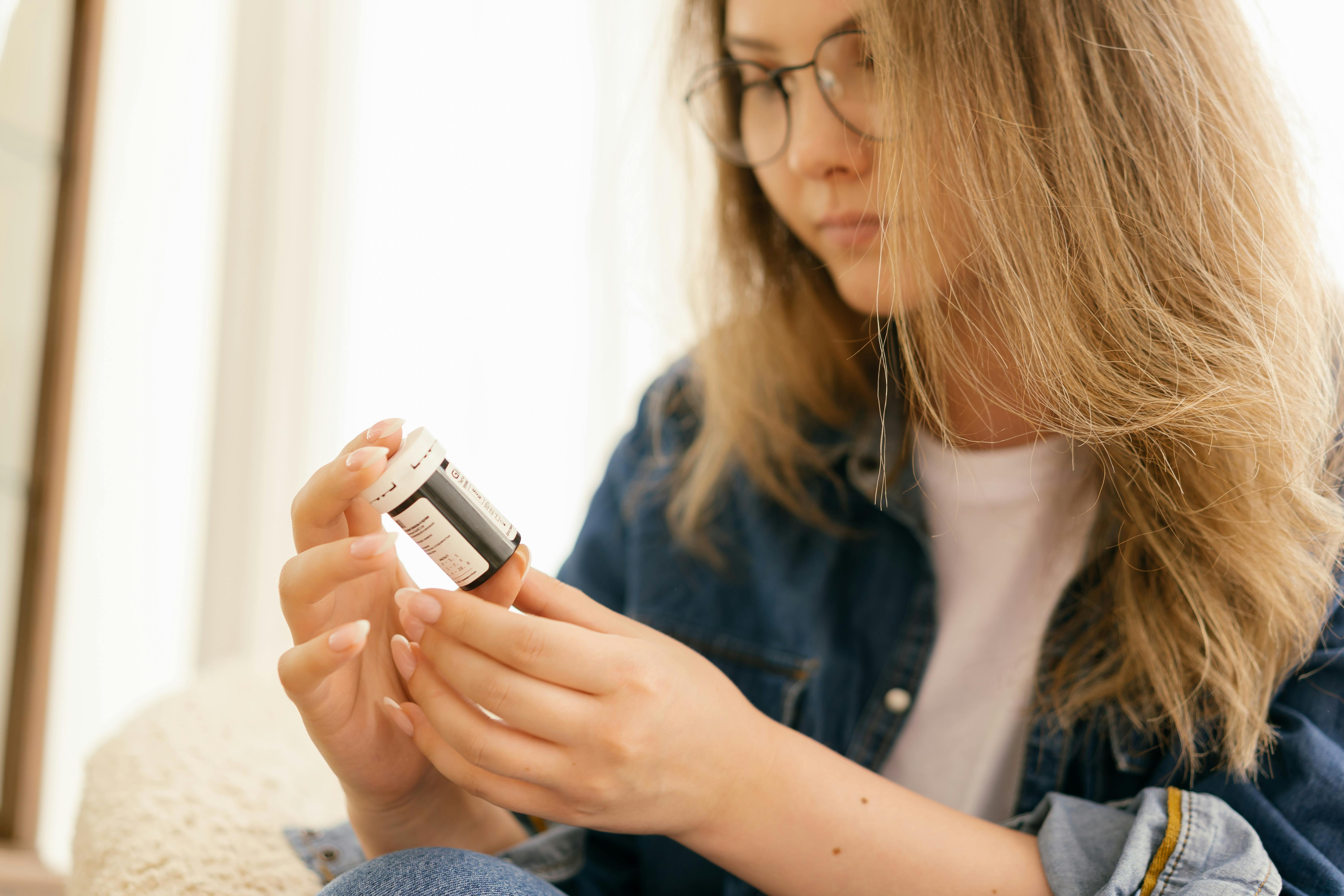
Quetiapine 25mg is the lowest immediate-release tablet strength of this medication and is often used as a starting dose. While quetiapine is FDA-approved to treat schizophrenia and bipolar disorder, the 25mg dose is also commonly used off-label, especially for sleep.
Understanding what this low dose does, and what the research actually shows, can help you have a more informed conversation with your healthcare provider.
Key Takeaways
The lowest dose. 25mg is the smallest immediate-release tablet of quetiapine (brand name Seroquel). It is commonly used as a starting dose before the amount is slowly increased, if needed.
Approved and off-label uses. Quetiapine is FDA-approved for schizophrenia, bipolar disorder, and as an add-on treatment for depression. Using 25mg for sleep or anxiety is off-label, and current evidence doesn’t strongly support these uses.
A low dose still carries risk. Even at 25mg, quetiapine can lead to drowsiness, weight gain, metabolic changes and other side effects. Research also suggests that long term low-dose use may be associated with an increased risk of heart-related events.
What Is Quetiapine (Seroquel)?
Quetiapine is a second-generation antipsychotic, sometimes called an atypical antipsychotic. It is available as a generic medication and was originally marketed under the brand name Seroquel. The immediate-release form comes in several strengths, including 25mg, 50mg, 100mg, 200mg, 300mg, and 400mg tablets. An extended-release (XR) version is also available.
The medication acts on several brain chemical systems, including dopamine and serotonin. According to the FDA prescribing information, quetiapine has a fairly short half-life of about 6 hours, which is one reason it is sometimes taken more than once a day.
What Is Quetiapine 25 mg Used For?
The 25mg dose plays different roles depending on why it is prescribed. For some people, it acts as a starting dose before gradually increasing to a therapeutic dose. For others, it is used off-label, most commonly for sleep. Here's how the medication is used in different situations.
As a Starting Dose (Titration)
For FDA-approved conditions, 25mg is often just the beginning rather than the long-term treatment dose. The FDA prescribing information recommends starting a dose of 25mg twice daily, followed by gradual dose increases over the next several days.
For schizophrenia and bipolar disorder, 25mg alone is generally not considered a therapeutic dose. Instead, it allows the body to adjust to the medication before higher doses are reached.
Off-Label Use for Sleep
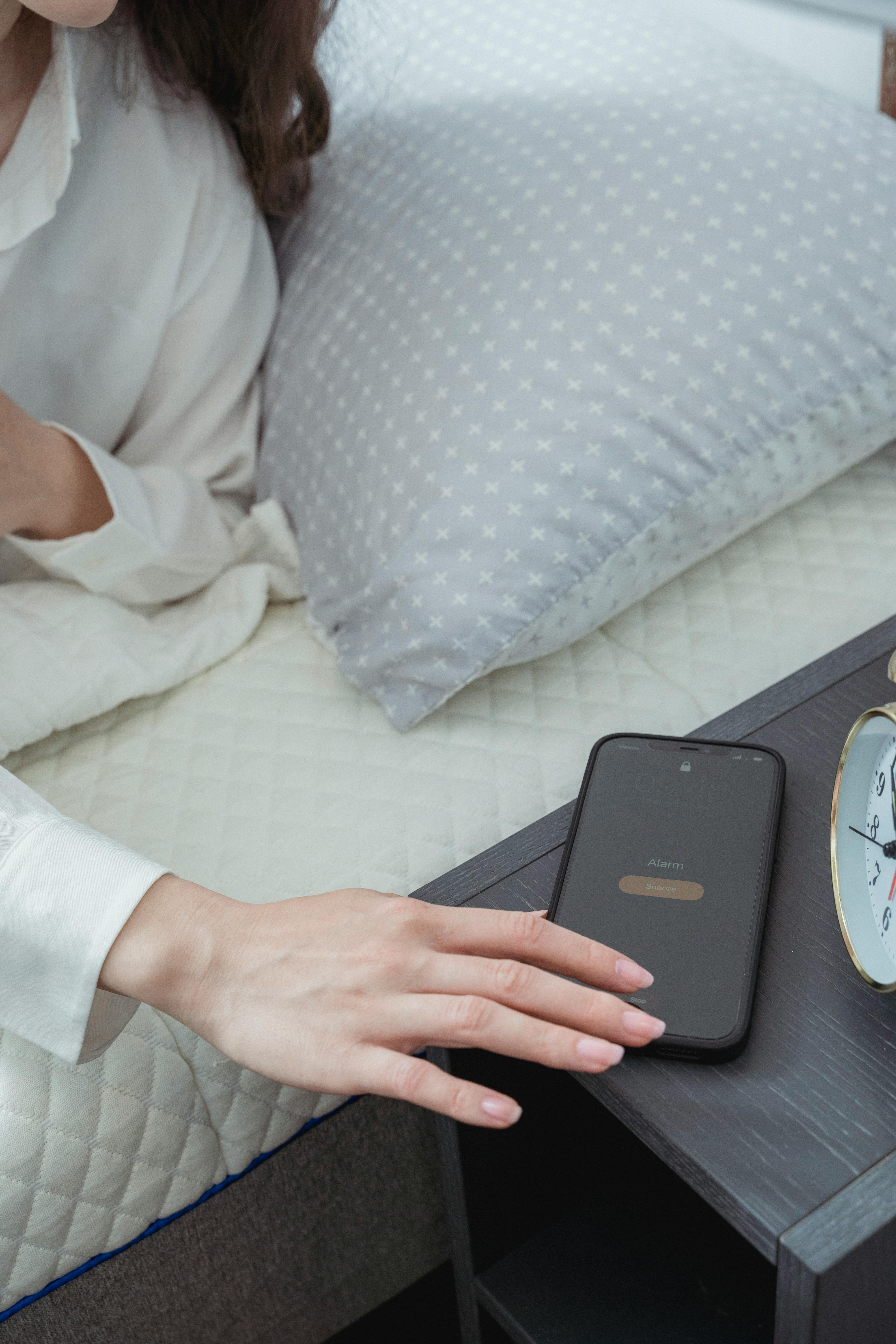
Low doses of quetiapine, often 25mg to 100mg, are commonly prescribed off-label as a sleep aid. This use is common, but it is not well supported by strong evidence.
A Therapeutics Letter review suggested that quetiapine is neither approved nor recommended for primary insomnia, noting that the single controlled trial in people with insomnia found no clear benefit. A Canadian health technology review reported that evidence-based guidelines recommend against using quetiapine for insomnia. Instead, behavioral approaches and approved sleep medications are generally recommended first.
Off-Label Use for Anxiety and Agitation
Quetiapine is also used off-label for anxiety and agitation in some cases. The evidence here is limited and comes mostly from small studies and case reports. If anxiety is your main concern, your provider may recommend treatments with stronger evidence. Our guide to non-addictive anxiety medication covers several alternatives that providers commonly consider.
Quetiapine Dose Ladder: How 25mg Compares to Other Doses
Understanding where 25mg fits among the higher strengths helps explain its role in treatment. The immediate-release tablet comes in 6 different strengths, and the dose needed depends on what is being treated. -Here is how the low rungs of the ladder differ from the doses that actually treat approved conditions.
The Lower Doses: 25mg, 50mg, and 100mg
The 25 mg, 50 mg, and 100 mg tablets are the small rungs of the ladder. They are used to start treatment and to build up slowly, a process called titration.
For schizophrenia, the FDA label describes starting at 25 mg twice a day, then raising the dose in steps of 25 mg to 50 mg over the next few days. These low doses are also where most off-label sleep use happens, usually somewhere between 25 mg and 100 mg taken at bedtime.
Doses Used for Approved Conditions
For the conditions quetiapine is FDA-approved to treat, the effective doses are much higher than 25 mg. Based on the FDA label and clinical reviews:
Schizophrenia in adults is generally treated in a range of about 150 mg to 750 mg per day
Acute bipolar mania in a range of about 400 mg to 800 mg per day
Bipolar depression is usually treated at 300 mg per day, taken once daily at bedtime.
Looking at these doses side by side shows why 25mg is generally considered a starting dose rather than a full treatment dose for these conditions.
How Does Quetiapine Work at Low Doses?
One reason low-dose quetiapine is commonly used for sleep is that, at small amounts, it strongly blocks histamine (H1) receptors. Histamine is involved in maintaining wakefulness, so this blocking effect can make people feel sleepy.
At higher doses, the medication has greater effects on dopamine and serotonin systems. This is how it helps treat conditions like schizophrenia and bipolar disorder.
This difference matters because the sedation felt at 25mg does not necessarily mean the medication is treating an underlying condition. For someone with schizophrenia or bipolar disorder, 25 mg would usually be a first step before gradually increasing to a therapeutic dose.
For someone taking it only for sleep, the drowsiness may feel helpful in the moment. But the medication still carries the same potential risks as it does at higher doses. Understanding this difference between sedation and treatment helps explain why many experts recommend caution when using quetiapine off-label.
Is 25mg of Quetiapine Effective?
Whether 25 mg quetiapine is effective depends on what it is being used to treat.
Used as a starting step for an approved condition, 25mg is a normal and expected part of building up to a treatment dose. It also allows the body to adjust to the medication.
Used on its own for sleep, it can cause real drowsiness, but that sedating effect is not the same as proven benefit for insomnia. As noted above, current evidence supporting its use for insomnia is weak and limited, which is why many professional guidelines do not recommend it as a first-line treatment.
Side Effects and Risks of Low-Dose Quetiapine
Although lower doses may cause fewer side effects for some people than higher doses, 25 mg is not risk-free. Even at low doses, quetiapine can affect multiple body systems.
Common and important effects to know about include:
Drowsiness and next-day grogginess: The sedating effect can linger into the morning and may affect driving or focus.
Dizziness on standing: Quetiapine can lower blood pressure when you stand up, which raises the risk of falls.
Weight gain and metabolic changes: Even at low doses, it can affect weight, blood sugar, and cholesterol over time.
Heart-related risks: A large nationwide cohort study suggested that long term low-dose quetiapine was linked to a higher risk of major heart-related events, especially in women and older adults.
A review in the Cleveland Clinic Journal of Medicine also reported that quetiapine’s effects on the heart, metabolism, along with its potential for misuse warrant real caution when it is used off-label.
Stopping or Lowering Your Dose
Do not stop taking quetiapine suddenly on your own, even if you’re taking a low dose. Stopping abruptly can lead to discontinuation effects such as nausea, trouble sleeping, or a return of the symptoms the medication was managing.
When it’s time to stop treatment, your provider will usually recommend reducing the dose gradually over days or weeks. If you’ve been using low-dose quetiapine mainly for sleep, your provider can also help you transition to treatments with stronger evidence for long term safety and effectiveness.
Talking to Your Provider About Quetiapine
Because 25 mg or low-dose quetiapine is frequently used off-label, you can ask your healthcare provider why it’s being recommended and what the treatment goal is.
If the goal is better sleep, ask about first-line options, such as cognitive behavioral therapy for insomnia (CBT-I) or FDA-approved sleep medications.
If anxiety is contributing to poor sleep, our article on why anxiety strikes at night may help you better describe what you are experiencing. Never start, stop, or change your dose without talking to your prescriber.
If you and your provider decide that quetiapine is the right choice, ongoing monitoring is important. Because the medication can affect weight, blood sugar, and cholesterol even at low doses, providers often check these from time to time. They may also review your other medications and any heart risk factors. This kind of regular check-in helps catch problems early and makes sure the benefits of treatment continue to outweigh the risks for you.
If you’re taking or considering quetiapine 25 mg, a licensed psychiatric provider can help review your history, symptoms, and treatment goals. You can meet with a board-certified provider through Blossom Health for virtual care covered by in-network insurance.
Medical Disclaimer
This article is for educational purposes only and does not constitute medical advice. The information provided should not replace consultation with a qualified healthcare provider. Individual responses to medications can vary significantly, and what applies to one person may not be the same for another.
Always consult with your doctor or pharmacist before making any decisions about medication changes, discontinuation, or interactions with other substances. If you’re experiencing concerning symptoms or side effects, please seek professional help from a healthcare provider.
In case of a medical emergency, contact your local emergency services immediately or call 911. For mental health emergencies, contact the National Suicide Prevention Lifeline at 988.
Sources
U.S. Food and Drug Administration. (January, 2025). Seroquel (quetiapine fumarate) Prescribing Information. accessdata.fda.gov
U.S. Food and Drug Administration. Seroquel XR (quetiapine fumarate) Prescribing Information. accessdata.fda.gov
Maan JS, Ershadi M, Khan I, et al. Quetiapine. [Updated 2023 Aug 28]. In: StatPearls [Internet]. Treasure Island (FL): StatPearls Publishing; 2026 Jan-. Available from: https://www.ncbi.nlm.nih.gov/books/NBK459145/
Perry T, editor. Therapeutics Letter. Vancouver (BC): Therapeutic Initiatives; 1994-. Letter 79, Is use of quetiapine for sleep evidence-based? 2010 Dec. Available from: https://www.ncbi.nlm.nih.gov/books/NBK598436/
Quetiapine for Insomnia: Drugs [Internet]. Ottawa (ON): Canadian Agency for Drugs and Technologies in Health; 2025 Nov. Available from: https://www.ncbi.nlm.nih.gov/books/NBK619998/
Højlund, M., Andersen, K., Ernst, M. T., Correll, C. U., & Hallas, J. (2022). Use of low-dose quetiapine increases the risk of major adverse cardiovascular events: results from a nationwide active comparator-controlled cohort study. World psychiatry : official journal of the World Psychiatric Association (WPA), 21(3), 444–451. https://doi.org/10.1002/wps.21010
Modesto-Lowe, V., Harabasz, A. K., & Walker, S. A. (2021). Quetiapine for primary insomnia: Consider the risks. Cleveland Clinic journal of medicine, 88(5), 286–294. https://doi.org/10.3949/ccjm.88a.20031
National Institute of Mental Health. (December, 2023). Mental Health Medications. https://www.nimh.nih.gov/health/topics/mental-health-medications