Medication for Panic Attacks: Types, How They Work, and What to Expect
Author:
Blossom Editorial


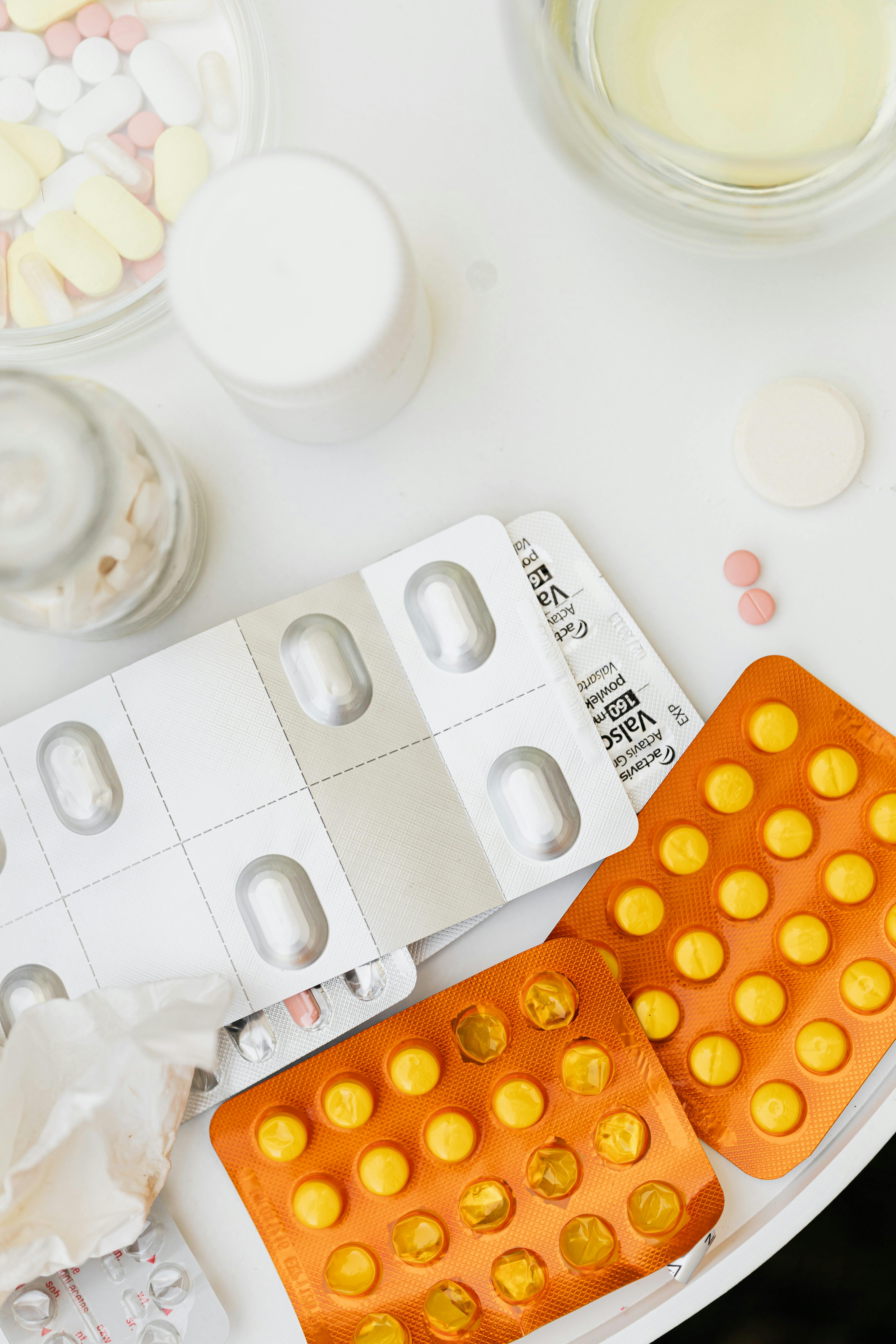
Medication for panic attacks includes prescription drugs that either help prevent panic attacks over time or ease symptoms more quickly when an attack happens. Common options include antidepressants such as selective serotonin reuptake inhibitors (SSRIs) and serotonin-norepinephrine reuptake inhibitors (SNRIs), along with short-term anti-anxiety medications called benzodiazepines.
Panic attacks can feel frightening, especially when you experience one for the first time and worry that you are having a heart attack. Understanding how each type of panic attack medication works can help you have a more informed conversation with a healthcare provider about your treatment options.
Key Takeaways
Panic attacks are common: Based on a national survey conducted between 2001 and 2003, about 22.7% of U.S. adults have had at least one panic attack in their lifetime, and an estimated 2.7% had panic disorder in the past year. Long-term medications like SSRIs usually take several weeks to reach full effect.
Different medications serve different purposes: Antidepressants are typically used for long-term prevention, while benzodiazepines work quickly. However, benzodiazepines are generally prescribed for shorter periods because of their potential for physical dependence.
Treatment may include more than medication: Medication is often combined with cognitive behavioral therapy (CBT). Talk with a psychiatric provider before starting, changing, or stopping any panic attack medication.
What Is a Panic Attack?
A panic attack is a sudden surge of intense fear or discomfort that peaks within minutes. Panic attacks often come with physical symptoms that can mimic a medical emergency, which is why some people end up in the emergency room during their first episode.
Common panic attack symptoms include:
Pounding or racing heart
Sweating, trembling, or shaking
Shortness of breath or a feeling of choking
Chest pain or tightness
Dizziness, lightheadedness, or feeling faint
Nausea or stomach distress
Chills or hot flashes
Numbness or tingling in the hands
A sense of doom, losing control, or feeling detached from reality
An isolated panic attack is not a mental health condition on its own. Panic disorder is diagnosed when someone has recurrent, unexpected panic attacks and spends at least a month worrying about future attacks or changing their behavior to avoid them. If you are unsure whether you are experiencing panic or general anxiety, the difference between an anxiety attack and a panic attack can help clarify the distinction.
How Common Are Panic Attacks and Panic Disorder?
Panic attacks are more common than many people realize. A large national survey from 2001-2003 found that 22.7% of adults have experienced isolated panic attacks at some point, while a smaller group develops panic disorder.
Based on the same survey data, an estimated 2.7% of U.S. adults had panic disorder in the past year, and about 4.7% experience it at some point in their lives. Past-year rates were higher among women (3.8%) than men (1.6%). Panic disorder often begins in the late teens or early adulthood.
Knowing how common panic attacks are can make the experience feel less isolating. It also helps explain why several medication options have been studied for panic disorder.
How Does Panic Disorder Medication Work?
Panic disorder medication generally falls into two broad approaches: medications that reduce the frequency of panic attacks over time, and medications that can ease symptoms more quickly. Your provider may recommend one approach or a combination, depending on how often your attacks occur and how much they affect your daily life.
Preventive medications, mainly antidepressants, gradually change how your brain regulates fear and anxiety. They may take several weeks to start working, but they can reduce how often panic attacks occur and how intense they feel.
Fast-acting medications, mainly benzodiazepines, can work within an hour or less by calming the nervous system. Because they carry risks with regular use, experts generally recommend them for short-term or occasional use only.
Types of Medication for Panic Attacks
Several classes of medication are used to treat panic attacks and panic disorder. A 2023 study found that several antidepressants and benzodiazepines were more effective than placebo in short-term trials, although the reviewers rated much of the evidence as low certainty. Here is how the main options compare.
SSRIs for Panic Attacks
Selective serotonin reuptake inhibitors (SSRIs) are usually the first medication considered for panic disorder. They increase the availability of serotonin, a brain chemical involved in mood and anxiety. Sertraline (Zoloft) is FDA-approved for panic disorder, as are paroxetine (Paxil) and fluoxetine (Prozac). Other SSRIs, such as escitalopram (Lexapro), are sometimes prescribed off-label.
For panic disorder, SSRIs are often started at a low dose and increased gradually because some people feel temporary jitteriness or increased anxiety in the first week or two. Full benefits usually take several weeks, similar to the timeline for Lexapro to work for anxiety.
SNRIs for Panic Disorder
Serotonin and norepinephrine reuptake inhibitors (SNRIs) affect two brain chemicals involved in mood and anxiety. Extended-release venlafaxine (Effexor XR) is FDA-approved for panic disorder and may be an option if an SSRI has not helped or caused side effects that were difficult to tolerate. Like SSRIs, SNRIs take several weeks to reach full effect and should not be stopped suddenly.
Benzodiazepines for Panic Attacks
Benzodiazepines, such as alprazolam (Xanax) and clonazepam (Klonopin), are fast-acting central nervous system (CNS) depressants. Alprazolam is FDA-approved to treat panic disorder with or without agoraphobia, which is fearing and avoiding places or situations that might cause panic. Clonazepam carries a similar approval. They can reduce panic symptoms quickly, which is why some providers use them briefly while an antidepressant starts working.
However, the FDA requires a boxed warning on all benzodiazepines because physical dependence can develop within several days to weeks, even when taken as prescribed. Stopping suddenly can cause serious withdrawal reactions, including seizures, and combining benzodiazepines with alcohol or opioids increases the risk of overdose.
Beta-Blockers for Panic Symptoms
Beta-blockers like propranolol block the effects of adrenaline, which can ease physical symptoms such as a racing heart, trembling, and sweating. They are sometimes prescribed off-label, especially for situational anxiety such as performance-related nerves.
However, beta-blockers are not generally used as a primary treatment for panic disorder. A systematic review found insufficient evidence for propranolol to support its routine use in treating panic disorder or other anxiety disorders.
Other Panic Disorder Medications
Older antidepressants, including tricyclic antidepressants (TCAs) like imipramine and monoamine oxidase inhibitors (MAOIs), have also been studied for panic disorder. They are used less often today because they may cause more side effects and require more monitoring. If you are looking for options with lower misuse potential, there are several types of non-addictive anxiety medication you can discuss with your provider.
Fast-Acting vs. Long-Term Panic Attack Medication
Choosing between fast-acting and long-term medication depends on your symptoms, health history, and goals. This overview can help frame the conversation with your provider.
Medication type | How fast it works | Typical role |
SSRIs and SNRIs | Several weeks | Long-term prevention of panic attacks |
Benzodiazepines | Within an hour or less | Short-term relief or bridging while an antidepressant starts working |
Beta-blockers | Usually within an hour | Physical symptoms in predictable situations (off-label) |
Side Effects of Panic Attack Medications
Every medication for panic attacks can carry some risk of side effects. Some early side effects of antidepressants may improve within the first few weeks.
Possible side effects can vary by medication type and include:
SSRIs and SNRIs: Nausea, headache, trouble sleeping, sexual side effects, and a brief increase in jitteriness when starting. Antidepressants also carry a boxed warning about suicidal thoughts in children and young adults.
Benzodiazepines: Drowsiness, slowed reaction time, memory problems, dependence, and withdrawal symptoms if stopped abruptly.
Beta-blockers: Fatigue, cold hands, dizziness, and low blood pressure. They may not be appropriate for people with asthma or certain heart conditions.
If side effects feel difficult to manage, talk to your provider rather than stopping on your own. Your provider may be able to adjust the dose or consider a different medication.
Therapy and Other Non-Medication Treatments for Panic Attacks
Medication is one part of panic disorder treatment. Cognitive behavioral therapy (CBT) is considered a standard psychotherapy for panic disorder. It can help you respond differently to the physical sensations of panic, often through a technique called interoceptive exposure. The technique can involve safely practicing the bodily sensations you fear until they feel less threatening.
Alongside professional treatment, these everyday strategies may help reduce panic symptoms:
Slow breathing: Breathing slowly through your nose and exhaling longer than you inhale can help counter the rapid breathing that fuels panic.
Grounding techniques: Focusing on what you can see, hear, and feel can bring your attention back to the present. Tapping for anxiety is another technique some people find useful.
Limiting caffeine and alcohol: Both can trigger or worsen anxiety symptoms in some people.
Regular sleep and exercise: Consistent sleep and physical activity can support overall emotional well-being.
When to Seek Medical Attention for Panic Attacks
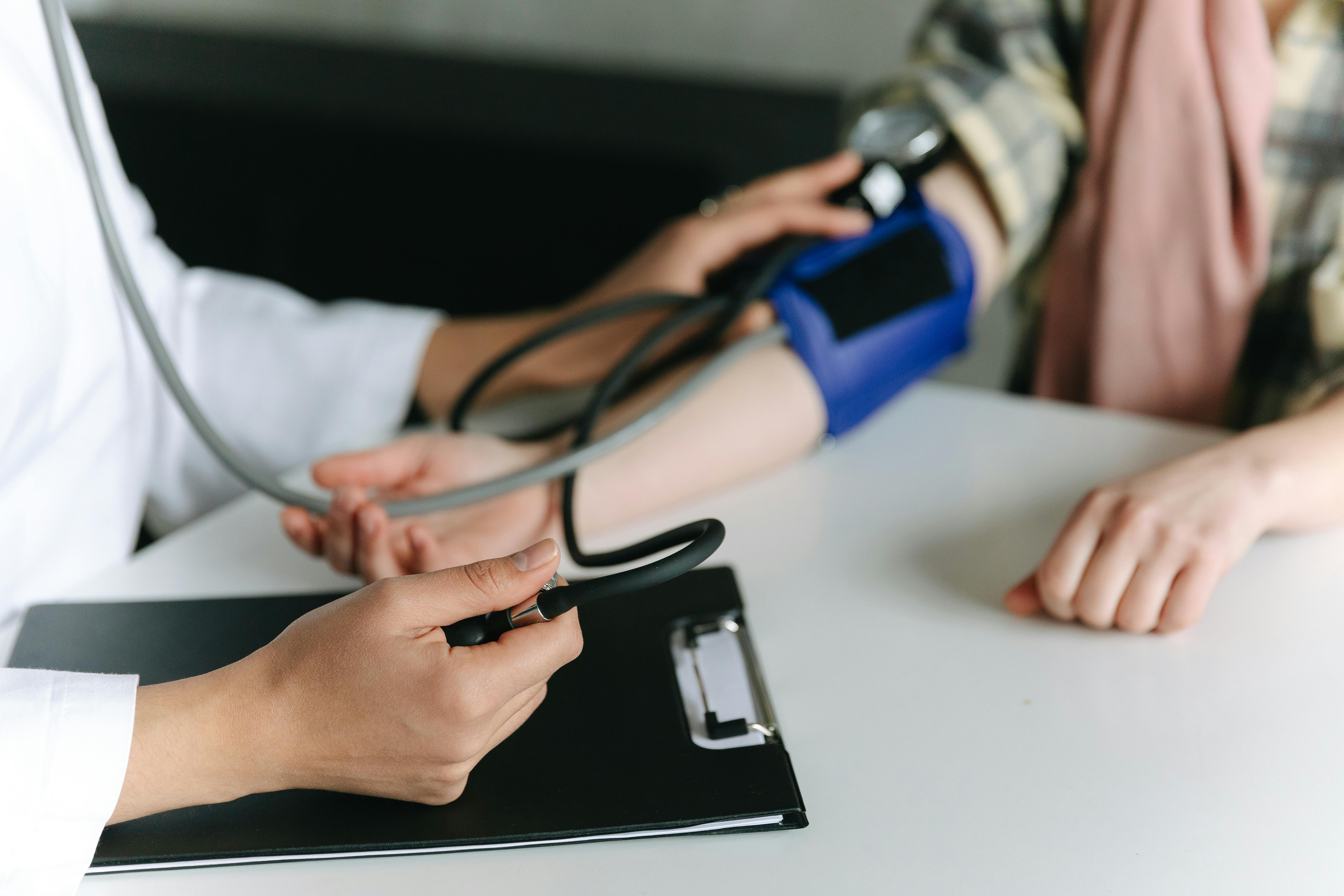
Because panic symptoms can overlap with heart and lung conditions, a medical evaluation can help rule out physical causes. Although panic attacks themselves are generally not life-threatening, symptoms such as chest pain or trouble breathing may have other causes, and it’s sometimes difficult to identify what’s causing them.
Talk to a healthcare provider if:
You have chest pain or trouble breathing for the first time, or symptoms feel different than usual (call 911 if you think you may be having a heart attack). Understanding how anxiety can cause chest pain is helpful, but it does not replace a medical evaluation.
Panic attacks are happening repeatedly or seemingly out of nowhere.
You are avoiding places, driving, work, or social situations because of fear of an attack.
You are using alcohol or other substances to cope with panic.
You have thoughts of harming yourself. Call or text 988 to reach the 988 Suicide & Crisis Lifeline any time.
How Blossom Health Can Help With Panic Attack Medication
Panic attacks can make everyday life feel unpredictable, but treatment can help manage symptoms and reduce their impact. At Blossom Health, board-certified, licensed psychiatric providers can evaluate your symptoms, make a diagnosis, and prescribe medication when appropriate, all through secure video visits.
Your first appointment is usually an hour-long session where your provider reviews your history, symptoms, and goals to build a personalized treatment plan. Blossom works with many insurance plans, so you can check your coverage and book an appointment. Many people are seen within days.
Medical Disclaimer
This article is for informational purposes only and is not a substitute for professional medical advice. Always consult a qualified healthcare provider before starting, stopping, or changing any medication. If you are in crisis, call or text 988 to reach the 988 Suicide & Crisis Lifeline, or call 911 in an emergency.
Sources
National Institute of Mental Health (NIMH). (Accessed September 29, 2026). Panic Disorder statistics. https://www.nimh.nih.gov/health/statistics/panic-disorder
National Institute of Mental Health (NIMH). (Revised 2025). Panic Disorder: What You Need to Know. https://www.nimh.nih.gov/health/publications/panic-disorder-when-fear-overwhelms
Cackovic C, Nazir S, Marwaha R. (August 6, 2023). Panic Disorder. StatPearls. NCBI Bookshelf. https://www.ncbi.nlm.nih.gov/books/NBK430973/
Kessler RC, et al. (2006). The epidemiology of panic attacks, panic disorder, and agoraphobia in the National Comorbidity Survey Replication. Archives of General Psychiatry. https://pubmed.ncbi.nlm.nih.gov/16585471/
Guaiana G, et al. (2023). Pharmacological treatments in panic disorder in adults: a network meta-analysis. Cochrane Database of Systematic Reviews. https://pubmed.ncbi.nlm.nih.gov/38014714/
U.S. Food and Drug Administration. (August, 2023). Zoloft (sertraline) prescribing information. https://www.accessdata.fda.gov/drugsatfda_docs/label/2023/019839s108%2C20990s062lbl.pdf
U.S. Food and Drug Administration. (January, 2017). EFFEXOR XR® (venlafaxine Extended-Release) prescribing information. https://www.accessdata.fda.gov/drugsatfda_docs/label/2017/020699s107lbl.pdf
U.S. Food and Drug Administration. (February, 2021). Xanax (alprazolam) prescribing information. https://www.accessdata.fda.gov/drugsatfda_docs/label/2021/018276s055lbl.pdf
U.S. Food and Drug Administration. (September 23, 2020). FDA requiring Boxed Warning updated to improve safe use of benzodiazepine drug class. https://www.fda.gov/drugs/drug-safety-and-availability/fda-requiring-boxed-warning-updated-improve-safe-use-benzodiazepine-drug-class
Steenen SA, et al. (2016). Propranolol for the treatment of anxiety disorders: Systematic review and meta-analysis. Journal of Psychopharmacology. https://pmc.ncbi.nlm.nih.gov/articles/PMC4724794/
Cleveland Clinic. (February 12, 2023). Panic Attacks & Panic Disorder. https://my.clevelandclinic.org/health/diseases/4451-panic-attack-panic-disorder
U.S. Drug Enforcement Administration. (December 31, 2025). DEA Extends Telemedicine Flexibilities to Ensure Continued Access to Care. https://www.dea.gov/press-releases/2025/12/31/dea-extends-telemedicine-flexibilities-ensure-continued-access-care