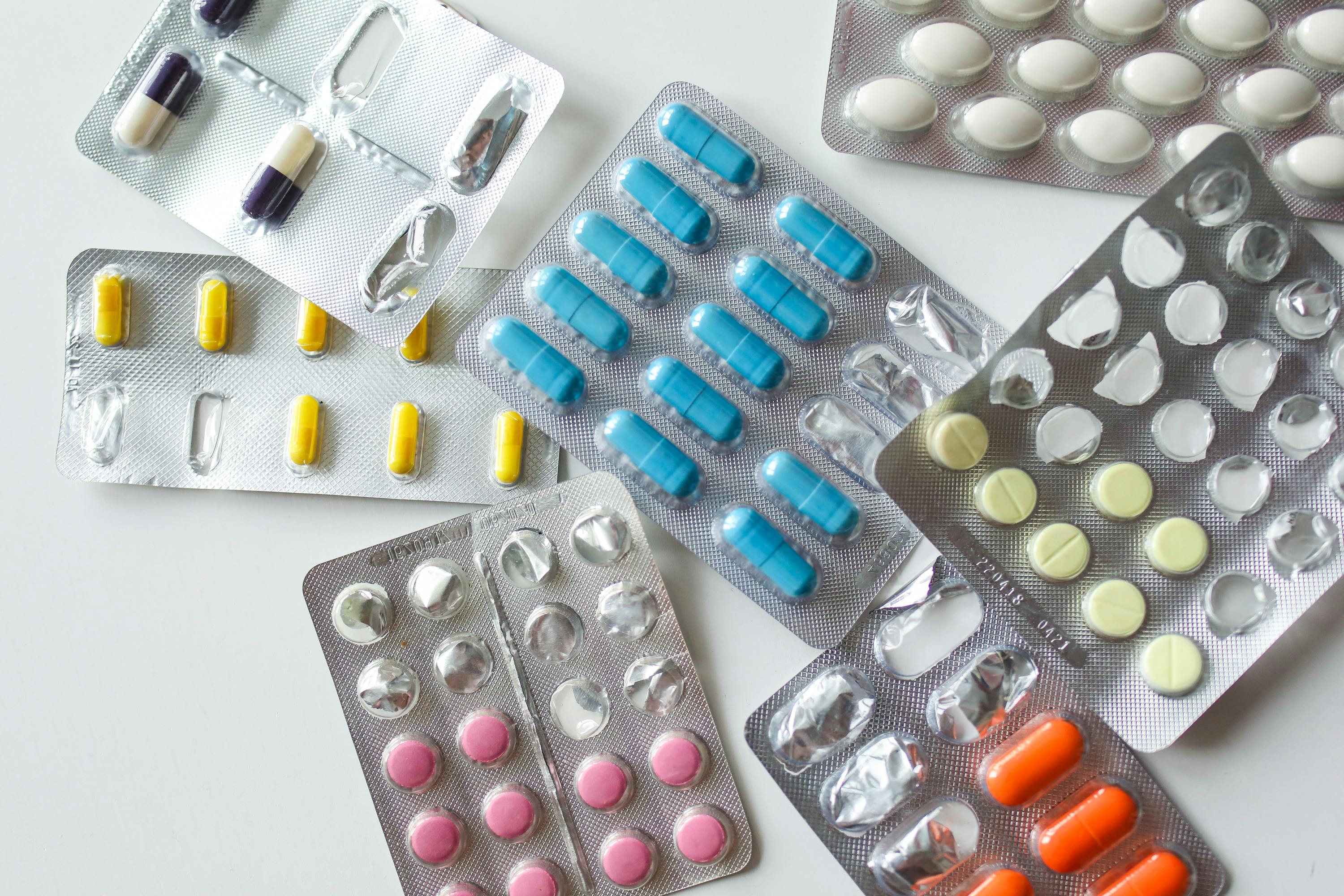
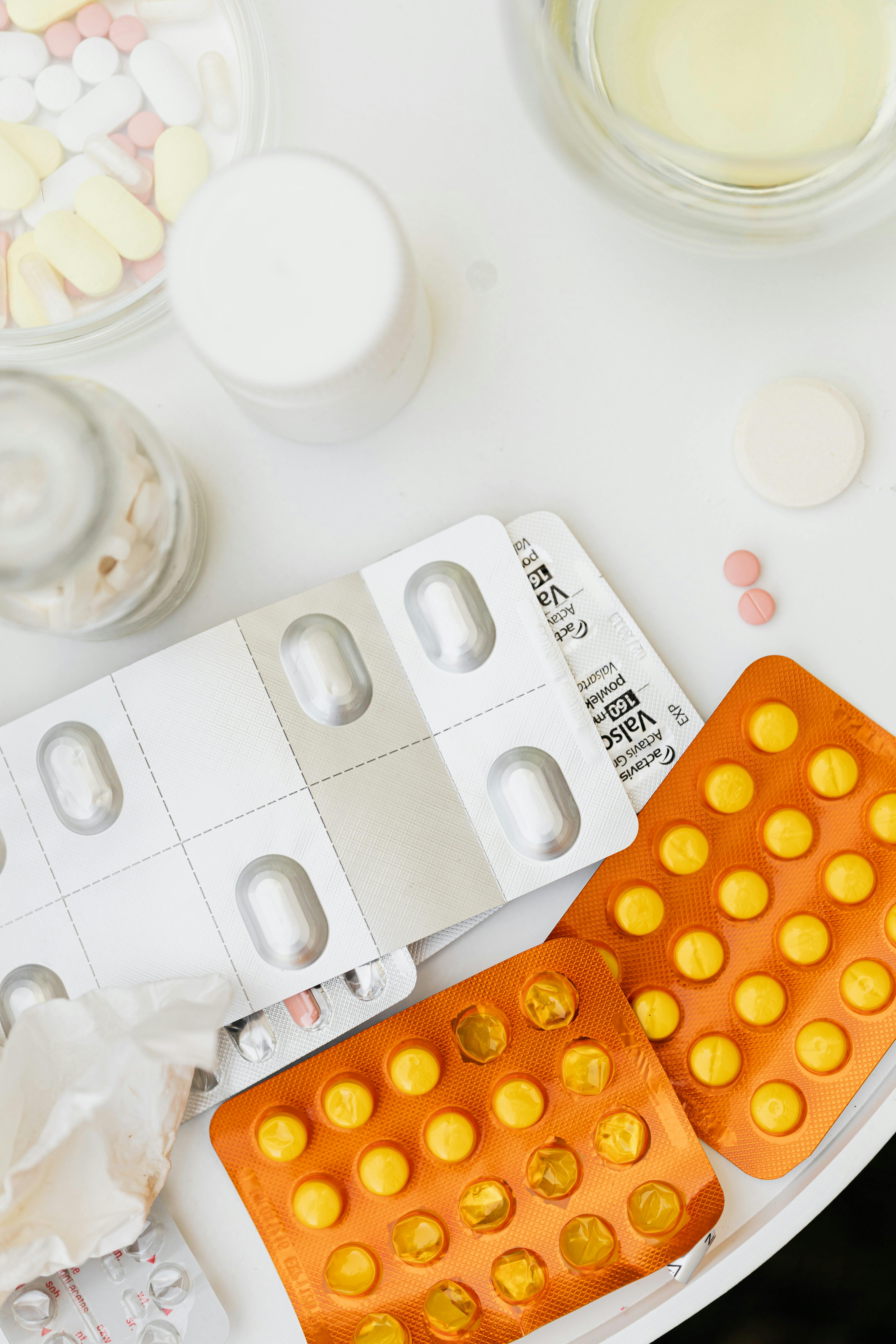
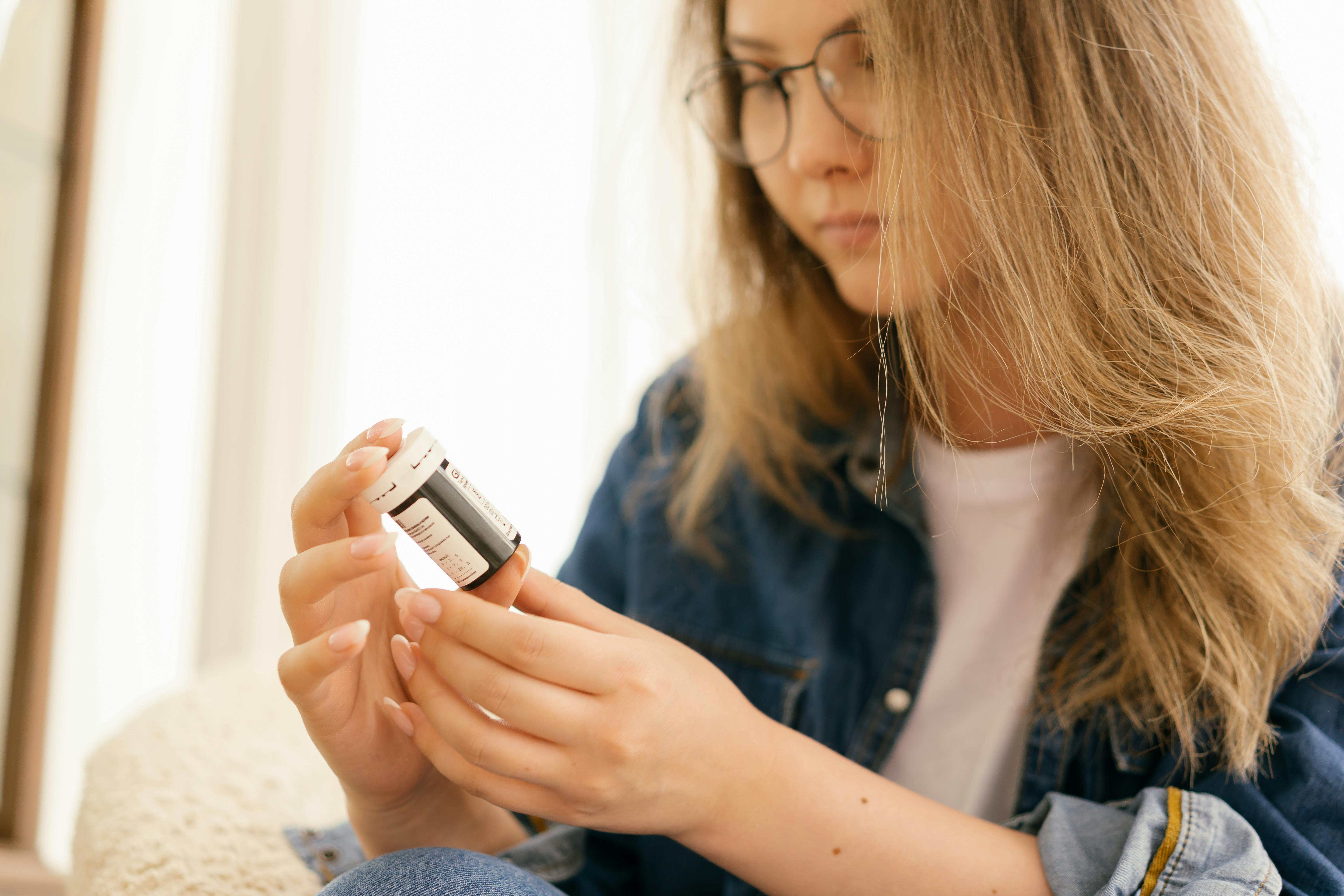
Prozac is the brand name for fluoxetine, a selective serotonin reuptake inhibitor (SSRI) used to treat depression, obsessive-compulsive disorder (OCD), panic disorder, and several other mental health conditions. If you're paying out of pocket, fluoxetine may cost less than $15 for a month's supply at some pharmacies when you use a prescription discount card, while brand-name Prozac can cost several hundred dollars. Understanding what drives that gap can help you stay on your treatment without overspending.
Key Takeaways
Cost can affect how people take medication: In 2021, a little over 8% of U.S. adults ages 18 to 64 who took prescription medication skipped doses, took less, or delayed a refill to save money, and the rate was close to 23% among people taking prescriptions without insurance. This covers prescription medications generally, not fluoxetine specifically.
Generic fluoxetine usually costs far less than brand-name Prozac: In October 2026, discount prices for 30 generic 20 mg capsules started under $10 at many pharmacies, while 30 brand-name Prozac capsules were listed for more than $400. Prices vary by pharmacy, formulation, and discount program.
A few practical steps can lower your price: Ask for the generic, compare pharmacies, use a free discount card, consider a 90-day supply, and talk with your prescriber before changing how you take your medication.
What is Prozac?
Prozac (fluoxetine) is one of the most widely studied antidepressants available. It works by blocking the reabsorption (reuptake) of serotonin, a brain chemical involved in mood, anxiety, and sleep, so more of it stays available between nerve cells. The changes in serotonin signaling that follow are thought to improve mood and anxiety over time, although the exact mechanism isn’t fully understood.
The FDA has approved fluoxetine for major depressive disorder, panic disorder, and bulimia, as well as obsessive-compulsive disorder. Fluoxetine is also approved in combination with olanzapine for depressive episodes associated with bipolar I disorder and for treatment-resistant depression.
SSRIs like fluoxetine are among the most commonly prescribed antidepressants, in part because they tend to cause fewer side effects than older options like tricyclic antidepressants. However, their benefits and side effects vary from person to person.
Fluoxetine has been available as a generic for more than two decades. Competition among generic manufacturers can help keep prices low, although the amount patients pay also depends on the pharmacy, pricing arrangements, and available discounts.
Is Generic Fluoxetine the Same as Prozac?
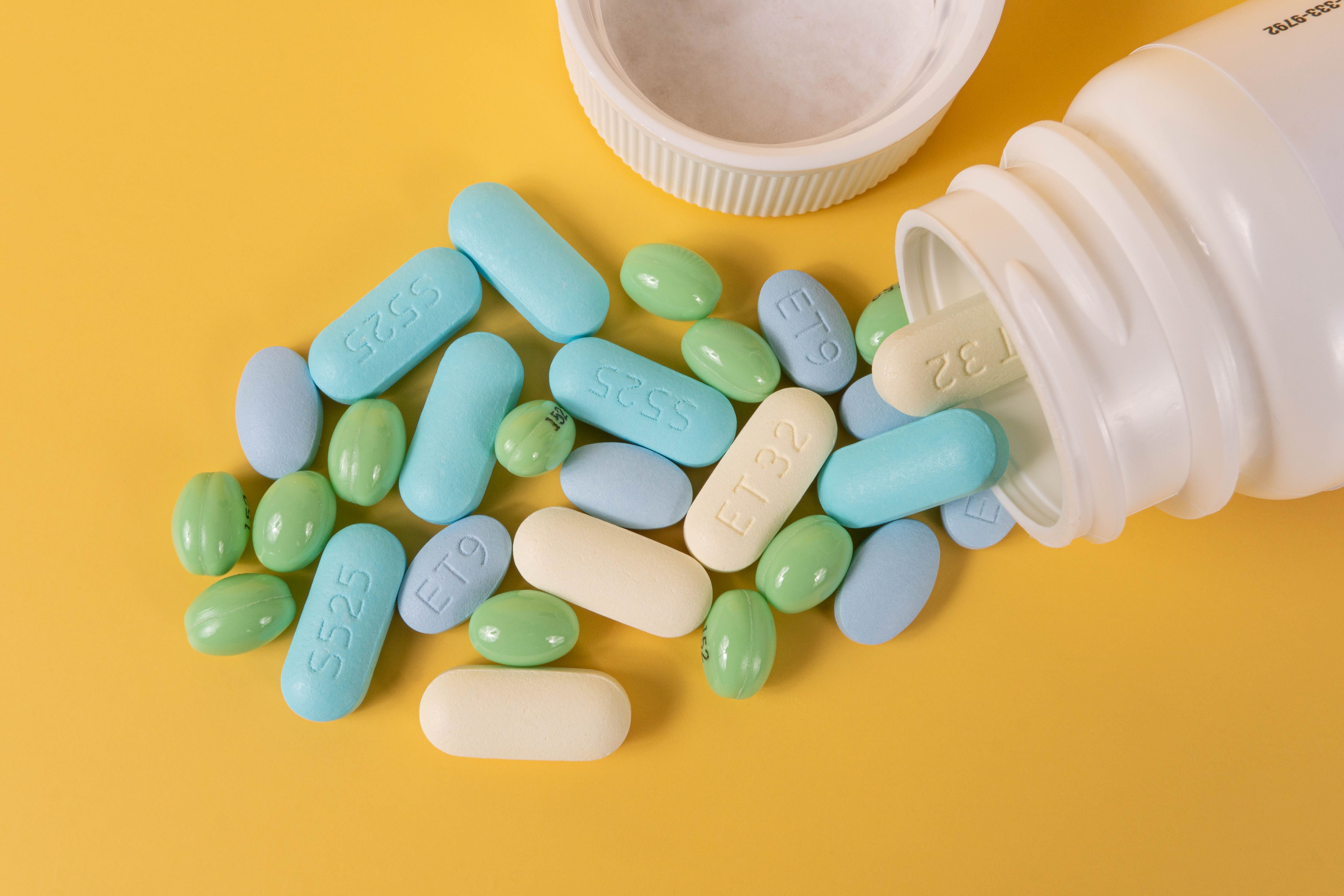
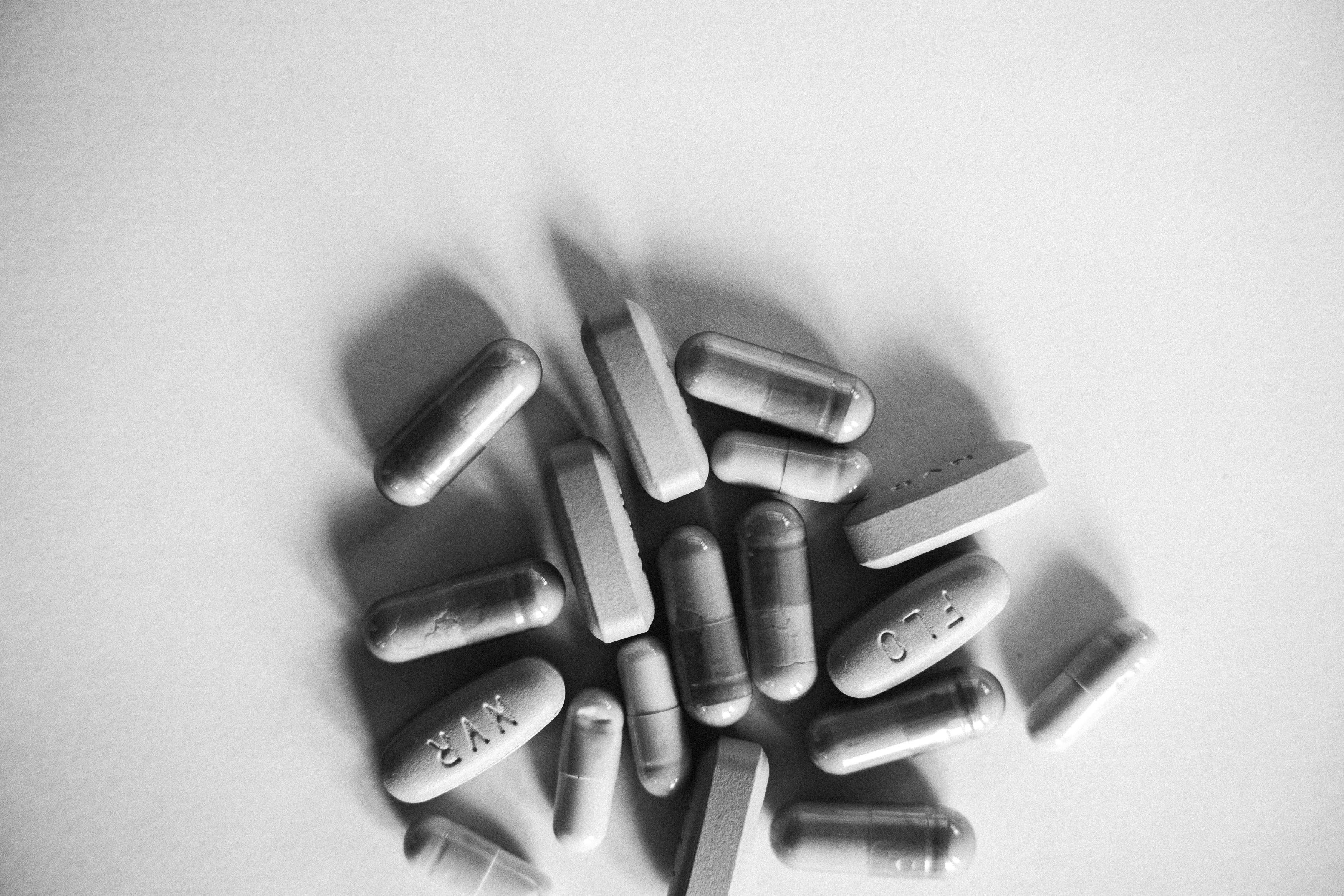
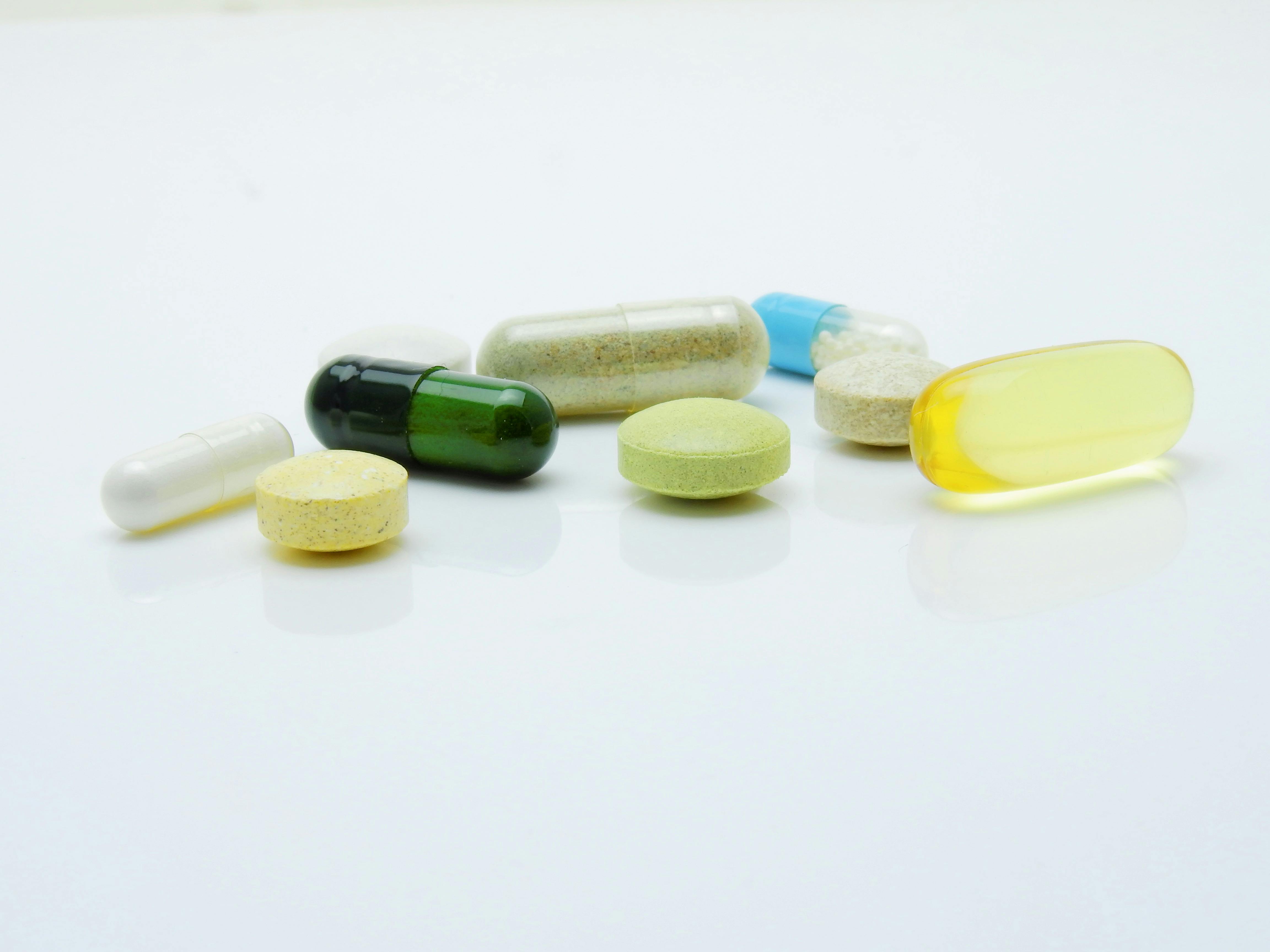
For most people, yes. FDA rules require generic medications to contain the same active ingredient, strength, dosage form, and bioequivalence as the brand-name product. Generics are generally expected to have the same clinical effect and safety profile as the brand-name medication. Inactive ingredients, such as fillers and dyes, can differ and can occasionally affect tolerability in individual patients. The differences in inactive ingredients explain why a generic capsule may look different from brand-name Prozac.
How Much Does Prozac Cost Without Insurance?
The answer depends on which version you fill, the dose, and the form (tablet, capsule, or oral solution) your prescriber chooses. The estimates below are based on Drugs.com price-guide listings accessed in October 2026. They reflect prices available to cash-paying customers through participating discount programs, where applicable, and are not guaranteed pharmacy prices. Your actual cost may differ by location, pharmacy, quantity, and discount card.
Generic Fluoxetine Prices
Generic fluoxetine is typically the most affordable option. In October 2026, discount prices for generic fluoxetine started at about $6.70 for 30 capsules of 20 mg, which is the most common starting dose for depression. The 10 mg and 40 mg capsules were similarly priced, generally in the $6 to $13 range for a 30-day supply.
Brand-Name Prozac Prices
Brand-name Prozac costs significantly more. In the same period, discount prices for brand-name Prozac started at roughly $93 for 30 capsules of 20 mg and about $337 for 30 capsules of 40 mg. Brand-name Prozac is currently only available in capsule form, whereas generic fluoxetine is available in capsule, oral solution, and tablet forms. Unless your prescriber has a specific reason to use the brand, the generic is usually the practical choice.
Prices by Form and Strength
Generic fluoxetine comes in several forms, and some cost noticeably more than standard capsules. Approximate discount prices listed in October 2026 included:
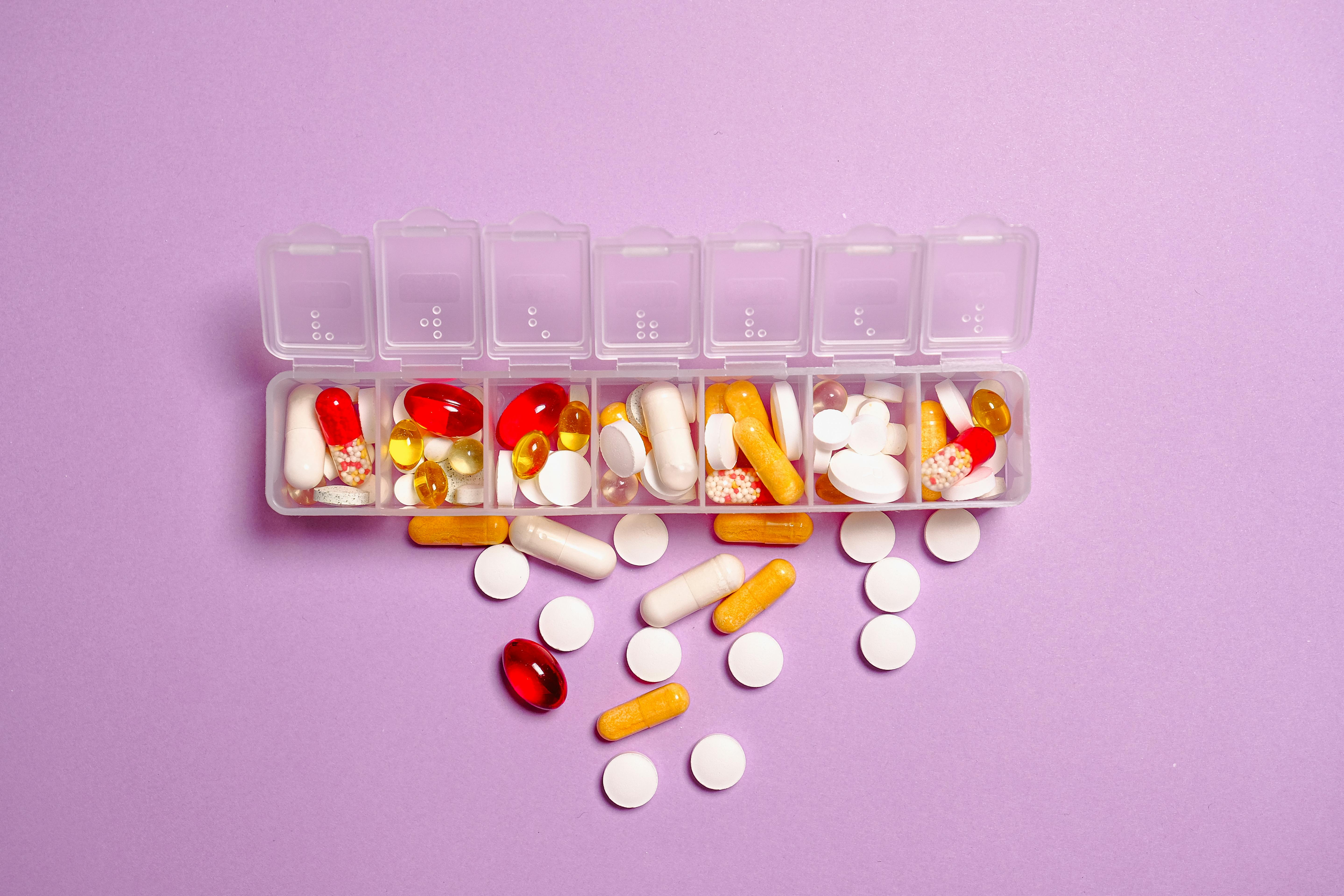
Capsules (10 mg, 20 mg, 40 mg): Usually the lowest cost, often under $15 for a 30-day supply.
Tablets (60 mg): About $29 for 30 tablets.
Oral solution (20 mg per 5 mL): About $32 to $48 for a 120 mL bottle, which may be helpful for people who have trouble swallowing pills.
Once-weekly delayed-release capsules (90 mg): About $118 for four capsules, equivalent to a four-week supply when prescribed once weekly.
These are price-guide estimates, not guaranteed prices. Formulations and strengths are not interchangeable on a milligram-for-milligram basis without appropriate prescribing guidance.
What Affects the Price of Prozac?
Even for the exact same prescription, the price can change from one pharmacy to the next. Several factors tend to make the biggest difference:
Brand vs. generic: This is the single largest factor, often a difference of tens to a few hundred dollars per month.
Dose and form: Higher doses may require more capsules, and liquids or weekly capsules cost more than daily capsules. The tablet form of generic fluoxetine (60 mg) is generally more expensive than the capsule form (10 mg, 20 mg, 40 mg).
Quantity: A 90-day supply of generic 20 mg capsules was listed at about $9 to $14, compared with about $7 to $10 for 30 days. A larger fill may reduce the cost per capsule, but the total savings vary by pharmacy and discount program. Ask your prescriber and pharmacist whether a 90-day supply is appropriate and available.
Pharmacy: Chain pharmacies, grocery stores, warehouse clubs, and mail-order pharmacies all set their own cash prices.
Discount programs: Free discount cards and pharmacy savings clubs can lower the cash price substantially, but they generally can't be combined with insurance for the same fill. Ask your pharmacist to compare your insurance copay with the available discount-card price. If you pay using a discount card instead of insurance, the amount usually will not count toward your insurance deductible or out-of-pocket maximum; check your plan's rules.
How Common is it to Struggle With Prescription Costs?
If paying for medication feels stressful, you're far from alone. Data published by the CDC from a national survey show that in 2021, 8.2% of adults ages 18 to 64 who took prescription drugs did not take them as prescribed to reduce costs. That included 22.9% of uninsured adults, compared with 6.5% of adults with private insurance.
Having insurance doesn't always mean paying less. A 2018 study of commercial insurance claims using 2013 data found that approximately 23% of analyzed prescriptions had copayments exceeding the estimated reimbursement to pharmacies. The rate was about 28% for generic drugs. Because these findings rely on older data from a specific insured population, they should not be interpreted as a current estimate for all prescriptions. For an inexpensive generic like fluoxetine, it's worth comparing your copay with the cash price.
Many people also ask for help directly. In an earlier national survey, 15.1% of adults asked their doctor for a lower-cost medication to save money, a simple step that can open up affordable options.
Ways to Save on Prozac Without Insurance
There's no single best way to save, but combining a few strategies often brings the monthly cost down to a level that feels manageable. Each option below works a little differently.
Ask for Generic Fluoxetine
If your prescription says "Prozac," ask your prescriber or pharmacist whether generic fluoxetine can be dispensed instead. In most states, pharmacists can substitute an FDA-approved, therapeutically equivalent generic unless the prescriber has specifically required the brand.
Use a Free Prescription Discount Card
Many discount cards and apps are free to use and don't require insurance. They negotiate prices with participating pharmacies, which is how generic fluoxetine can drop to under $10 a month. Because prices vary by card, pharmacy, and prescription quantity, it can help to check more than one before filling your prescription.
Compare Pharmacy Prices
The same 30-day supply can cost noticeably more at one pharmacy than another just a few miles away. Calling ahead or checking prices online before filling a new prescription can prevent surprises at the register.
Ask About a 90-Day Supply
If you've been stable on the same dose for a while, ask your prescriber whether a 90-day supply is appropriate. A larger fill can lower the cost per capsule and reduce trips to the pharmacy. Your prescriber will need to write the prescription for a 90-day quantity, so bring it up at your next visit or when you refill your medication online. How much you can actually save on a larger fill can vary by dose, formulation, and medication, and some controlled medications or insurance plans may have restrictions on refills.
Look Into Community Health Centers
Federally funded health centers provide care on a sliding fee scale based on family size and income, whether or not you have insurance. Some may also offer reduced-cost prescriptions through on-site or partner pharmacies. Contact your local center to ask about available prescription assistance.
Talk With Your Prescriber About Cost
Your prescriber can only help with cost concerns they know about. They may be able to choose a less expensive form, adjust how the prescription is written, or suggest another affordable SSRI if fluoxetine isn't the right fit. Escitalopram, for example, is also available as a low-cost generic, but its suitability, benefits, and side effects differ from those of fluoxetine. Read on to understand differences between Lexapro vs. Prozac. In any case, do not switch medications or change your dose without first discussing with your prescriber.
What to Avoid When Money is Tight
When budgets are stretched, it can be tempting to make changes on your own. Some cost-cutting habits can make symptoms harder to manage or create new risks:
Skipping doses or stretching your supply: Skipping doses, taking less than prescribed, or delaying a refill can reduce the effectiveness of treatment and may allow depression or anxiety symptoms to return or worsen.
Opening or splitting capsules: Do not split capsules or alter the contents of your fluoxetine medication to change the dose unless your pharmacist or prescriber confirms that it is appropriate for your specific product. Swallow delayed-release capsules whole, as directed in the product instructions.
Stopping suddenly without guidance: Fluoxetine remains in the body longer than many other SSRIs, which may reduce the risk of discontinuation symptoms compared with some antidepressants. However, symptoms can still occur, and stopping treatment may also allow the original condition to return. Discuss any planned dose reduction or discontinuation with your prescriber.
Buying from unverified online sellers: Websites that sell prescription drugs without requiring a prescription may not be licensed and may offer products that are counterfeit, unapproved, incorrectly dosed, or contaminated. Check that the pharmacy is licensed by the relevant state board of pharmacy and provides access to a licensed pharmacist.
Sharing medication: Using someone else's prescription can lead to the wrong dose or unsafe interactions.
When to Seek Medical Attention
Cost concerns shouldn't keep you from getting help when you need it. Contact a healthcare provider promptly, or seek emergency care, if you notice:
New or worsening thoughts of suicide or self-harm. Call or text 988 to reach the 988 Suicide & Crisis Lifeline any time. If you are in immediate danger or need emergency medical care, call 911.
A sudden worsening of depression, anxiety, agitation, or trouble sleeping.
Possible serotonin syndrome, particularly after starting or increasing a serotonin-affecting medication or combining interacting medicines. Symptoms can include agitation or confusion, fever, sweating, muscle twitching, or a racing heart. Seek emergency care in such cases.
Signs of an allergic reaction, including rash, hives, or swelling of the face or throat. Seek emergency care immediately.
Side effects that make you want to stop taking fluoxetine.
How Blossom Health Can Help
If the cost of care has kept you from starting or continuing treatment, Blossom Health may help make it more manageable. Blossom connects you with board-certified psychiatric providers for virtual appointments, and every provider can evaluate your symptoms, prescribe medication when appropriate, and help you choose options that fit your budget, including generic medications.
Blossom works with many insurance plans, so it's worth checking your coverage. You can enter your state and insurance information, choose a time that works for you, and often be seen within days. Get started with Blossom Health today.
Medical Disclaimer
This article is for informational purposes only and is not a substitute for professional medical advice. If you are in crisis or thinking about harming yourself, call or text 988 or call 911.
Sources
U.S. Food and Drug Administration. (2023). Prozac (fluoxetine capsules) prescribing information. https://www.accessdata.fda.gov/drugsatfda_docs/label/2023/018936%20s112lbl.pdf
Sohel AJ, Shutter MC, Patel P, Molla M. (February 28, 2024). Fluoxetine. StatPearls, NCBI Bookshelf. https://www.ncbi.nlm.nih.gov/books/NBK459223/
Drugs.com. (Prices accessed October 6, 2026). Fluoxetine prices, coupons, copay cards and patient assistance. https://www.drugs.com/price-guide/fluoxetine
Drugs.com. (Prices accessed October 6, 2026). Prozac prices, coupons, copay cards and patient assistance. https://www.drugs.com/price-guide/prozac
U.S. Food and Drug Administration. (Accessed October 6, 2026). Generic drugs: Questions and answers. https://www.fda.gov/drugs/generic-drugs/questions-answers-generic-drugs
Mykyta L, Cohen RA. (June 2, 2023). Characteristics of adults aged 18 to 64 who did not take medication as prescribed to reduce costs: United States, 2021. NCHS Data Brief No. 470. https://www.cdc.gov/nchs/products/databriefs/db470.htm
Cohen RA, Villarroel MA. (January 2015). Strategies used by adults to reduce their prescription drug costs: United States, 2013. NCHS Data Brief No. 184. https://www.cdc.gov/nchs/products/databriefs/db184.htm
Van Nuys K, et al. (2018). Frequency and magnitude of co-payments exceeding prescription drug costs. JAMA, 319(10), 1045. https://jamanetwork.com/journals/jama/article-abstract/2674655
Health Resources and Services Administration. (Accessed October 6, 2026). Find a health center. https://findahealthcenter.hrsa.gov/
National Institute of Mental Health (NIMH). (Accessed 6 October, 2026). Mental health medications. https://www.nimh.nih.gov/health/topics/mental-health-medications
Mayo Clinic. Serotonin syndrome: Symptoms and causes. https://www.mayoclinic.org/diseases-conditions/serotonin-syndrome/symptoms-causes/syc-20354758