Getting diagnosed with depression means having a trained clinician evaluate your symptoms, rule out other causes, and confirm whether you meet the criteria for a depressive disorder. It is a structured process rather than a single test, and it usually starts with a conversation.
Depression is one of the most common and treatable mental health conditions in the United States. Still many people go years without an evaluation because they are unsure where to start or worry that their symptoms are not “bad enough” to warrant one.
Key Takeaways
Depression is common and increasingly diagnosed: National survey data show that about 13% of Americans age 12 and older had depression in a given two-week period between 2021 and 2023. This was up from about 8% in 2013-2014.
Diagnosis is a conversation, not a lab test: There is no blood test that diagnoses depression. Clinicians use a standardized symptom evaluation, often paired with a short questionnaire, and may order lab tests only to rule out other medical causes.
You do not need a referral or a crisis to get evaluated: Primary care clinicians, psychiatrists, psychiatric nurse practitioners, and licensed therapists can all begin an evaluation. Federal guidelines also recommend that all adults be screened for depression as part of routine care.
What a Depression Diagnosis Means
A depression diagnosis is a clinical judgment based on whether your symptoms match a recognized pattern, last long enough, and interfere with daily functioning. Understanding the specific criteria clinicians use can help you know what to expect during an evaluation.
The Symptom Criteria Clinicians Use
Clinicians in the United States diagnose depressive disorders using criteria published by the American Psychiatric Association (APA). For major depressive disorder, a person must have at least five specific symptoms during a two-week period. At least one must be persistent low mood or a loss of interest or pleasure in activities they used to enjoy.
Other symptoms include significant changes in:
Appetite or weight
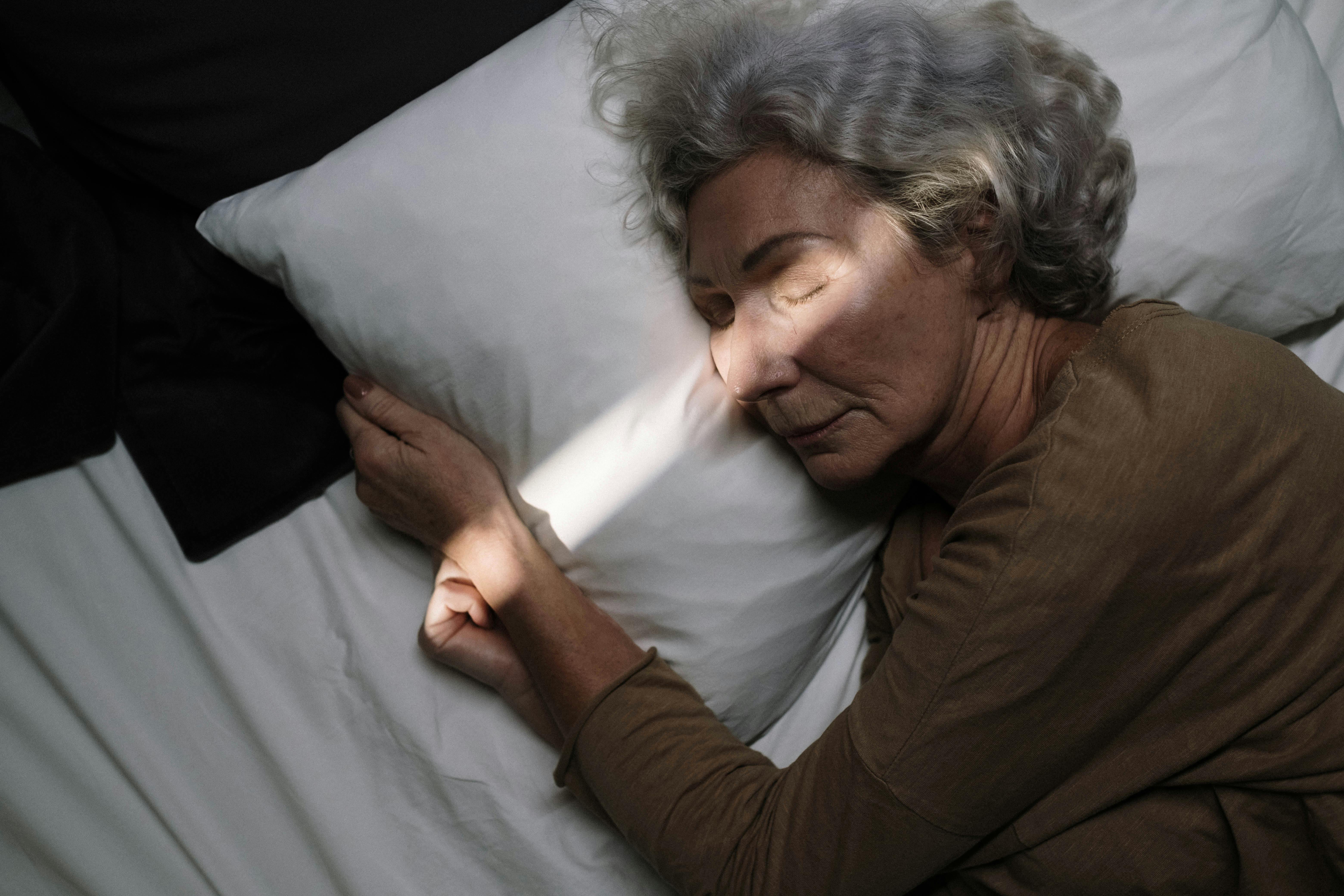
Sleeping too much or too little
Fatigue
Feelings of worthlessness or excessive guilt
Trouble concentrating or making decisions
Noticeable restlessness or slowing down
Recurring thoughts of death or self-harm
Timing matters as much as the symptom list. Clinicians also confirm that the symptoms cause real difficulty at work, at home, or in relationships, and whether another condition better explains them. They also ask about any history of manic or hypomanic episodes because that would point toward bipolar disorder rather than unipolar depression.
How Depression Differs From Ordinary Low Mood
Everyone experiences periods of sadness, grief, or burnout, and these experiences are not necessarily the signs of a depressive disorder. Clinicians generally consider the duration, severity, and impact of symptoms when distinguishing ordinary low mood from depression.
Ordinary low mood improves when circumstances change or when something good happens. Depression tends to persist regardless of what is going on around you, and it often dulls your ability to feel pleasure at all. Among people who screened positive for depression in recent national data, close to 88% reported at least some difficulty with work, home life, or social activities because of their symptoms.
Depression is also not a single condition. Persistent depressive disorder involves lower-grade symptoms lasting two years or more, seasonal patterns follow the time of year, and postpartum depression follows childbirth. The different types of depression can look different from one another, which is part of why a professional evaluation is more reliable than self-assessment.
How Common Is Depression?
Before walking through the evaluation process, it helps to understand how common depression is. Recent federal data show:
Approximately 13.1% of U.S. adolescents and adults age 12 and older met the threshold for depression in a two-week period during August 2021 through August 2023. This is in comparison with 8.2% in 2013 through 2014.
Prevalence was highest among adolescents ages 12 to 19 and lowest among adults age 60 and older.
About 4 in 10 people age 12 and older with depression reported receiving counseling or therapy from a mental health professional in the previous 12 months.
About 11.4% of U.S. adults took prescription medication for depression in 2023.
The gap between how many people have symptoms and how many receive treatment suggests the importance of making evaluation and care accessible.
The Step-by-Step Process of Getting Diagnosed
Most people find the process shorter and more straightforward than they expected. Here is what it typically looks like from first noticing symptoms to walking out with a diagnosis and a plan.
Step 1: Track What You Are Experiencing
Before your appointment, write down what has changed and roughly when it started. Note sleep, appetite, energy, concentration, mood, and anything you have stopped doing that you used to enjoy. A few weeks of informal notes can be helpful.
Because diagnostic criteria include symptom duration and specific symptoms, notes can help you remember details that may be easy to forget during a short appointment.
Step 2: Choose Where to Start
You have several options for starting an evaluation, and many do not require a referral. Primary care is a common starting point, and many people are screened there without raising the topic themselves. Others go directly to a psychiatric provider, particularly if they think medication may be part of their treatment.
If you are unsure where to start, choosing a clinician you can see soon is usually the practical option. A diagnosis made in primary care is a valid diagnosis, and you can always be referred onward when appropriate.
Step 3: Complete a Screening Questionnaire
Many practices begin with a short written screening tool. One of the most widely used is the Patient Health Questionnaire, or PHQ-9. It is a nine-item form that covers symptoms included in the diagnostic criteria and takes a couple of minutes to complete.
Validation research found that a PHQ-9 score of 10 or higher identified major depression with 88% sensitivity and specificity compared with a structured clinical interview. Scores of 5, 10, 15, and 20 correspond to mild, moderate, moderately severe, and severe symptom ranges.
A screening questionnaire is not a diagnosis on its own. It can help identify people who may benefit from a fuller evaluation and give the provider a baseline to track symptoms over time.
Step 4: Complete a Clinical Evaluation
This is the core of the diagnostic process. A clinician will ask about your symptoms and their timeline, your medical history, any medications or supplements you take, your alcohol and substance use, your family history of mental health conditions, and what is going on in your life right now.
You can also expect questions about suicidal thoughts. These are standard questions, asked of everyone being evaluated, and answering honestly is the most useful thing you can do. Providers may also screen for any history of unusually elevated mood or energy, since that would change both the diagnosis and the treatment.
Step 5: Rule Out Medical and Substance-Related Causes
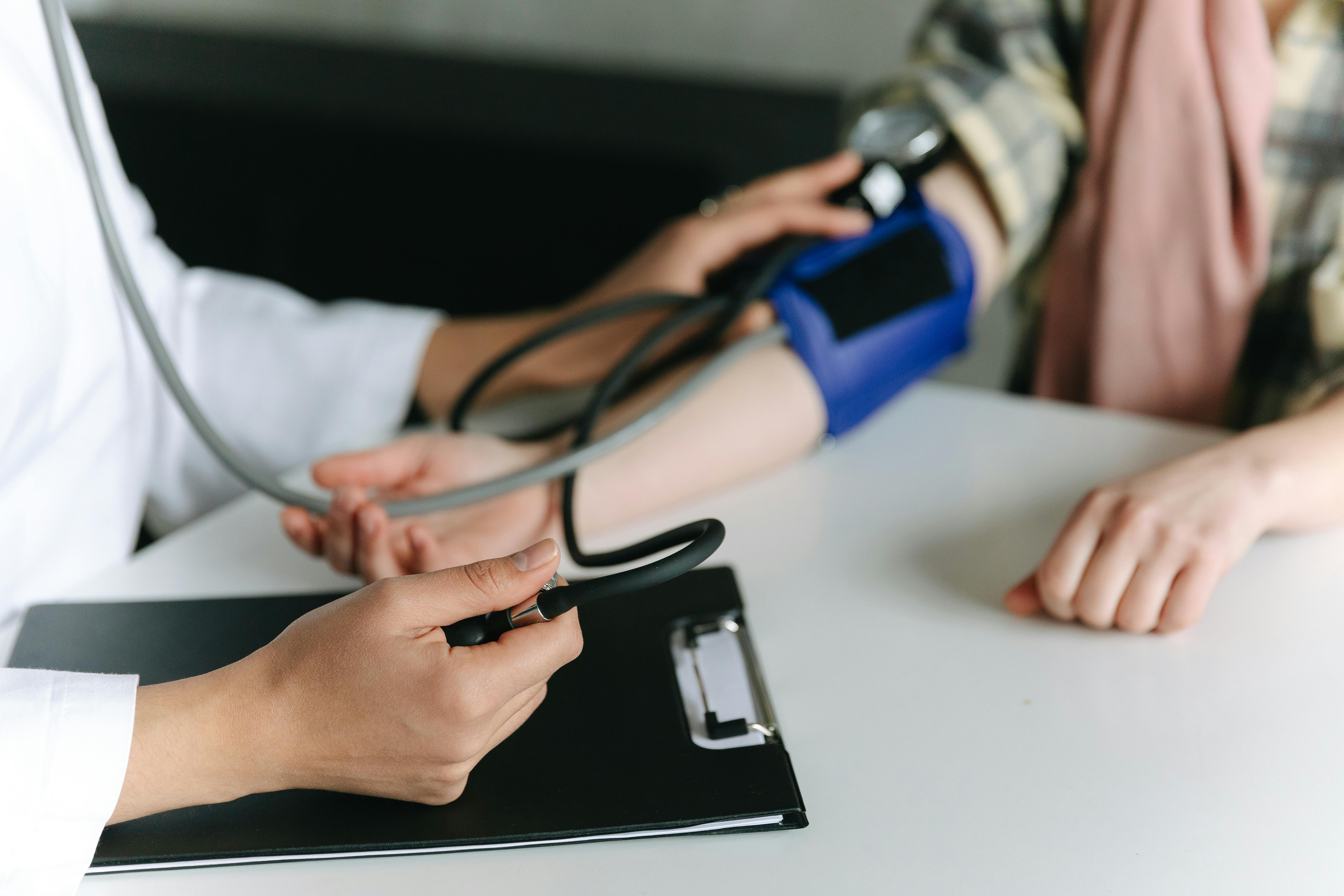
Several physical conditions can cause symptoms that closely resemble depression, so a careful evaluation helps rule out other explanations. A clinician may order blood tests such as a complete blood count or thyroid panel, and may review whether any medications you take list mood changes as a side effect.
Thyroid dysfunction, anemia, certain vitamin deficiencies, sleep disorders, and heavy alcohol use can all mimic or worsen depressive symptoms. Identifying and treating the underlying cause first can help resolve them.
Step 6: Receive the Diagnosis and a Treatment Plan
If your symptoms meet criteria, your provider can explain the specific diagnosis and discuss treatment options. Treatment may involve psychotherapy, medication, or a combination, depending on symptom severity, your preferences, and medical history. You should leave with a clear next step and a follow-up timeline, usually within a few weeks if medication is started.
Who Can Diagnose Depression?
Several types of licensed professionals are qualified to make the diagnosis. They differ mainly in their training and in whether they can prescribe medication.
Primary Care Clinicians
Primary care physicians, nurse practitioners, and physician assistants diagnose and treat many people with depression. They can use screening tools, make a diagnosis, order lab tests, and prescribe antidepressants.
This is often the fastest route, particularly if you already have a provider. Federal guidance supports it: the U.S. Preventive Services Task Force recommends screening all adults for depression, including pregnant and postpartum people and adults age 65 and older.
Psychiatrists and Psychiatric Nurse Practitioners
Psychiatrists are medical doctors who specialize in mental health, and psychiatric nurse practitioners (PMHNPs) hold advanced nursing degrees with psychiatric specialization. Both can diagnose depression and prescribe medication.
A psychiatric provider may be a better fit if you have tried an antidepressant without enough improvement, have symptoms that are difficult to categorize, may have severe or treatment-resistant depression, or have a co-occurring condition. Understanding what a psychiatrist does for depression can help you decide whether to start there.
Psychologists and Licensed Therapists
Clinical psychologists, licensed clinical social workers, and licensed professional counselors can diagnose depression and provide psychotherapy. In most states, they cannot prescribe medication, so they may coordinate with a prescriber when medication is appropriate.
The distinction between a psychiatrist and a therapist can help you decide which type of appointment is the more efficient first step.
What to Expect at Your Evaluation
Knowing what to expect at your appointment can make it feel more manageable. In most cases:
The first appointment runs longer than a routine visit, often 45 to 60 minutes.
You can be asked to describe symptoms in your own words, not just check boxes.
Questions about substance use, trauma, and suicidal thoughts are usually standard.
Bringing a list of your current medications and supplements can help save time and improve accuracy.
You can ask questions too, including what the diagnosis means and how quickly to expect a change.
Can You Get Diagnosed With Depression Online?
Yes. Licensed providers can evaluate and diagnose depression through video visits, and virtual psychiatric care can provide both diagnosis and treatment. The evaluation follows the same criteria and the same structure as an in-person appointment.
The main practical requirement is licensure. Your provider must hold a license in the state where you are physically located during the appointment. If medication is part of the plan, psychiatrists can prescribe medication online, including many antidepressants, just as they would in person. Coverage varies by plan, so it is worth checking whether depression treatment is covered by your insurance before booking.
When to Seek Medical Attention
Some situations call for prompt evaluation rather than waiting for a routine appointment. Consider reaching out to your provider soon if:
Symptoms have lasted more than two weeks and are not improving.
You are unable to work, attend school, or manage daily responsibilities.
You have lost interest in most of the things you used to enjoy.
Sleep or appetite changes are significant or getting worse.
You are using alcohol or other substances to cope.
A previously effective treatment has stopped working.
If you are having thoughts of suicide or self-harm, seek immediate help rather than waiting for an appointment. Call or text the 988 Suicide and Crisis Lifeline, which is available 24 hours a day, or go to your nearest emergency department.
How Blossom Health Can Help
Blossom Health is a psychiatry-first telehealth practice that connects you with board-certified psychiatric providers for virtual visits covered by in-network insurance. Every provider on the team can evaluate, diagnose, and prescribe, so you can receive psychiatric care through one service.
The sign-up process is usually short. You enter your state and insurance plan, choose an appointment time, and confirm a few details. Many people can be seen within days, and the first visit is usually an hour-long video session. In this session, your provider reviews your history and symptoms, makes a diagnosis where appropriate, and builds a treatment plan with you.
If your provider determines that a different type of care would serve you better, they will tell you and point you toward it. To check availability in your state, visit joinblossomhealth.com/start.
Medical Disclaimer
This article is for informational purposes only and is not a substitute for professional medical advice, diagnosis, or treatment. Always seek the advice of your physician or other qualified healthcare provider with any questions you may have regarding a medical condition. If you are experiencing a mental health crisis, contact the 988 Suicide and Crisis Lifeline by calling or texting 988.
Sources
National Institute of Mental Health (NIMH). (December, 2024). Depression. nimh.nih.gov
American Psychiatric Association (APA). Depression. https://www.psychiatry.org/patients-families/depression
National Institute of Mental Health (NIMH). (July, 2023). Major Depression. nimh.nih.gov
Brody DJ, Hughes JP. Depression Prevalence in Adolescents and Adults: United States, August 2021 to August 2023. NCHS Data Brief No. 527, April 2025. cdc.gov
Elgaddal N, Weeks JD, Mykyta L. Characteristics of Adults Age 18 and Older Who Took Prescription Medication for Depression: United States, 2023. NCHS Data Brief No. 528, April 2025. cdc.gov
U.S. Preventive Services Task Force. Depression and Suicide Risk in Adults: Screening. (June 20, 2023). uspreventiveservicestaskforce.org
Kroenke, K., Spitzer, R. L., & Williams, J. B. (2001). The PHQ-9: validity of a brief depression severity measure. Journal of general internal medicine, 16(9), 606–613. https://doi.org/10.1046/j.1525-1497.2001.016009606.x
Bains N, Abdijadid S. Major Depressive Disorder. [Updated 2023 Apr 10]. In: StatPearls [Internet]. Treasure Island (FL): StatPearls Publishing; 2023 Jan-. Available from: https://www.ncbi.nlm.nih.gov/books/NBK559078/
Chand SP, Arif H. Depression. [Updated 2023 Jul 17]. In: StatPearls [Internet]. Treasure Island (FL): StatPearls Publishing; 2023 Jan-. Available from: https://www.ncbi.nlm.nih.gov/books/NBK430847/
Chand SP, Arif H. Depression. [Updated 2023 Jul 17]. In: StatPearls [Internet]. Treasure Island (FL): StatPearls Publishing; 2023 Jan-. Available from: https://www.ncbi.nlm.nih.gov/books/NBK430847/
Mayo Clinic. (March 14, 2026). Depression (major depressive disorder). mayoclinic.org
MedlinePlus, National Library of Medicine. (April 19, 2025). Depression. medlineplus.gov
National Institute of Mental Health (NIMH). Persistent Depressive Disorder (Dysthymic Disorder). nimh.nih.gov
National Center for Health Statistics. (April 16, 2025). New Reports Highlight Depression Prevalence and Medication Use in the U.S. cdc.gov